Answer Hatred with Love
We heard about the shootings in Pittsburgh at our synagogue after services during kiddush. Not yet knowing details, and a bit in shock, we sang Shabbat songs with joy, belting out medieval poems to the tunes of the Bumblebee Tuna jingle and “Sloop John B.” That’s what we do when we gather to celebrate Shabbat: we pray, eat, laugh and sing.
On the way out of synagogue, our security guard filled us in a bit more. An Orangetown police car, he told us, would be staying at the synagogue all afternoon. It started to become more real.

After Havdalah, I turned on my phone and found a plethora of messages on Facebook from colleagues and friends, expressing a range of sorrow, outrage, and fear.
I reached out to a dear friend who lives in Squirrel Hill with support and concern. Though her family attends another synagogue, I know that everyone in that close-knit community knows each other. She appreciated my contacting her, and wrote back, “It could have been any synagogue anywhere in America.”
Over this past day, I have heard many versions of that sentiment. “They are my family members.” “I am connected to them all.” “What happens to one Jewish community happens to us all.”

Israelis who come from Pittsburgh organize a vigil in Kikar Rabin, Tel Aviv

What do Jewish people do with this overwhelming sense of connectedness? How do we respond to a tragedy when we live by the dictum:
כל ישראל ערבים זה בזה
All of Israel is responsible one for the other.
We seek to be together as a community. As one of my congregants said to me, “We need to claim our seats after something like this happens.”
And once we are together, what are we meant to do?
How do we cope with the feelings of sorrow and helplessness when confronted with senseless hatred? We look hatred in the face and we answer it with love.
How do we grieve?
Rabbi Abraham Joshua Heschel wrote: “There are three ascending levels of mourning: with tears — that is the lowest. With silence — that is higher. And with a song — that is the highest.”
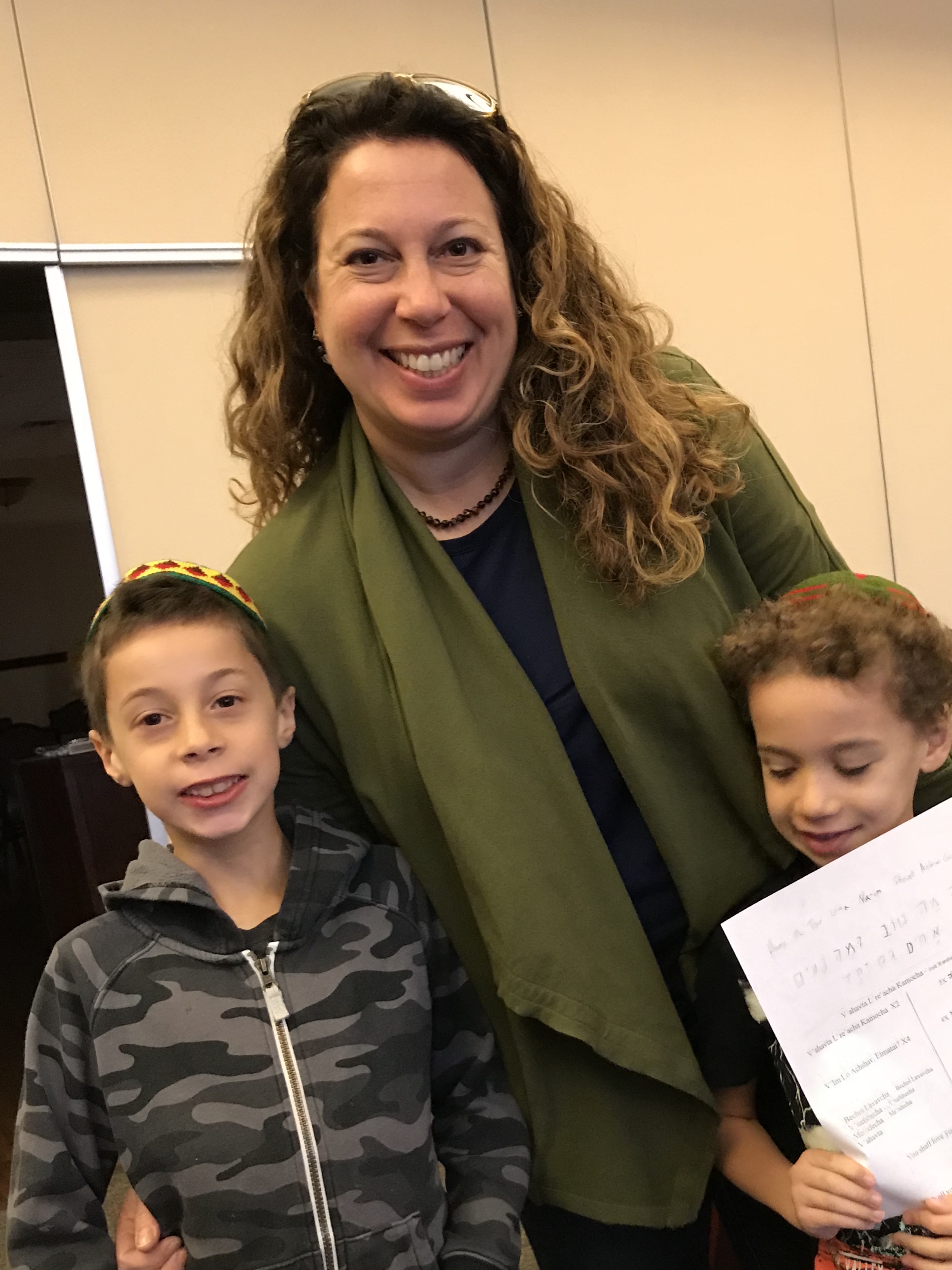
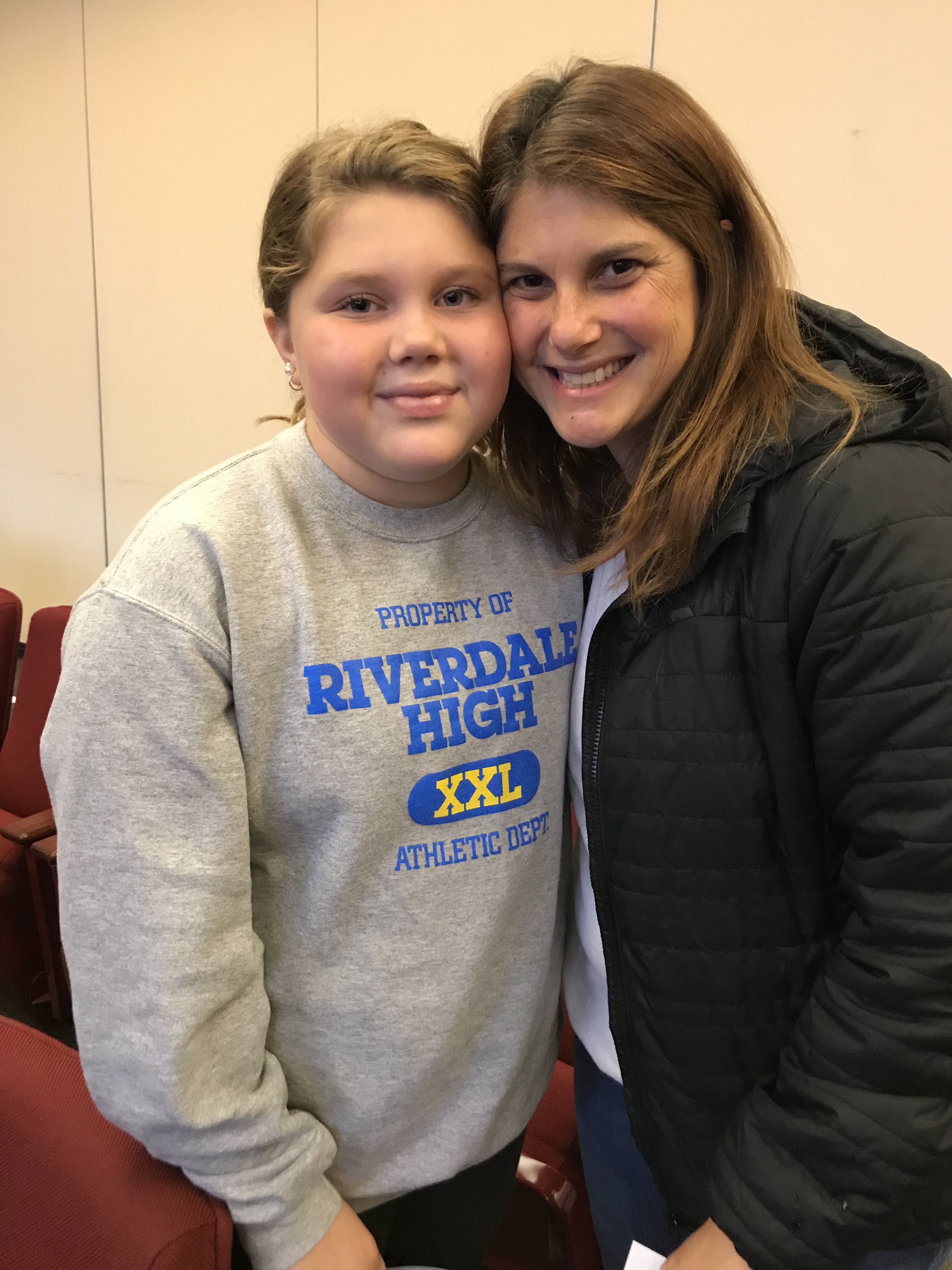
It was perhaps a coincidence, but I believe it was Providence… the OJC had planned our singing extravaganza, Kol OJC, the Voice of OJC, for this morning. Amichai Margolis, our Music Director, had been rehearsing with our band for a month. We had videography and sound engineering in place. 175 of us, of all ages, came together to learn a song in five parts in under an hour. We began with a moment of silence and dedicated our singing to the Pittsburgh Jewish community.


And once again, Providence played a hand in the songs that we sang: “Hineh mah tov,” How good and pleasant it is to sit, brothers and sisters together, and “V’ahavta l’re’acha kamocha,” Love your neighbor as yourself. The messages could not have been more meaningful or more timely.
Koolulam, the amazing Israel project which inspired us to organize Kol OJC, gathers thousands of singers. But we had just as much excitement and energy in our sanctuary as Koolulam gathers in any stadium throughout Israel. (Watch for our video around Chanukah time!)

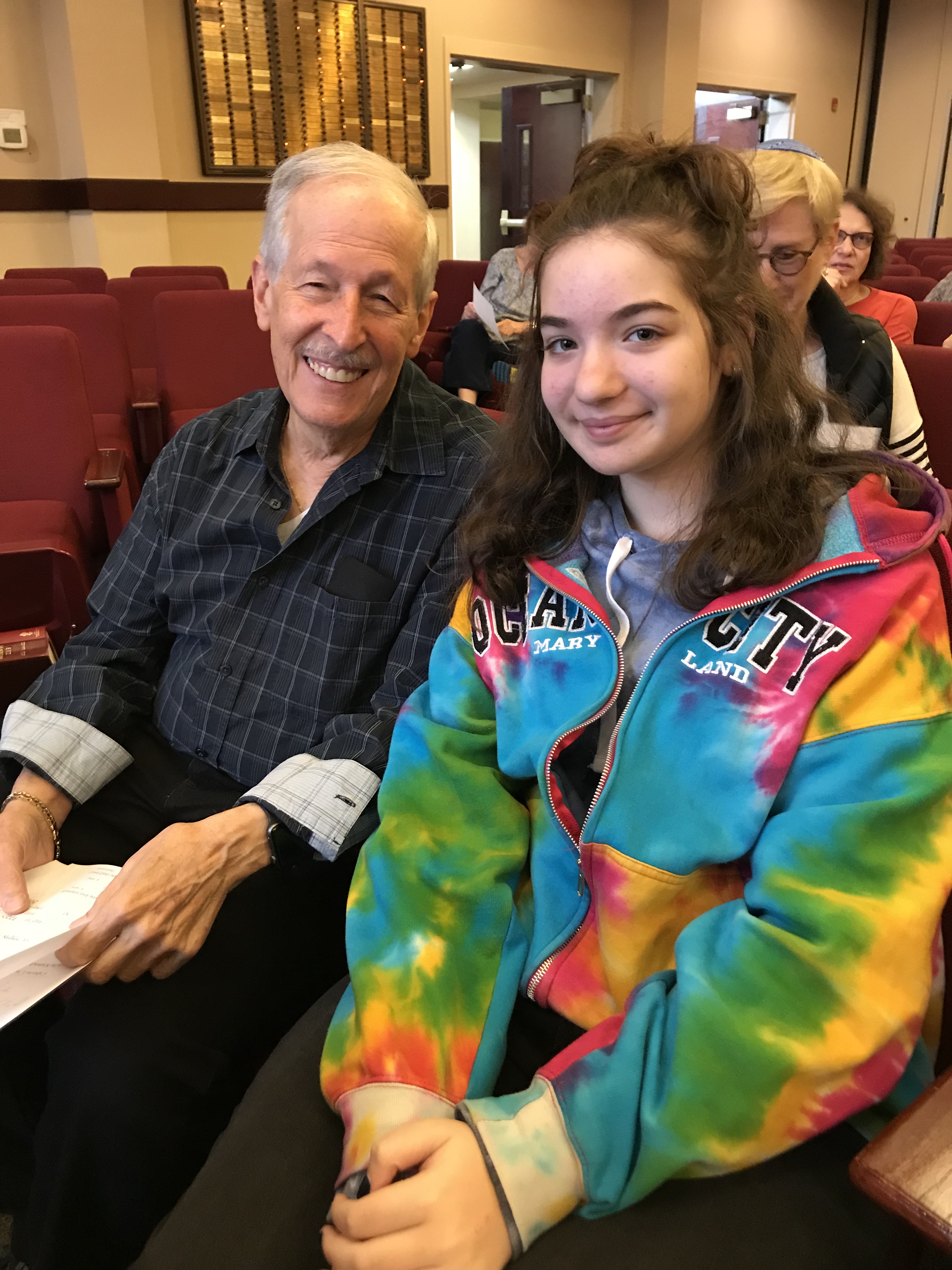

When we feel afraid, sorrowful, and devastated by events over which we have no control, we have a choice about how we will respond. We can despair or we can take action.Today, at the OJC, we powerfully experienced the way that taking spiritual action can lift up a community.


May we go from strength to strength. May the community of Tree of Life Ohr L’Simcha Synagogue feel our solidarity and support in the face of their devastating loss. May the Squirrel Hill community, and Jewish people everywhere discover reservoirs of strength and optimism. May we remember that we are God’s partners in repairing our world. May we never give in to despair.
Rabbi Paula Mack Drill
The Time of Our Joy
One of my childhood friends told me that he decided to go to a synagogue for Rosh Hashanah and Yom Kippur so that he could say prayers for my healing. Knowing that he is a non-believing, non-practicing Jewish person, I was very touched by his impulse.
But, I wanted to warn him against his plan. Instead, I let him find his own way.
Afterward, I called him to find out how it went.
He told me, “Honestly, this is why I never go to synagogue. I felt empty and lost and very lonely. I could not understand the prayers and they seemed to go on forever. I was to nervous to even say a prayer for you.”
I was not surprised. I told him, “It is not that synagogues are empty of spiritual space for prayer. As a novice, you just went on the wrong days.”
Trying to find a sense of peace, connection to God, and deep prayer experiences on the three most fearsome, awesome and busy days of the Jewish calendar is like trying to learn to speak French by sitting in on a college literature course taught entirely in French… or trying to learn to ice skate by gliding out onto the ice in the midst of a Stanley Cup playoff match.
And yet my old friend is not the only one who tries to pry open the treasure of Judaism once a year for three days. So many of us come to synagogue just for the High Holy Days, and as a rabbi, believe me, I am very glad to see you.
But every year, just five days after Yom Kippur, we enter the joyous festival of Sukkot and I wonder how to convince my fellow Jews to come on these days instead! We sing praises to God while shaking branches of the palm, myrtle, and willow together with an etrog (a lemon-like fruit). It’s inexplicably awesome! We line up with these agricultural treasures and parade around the synagogue singing to God, “Save us!” It’s crazy fun! Everyone is grinning because no one can exactly explain what we’re doing.
After these prayers, we go outside into a sukkah (a temporary booth) decorated with lights, flowers, fruit, paper chains and posters and partially open to the sky to study, eat and sing. We live in these booths for seven days.
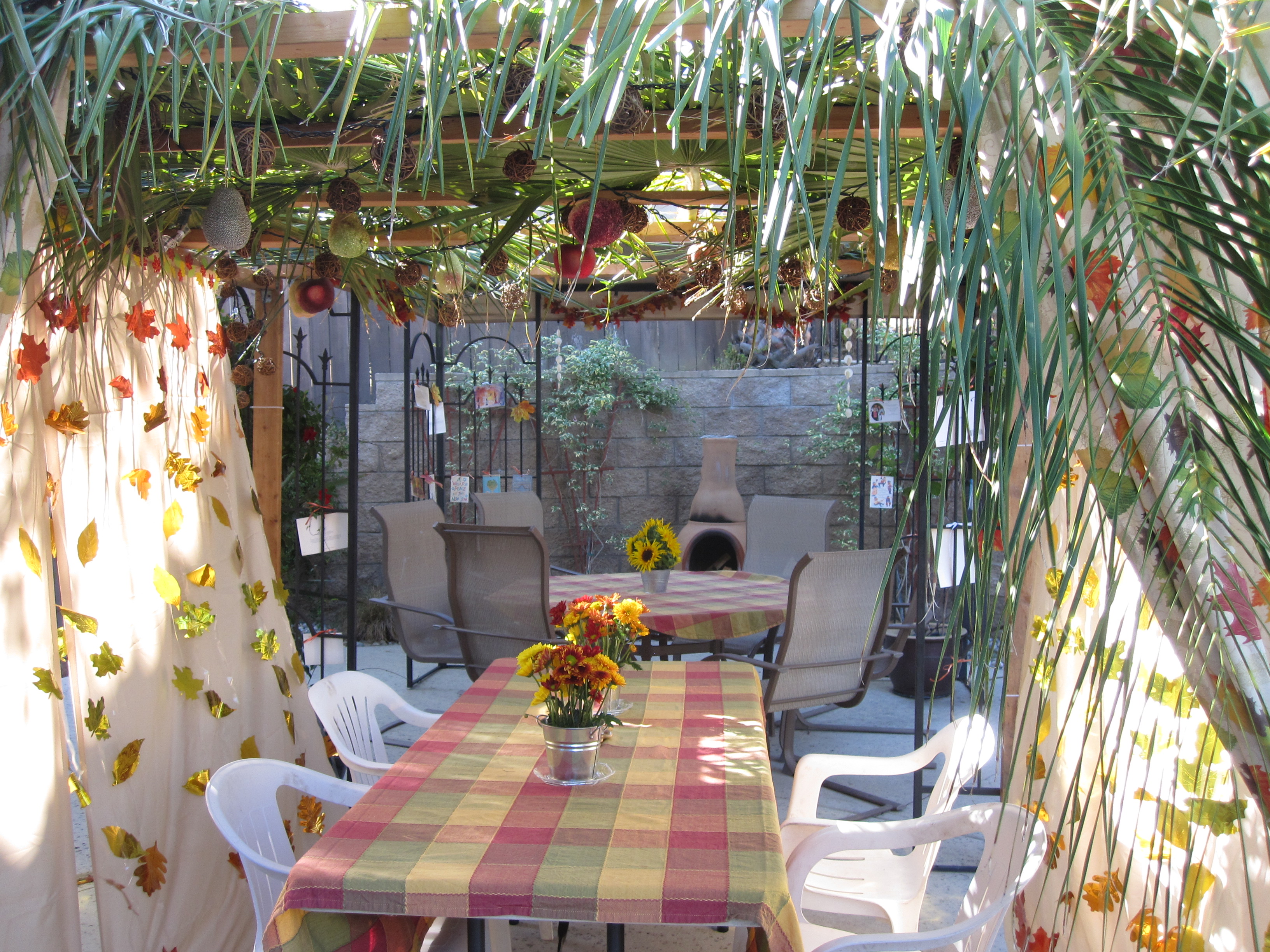
At the end of this lovely festival of connecting to nature, community, and our best selves, we celebrate Simchat Torah (Monday evening 10/1 through Tuesday 10/2), rejoicing as we finish an annual cycle of reading the entire Torah and start again “In the Beginning”. We dance with the Torahs and ensure that everyone gets an honor to the Torah. It’s a raucous Jewish holiday of merriment and true joy.

Attending Rosh Hashanah and Yom Kippur services is meaningful and important. I am not telling you not to do so. But only doing so means that you are missing out on some of the most spiritually connected moments in the Jewish calendar.
Think of it this way:
On Rosh Hashanah your Parent calls you into the study and says: “Let’s just take a look at how you’ve been behaving over the past year and make a plan for you to improve. Perhaps it will help us feel more connected.”
On Yom Kippur, your Parent calls you back into that study and says: “Okay, what have you done about showing some progress over the past 10 days?”
But on Sukkot, your Parent comes out to you in the backyard and says, “Let’s have a great celebration for a week. Let’s enjoy each other’s company and feel close to one another!”
Who would really want the disciplinarian Parent without the celebrating Parent as well?
I’ll take both! I hope you’ll join me.
Rabbi Paula Mack Drill
This is Real and You are Completely Unprepared
Every year, by the time I finish reading the name of the book by Rabbi Alan Lew z”l, I wonder if I actually need to open the cover. The title says it all: This is real and you are completely unprepared. I read Rabbi Lew’s book about the Days of Awe as spiritual transformation every August.

I dedicate myself to preparation for Rosh Hashanah during the Hebrew month of Elul, the month preceding the new year. (By preparation, I do not actually mean rabbinic preparation though I must, of course, do that too: writing sermons, finding new inspirations for the service, figuring out how to welcome all the people who come to the doors of the synagogue for services and programs.)
When I write “preparation for the New Year,” I mean Cheshbon Hanefesh, taking an accounting of my soul.
I take the work seriously every year.
This year, I take it even more seriously.
Lew writes:
“In the visible world, we live out our routine and sometimes messy lives. We have jobs, families, and houses. Our lives seem quite ordinary and undramatic. It is only beneath the surface of this world that the real and unseen drama of our lives is unfolding… only there that the horn sounds 100 times, that the gate between heaven and earth opens and the great books of life and death open as well. It is there that the court is convened, that we rehearse our own death, that the gate closes again, and that we finally come home…”

How do I prepare? How do I go below the surface of my ordinary life to do the work that Rabbi Lew so eloquently describes? I pray. I make lists of what I am proud of and what I need to improve. I apologize with full heart to anyone I might have harmed.
Most of all, I get very quiet. Only by turning off the noise of the world can I go below the surface.
This year, because of my cancer diagnosis and my chemotherapy regimen, I have less energy for this work. Yet the work that I am able to do feels more poignant and so much more real.
I am more capable of focusing on what is important. I am kinder to myself, recognizing moments where I push myself beyond reasonable effort and calling a halt to such perfectionism. Because I am tired more often, I am quiet more often. It is amazing what my soul has to say when I stop and listen.
When I greet my community this year at services for Rosh Hashanah, I intend to be shining.
I am so grateful for the strength and health that I do have.
I am blessed by wise and compassionate physicians and nurses.
I am held by family, friends and community.
I have so many plans for the future, and this forward focus fuels my healing. I am filled with creativity and spiritual energy, almost as if God is saying to me, “Have no fear. I have many more plans for you.”
For the first time in my life during the month of Elul, I am indeed not entirely unprepared.
I encourage all of you not to wait for a crisis to find yourself able to truly prepare for a new year. Feel the urgency as this year comes to a close and a bright new year awaits you.

L’Shana Tova Tikateivu. May you be written for a good new year.
Rabbi Paula Mack Drill
Doing and Being
I like schedules. I like lists. A lot. I like to fill my oversized Daytimer with schedules and lists, checking the items off as I complete them. I keep track of my phone calls, visits, classes, meetings and sermon preparation. At the end of each day, I look with satisfaction at my to-do list to measure all that I have done. I feel gratified as each day comes to a close and I imagine accomplishing, in incremental steps, my mission – the building up and support of my OJC community in the context of the Jewish world and the world-at-large.

A life of doing is a Jewish way. Just consider what the rabbis say in Ethics of the Fathers: “The day is short, the task is great…and the Master insistent!” (Pirkei Avot 2:20)
A life of doing is my way of living.
And so it was, until it wasn’t.
These months of illness have catapulted me right out of the life of doing. My calendar is empty except for doctor appointments and treatments. My to-do list includes taking a walk and making a phone call, on a good day.
What I have learned is the benefit of a life of being.
I do not mean being sick in my bed.
I mean those days when I am well enough to go out and walk in God‘s world or re-enter my OJC world filled with gratitude.
Only in a state of being can I truly appreciate the wonders of God’s world and the preciousness of our community.
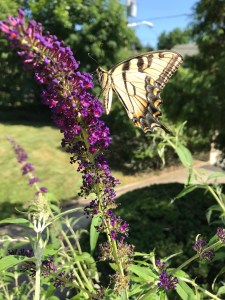
One month ago, our butterfly bush was cut down to its very roots to allow for new growth. If I were busy doing rather than being, I would have missed the first visit of a butterfly, way ahead of schedule.
My favorite tree at the end of our driveway lights up to an incandescent red at just the right moment of sunset. I would never notice if I were busy doing rather than being.
We all notice the deer in our yards, with different responses ranging from annoyance to tenderness. This spring and summer, I have gotten to know the families of deer who congregate in my yard, watching the baby fawns grow up and naming a few of them. I would never have time for deer-watching if I were busy doing rather than being.


The OJC has been a powerful partner in my treatment. When I am in the synagogue, I have no to-do list. I am simply being with people who are seeking to connect to something bigger than we are. These times lift my soul. It is such a different way to be a rabbi. It is a way of being.
Doing is most definitely a Jewish way. But being is also a Jewish way.
In a state of being, we notice enough to experience gratitude and see that our world is filled with blessings. As Rabbi Abraham Joshua Heschel said, “Our goal should be to live life in radical amazement… get up in the morning and look at the world in a way that takes nothing for granted.”
I do not want to be in a state of being only. I yearn for a return to my state of doing, a natural rhythm that suits me best. But I will carry this very important lesson with me into my healthy future. Some days, I will leave my Daytimer blank. I will spend the day just being, filling myself with spiritual amazement, ready to return to my to-do list and my schedules… another day.
Rabbi Paula Mack Drill
Gratitude for Miracles
On Israel’s Highway 40 South to Bahad Echad, the IDF Officers School, Jon and I stopped with my in-laws at Sde Boker, the burial site of David and Paula Ben Gurion.


As we looked out over the awe-inspiring desert view, I thought of David Ben Gurion’s words: In Israel, in order to be a realist, you must believe in miracles.
His words seemed to apply to me directly in that moment. Of course, he was speaking of the entire endeavor of Zionism. And I was only thinking about my own unshakable plan to be at Josh’s graduation from Officers School on June 20. Is it true? Was I in Israel thanks to a miracle?
Josh had a large cheering section at the graduation: family, friends, his host parents from kibbutz, and my cousins.


When I expressed gratitude to my cousin Elchanan for traveling so far to be with us, he said, “Is it far or is it close from Hoshaya? It just depends on the story we tell ourselves.” He is correct, of course, about the three and a half hour drive from the north to south of Israel. And he is also correct about how we all choose to live our lives.
For me, I understand this period of dealing with cancer according to the story I tell myself. It might be a horrible, unfair trial or it might be a series of many small and large kindnesses. And yes, perhaps even miracles. It just depends on the story I choose to tell myself.
From the very moment of my diagnosis, I was clear to myself and to everyone with whom I spoke that I would be at Bahad Echad on June 20. I was not missing Josh’s Siyyum Kors Katzinim (Completion of the Officers Course).
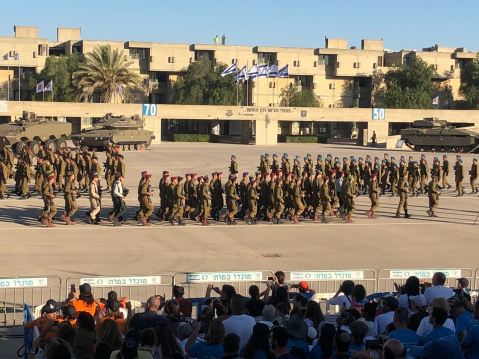
I healed from surgery faster than my surgeon thought possible, and he gave me a clearance to go after just three weeks. My oncologist started my chemotherapy early, scheduling it so that I would be as strong as possible for the trip. My healing has been supported and speeded along by the prayers and energy of family and community. And I have worked hard too, keeping a positive outlook, walking every day and trying to eat even when I did not feel like it.
Perhaps my understanding of how one experiences a miracle is best expressed in a traditional Jewish proverb: “We hope for miracles but we don’t count on them.” My intention was clear and I did everything in my power to bring it to fruition. Next, the kindness and support of others is required. But I believe with all my heart that the final essential element of a miracle is God’s will. God makes miracles happen.
זה היום עשה ה’ נגילה ונשמחה בו
Zeh hayom asah Adonai, nagilah v’nism’cha bo!
This is the day that God has made. Let us rejoice in it and be glad.
Shabbat shalom and hope to see many of you at Orangetown Jewish Center this Shabbat as Josh and his grandparents continue touring in Israel.


Counting the Omer of Illness, Loss, Gratitude and Redemption
You shall count from the eve of the second day of Pesach, when an omer of grain is to be brought as an offering, seven complete weeks. The day after the seventh week of your accounting will make fifty days. — Vayikra 23: 15 – 16
When it was time to count the first day of the Omer, I was not at a second night seder. I was not standing with family and friends, turning to the final pages of the Haggadah and reciting the blessing and counting for the first time this year. I did count the first day of the Omer, but I was prone on an emergency room bed, felled by an intense case of what turned out to be pancreatitis.
Ever the optimist, I expected the nurse to tell me I was being discharged. Instead, she told me that something had been detected on my pancreas and I was being admitted into the hospital. Day One of the Omer. A new reality began.


I have not missed counting each day of the Omer since. No carelessness, no jumping up out of bed half asleep because I had forgotten, no catching up the morning after to save the pattern in the nick of time. Blessing and counting became serious business for me this year because the days of the Omer have entirely encompassed this strange odyssey in my life. From Day One through Day Forty-Nine (which will be counted tonight) I have experienced unexpected illness, a shocking diagnosis, major surgery, the unexpected death of my brother, a limited ability to fulfill the mitzvah of shiva, learning protocols for chemotherapy, and rising up from shiva and shloshim with the onset of Shavuot.
Certainly, the coincidence of time cannot be ignored. Certainly, there was much for me to learn along the way as I counted diligently each night and wondered what the new day would bring.
The Omer beat out a consistent rhythm for me. Do not despair. Count each day. There are blessings present in every single moment.

I know that life is not easy. Faith is a challenging, ephemeral thing to hold. But despite my training in the world of yogic philosophy, I have never accepted that life is about suffering. Despite the many sorrowful experiences I have shared with cherished congregants, I believe that life is in the joy despite the sadness. And though we struggle with faith, God is always right there for us, just one request for help away.
To me, life is not a battle. Life is a precious gift and sometimes we are challenged by illness and loss to hold on to that primary Jewish belief. The Omer helped me remember each day that life is a gift.
Throughout this Omer period, God has felt entirely present to me. My son-in-law, Sagi, asked me a profound question. He wanted to know if I was acting strong and whole or if I was feeling strong and whole. I explained that the way I am behaving is because of how I feel – held by family, friends and community, and most of all, held by God. I am strong and whole.
I have found that God is present at all times. I broke down completely one of the first nights in the hospital. Rather than receive any positive results at all, I was instead receiving worse and worse news. I gave in to my fears and grief, lay in my bed weeping for all that I was going to miss. I railed against God, asking why I had to have cancer when I have so much to do, so many ways to serve God, and so many family obligations to fulfill. I asked God, “How can I do this without You?”
Just as I was drying my tears and collecting myself, my kind nurse Nadine came in to check on me. “Oh, my dear,” she comforted. “What is the matter and why are you so sad?” I told her about the diagnosis I had received that afternoon. She huffed a bit at my news, looked me straight in the eye and began to preach. “You are one of the Children of Abraham, you are God’s chosen child and God will not let you falter. Remember that God loves you and is with you. I know you have great faith. God has great faith in you.” I wish that I could remember all that Nadine told me that evening. She was speaking to me from another faith tradition but it was clear to me as I looked into her compassionate, beautiful face that she was my angel, delivering to me the answer from God for which I had just been praying.
As it turned out, the pancreatitis that was so painful (and inconvenient, happening on the first day of Pesach) was also my personal miracle. If I had not had such an acute case of the inflammation that sent “stubborn me” to the Emergency Room after a day of “waiting for it to pass,” the small, encapsulated tumor at the head of my pancreas would not have been found.
I will stand by my certainty that I was blessed by God with a miracle. I will not try to defend this belief theologically because it is indefensible. Why should I receive a miracle and not the patient in the next hospital bed? Why would a murderer potentially receive the same miracle as me if this were all part of God’s special gift to me? God is neither cancer nor oncology. I know. It is indefensible. Yet it is true for me. God granted me a miracle for which I am grateful.
I have learned also that the power of prayer and positive energy is a curative. I have read research, studied Jewish texts and taught about the power of prayer. Now, I have experienced it for myself. My healing has not been easy, but it has progressed faster than one might expect. The Circle of Psalms of congregants and friends has had a profound impact on me, reminding me that I am surrounded by love. Each evening at 7:30 when I read Psalm 121, I wonder who else is reciting a psalm. I am always buoyed by the thought of just how many have joined with me in that moment. When I told my surgeon, Dr. Langan that many people were praying for his wisdom and steady hands, he responded, “That means so much to me. I have been praying for you too.”
And then, in a startling confluence of time, on my first day home after surgery, we received the shocking news that my brother Dr. Eric Mack z”l had died in his home in California. I was unable to fully ingest the reality, manage any of the decisions that needed to be made, travel to Maine for the funeral or sit in a complete shiva. In case I had any final reservations about the need to protect myself and care for myself first through this period of time, losing Eric was a complete and final lesson in this regard. I had no choice. I had to choose life – my own life.

Eric’s greatest joy in his later years was sharing insights into the weekly Torah portion with his fellow congregants at his shul, Etz Hadar in Redlands, something that he and I would discuss almost every week. How appropriate that the shiva for my brother and my days of mourning as his sister come to a completion just as we rise up tomorrow evening, for the holiday of Shavuot, to receive the Torah at Sinai. This year, Revelation will feel especially sweet with one more student of Torah studying at God’s Table for the holiday.
I will never again take for granted the mitzvah of counting the days of the Omer. We count up to remind us to cherish every day. Despite the great trials of these seven weeks, I have indeed felt every day heightened by gratitude and blessing. The world has felt more beautiful, people have seemed kinder, and love has seemed to be present in every moment. I have felt truly held by God.

As we all step forward toward Revelation at Sinai, may we be ready to enter into relationship with God. May we be willing to serve God with our gifts and blessings. May our hearts be open to miracles and prayer and Torah. May we always be kind.
Chag sameach, Happy holiday,
Rabbi Paula Mack Drill
Why a Jewish Response to the Rohingya Crisis?
Why did we choose to spend our first Shabbat after the Passover festival joining with a nationwide commitment to Rohingya Justice Shabbat? The primary answer is: How could we not?
The lessons of Pesach are at the forefront of our minds. We were strangers in Egypt and we suffered there for four hundred years before God took us out with a strong hand and an outstretched arm. Our history of slavery comes to shake us out of complacency. We must protect those who are vulnerable because we know what suffering is.
The lessons of Yom HaShoah (Holocaust Memorial Day) are implanted in our souls. Here at the OJC we spent the 24 hours of this Memorial Day guarding six candles in our sanctuary as we have done for the past fifteen years. Our people is forever changed by the Nazis’ attempt to destroy us. The Jewish people is commanded “Zachor!” Remember! We remember to mourn, to honor and to hold on to the stories, but we also remember in order to take action.
Such is the responsibility and privilege of being Jewish. We cannot stand idly by. In our community, holiness does not mean only to attach to God. Holiness requires us to attach to humanity, to all people, created in the image of God.
On August 25, 2017, the Burmese army embarked on a massive and deadly ethnic cleansing campaign targeting the Rohingya people, setting entire villages aflame, committing sexual violence against women, and murdering civilians. Since August, more than 671,000 Rohingya people have fled their homes in the western Rakhine state of Burma and made the perilous journey to crowded refugee camps in Bangladesh, joining more than 300,000 other Rohingya people who had fled previous violence. In the camps, lack of food, water, medical care, security and mental health aid for those suffering trauma make the fate of the Rohingya the fastest growing humanitarian crisis in the world. The Rohingya refugees are now facing yet another perilous obstacle: the upcoming monsoon season, which will bring mudslides, flooding and outbreaks of waterborne diseases.


While many Rohingya refugees would like to return to their homeland, the Burmese government is preventing repatriation from occurring. For those Rohingya people still remaining in Rakhine state, violence has continued. United Nations investigators, international NGOs and press are not allowed access to those left behind in Burma. On March 6, the United States Holocaust Memorial Museum announced its decision to rescind its prestigious Elie Wiesel Award from Burmese leader (and Nobel Peace Prize recipient) Aung San Suu Kyi. In an open letter, the Museum explained that its decision to revoke her award was based on her failing to halt, or even acknowledge, the ethnic cleansing happening in her country. The Holocaust Museum’s rebuke is an important reminder that the Jewish community has a moral responsibility and a strong moral standing in the international community with which to speak out on the injustices against the Rohingya people.
Life hangs in the balance. How can we take action? First, we must overcome the impulse to be overwhelmed and stymied by the enormity of the crisis. As Ruth Messinger, founder of American Jewish World Service, has taught: “We cannot afford the luxury of being overwhelmed.”

As I urged our congregation today during Shabbat services, we can educate, advocate and assist.
First, we must become educated ourselves and then we can talk with others about this humanitarian crisis. Learn more about the Rohingya people and their plight at:
Jewish World Watch on Burma Crisis
Rohingya Justice Shabbat Resource Guide
CNN Special Report on Rohingya
Second, we can become advocates for aid to these far away people, so different from us, but created in God’s image. Go to AJWS Get Involved Activism to sign a petition to urge Congress t oppose the President’s proposed cuts to Foreign Aid and to write to your Senators thanking them or urging them to sign on to the Burma Human Rights and Freedom Act of 2017. This is an important opportunity for our nation and our elected officials to demonstrate real moral leadership on the international stage, and work toward a lasting, peaceful solution for the Rohingya people.
Finally, we can donate to the Jewish Rohingya Justice Network’s disaster relief fund. AJWS Rohingya Donation Page. This fund will provide immediate and longer-term humanitarian aid—including food and water— to refugees who have fled across the Burmese border into Bangladesh. The Network is also supporting Rohingya human rights activists in Burma in their efforts to stop military violence against the Rohingya community. 100% of this fund goes directly to American Jewish World Service aid and grantmaking in response to the Rohingya crisis.
It is difficult to face the trauma and crisis in the world around us. It is impossible for us to turn away. Every one of us can take one step today. I pray that we all do our part to create the kind of world in which we want to dwell.
Shavua tov and Hodesh tov, A good week and a good new month,
Rabbi Paula Mack Drill
What I Learned on Sabbatical, Part Three


Toward the end of an afternoon spent learning about anatomy and physiology for yoga movement, our teacher, Kari, was explaining how the shoulder girdle is a complex joint with 16,000 possible movements motored by muscles directed by Central Headquarters (the brain). The systems of the human body, which I have not really considered since ninth grade biology class, are intricate, interconnected and miraculous.
I thought that the question was only articulated in my mind, but “Who invented this stuff?” suddenly burst out of my mouth.
Kari paused for a single, comedic beat, looked right at me and answered, “God did!”
So many moments along my month-long learning journey to become a 200 hour Kripalu Yoga Teacher were just like that.


This kipa-wearing yoga student was overjoyed to find parallels and intersections between Jewish texts, ethics and ritual and the yogic way of life. I cannot wait to bring back to the Orangetown Jewish Center (tomorrow!! when I return after my three-month sabbatical) all that I have learned. I learned yoga postures, sequencing, and alignment, of course. But I also learned about a sattvic (mindful, peaceful, balanced) way of life. I studied self-care, philosophy, and experienced various schools of yoga. With my fellow students, I also experienced 36 hours of silence. No texting, no emails, no phone calls, no conversation. We Jews are a noisy, talkative people. And I am certainly emblematic of those traits! Holding silence in the safety of our yoga training had a profound impact on me.


The learning was first and foremost through my heart and into my body although there was plenty of enchantment for my mind as well.
In classical yoga philosophy, we studied the yamas and niyamas – self restraints and personal observances to guide behavior and support character development. These beautiful ideas about how to live in balance so that we do not harm ourselves or others are very similar to the Jewish system of Covenant and Commandment that has always guided my life. Studying these values, practicing them and adhering to them reminded me of the Jewish path of Mussar that I have studied with the OJC Journey Group for fifteen years now.
At Kripalu, mindful eating is an essential element of partaking in the beautiful, organic, vegetarian food in the dining hall. I have been coming to Kripalu for 30 years now and have always enjoyed pausing before my meal to say thank you. But for this past month, I experienced profound holiness in closing my eyes before eating to recite the appropriate berakha (blessing) and reciting the words of Birkat HaMazon (Grace after Meals) after each breakfast, lunch, and dinner. Some days, those moments brought tears to my eyes. I wonder how I have gone so long in my life without completely embracing this simple Jewish habit, to always be grateful for the food that nourishes us.
Down the hallway from my fourth-floor room, there is a small meditation room. It happens to face east and also south with glorious views of the woods and mountains in the distance. It was here that I lit my electric candles each Friday night and prayed. Saturdays were serendipitously our day off from training, and I began each Shabbat morning wrapped in my tallit, enwrapped in my prayers. I tried to start at exactly 9 o’clock, to connect with my home community. Entering into Shabbat while already on sabbatical felt real and true to me. During the week, my schedule was not my own. I had to be at yoga classes and in learning sessions exactly on time, complete homework assignments, and be prepared for practice teaches. But every Shabbat, the hours returned to me, truly a free person, resting and being refreshed.
At our final session before graduation, each of us spoke about the gifts of our month long training. I shared that I will always hear in my ear the voice of Cristie, our teacher, saying, “Be bold and confident. Take the seat of the teacher.”
For me, however, the transformation took place in taking the seat of the student. I learned from every single one of my co-students, from our compassionate and gentle teaching assistants, and from our yoga master teachers, Cristie and Kari. Like the great rabbis of Jewish tradition, I learned much from what they taught, but much more from how they live.
I look forward to seeing all of my congregants back at Orangetown Jewish Center in the coming weeks. I have missed you all, and a tiny glimpse of you on live-stream Purim evening was simply not enough!

With friendship,
Rabbi Paula Mack Drill
What I Learned on Sabbatical, Part Two
As I complete my final week in Israel, I had the funny thought that I should write to you in Hebrew! Then I realized that if I followed through on that idea, my modest readership would become even more modest! Therefore I have decided to stick with English and show off of with a few key Hebrew words in transliteration here and there!
I came to Israel for a month to improve my Hebrew, but kamuvan (obviously) I have gained much more than an increase in my vocabulary and a refresher course in binyanei hapoalim (structure of verb forms). The best way to express what I have learned is to describe living in the city of Tel Aviv. I mastered the secrets of traveling by bus, train, and bicycle. I was at ease when stopping by at the makolet (market) to pick up chalav v’afarsimonim (milk and persimmons). By the way, these are my favorite fruit and one can only find them here in Israel during certain months. I absolutely eat one per day.

Every day I walked through the Yarkon Park to and from my shiurim (lessons) at Tel Aviv University. I enjoyed the beautiful campus and loved the people-watching there.


I found a nearby yoga studio where I practiced several times a week, figuring out the directions in a combination of Hebrew and yoga-speak: she’ifa v’neshifa (inhalation and exhalation).
I became accustomed to grabbing a late dinner with Sarah and Sagi at one of the neighborhood cafes and greeting my chayal (soldier), Josh, when he would come home from the tzava (army) on Thursday night or Friday morning. I cheered at Sarah’s rugby matches and biked along the many city bike lanes with Josh.


One Friday I traveled with Sagi’s mother Racheli to hike in Timna on our way to Eilat for Shabbat. Speaking b’Ivrit (in Hebrew) while hiking in the desert was a great way to practice words like madhim (amazing), chavaya m’yuchedet (unique experience) and tizahari (be careful)!


And all the while, I have been working hard to improve my Hebrew. Of course, learning for 4 1/2 hours every day in an intensive Ulpan (Hebrew class) with excellent teachers is the beginning. Those of you who know me well will not be surprised to learn that I took great care with all of my homework, completed all my assignments and studied very hard for the weekly test!
But class time has not been the only path to speaking Hebrew more easily. Perhaps, it’s only the foundation for the most important way which is living in Israel and speaking Hebrew every day.
When I needed directions to the botanical gardens, asked an Ethiopian artist at the craft fair on Nachalat Benyamin about her artwork, or ordered a cafe hafuch (cappuccino), I used my Hebrew.
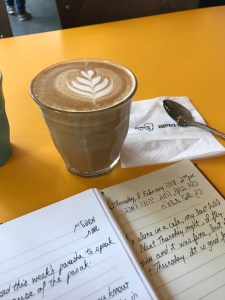
It is true that many Israelis answered me in English despite my best efforts in Hebrew, but it became kind of a joke. Even I can hear my American accent!
One young woman on her bike at a major intersection stumbled through her Hebrew to ask me how to find the entrance to the park. After I explained it to her in Hebrew, she exclaimed, “Oh thank goodness, you speak English!” and asked me to explain again! Yes, it is good to remember always to be humble!
I have found that the best way of all to learn Hebrew has been walking the streets of Tel Aviv and listening to the conversations going by. In the morning hours, students and workers rush for the bus stop, talking into their headsets or phones to their mother or whoever they are meeting later that day.
In the early afternoon, the elders are out in the park, tucked in blankets, hats and warm coats into their wheelchairs. Their aides speak kindly to them about the weather, the children playing, or the people on scooters going by.
Later in the afternoon, packs of school kids take over the sidewalks on their way home. They travel in groups of seven or eight, talking loud, with confidence and slang. I listen in to their worlds and realize that some things are the same everywhere in the world: flirting, teasing and laughing.
In the early evening, mothers or fathers pick up the little ones from gan (nursery school). Some buckle their children into bike seats in the front and on the back. Others walk home slowly, hand-in-hand, an unmistakable bargaining for ice cream before dinner ensuing.
In the evening, people walk their dogs toward the park, greeting other dog walkers and giving the dogs a pat. Always they are happy to see Nandi, Sagi and Sarah’s Hungarian Hound. “Eyzeh chamud!” (What a sweetie!) they all say. In return, I offer a polite compliment to their dog, but it is really just to practice my Hebrew! There is no dog in Tel Aviv as special as Nandi!


As I am about to transition to my third and final sabbatical month, I acknowledge the many people who have made these adventures possible. I am thankful to the president and board of trustees at our synagogue who understand the gift of time to their clergy, to my fellow rabbis for continuing all of our ongoing commitments and initiatives, and to Jon for his ongoing support. For this month, I thank Sarah and Sagi for opening their home and daily lives to me… and a special thank you to Joshie who slept on the couch each Shabbat as I had taken over his room.
Happy Purim to everyone and I will write again next month to share the experience of yoga training.
With friendship and blessings,
Rabbi Paula Mack Drill
What I Did on Sabbatical – Part One
I playfully named my three-month sabbatical “Root, Speak, Stretch” to define the way I had planned my time: visits back to my roots, speaking Hebrew in Israel, and stretching my comfort zone (and body) in yoga teacher training.
Now at the end of my first month, I have learned more about roots than I ever expected.
I begin by an admission that when I practice mindful awareness, coincidences start feeling like intentional signs. As soon as I embarked on a discovery of my roots, I took note of trees everywhere. Trees in Portland, Maine were dressed up for the holidays by artist Pandora LaCasse; trees throughout Massachusetts were dressed up after an ice storm by God .


Trees in botanic gardens in Huntsville, Alabama, West Palm Beach and Sarasota, Florida all seemed to lead me on my path. Banyan trees, the pride of Florida, signified the metaphor I had been seeking:

Roots typically remain unseen, growing solidly just under the surface. They provide nourishment, strength, and the source of everything that grows toward the light. New branches and shoots, fragile leaves, blossoms, and fruit demand attention: pruning, picking, trimming, tending. How easy it is to forget that roots also need tending.
And so I am grateful for this sabbatical pause in my full and busy life that has allowed me the calm space to learn something new. Places that represent my beginnings, people who “knew me when” – all deserve attention, all have deep truths to offer.
The idea of an obligation to nurture roots occurred to me first in the context of someone else’s place of beginnings. I spent an afternoon in Boynton Beach with Rabbi Scheff’s parents, Stan and Hannah. Almost a year ago, Hannah‘s parents, Israel and Sonia Neiman, best known as Zaidy Cha and Baba, moved into Stan and Hannah’s home. Tucked into a corner of the couch where I could hold Baba’s hand and listen to Zaidy Cha’s stories, I enjoyed a wonderful afternoon of Scheff hospitality.


What I found of significance about that afternoon is something that they all take for granted. The children of these precious elders come to spend the day, son, son-in-law, cousin and their partners, every single Sunday. I am certain that the shmoozing every Sunday includes weather updates, sports controversies and discussions of the waiting times for certain restaurants. The content of the conversations is not what matters. What matters is the very gathering itself. Zaidy and Baba are blessed by a family that acknowledges and nurtures its roots. This awareness of the value of roots came home to me in that moment and has shaped my understanding of the entire month.
I felt fully the power of my origins when I stood on the rocks of Two Lights in Cape Elizabeth, Maine. I respected the strength of memory when Jon and I drove by my childhood home, junior high and high school, and when we drove into the silent, snow-covered Jewish cemetery. At the Maine Jewish Museum (yes, there is such a place and no, it is not as small as a closet!) I looked at pictures of the old Jewish Community Center, my childhood synagogue, and Old Orchard Beach. I had discovered the roots of my roots. These kinds of roots require tending.


Sharing time with Cathy, my best friend in Maine, who has known me longer than anyone else except for my brother and cousins, reminded me of who I was as an eighteen year old. Cathy called my parents Momma and Poppa Mack. She and I lived together after college, back when I had never before written a check to pay rent. Cathy has been there for me through every major transition in my life, applauding my decision to attend Rabbinical School even though it was not in the realm of anything either of us could have dreamed of back in the summer of 1978! These kinds of roots require tending.
I traveled to Alabama and Florida to spend time with my maternal cousins. Pam, Ilene, Beth, and Wendy are my closest family members, and we share what no one else does: stories about our parents and grandparents, all gone now.


We laughed about Grandma Blanche’s afternoon tea parties and Grandpa Lou’s adventures collecting shells on Siesta Key, my Uncle Mel’s terrible jokes and my mom’s rules for making grocery lists. My cousin Pam calls me Paula Ellen, the name my grandparents called me. She is the only person who calls me that today. These kinds of roots require tending.
In between my travels, I spent time with my in-laws, Jonathan’s siblings, and friends from my Caldwell synagogue. These people too represent roots. One Shabbat in Caldwell, at Congregation Agudath Israel, Cantor Joel Caplan asked me to lead musaph. I felt the power of leading prayer before the person who taught me to lead it, in the place where I grew as a Jewish adult. These kinds of roots require tending.
As I have been sharing these experiences by phone with my brother Eric, I know that he understands completely what I am experiencing. My insights are not surprising to him. After all, he has known me longer than anyone else alive today. He knows me from before I knew myself.
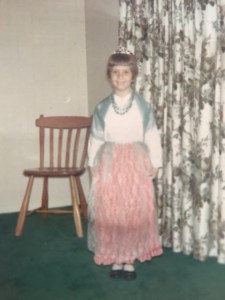
And these are the kinds of roots that truly require tending.
Who are you calling today? To whom are you sending a handwritten letter? Are you making a reservation for that flight today? We all have roots that require tending.
We are more than where we came from. But we are not all that we hope to be if we do not acknowledge, remember, and honor from where we came.
With love and friendship, and on to Month Two,
Rabbi Paula Mack Drill
 Three Rabbis Walk Into A Shul
Recent Comments