Marching Together, Alone
Most importantly, the fight against hatred, ignorance, oppression and marginalization has the potential to bring out the best in good people who share certain values. It is those shared values that enable them to overcome their other natural and nurtured differences, to march side by side, to learn from one another, to sympathize and empathize, to conquer biases and assumptions, to pursue shared goals despite approaching from different angles.
In advance of the 2017 Women’s March on Washington, organizer Vanessa Wruble, a Jewish journalist, invited Tamika Mallory and Carmen Perez (two activist women of color, for gun control and criminal justice reform, respectively) to be part of the leadership team that would organize the march. That first march, which was fueled by the response to the Election Day results, was a symbol of unity among women of all colors, the LGBTQ community, advocates of other social justice causes, and voices of progressive values in general.

In the wake of that first event, however, a rift developed within the leadership team. Mallory and Perez, along with Linda Sarsour (former executive director of the Arab American Association of New York), felt that Wruble could not be an effective leader of the march going forward given her status of white privilege and power, and that women of color would create a stronger coalition of voices from marginalized communities. At the same time, Wruble felt that she was a victim of anti-Semitism, being pushed out of the leadership because she was Jewish, and that the ties that Mallory, Perez and Sarsour had with pro-Palestinian causes, along with their connections to Louis Farrakhan, were strongly influencing the character of the coalitions they were seeking to establish.
Martin Luther King, Jr. seized upon the story of the Israelite journey from slavery to the Promised Land, which we read this weekend in synagogue, as a shared narrative between the Jewish and African American communities. He was vociferous in his support and admiration for the State of Israel. He did not marginalize the Jewish experience as one of privilege or power. “When people criticize Zionists they mean Jews, you are talking anti-Semitism,” he said, recognizing the tendency to label Israel advocates as oppressors. He saw the struggle for social and racial justice as a goal he shared with the Jewish leaders who marched at his side.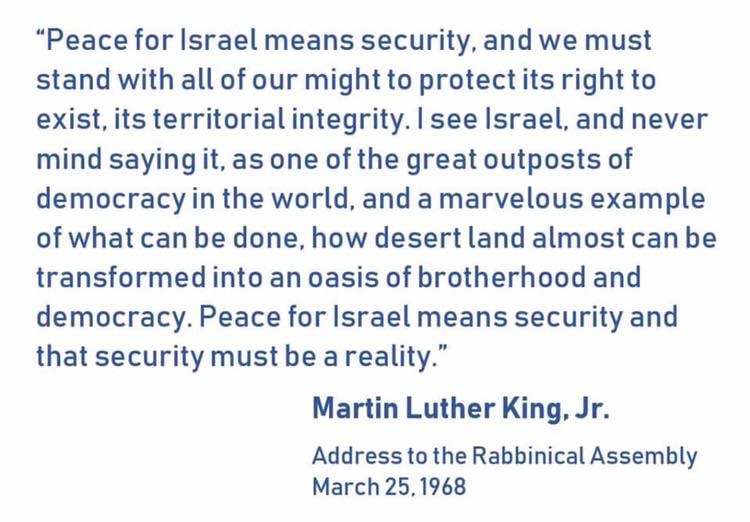
The rift within the Women’s March movement is, unfortunately, emblematic of the deteriorating state of relations between the Jewish non-Orthodox community and the larger progressive community.

As a rabbi and community leader, I have advocated for certain causes side by side and shoulder to shoulder with communal leaders who have shared my passion for those particular causes, though we may have stood opposite one another over other issues. I could overlook our differences, sometimes as admittedly with great difficulty and discomfort, for the sake of our shared goals and alliance in faith. I felt that sense of common purpose yesterday, sitting in a Nyack church, listening as pastors recited words of Torah.

There comes a point, however, where I cannot ally with those who subscribe to the opinions of haters. Holocaust deniers, conspiracy theorists and other dehumanizing anti-Semites, and those who offer a platform for their views, are beyond partnership. Marching side by side with disseminators of hate would be a denial of my identity, and an insult to those I consider my constituents and to the legacy of Dr. King, no matter the cause.
I will continue to work for change from within, to influence opinions from a place of engagement. But when social justice leaders and organizers succumb to ignorance and hate, forgetting the human dignity inherent in each of us beyond the narrow labels that may be assigned to us, I will choose to march separate and apart. And, if necessary, alone.
At the intersection of life and Torah
Please, God, not this week.
I see my daily life through the lens that Torah provides as a construct in time. The parashat hashavua (weekly Torah portion), divided into seven parts, often provides daily insights and a thematic through line for the seven days of my week. There was a time when I considered the connections of my life with Torah teachings as coincidences. But that is no longer the case. Now I look for the connections, and they are usually pretty easy to find.
But this week, I don’t want the connections to be made. This week, I don’t want the story to fit my life.
This week’s parashah, Vayechi, reads: “Vayikrevu yemei Yisrael la’mut,” “The time approached for Israel to die….” After Jacob/Israel gathers the strength to bless his grandsons Ephraim and Menasheh, he offers insights into his sons’ lives, and he dies.
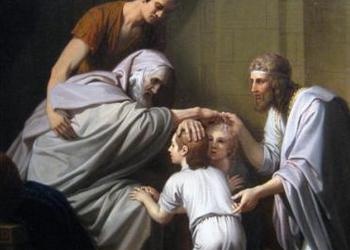
My grandfather Israel has reached the end of his years at 100, possibly the end of his months, maybe the end of his weeks. His children and grandchildren have given him their final blessings. His soul knows it has our blessings to be joined with his ancestors and loved ones, to take its leave when it so chooses.
But please God, not this week.
After all, Israel is 147 when he dies. My grandfather Israel is only 100.
Israel calls his son Joseph to his bedside, then fails to recognize Joseph’s children. My grandfather Israel saw his son Joey on Sunday, and recognized his grandchildren without a prompt.
Israel blesses his sons with the prayer that their offspring should multiply for generations to come, having lived only to see two great-grandchildren. My grandfather Israel has lived to see great-great-grandchildren, and has no such need for such prayers. His have been answered.
Israel dies in a foreign land, his descendants about to spend centuries in exile and enslavement. My grandfather Israel brought his family out of exile and enslavement to a land of freedom and prosperity.
Israel looks back on his life as difficult and frustrating, filled with challenges and suffering. My grandfather Israel considers himself the luckiest man alive, blessed with a wonderful life despite having lived through the Holocaust, illness and loss.
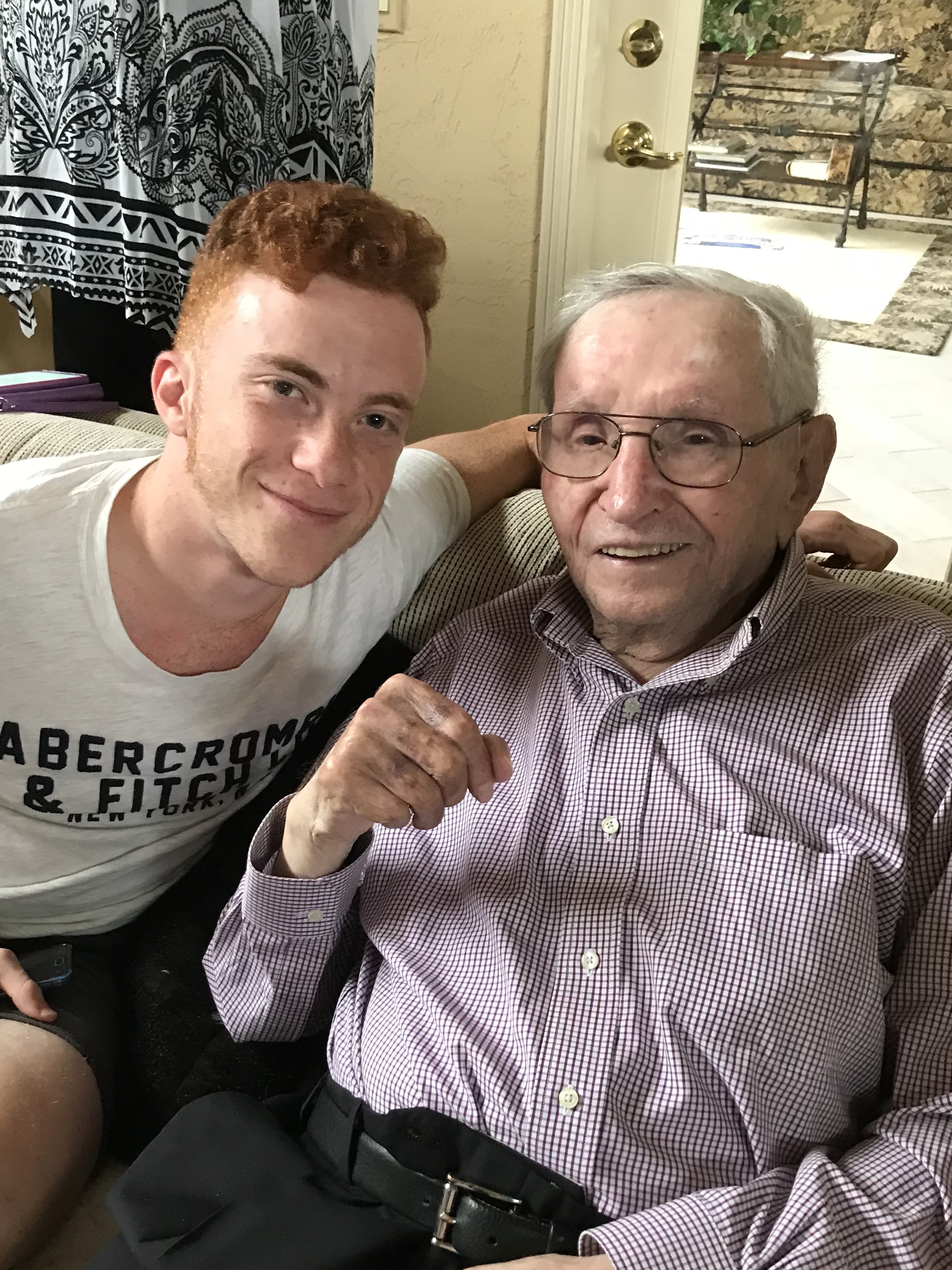
My Israel, son of Abraham has so little in common with the Torah’s Israel, son of Isaac. My Israel is a man of generosity and vision; the Torah’s Israel is a man of limited sight and spirit. My Israel is a patriarch who has been loved and respected by the generations that have followed him; the Torah’s Israel spent most of his days as Jacob, forging a twisting path through difficult relationships.
So you see, God, this week’s parashah Vayechi (“And he lived”) should stop right there as far as any connection with my grandfather Israel goes. Next week we’ll begin reading the story of Moses. As far as I’m concerned, his is a story that is a far better parallel to that of my grandfather Israel. Especially the part that we’ll read at the end of Moses’ life: “For there never arose in Israel another prophet like Moses, whom God knew face to face.”
Ken y’hi ratzon, so may it be Your will.
Rabbi Craig Scheff
The resilient child within
The nine year-old Israeli boy with the large soulful eyes stands alone on the stage, his teacher-counselor-accompanist off to the side on a stool with guitar in hand. The youth looks totally relaxed, the microphone a therapeutic pet in his hands.
The strings begin to reverberate their introduction and the child opens his mouth to sing. Time stops and the tears begin to flow from the eyes of the 18 American guests and the 12 Israeli teachers, therapists and foster parents in the audience. The children gathered as a makeshift audience put their arms atop each others’ shoulders and begin to sway side to side. The boy’s sweet voice ascends and descends like an angel on a ladder, and with it our souls soar, almost out of control with the swing of our emotions.
Knowing that the boy’s biological parents are not present, that the child has suffered emotional abuse (at the very least), that at a tender age his life is broken in so many ways, and that but for the presence of the caregivers in the room he might be totally lost, it is no surprise that the group is overcome with emotion in hearing his sweet and powerful voice. But to understand his Hebrew words is to be filled with awe, appreciation, inspiration and hope:
“Be not afraid to fall in love,
That the heart may break,
Be not afraid to lose along the way.
To get up every morning
And to go out into the world
And to try everything before it ends
To search from whence we came
And in the end always return to the beginning
To find yet more beauty in everything
And to dance until overcome
By exhaustion or love.
(Before it ends, Idan Raichel)
Resilience has been defined as the power to be able to recover readily from adversity or challenge. And it is one of those human traits that I consider to be among God’s greatest gifts.
This past week, seventeen of our community members have been in Israel witnessing the power of resilience. We have seen resilience in the ability of an abused child to sing before a crowd of peers and strangers; in the work of Yoav Apelboim, the executive director of Kfar Ahava Youth Village who sees too much suffering, yet continues to make meaningful improvements in the lives of so many; in a society that resumes school and work a day after rockets rained down on its homes; in a kibbutz that has reinvented itself to stand as a beacon of religious pluralism and an advocate for societal change in the face of extremism.

We have seen resilience in ourselves: in our ability to make the sacrifices of time and resources to do the work that takes us out of our comfort zones year after year; in our willingness to suffer the emotional toll of being inside the suffering of children; in sharing the pains of loss, memory and empathy inside our own community family.
We have seen resilience from afar, as the natural elements have wreaked havoc across the ocean, from fires on the west coast to snow on the east coast, families have abandoned homes to survive and begin anew, and individual acts of kindness and sacrifice have eased the burden of others.
There is something within the human spirit that enables us to get up every morning, to go out into the world, and to try everything before it ends. Despite the disappointment, despite the pain, despite the knowledge that we may not complete our task and that our hearts may be broken yet again. To me, there is nothing more miraculous or more divine.
Join us on Monday night, November 19 at 7:30pm, as we explore “Community preparedness and resilience in the face of threats: Lessons from Israel” with Dr. Danny Brom, Director of the Israel Psychotrauma Center. Please register at OJCcares4U@gmail.com for an evening of learning, reflection and discovery. From the scientific to the spiritual, we’ll learn a little more about what keeps us going, and what we can do to bolster that ability “to dance until overcome by exhaustion or love.”
Oh, by the way, the little boy with the angelic voice? His name happens to be Or, meaning light. And as is his name, so is he. May he always know it, and may he always be.
Shabbat shalom from Israel, and hope to see you on Mitzvah Day Sunday!
Rabbi Craig Scheff
Renewing our bonds with Israel in 5779
In the year ahead, our community will feature the many and diverse ways in which our households connect to Israel. As we celebrate her achievements, share in her anguish, advocate for her security, and invest our energies in her promise to be a light unto the nations, a spiritual home to all Jews and a voice of moral governance to the world, we welcome you to share your Israel story with our community. As we usher in 5779, we are pleased to share Rachel Sherman’s story. Thank you, Rachel, and g’mar chatimah tovah!
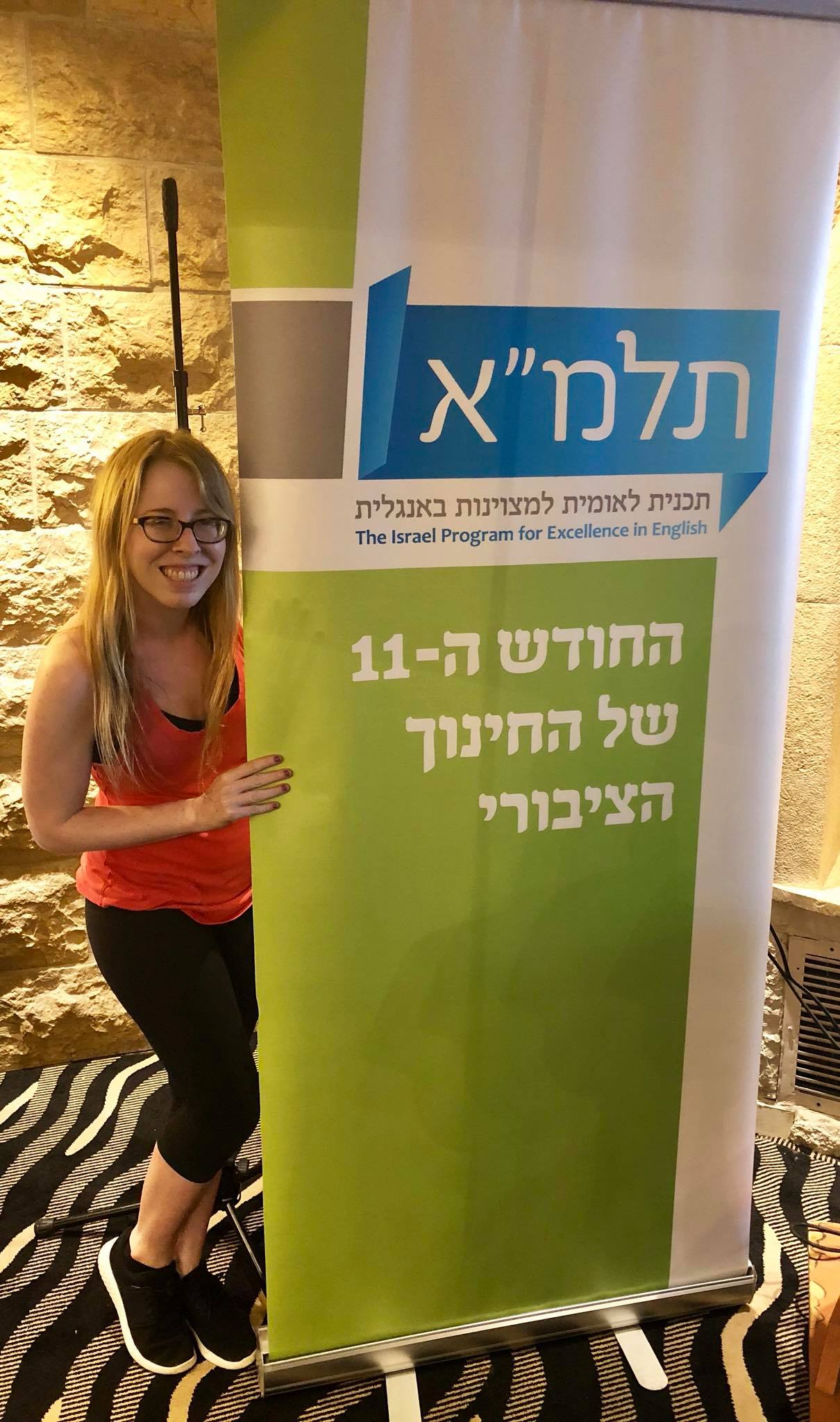
Over the summer, I participated in a month-long program called TALMA: The Israel Program for Excellence in English. The program brings educators from all over the world to teach English to children in low-income communities throughout Israel. Each non-Israeli educator is paired up with an Israeli co-teacher. As a team, the non-Israeli educator and the Israeli educator co-teach a group of around 30 children.
The 300 teachers were placed in 6 different “living locations” around Israel including Mitzpe Ramon, Ben Shemen Youth Village, Jerusalem, Ashkelon, Safed, and in the northern region of Mizra. Schools were located in the vicinity of living locations and teachers traveled by bus, carpools, or walking. The first and last weekends of the program were for the entire TALMA program, first in Shafayim near Tel Aviv and the last Shabbat in Jerusalem. The other 2 weekends we were free to travel to different parts of Israel on our own.
I was placed in the northern region of Israel and lived at the Nof Tavor Hotel next to Kibbutz Mizra. I lived there with 14 other teachers from around the US/Canada and with 4 Israeli educators/mentors from the Teach First Israel (TFI) program. The 19 of us taught in four different locations: Menashe, The Jezreel Valley, Nazareth Lllit, and Migdal Haemek.
I taught at a school called Nitznei Reut in Menashe from 8 am to 1 pm Sunday through Thursday. My school was 40 minutes away and 4 of us were in a carpool with our Israeli mentor. With my Israeli co-teacher Sivan, we taught English to 30 third grade students together. Most knew little English so we taught letters with sounds, body parts, colors, and other topics. They learned a lot including vocabulary and phrases. For example, leading up to the “Café Day”, they learned restaurant/food related vocabulary and phrases that they would use at a café. Each child created a menu and decided whether they wanted to be a waiter/waitress or a customer and they role played using English. The students did art projects, STEAM projects, family trees, sang songs, learned chants, danced, and baked challah, chocolate balls, and pizza. My school had a petting zoo and the principal brought in her poodle every day who is a mascot for the school.
Teaching in Israel was a big culture shock for me. For example, there is no such thing as recess duty and teachers did not supervise the children when they were outside. There wasn’t much discipline compared to what I’m used to in NY schools. If students did not want to do the work given, they didn’t have to do it — it was their choice!
After school, we often swam at the Kibbutz Mizra pool, went to a nearby Café Café, or took a bus to different towns nearby such as Afula, Nazareth, and Ramat Yishai.
During my two free weekends, I went to different parts of Israel. During the first weekend, we rented cars and 8 of us went to Safed, Haifa, Akko, and a winery. The other free weekend I went to Jerusalem with friends and then split up to spend Shabbat with relatives and my family’s close friends.
I had a great time and am so appreciative that I was part of the TALMA Teaching Fellowship this summer. I learned from both the Israeli teachers and other teacher friends I met from around the world. Living and teaching in Israel has deepened my connection to Israel in a different way from previous tourist experiences. I encourage other teachers to explore this opportunity!
Now is not always the right time
Ramah, the camping arm of Conservative Judaism, has occupied the headlines of the Jewish press over the last week. At issue is Ramah’s educational approach regarding Israel and Zionism. In particular, IfNotNow (INN), an organization whose stated goal is to end American support for Israel’s current policies with respect to the Palestinians, has begun training Jewish camp counselors to effect change in the Israel education of Jewish summer camps.Three months ago, a group of Ramah alumni involved with INN approached the Ramah national leadership seeking a commitment from Ramah to change its Israel education to include the Palestinian narrative. As news of INN’s camp counselor training program became public, the Ramah leadership issued a statement distancing itself from any partnership with INN and affirming its commitment to teaching Ahavat Yisrael, a love of Israel. Backlash came from both the right and the left. From one extreme, Ramah was being ordered to conduct a purge of any counselors who might express any sympathies to the Palestinian cause; from the other side, Ramah was being accused of betraying alumni who felt they had been labeled as anti-Zionist at best and anti-Semitic at worst.
Change, no matter how warranted, typically takes time in established institutions. Change requires education, building consensus, and the development of stakeholders who can model the proposed change as a natural and mission-driven extension of the institution itself. Change imposed from outside the institutional framework will, more often than not, fail, especially if it is expected to take effect immediately.
The Ramah camping movement, one of the great and long-lasting successes of Conservative Judaism and a breeding ground for ideas, leadership and best practices, is well aware of the changing landscape of the Jewish world, and in particular as it relates to Israel. Hundreds of young Israeli emissaries (shlchim) staff the Ramah camps each summer, bringing with them their many perspectives on Jewish identity, Zionism and Israel. The shlichim are not screened for their political leanings in advance of their placement. Each Ramah camp has its own board, its own professional leadership, its own unique demographic of staff, campers and families. Each camp has met the challenges of change in its own way, always sensitive to the Ramah mission, the camp’s constituent communities, and the reality that staff and campers come from a diversity of religious and educational backgrounds. To this day, the camp cultures differ in their religious and educational philosophies, even as they pursue the same mission.

The Ramah camps also face the challenge of educating students—campers and staff—who range in age from 6 to 60, many of whom live together in community. Learning takes place in formal, informal and experiential settings. The unintended curriculum is often more important than the intended curriculum, as so much of the learning occurs in the context of late-night one on one conversations. It is in the context of personal relationships that nuanced opinions are best expressed and best able to be heard. That is the true magic of Ramah.
Ramah directors across the camps, I believe, sympathize with those Ramah alumni who want to see staff and older campers engage in Israel discussions that reflect the complexity and nuance of the Israeli-Palestinian conflict. However, in light of INN’s demands for immediate and sweeping change, it should come as no surprise that the Ramah leadership felt the need to make a strong statement in response, officially distancing Ramah camps from any organizational or philosophical partnership, especially considering that INN’s platform specifically states that it does not take a position regarding the support of Israeli statehood. Critics may have cause to say that Ramah leadership’s latest statement was an attempt to appease the majority of its base and its financial supporters. Even if this were to be true, it doesn’t mean that Ramah has abandoned its dedication to pluralism and to permitting a diversity of opinions.
The world of Jewish education is still learning how to address the moral challenges of Israeli statehood and Jewish power. The Shalom Hartman Institute, as far as I am concerned, has done an excellent job of creating informative, nuanced and challenging educational materials for adults. (Check out the iEngage Israel curricula; our synagogue community has already implemented three of its courses to a positive reception.) Adapting these conversations for middle schoolers or high school students is going to take time and expertise, especially given the widely diverse ages and backgrounds of the intended students.
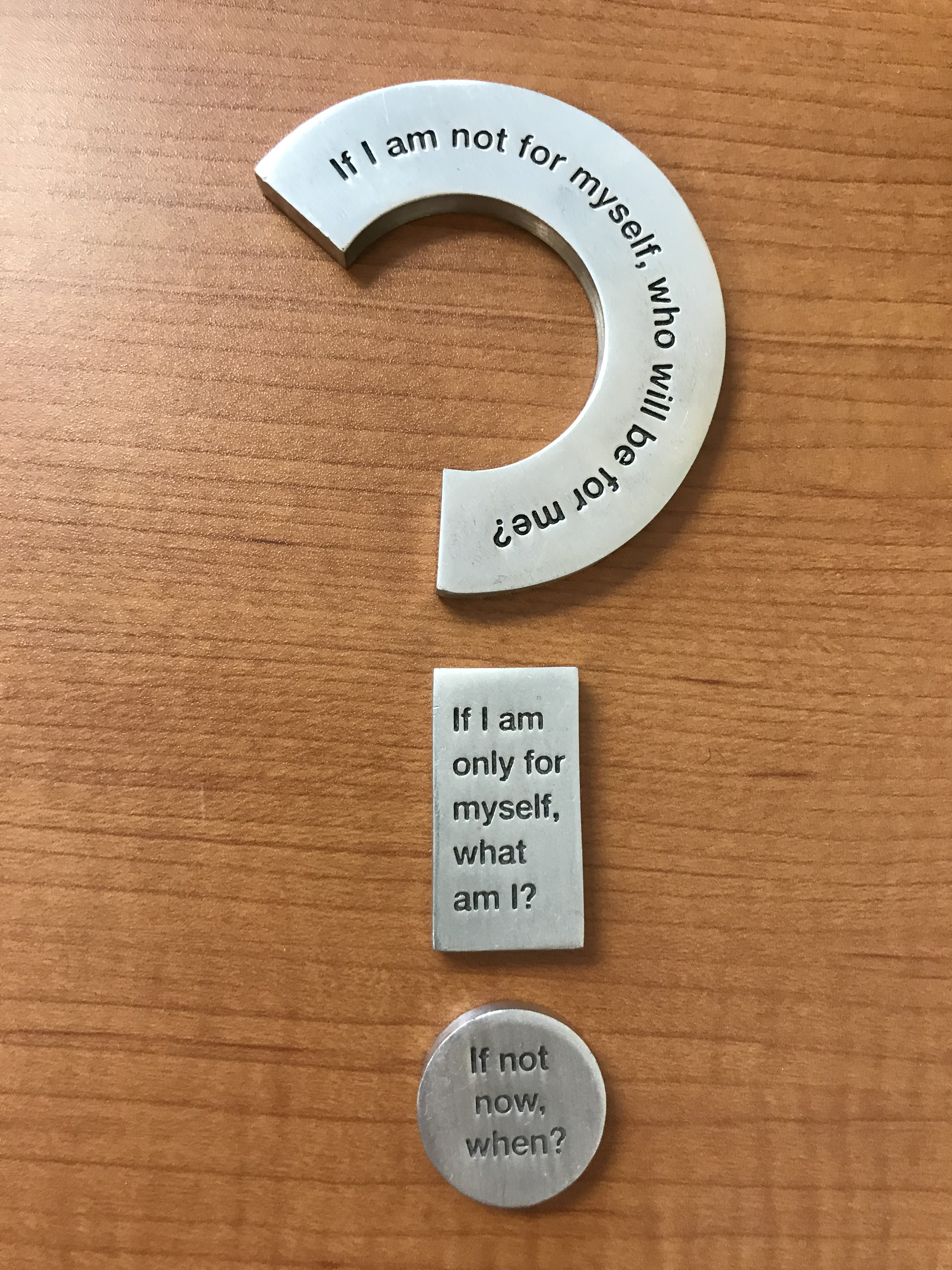
I firmly believe that now is the time to wrestle with the question of how to teach about Israel’s conflicts. But the answer to that question, especially when it comes to good Israel education, is certainly not one to be arrived at in a matter of months. Ramah camps are as good a place as any to advance this discussion—but not necessarily this summer or even next. Not if it is going to be done well, with the result producing the best informed Israel lovers and advocates for our future.
Rabbi Craig Scheff
AIPAC is opening the tent to you
The custom of kriah, or tearing or rending our garments, is a critical element of mourning in Judaism. Judaism mandates that we ritually tear our clothes, in a physical manifestation and expression of the complicated and painful feelings of frustration, sadness, and anger at the death of a close relative. Nowadays, many Jews opt to wear a black ribbon which is torn in place of clothing. Traditionally this tearing, or kriah, happens right before the start of the funeral, in a private room where the family acknowledges that God is the True Judge. And apparently, as I found out on my recent trip to Israel in December, in many communities it is also traditional to tear your clothes upon seeing the Kotel, the Western Wall.
I was in Israel on the AIPAC Leffell Fellows Seminar, a trip for rabbinical students from the major Reform, Conservative, and Orthodox rabbinical schools. The trip, which featured incredible speakers like David Horowitz of the Times of Israel, Yossi Klein Halevi of “Like Dreamers,” Dr. Einat Wilf, and Rabbi Tamar Elad-Appelbaum, was both about providing the fellows with access to a spectacular range of speakers and experiences, and the opportunity to experience Israel with and through rabbinical students of significantly different political views and religious lifestyles. Some of my peers on the trip shared my exact political and religious predilections, but more often than not, we differed significantly. Some speakers who blew me away with their perspectives and erudition bored my peers, while a few speakers who deeply frustrated me deeply inspired the rabbi-to-be sitting next to me at dinner. The experience of learning about Israel from and, more importantly, with those who do not see Israel the way I do made for a moving seminar.

One of the most powerful moments was when, in anticipation of our trip to the Kotel tunnels, a few of the Orthodox fellows asked if they could have a moment to tear kriah at the Kotel. I was dumbfounded. I understood the words, I could figure out what they meant, but I had never even heard of the custom. Though I am still just a rabbinical student, I was almost completely floored by the idea that there was a custom that I had never heard of, especially given that I’ve spent almost 3 full years of my adult life living in Israel. As we stood outside the main entrance to the Kotel, before entering either the men’s or women’s sections, so as to allow all who wanted to participate, regardless of gender, our Orthodox peers explained the custom, citing from a classical code of Jewish Law, the Mishneh Torah: “One who sees the Temple in its destruction recites the verse ‘Our holy Temple, our pride, where our fathers praised You, has been consumed by fire; And all that was dear to us is ruined’ (Isaiah 64:10) and tears their garment.” (MT, Fasts, 5:16). As they recited the verse, they tore the left side of their white shirts just below the neck, as if mourning the loss of a beloved family member, and then we went on to the next stop on our whirlwind tour.
For those Orthodox fellows, this experience was nothing new; it was routine, mundane, mandated. They simply wanted to share their observance of this obligation with us. For me, however, this was an important moment to dwell upon. How had I spent so much time living so close to the Kotel and never heard of this practice? Had my education been lacking? Did my teachers fail me? Did I fail my students by not teaching them this practice? Moreover, especially given the difficulty many Conservative Jews have in regards to the Kotel, had no one considered that this custom might be relevant and necessary for contemporary Conservative Judaism? Our tradition teaches that the Temple was destroyed because of sinat chinam, senseless hatred; and for increasingly large numbers, the Kotel Foundation’s policies against pluralism represent a modern type of sinat chinam. But instead of avoiding the Kotel altogether, as some might choose to do, we must actually look at it, recognizing that the state it is in right now is imperfect and represents the ruination of that which we hold dear. This ritual is a beautiful if painful way of engaging with our traditional values and our modern sensibilities and hoping towards something better.
While I cannot say for certain whether or not this custom will become a part of my regular practice when I go to the Kotel in the future, I know for certain that the next time I lead a trip to Israel, I will bring this custom, and the perspectives of my peers who taught it to me, with me. Even more so, I know for certain that I never would have gained this insight had it not been for the experience of attending the Leffell Fellows Seminar through AIPAC. By gathering Jews of completely different religious and political outlooks, AIPAC allowed and encouraged all of us to broaden our religious horizons, and pushed us to see Israel through the eyes of our peers. By building a wide open tent and inviting each of us in, our AIPAC experience gave each of us permission to share our perspectives, forge new connections, and hold new hopes for Israel. And that is certainly worth tearing a shirt for.
Perhaps you’ll consider an AIPAC experience. Policy Conference is March 4 through 6 in Washington, D.C. It is not too late to register. Join Rabbi Scheff and me, and experience the many diverse ways in which AIPAC is strengthening the American Jewish connection to Israel.
Jeremy Fineberg, Rabbinic Intern
2017 Mitzvah Mission – Shabbat
Friday morning in Jerusalem, our OJC track team greeted the day with a brisk 3-mile run (4 for Steve!) down and up a scenic trail through Jerusalem’s original train station and its surrounding neighborhoods. After morning tefillah and breakfast, we boarded the bus promptly (they are so good!) at 9am.

Pantry Packers, run by Colel Chabad, is a food distribution facility that packages and delivers food to the most needy citizens identified by their municipalities. Divided into 3 teams, we donned aprons and hairnets, and got to work. In an hour and a half we bagged, sealed, labeled, date-stamped and boxed 500 packages of grains for delivery to the needy. We had fun, even as we remained conscious of the sad reality that necessitates our efforts.



Our driver Nati delivered us next to the shuk in Machaneh Yehuda, where the bustling market place was teeming with shoppers prepping for Shabbat. We were individually assigned different categories of food to acquire and contribute to our Shabbat afternoon potluck lunch. Among the throngs of people, we still managed to bump into familiar faces!

After a brief afternoon breather back at the hotel, we rode to the Old City and arrived at Ezrat Yisrael, at the southern end of the Western Wall, to welcome Shabbat in song as a community. The sun dipped below the horizon behind us. While we appreciated the beauty and peace of the space we occupied, many of us felt the discomfort of being separated and hidden away from the thousands of Jews just north of us in the main plaza sharing the same words we sang. More about that on a different occasion.

The walk back to the hotel got us good and hungry! We made kiddush, attracting the warm and welcoming gestures of a group of Messianic Jews who wanted us to join them in Bim Bam and Am Yisrael Chai—interesting!!! We delighted in blessing the younger generation that had joined us for Shabbat. After dinner, our group sat in a private hall and shared highlights of the week.
Shabbat morning, we attended Moreshet Yisrael, the nearest Conservative Masorti congregation. Jeff Lance served as a greeter and gabbai, and we were warmly received with several honors to the Torah.
We sat on 7th floor terrace for hours, eating and laughing, enjoying the leisure of Shabbat, until darkness fell on Jerusalem and we recited Havdallah together. Warm goodbyes, expressions of appreciation and gratitude, and most of us were on the way to the airport.

As I descend into Newark, I already look forward to the next time in which we make the ascent together.
Shavua tov,
Rabbi Craig Scheff
2017 Mitzvah Mission day 4 – For the precious children
This morning we departed Haifa just before 9:00am. (What an amazing group! I say 9:00am on the bus, and they were loaded up, in their seats and ready to go at 8:55! Maybe they were totally pumped by Linda’s Torah reading from the Sephardic scroll?)
In any event, by 10:00am we had arrived at Beit Lid junction just outside of Netanya, meeting up there with a group of young teens from Kfar Ahava who had been rewarded with this experience for their outstanding personal and academic performances. The junction was the site of a terrorist attack on January 22, 1995, when two suicide bombers targeted a bus stop crowded by young soldiers returning to their bases early on a Sunday morning. Twenty one soldiers and one civilian were murdered that morning, with more than sixty wounded. A crude but powerful memorial was erected within days, leaves that had fallen too early representing lives that had been cut far too short.

We learned about the long process that the community undertook to establish a permanent memorial. the site, just a few hundred feet away from the location of the bombing would become a memorial and a community center. The goals of the creators and the community were to remember the tragedy, empower the living, and bring to life the stories of the victims. The impressive sculpture ultimately created was inspired by the Biblical verse that describes Jacob’s ladder with “the angels of God ascending and descending on it” (Genesis 28:12).

Twenty two figures ascend the ladder. Each victim is represented by one of the ascending figures; each family of the victims knows which figure represents its loved one. The ladder ascends to the heavens with no supports, representing the strength of the Jewish nation to support its fallen and its survivors. In completing a mosaic of a flower with the teens from Ahava, we felt empowered to create beauty, and we reaffirmed together our sense of responsibility to give life to the legacies of the fallen. One young man shared with me his feelings that, upon reaching young adulthood, he appreciated the newfound sense of responsibility to remember, to serve, and to make choices that will improve his world.
After an exciting off-road adventure that afforded us a quaint picnic lunch with the teens, it was on to Jerusalem. We arrived at Mount Scopus, Har Hatzofim, with the sunset. We cried a little (surprise!) for the sacrifices Israel demands of her children; we reflected on the hope and love that we share for a land that is far from perfect. Like our feelings for our children, though we may not always like everything she does, we still love her and believe that she represents the best possibility for getting it right. We bask in her glow even as we commit to rebuilding her atop her ruins.
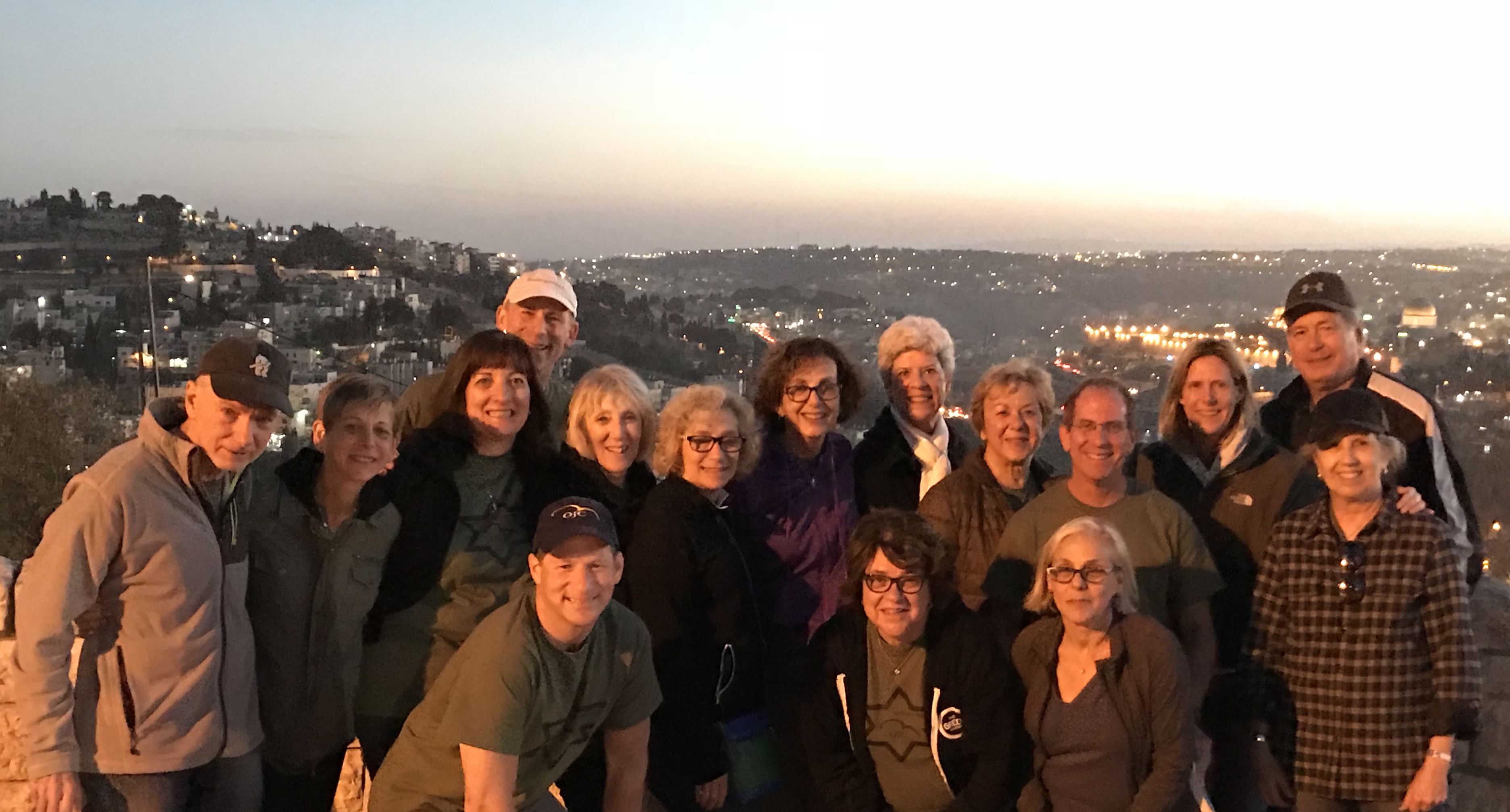
An evening of shopping and enjoying the beginning of the weekend was topped off with a visit (one planned, one purely by chance!) with two of our synagogue teens spending their year in Israel. Jessica’s and Sarah’s smiles said it all. Content, happy, innocent, care-free and learning about themselves and their Jewish identities, they represent our hope so well.

This is what every child deserves. God, they are so precious. Please God, spread your shelter of peace over them. Protect them from any harm or pain. Let the Hope be realized soon, and may Your word go out from Jerusalem to the rest of the world, so that no more of our children need be depicted as angels ascending a ladder in return to You.
Rabbi Craig Scheff
2017 Mitzvah Mission, Day 3 – Love
How does one summon love for the stranger?
At a place called Love (Ahava), the stranger offers love, creating a safe space for the vulnerable; the stranger receives love, and the reassurance that they will not always be rejected; and we are inspired to give enough love to effect a slight change for the better in our world.
My first visit to Kfar Ahava was in 2007. And even in my eleventh year I am so deeply moved and inspired by the experience. Perhaps more so because once again I got to see this remarkable and unique place through the eyes of the newcomers.
After our annual reintroduction to Ahava by Executive Director Yoav Apelboim, the group gathered in the memorial corner we created in memory of, and dedicated to, Danny Klein and Rob Katz. We remembered, cried, and blessed together. Today was Rob’s birthday, so the moment was particularly poignant. We dedicated today’s acts of love to their legacies.

Next, I gave our newcomers—Ellen, Sharon and Andre—a tour of the residential facility, the school and the emergency shelter. The bright skies, cool breezes, colorful mosaics, peaceful gardens and quiet grounds belied all the brokenness and pain that lay behind so many of the closed doors around us.

But what could not be hidden away was the love. The newcomers saw it in the way the 17-year veteran social worker talked about the children she received in the emergency shelter. Every child brought in through her doors, she explained, deserved to be love, especially considering the conditions they had suffered at home, the one place that was supposed to guarantee love.
At lunch, Amy Nelson and I witnessed an eight year-old boy trying to bond with us by insisting that his father was a professional soccer player who played in New York. He just wanted to be loved. A twelve year-old oppositional girl challenged him to stop lying, so clearly lashing out in the pain of her own brokenness. An eighteen year-old doing his year of national service at Ahava subtly shook his head in disapproval of her insensitivity, and her anger was quieted. The foster mother overseeing their care, in her first year of service, turned to us to offer that she was here to change the world for the better in some small way.

Tonight, first-timer Sharon, a stranger to Ahava, reflected to the group that the experience of Ahava stripped away her armor. With the permission to be vulnerable, she felt more authentic. And the more authentic we are, the more capable we are of giving and receiving love.

Thank you, Ahava, for inspiring us all to love even the stranger.
Rabbi Craig Scheff
OJC Hazak Adventure – Post IV


Of course, the hour and a half we spent putting pasta into sealed and labeled packages was much more than fun. We thought about what it means to provide food for parents of hungry children, survivors of the Shoah, or people who are mentally ill. Rabbi Menachem Traxler, Director of Pantry Packers, challenged us: “Do you know what it means to be hungry? Really. Truly. Hungry?” We were proud to begin our day by providing help with dignity. You can help at: https://pantrypackers.org/.
Next we drove to Gush Etzion to hear first-hand about the courageous work of Shorashim (Roots), a program of dialogue, understanding and bridge building between Palestinians and Jewish settlers in the West Bank.
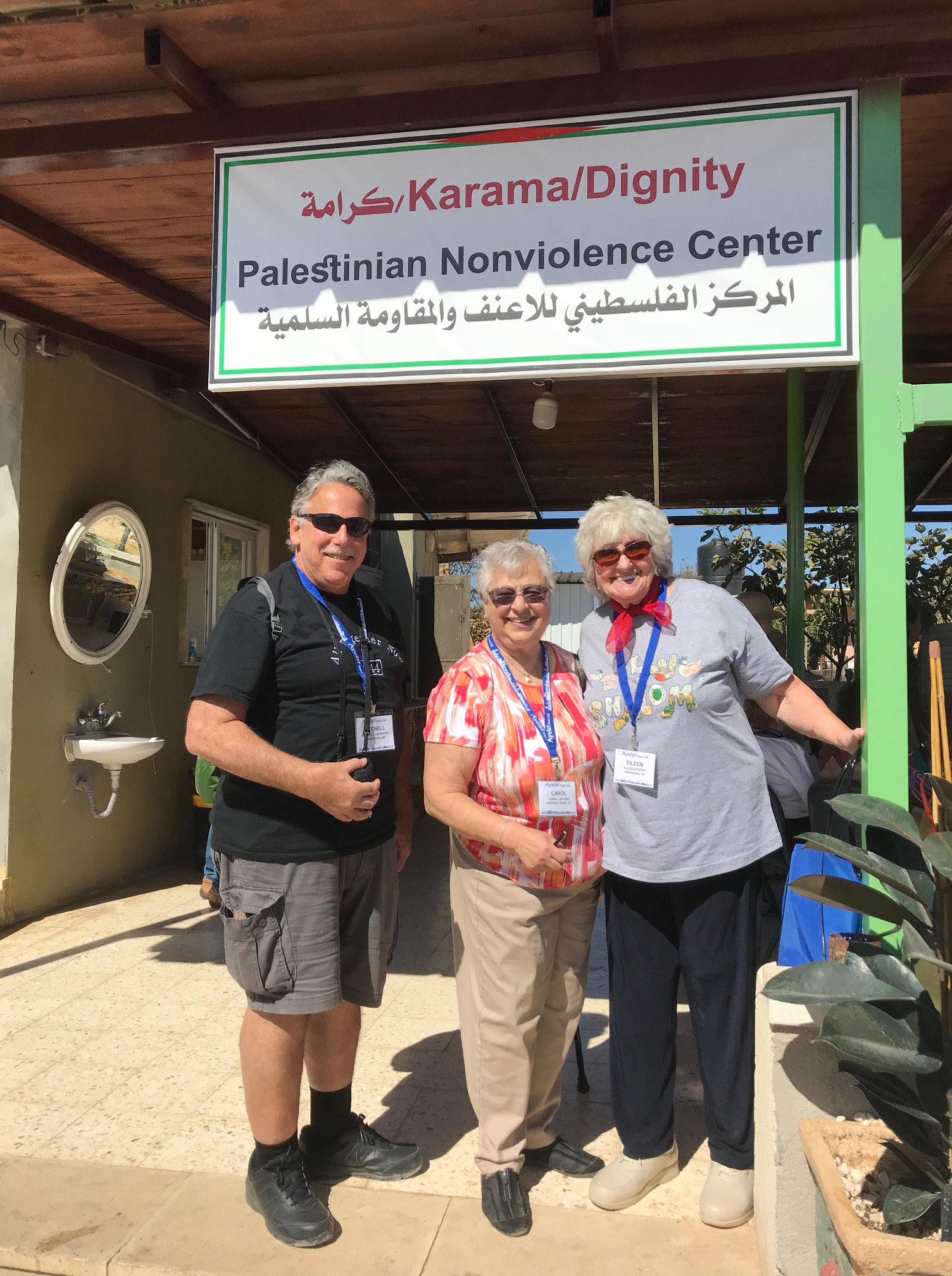
We were enlightened and inspired by our conversation with Shaul Yudelman and a Palestinian partner, Noor.
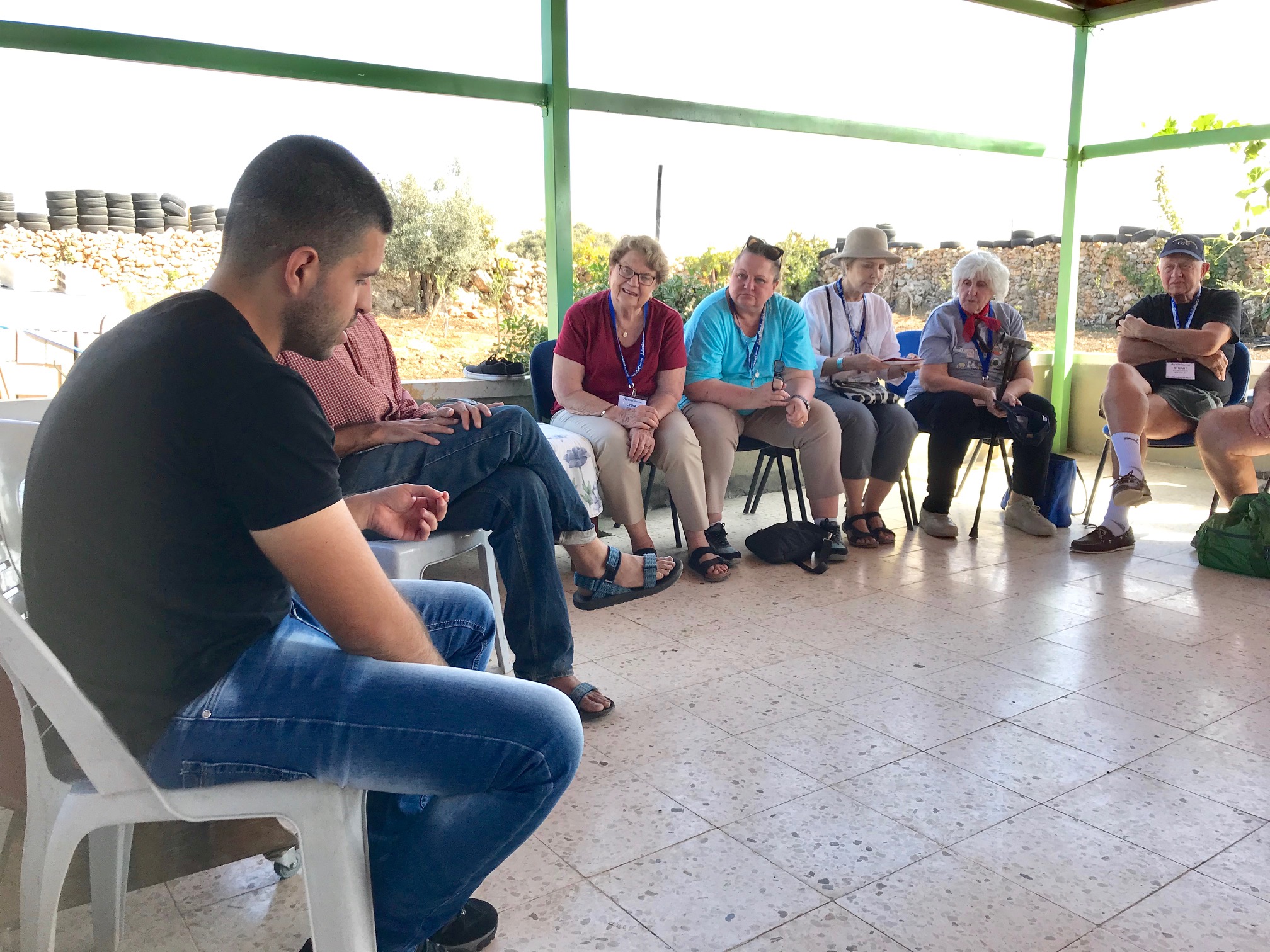
The story we heard was one of “us versus them,” an existential conflict, and a deep sense of fear that is common to both sides. According to Noor and Shaul, participants in Roots have enough courage to meet each other and take responsibility for their stories. As Shaul said, “We must come to see that we belong to the same land.
Before we left, I asked Noor to offer a poem or prayer for peace before we sang Oseh Shalom. In English and Arabic, he quoted “Think of Others” by Mahmoud Darwish:
As you prepare your breakfast, think of others
(do not forget the pigeon’s food).
As you conduct your wars, think of others
(do not forget those who seek peace)…
As you think of others far away, think of yourself
(say: “If only I were a candle in the dark”).

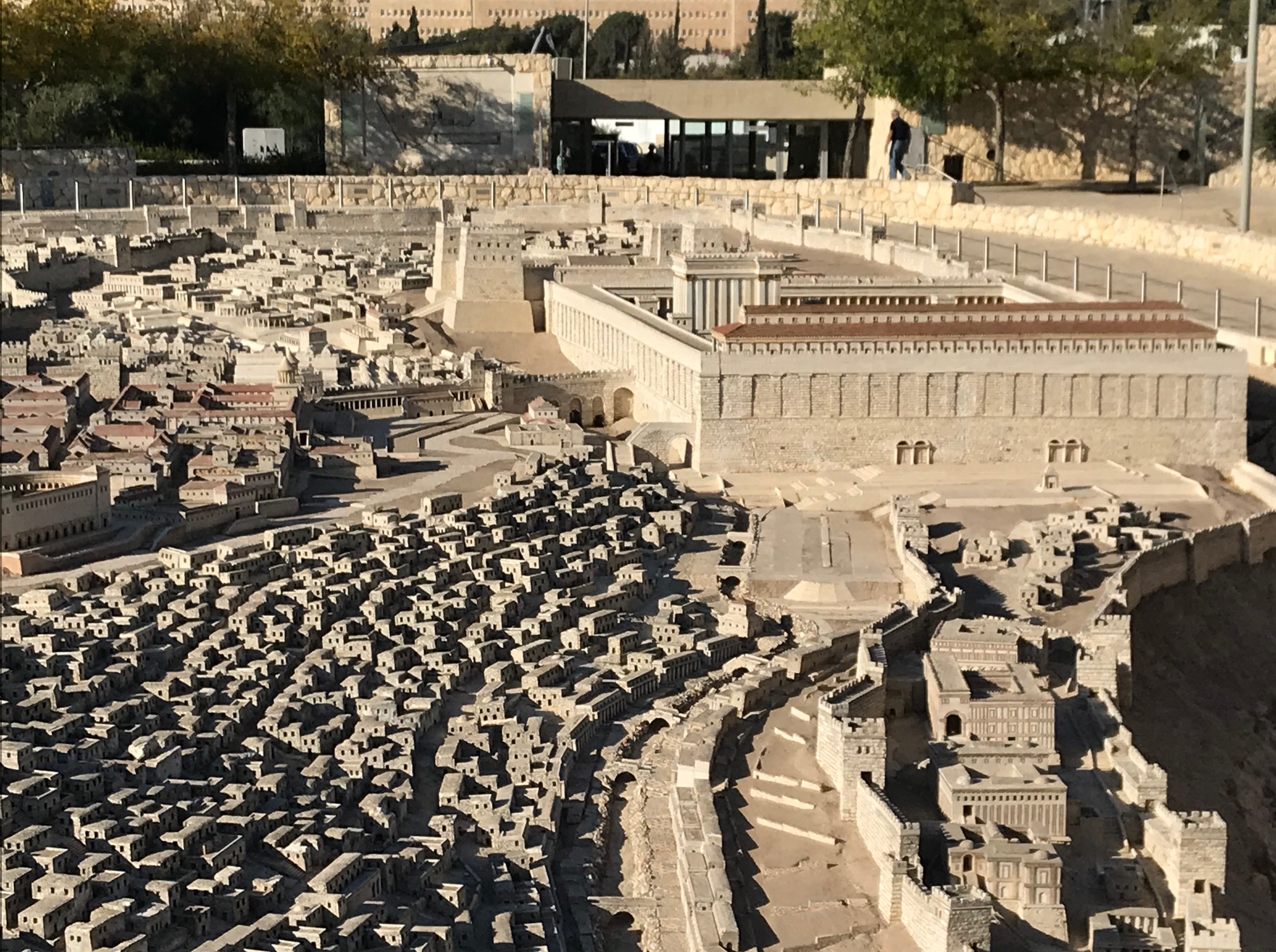

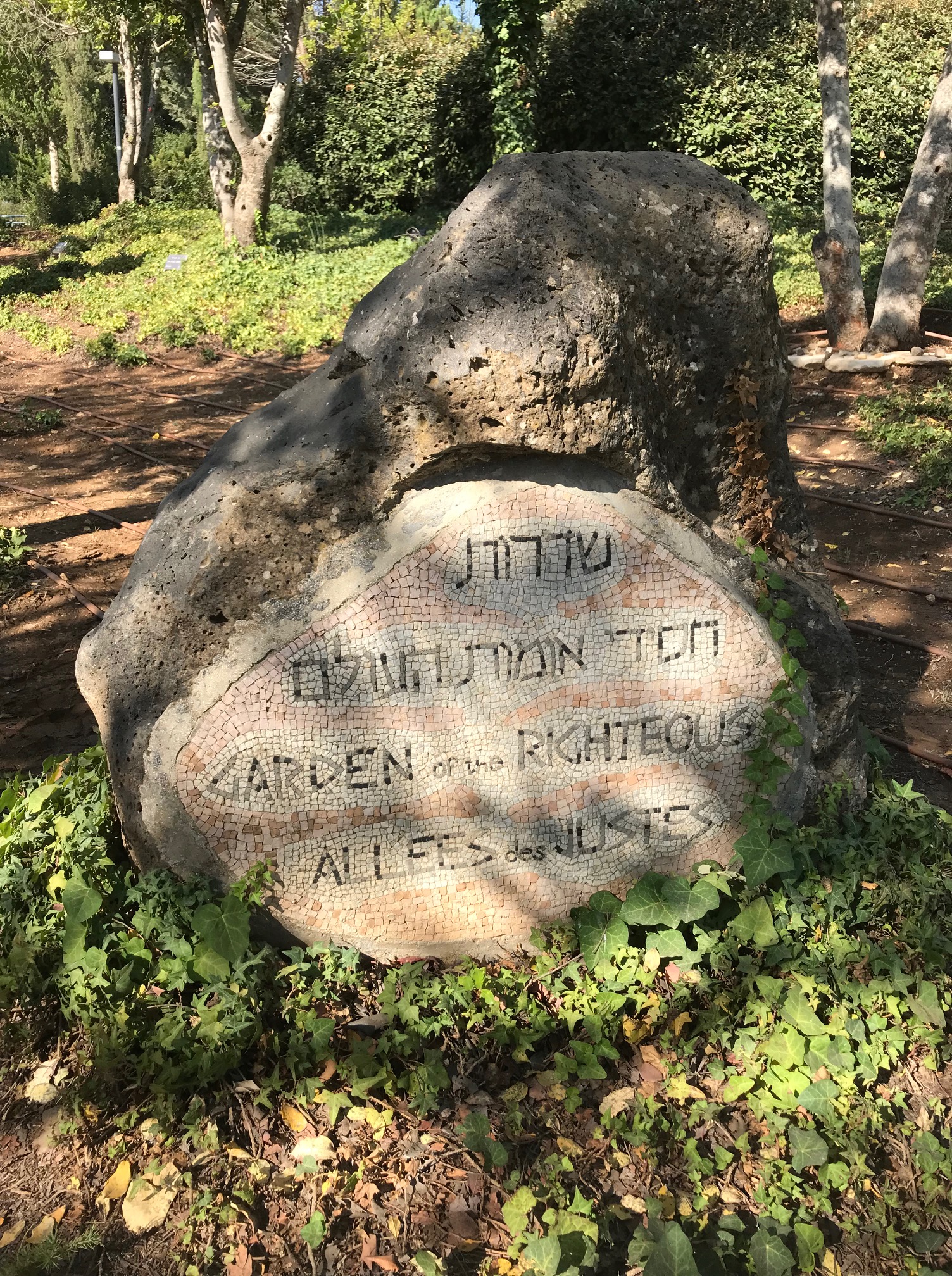
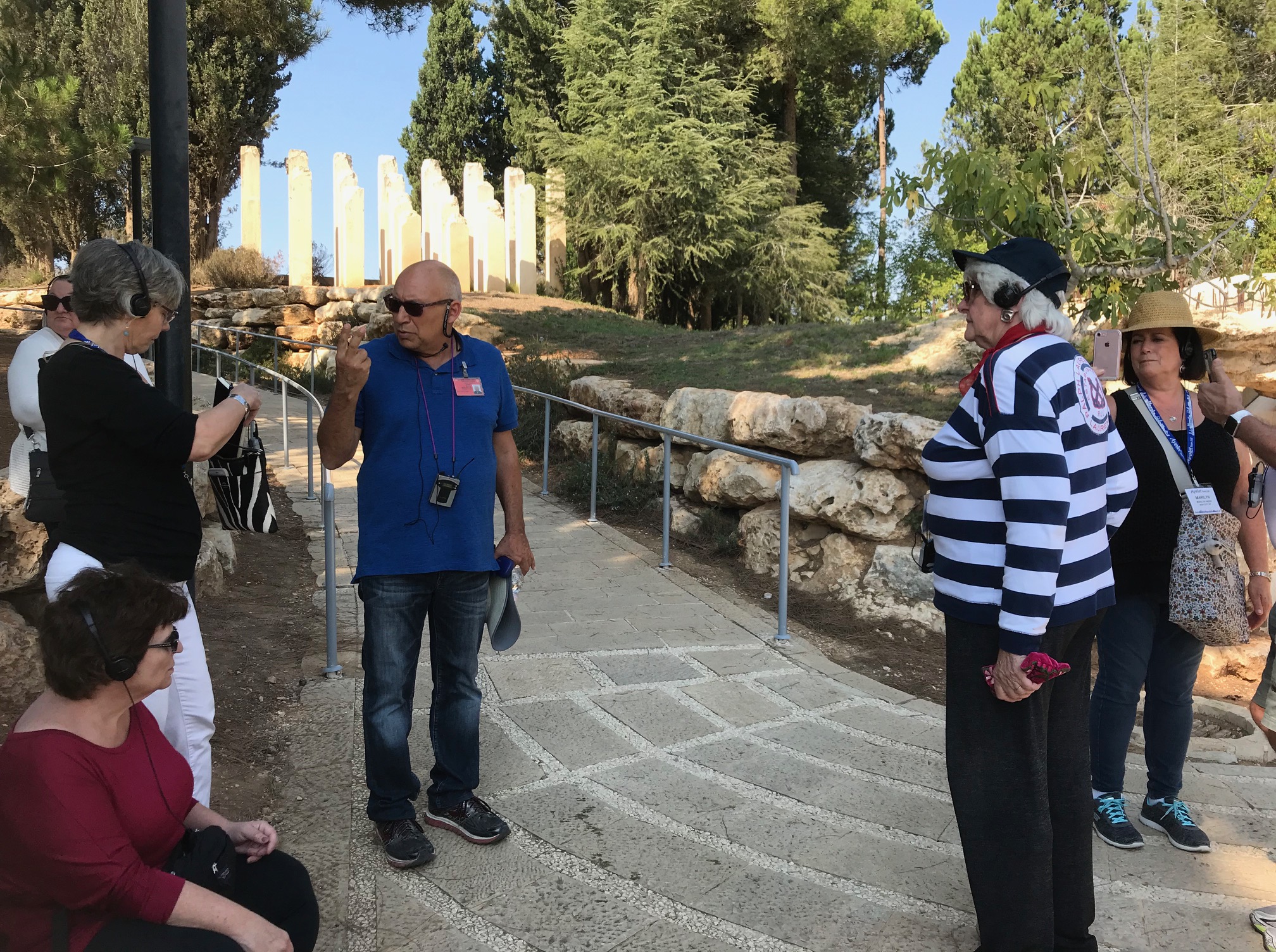
Today, Wednesday, began with a visit to Yad Vashem, a visit I consider to be a moral obligation on every trip to Jerusalem.
Our final tour experience was an exhilarating visit to Hadassah Hospital where we were honored by Barbara Goldstein, Deputy Executive Director of Hadassah Offices in Israel, who gave us a complete explanation of the Chagall windows in the hospital synagogue.
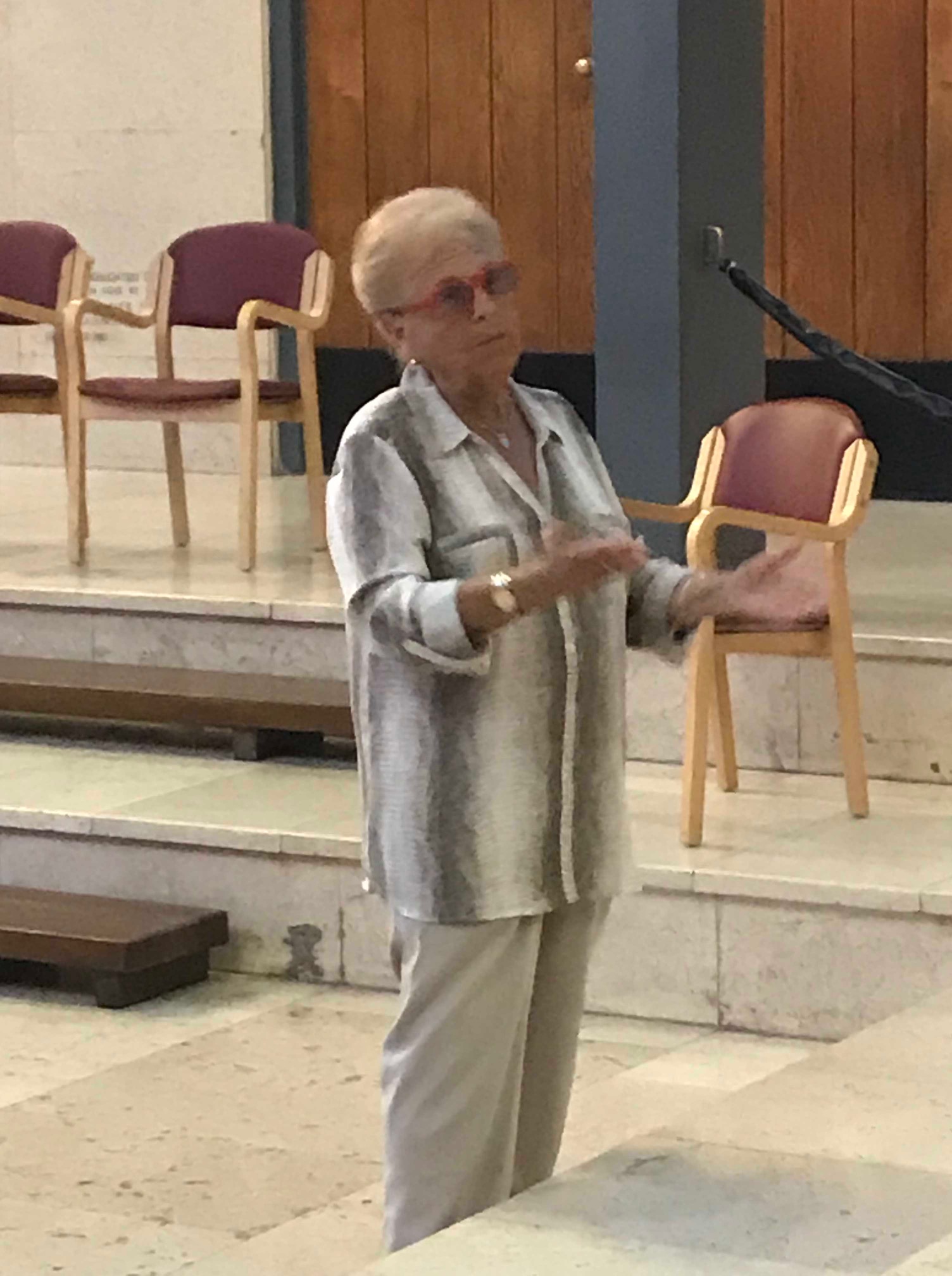
She shared a lovely story about Mark Chagall‘s response when asked if he would create windows for the hospital. He said, “Thank you. I have been waiting to be asked.” What did he mean? He said, “I have been waiting to serve the Jewish people.” Barbara challenged all of us, “How have you served the Jewish People today?”

We were inspired to hear from Dvir Musai, a young man who owes his life to Haddassah Hospital. In 2002, doctors at the hospital saved three young boys, one of whom was Dvir, who were the victims of a terrorist bomb while on a school trip.

Dvir told us, “I imagine that my surgeon must have thought to himself that a 13 year old boy is too young to lose his legs.” Against all odds, and 30 surgeries later, Dvir is the father of two boys and an employee of Hadassah Hospital. He was given back his life in the trauma unit and given two new lives in the Mother and Child Pavilion. There was not a dry eye when Rhoda Friedman gave to Dvir infant caps she had crocheted for newborns at the hospital.
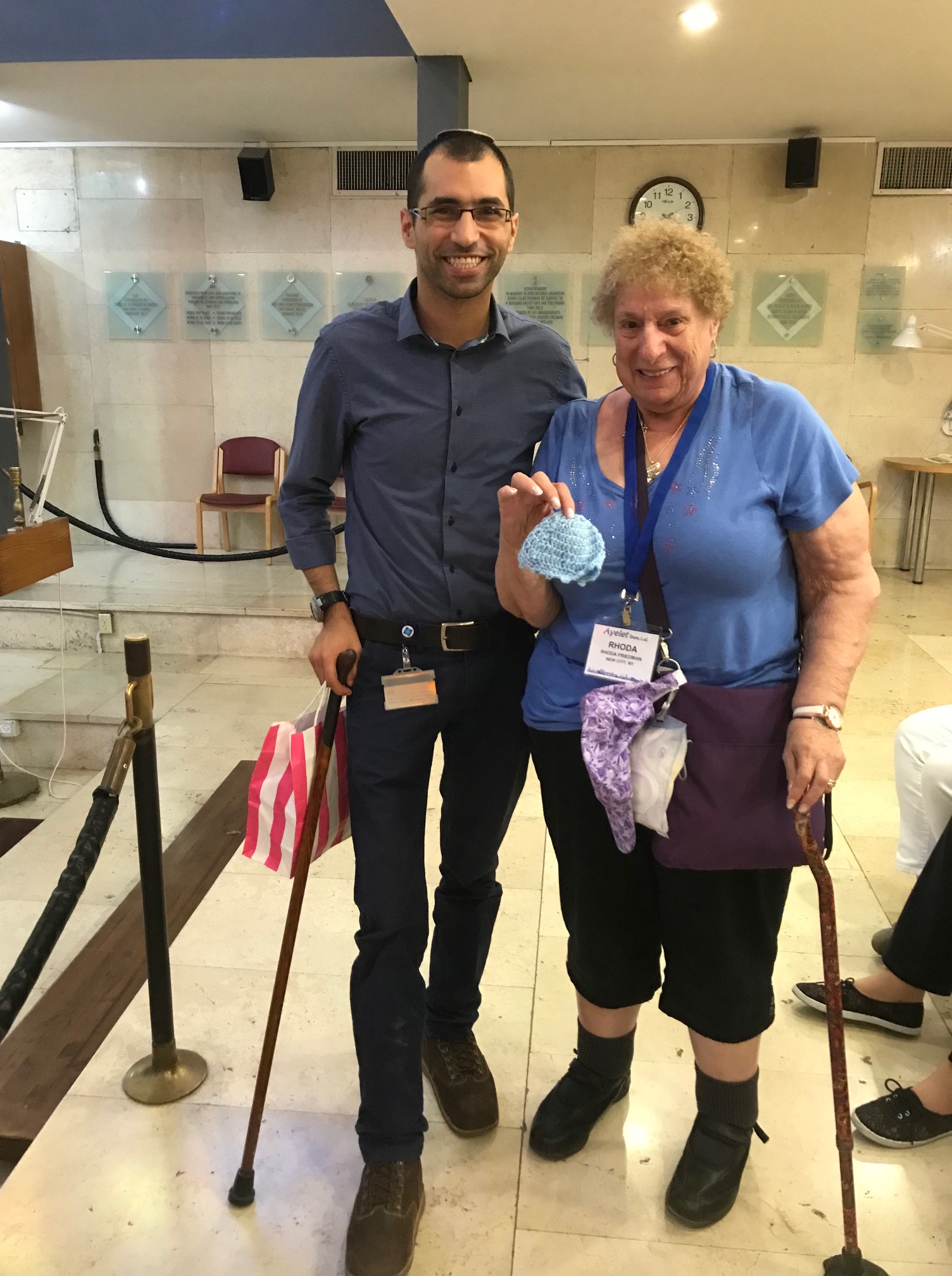

As I write this from Sarah and Sagi’s apartment, most of the travelers are getting ready to board the flight home, filled with memories to last a lifetime. I will be home soon too, after a celebration of the wedding of Sagi‘s brother Roi to Lera and a Shabbat with my kids here in Tel Aviv.
Maybe next time you will be the one to travel to Israel with an OJC trip?!
Warmest regards from Israel,
 Three Rabbis Walk Into A Shul
Recent Comments