Time to reflect
As we reach the end of another academic year, I wanted to share with you the words of Rafi Josselson, a high school senior at The Leffell School who spent the last nine weeks of his academic year interning with me here at the synagogue. As I have shared with his school administration, Rafi has surpassed all our expectations. His work ethic and product have matched that of so many of our previous rabbinic interns, many of whom were at least a decade older in years and in academic pursuit. We have learned from Rafi. His youth was no impediment to his wisdom, his charm and his contributions. I am happy to be re-starting this blog after a year’s hiatus with Rafi’s words, and I look forward to welcoming Rabbi Claire Shoyer as a contributor. Thank you, Rafi. We wish you the very best in all your pursuits!
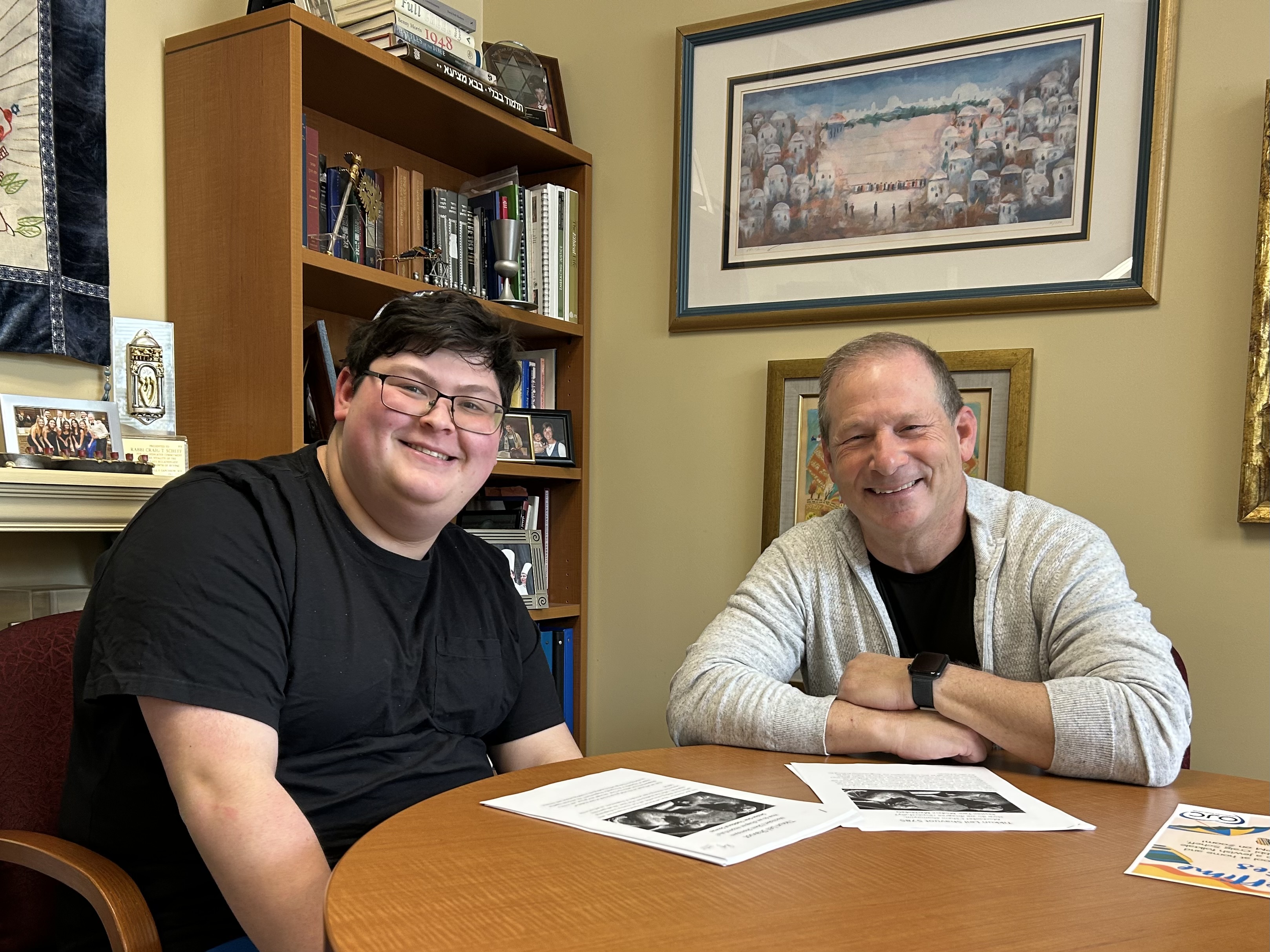
Dear OJC,
Thank you all for allowing me to serve as your synagogue intern this spring. It’s been one of the best experiences of my life. I’ve grown professionally and personally throughout this experience. This wasn’t a difficult transition. Since this is my synagogue, I was already heavily involved. And so, unlike my peers who interned for six weeks, I have been interning for about nine weeks.
Like you, I am a congregant. But, for these nine weeks, I stepped “behind the curtain” to see the work that happens behind the scenes. Our hours are inconsistent. I have had nights when I am working until 9 or 10:30. There are days when I have gone into the city, to a funeral, or to someone’s house to sit shiva with them. My internship wasn’t just about doing stuff; most of my time was spent showing up.
I focused a tremendous amount of my time refining my leyning and oration skills. I have delivered four sermons to the congregation. I am proud of each one of them, but I have worked hard to get better at my delivery, pacing, and length. I hope you’ve noticed my growth in that area. I’ve also worked tirelessly on improving my leyning. I have read Torah or Haftarah almost every Shabbat, and I pushed myself to learn something new: Megillat Ruth.
I had the opportunity to interact with our youth through Kulanu. Being a day school student, my interaction with Kulanu in the past was limited. During this internship, I was very involved with our B’nai Yisrael (3rd-5th Grade) class. The work and energy that is expended for our children’s education is magical. It was a pleasure to work alongside Rabbi Kniaz in her final weeks with our Kulanu students. My experience was enhanced by our teachers, our Kulanu Assistant Ms. Maudeena Jones, and our students, all of whom are critical parts of the educational experience. I was so proud of our B’nai Yisrael students when, for their final project, they compiled a new book of the Tanakh to transmit to future generations. They joyously presented it to Rabbi Kniaz at their moving-up ceremony.
I’ve also noticed, as many of you have, that we as a synagogue are moving into a new stage. Even though she technically starts in July, I can assure you that Rabbi Shoyer and the rest of the OJC team are already busy planning engaging programming for next year. I also got to attend her JTS ordination. Rabbi Shoyer has worked so hard to get to this moment. She has spent five years in rabbinical school, including hundreds of hours in internships. But, as I have heard from so many rabbis before, you don’t learn how to be a rabbi until you are a rabbi. Therefore, as Rabbi Shoyer continues to grow and learn, I ask you: please give her time and space to grow into the rabbi she is meant to be.
Speaking of rabbis’ experiences, throughout the internship, I interviewed 14 rabbis to get a sense of their experiences, careers, and reflections on the title of “Rabbi”. I interviewed both Rabbi Scheff and Rabbi Drill for this project, and I interviewed two of our previous Rabbinic Interns, Rabbi Jesse Nagelberg and Rabbi Ben Varon. These people are the gold standard of what rabbis should be: caring, empathetic, dedicated, and involved. I am glad I had the chance to talk to them, and the OJC is lucky to have been led by them. You can read my takeaways from my interview project here.
To conclude, I want to share why I did this internship. First, I wanted to gain an understanding of the field of rabbinic work. But secondly, I wanted to give back to you, the OJC, which I believe is one of the most magical places on Earth. We aren’t perfect. And we have a lot more ahead of us. But I am confident that, together, we’ll keep OJC a welcoming, safe, and inclusive home for everybody.
Rafi
The Blessing of Hope
Last night at the OJC, I offered the following words about the great blessing of hope to my community at our annual congregational meeting. I print them here for anyone who was not there or would like to think about the words once again. Whether or not you are an OJC congregant, I hope that my words shed a small light into this dark time in which we find ourselves. B’yedidut, with friendship, Rabbi Paula Mack Drill

Erev tov. I am aware of the profundity of this moment as I offer Torah for the last time at a congregational meeting as your rabbi. I am rejoicing as I stand here with you, knowing you all and caring so deeply about each one of you. And I am sad because soon I’ll be stepping away from the role as your rabbi to begin Act 3. Blessings and curses. Every moment of life includes both: berakha v’toch’ha, plentiful harvest vs. famine, freedom vs. enslavement – in the concrete understanding as well as spiritual. As our Torah portion this week, Parashat Behukotai, says over and over: im v’im. If, but if.
If we have built something beautiful here together for decades, then God will establish God’s abode in our midst, but if we do not observe and live according to our mission and purpose, then God will… Well, I don’t want to be melodramatic. We are not the Israelites in the desert facing God’s furious curses to “break our proud glory.” Still the point remains: Blessings and curses are made of choices that are squarely in our hands.
As we consider Behukotai, we are taught about the power of faith, the blessings that come from walking in God’s ways, and the profound potential each one of us holds to shape our future with positivity and purpose. In our context tonight, it is even more. We are reminded of the power of faith that radiates from a healthy, aspiring, optimistic synagogue. We know that as a congregation, we learn every day to walk in God’s ways – to connect, create relationship, care for our vulnerable, rejoice in our moments of triumph. And most importantly, to embrace our potential, the potential of each one of us, to shape the future of OJC with positivity and purpose.
Parasha Behukotai begins with a simple yet powerful promise: “If you walk in My ways and keep My commandments and perform them, then I will give you rain in its season, the land will yield its produce, and the trees of the field shall yield their fruit.” This is not just a promise of physical sustenance but by extension, a promise of the spiritual and communal abundance that flows from living lives aligned with our highest values and teachings.
In a world that often feels uncertain and tumultuous, these words offer us a beacon of hope. They remind us that by staying true to our principles, by nurturing our relationships, and by supporting one another, we can continue to create a community that thrives against all odds, that will be a beacon to others, that will stand the test of time. The rains will come, the land will produce, and the trees will bear fruit—not just in the agricultural sense, but in the flourishing of our families and our community.
Im v’im. If, but if. If we take a moment to appreciate the blessings we already have, we can be filled with gratitude and pride. If our community will be strong and vibrant, the individuals who are its heartbeat must contribute their talents, kindness, and energy. If we are surrounded by friends who support us, by leaders who guide us, and by opportunities to make a difference in the world, we will be the best OJC we can be. But if, if we become disengaged, if we stay away, if we show cynicism, if we give up hope, our OJC will not be the place we dream it to be.
So tonight, I encourage all of us to look forward with optimism. Just as the Torah promises rewards for our dedication and hard work, we too can anticipate the fruits of our collective efforts. Step up. Do the work quietly. Give generously. And most of all, remember to acknowledge each other with heartfelt gratitude. Every act of kindness, every lesson taught, every moment of shared joy, every welcome to the kiddush table, every voice lifted to sing Eitz Chaim strengthens the fabric of our community. Together, we can overcome challenges, celebrate our successes, and build a future filled with hope and promise.
May we always see the blessings in our lives, may we cultivate gratitude and joy, and may we walk forward with faith, knowing that together, we can create a world that reflects the beauty, kindness, and divine promise of Torah.
May our work here tonight mark a new beginning with a unique path forward. May OJC be blessed with the knowledge that we are a sacred community that serves not only our congregants but also those in the greater community. We serve not only today but the Jewish future. May we know prosperity and may the anthem of our people also be our anthem: HaTikvah.
Seven days to home
I “left home” almost 3 months ago.
I can count on my 2 hands the number of days I’ve slept in my own bed since December 1, when I started my sabbatical. Family guest rooms, hotel rooms and ship cabins are where I’ve laid my head to pillow. Remarkably, I’ve slept fairly well!

I do not take for granted the multiple blessings I enjoy in the luxury of this experience: a long-standing and mutually beneficial relationship with a synagogue; a community that cares for the physical and mental wellbeing of its clergy; the financial resources and good health to enjoy a series of getaways and revitalizing experiences; colleagues and laypeople who are able to support our shul in my absence; a family that can accommodate my needs.

Perhaps the greatest blessing of all is the feeling I have now, with seven days to go, the feeling of looking forward to coming home.
In these past weeks, I’ve experienced cultures and vistas very different from my own surroundings. I’ve explored and deepened family relationships. I’ve even imposed upon myself periods of solitude in my efforts to understand better my relationships with myself, others and God.

As I reach the end of this life detour, I feel my chosen paths have been validated and reaffirmed. The values and lessons I’ve tried to live by and teach have guided me on a fulfilling and meaningful life journey. Along the way, I’ve been blessed to connect with so many people who have chosen to share the journey with me. And best of all, I am reminded that all roads lead back to community: to a shared sense of responsibility, purpose and destiny.
And I didn’t even have to stop for directions!
I’m ready and excited to continue our shared work. May we pave the way to a life of learning, service and kindness together.

Shabbat shalom,
Rabbi Craig Scheff
Being Here, Being There
In the middle of teaching my Kulanu class last week, I was stopped in my tracks by one of my sixth graders who looked up at me and asked, “How can you leave us, Rabbi Drill, when you say that we are your favorite sixth grade ever?” How can I leave indeed? OJC is my spiritual home, my workplace of more than two decades, one of the happiest places for me to be. (Spoiler alert: I have told every sixth grade for the past 23 years that they are my favorite class ever.)
As you know, I announced in November 2022 my decision to retire from full-time pulpit work this coming June 2024. Every day since that announcement has been an opportunity to process what it will mean to leave this beloved community, and to be completely present to the gifts and joys of my work as your rabbi. It has been a time for us to share loving words about what we mean to each other in the context of this community.
Retiring from the full-time work at OJC will mean that I can spend more time with our ever expanding family, and be a very present Bubbe to grandchildren.
From the beginning, I have said that while I am retiring from being a full-time rabbi, I am not yet done “rabbi-ing.” To prepare for “Act Three”, I met with wise colleagues and mentors at the Rabbinical Assembly and spent six months working with an executive coach. My mentors encouraged me to talk to lots of people and ask lots of questions for a full year before making any decisions about what kind of work I might do after OJC. My executive coach helped me articulate my primary values as I considered the kind of work that I would take on. Those values are: working with a fulfilling sense of purpose, acting from a place of love, and having flexibility for life.
In January, I started seriously pursuing some of my ideas and have now established two part-time pieces of rabbinic work that I will be engaged with once I retire from OJC.
Beginning in September, I will be serving my hometown synagogue, Congregation Agudath Israel in Caldwell, New Jersey as Rabbi in Residence, working one quarter time to teach and assist the congregation’s rabbi, Rabbi Ari Lucas, in various clergy tasks.
I will also be working as a Mentor in the JTS Rabbinical School Mechinah Program, meeting virtually to guide candidates spiritually as they prepare for Rabbinical School through a year of Hebrew and text skill preparation.
These two very part-time positions will allow me to feel useful, make the most of my strongest skills, and still allow me the luxury of time and energy for family.
And as I hope I have shown all of you day by day and week by week, until June 30, I am completely Rabbi Paula Mack Drill of the Orangetown Jewish Center.
Shavua tov, have a great week ahead, Rabbi Drill
Riding the rush to the future
This Friday I begin a three month sabbatical. For those unaware, my professional partner Rabbi Paula Drill and I each have this opportunity for renewal every four years, and we are grateful to our congregation’s leadership and community for recognizing the mutual benefits of the sabbatical to us and to the synagogue. My last sabbatical began in December 2019 and ended in March 2020. I “re-entered” our synagogue’s life just as the COVID-19 pandemic made its presence felt in the community.

Since then, the challenges we have faced as a congregation have been unlike anything we had ever experienced, and unlike anything I ever imagined I would encounter in my rabbinate. The unpredictable and unprecedented challenges often left our congregation and our rabbinates in a reactive mode. The triage approach to pastoring to the community had us on our heels and running on adrenaline, often feeling spent after the rush. Despite the many challenges, our congregation has survived and thrived, revealing untapped strengths and unveiling creative modes of connection. In many ways, we are a stronger community than we were four years ago.

In the early 2000’s, mental health experts identified phases of individual and collective emotional response to disaster, and our individual responses to the pandemic fit the framework well. They labeled and described several of these phases as follows:
- The “Heroics” phase, characterized by adrenaline-induced rescue behavior; high activity; low productivity; a greater sense of altruism.
- The “Disillusionment” phase, where stress and fatigue take their toll; optimism turns into discouragement, resentment, frustration and anger; the larger community returns to business as usual.
- The “Reconstruction” phase, a time of individuals and communities beginning to assume responsibility for rebuilding their lives and adjusting to new circumstances; the recognition of growth and opportunity.

As I think back over the last four years, I believe we defied the suggested model in one very significant way. We largely avoided the “Disillusionment” phase by initiating a strategic planning process while still in our “Heroic” phase and the “Honeymoon” phase of good will that followed. We had enough vision and faith to look beyond our reactive mode and to look to the future proactively. Our “Inventory” phase was a time of taking stock and already planning for the reinvention of our congregation. Seeing the very best of our community and its individuals in action, and in ways that were so aligned with our mission and values, we knew that our core strengths would carry us beyond the pandemic and into the future.

This year, the busy holiday season ended with the tragic and traumatic events of October 7, the hostage ordeal and the days of war that would follow. Our typically quiet month of Cheshvan was suddenly a period that demanded heroics – mobilization, giving, energy, programming. We have responded as I knew we would, with passion, love and generosity. And once again, we are capitalizing on our core strengths and our best resources (you!) to look past this moment, to plan for the future, beyond my sabbatical and even beyond Rabbi Drill’s retirement.
I have no crystal ball. I can’t say what lies ahead for Israel and the Palestinians, and I can’t tell you what our synagogue will look like four years from now (when I’ll be preparing for my next sabbatical!). I can say with certainty, however, that we will still be here, doing what we do best, learning, growing, responding and looking to the future with vision, confidence and hope.
Believe it or not, I miss you already.
Rabbi Craig Scheff
The year of the unicorn (aka “Succeeding successfully”)
When we set out to create a job description for the search for our new rabbi, someone (it may have been our creative president Matt Schiering) suggested that we might as well be looking to replace a unicorn.
I certainly think quite highly of Rabbi Paula Drill, and I am beyond grateful for the partnership we have shared and the many ways in which having her as a co-rabbi has improved my life professionally and personally. But a unicorn?

As we follow Moses through the final year of his tenure leading the Israelites, we are reminded that he is irreplaceable. “There never arose another prophet like Moses….” Joshua is poised to succeed Moses, but not to replace him. Joshua will be a different leader for a different time with a different mission.
All this talk about Moses, Rabbi Drill and unicorns has left me reflecting on the origin story of Rabbi Drill‘s relationship with our community. We weren’t looking for a unicorn, and we didn’t hire one. We hired someone whom we knew could build relationships in the context of our Jewish tradition. There were challenges, doubts and growing pains as we introduced a new leader to our community. Personally, my guiding principle was that Rabbi Drill’s success would be my success. I believed my burden would be lighter, my life would have greater balance, and her achievements would add to the reputation of the OJC community as a place with which people wanted to connect. Our leadership understood that her success connecting, building relationships and offering more pathways into community would benefit our entire community and help us grow. It mattered not that Rabbi Drill started out only coming to OJC one Shabbat each month; it mattered that she was willing to connect with people on their time about their lives and their searches for meaning. Our faith was rewarded!

The partnership model that Rabbi Drill and I promoted from her earliest years here required a true cultural shift away from a hierarchical structure of leadership. We advocated to avoid the “assistant rabbi” title, ultimately establishing a co-rabbi relationship. We were inspired by the Jewish model of learning in partnership (“chavruta”), and by the pairs of rabbinic sages who challenged each other to grow, to refine their knowledge, and to consider alternate perspectives. I believe our synagogue became a kinder, more thoughtful place because of the partnership and team approach that we modeled.
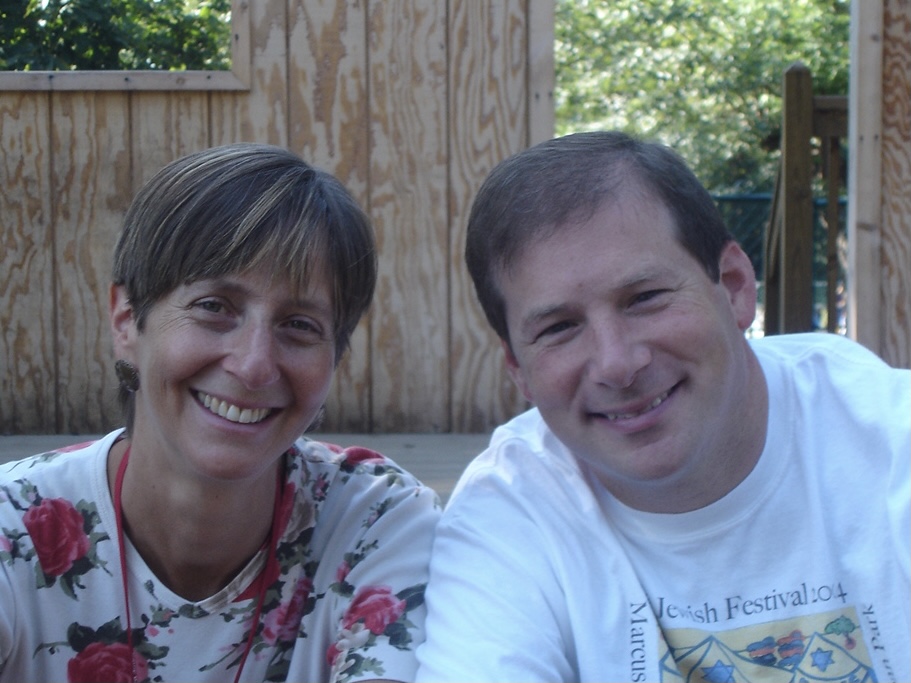
For our succession plan to be successful, we need to remember what has made us successful as a community to date. We need to remember how Rabbi Drill’s tenure became the success it was. It should come as no surprise that the survey we recently sent to the congregation revealed that the rabbinic role most important to our community, by a wide margin, is for the rabbi to share a personal connection with us. We want to be seen, heard, understood and appreciated by someone who can help us forge our own connection with community, tradition and God.

If it takes a unicorn to fill that need, then let the search for the next unicorn begin. If anyone can find one, it’s us!
Rabbi Craig Scheff
You had to be there
A tip of my Red Sox cap to Yankees’ pitcher Domingo German, who threw a perfect game last night (retiring 27 Oakland batters without issuing a walk or giving up a hit). Baseball is the one sport where on any given night something can happen that you as a fan may have never seen before. At the beginning of every major-league game, an average pitcher facing a lineup of average hitters has a .000983 percent chance of pitching a perfect game. This perfect game was only the 24th in the history of the sport!

The only way to truly appreciate such a feat is to be present to it in the moment. It’s simply not the same on replay. Whether you are a fan of the team or not, you hang on every pitch over the last 12 outs of the game to see something that few have ever achieved. A friend texted me earlier today to tell me that he and his son had turned the game off after the first inning last night to go to bed — something they never do — in preparation for an early morning flight. I understand the terrible disappointment they are feeling today.
A few weeks ago, something poignant happened during services that moved our president Matt Schiering to note in his announcements that we never know what we might miss if we are not in synagogue on any given day. There are so many Shabbat mornings when I walk out of the building after the service thinking the very same thing to myself. You simply never know what you are going to be a part of, and if you aren’t here, you never know what you’re going to miss.
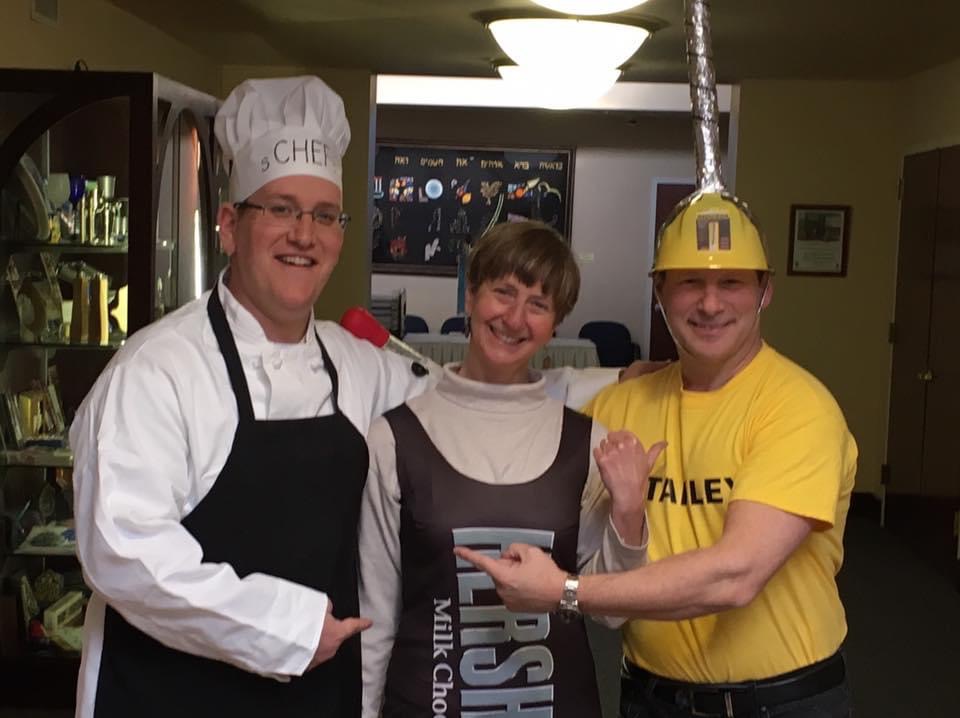
It might be as simple as a 6 year-old girl making her way across the aisle to sit with an unrelated 60 year-old woman. It may be a 95 year-old man standing in front of the Torah to give thanks for another birthday. It may be a person who is deaf reading from the Torah in front of the congregation for the very first time. It may be the naming of a baby belonging to a family you’ve never met, or a 50 year-old person returning to the synagogue where they grew up for the first time in 35 years.

The synagogue experience is not necessarily about prayer. Or mourning, or music, or meditation or memory. Or celebration, or causes or community. Or food or friendship. Or obligation. Or study. Or a heartfelt moment of vulnerability. The synagogue experience may be about any one of these things, about all of these things, or about something else entirely.
Only you can conclude what the synagogue experience is for you. To understand the meaning of it for yourself, you have to be there. If you sleep late, check out early, or pass entirely, know you might be missing something special, something you will probably never experience at a ballpark or anywhere other than the synagogue.
Shabbat shalom,
Rabbi Craig Scheff
Learning from our students
We learn from Rabbi Chanina in the Talmud (Taanit 7a), “I have learned much from my teachers, more from my colleagues, and most from my students.” Most of us, I imagine, would guess that the best learning is “top down,” that teacher knows best. The Talmudic quote, however, reflects the attitude of a teacher who must have had an intern.

For more than two decades, our synagogue has served as a placement site for the Jewish Theological Seminary Rabbinical School’s Resnick Internship program for fourth year (the penultimate year of study) students. Our community has benefited from the teachings of an illustrious group of rabbis-to-be, now all rabbis (but the last two). And I am confident that the rabbinates of each of these former interns have been shaped in some way by their time with OJC’s rabbis and community.

What I did not expect when I first started participating in this internship program was how much I would take away, personally and professionally, from the experience of mentoring. As an intern, Rabbi Drill came to our community with a professional background in social work and a personal background as a lay leader in a synagogue community. Her perspectives, experiences and questions about my methods helped me refine and improve upon my own rabbinic practice.

Over the years and across the decades, my own understanding of Torah has been expanded by the experiences and attitudes of our interns. They have kept me current in cultural trends, language and the potential uses of technology. Their understanding of society has helped me—and I believe our community—move well beyond political correctness to a place of social awareness, intelligence, understanding and empathy. While my professors and instructors have given me knowledge, theory and the structures inside which I would learn to exercise my rabbinic voice, it has been our interns—and for that matter all out students of Torah—who have taught me how my voice and Torah would resonate best.

Today, Lindsay Goldman (who grew up in our OJC community and served as our intern last year) will deliver her Senior Sermon. The ritual is a rite of passage for every rabbinical school student. Just as our own Ben Varon did last year, Lindsay will teach Torah to her community, including her peers, colleagues and teachers. She will be acknowledged by the JTS community as a teacher of Torah.

But we know, as did Rabbi Chanina, that we have already learned so much more Torah from her in her capacity as “our” student. She and our other interns have taught us how to teach, how to listen, how to grow and change, how to expand our grasp of Torah and the world.
Mazal tov to Lindsay, to her family and to all of us. May she—and may we all—continue to be students of Torah whose learning brings honor and greater wisdom to our tradition and to our teachers.
With admiration and appreciation,
Rabbi Craig Scheff
On the third night of Hanukkah
“It felt like it used to be….”
We tend to romanticize the past. We say the good old days are gone. We think the successes of the past can’t be matched. We lament that the lights of yesteryear burned a little brighter. And then something spectacular happens to remind us that we can consistently re-create ourselves … and maybe even climb a little higher.
Last night, the third night of Hanukkah in the year 2022/5783, we were reminded as a community who we are and how special we can be.
How was this night different from any other night? What made this night, this holiday, so special? I have some thoughts on the matter, ranging from the logistical and programmatic to the spiritual.
Not by might, not by power – It takes a spirit of collegiality and teamwork to create a successful event. Rabbi Hersh directed a vision that was embraced by the many constituents of our community. Rabbi Kniaz and the Kulanu board had no issue letting our Tuesday session end early to feed into the holiday program. Sharon Rappaport and our Naaseh/USY community were happy to build their evening off our communal time. A 5:30 start time meant that most parents could finish a work day and have younger children home at a reasonable hour. A multigenerational program offered the space for adults to shmooze over desserts after the younger crowd departed. Our planning represented a spirit of giving, of generosity and of shared aspirations.
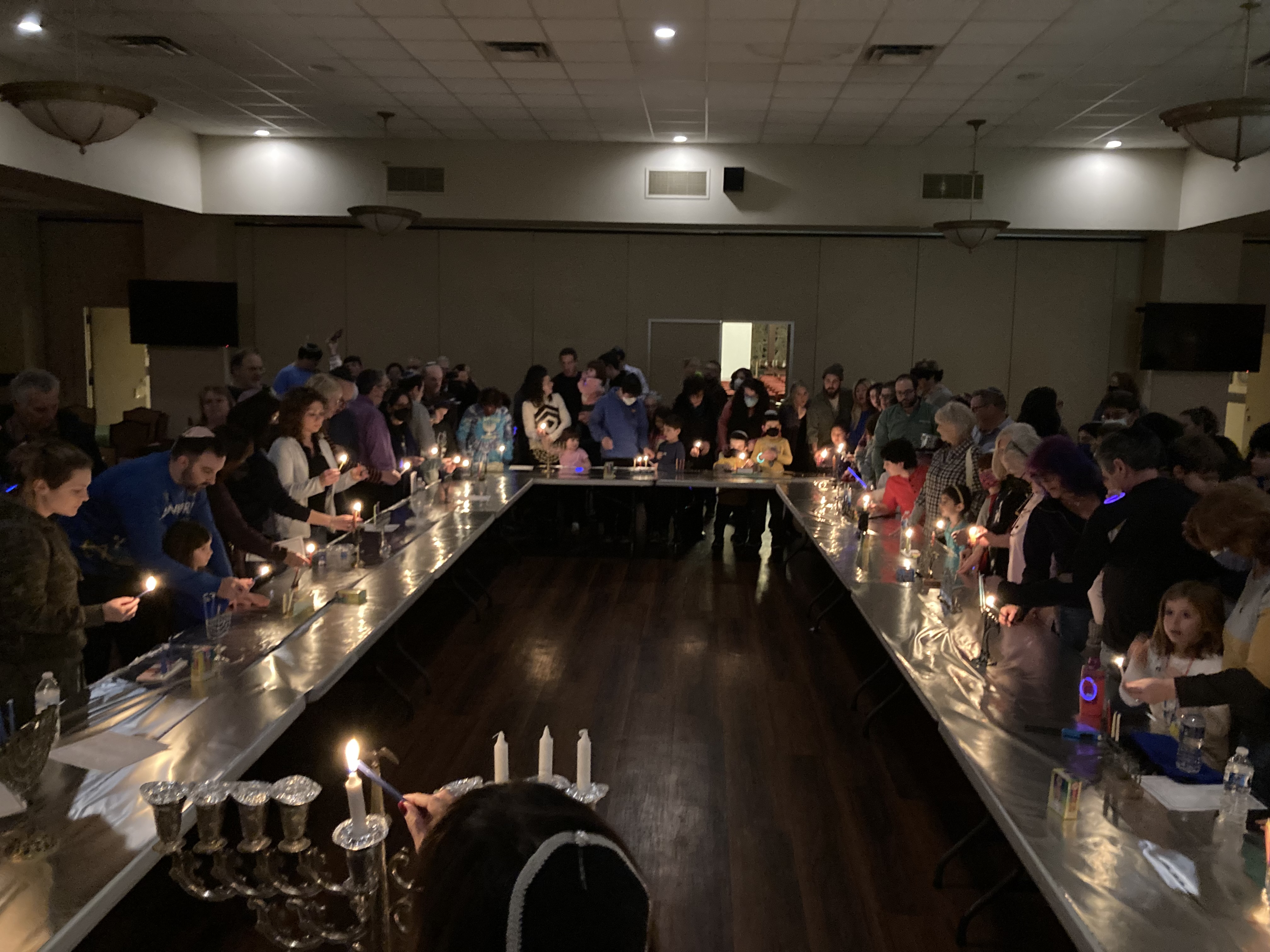
The price is right – Thanks to the generosity of a longtime member of this community who passed away relatively recently, we have the resources to offer certain programs free of charge. For many households, financial concerns impact the choices we make and determine the level of our participation. A program that doesn’t carry an additional fee is an attractive option. Moreover, the model of anonymous giving for the benefit of the community is inspiring. Hopefully, we were all inspired to give of ourselves in some way, financially or otherwise, after last night. And perhaps when people recognize the great value they receive from what is offered, they will be willing to prioritize such experiences even at some financial cost.
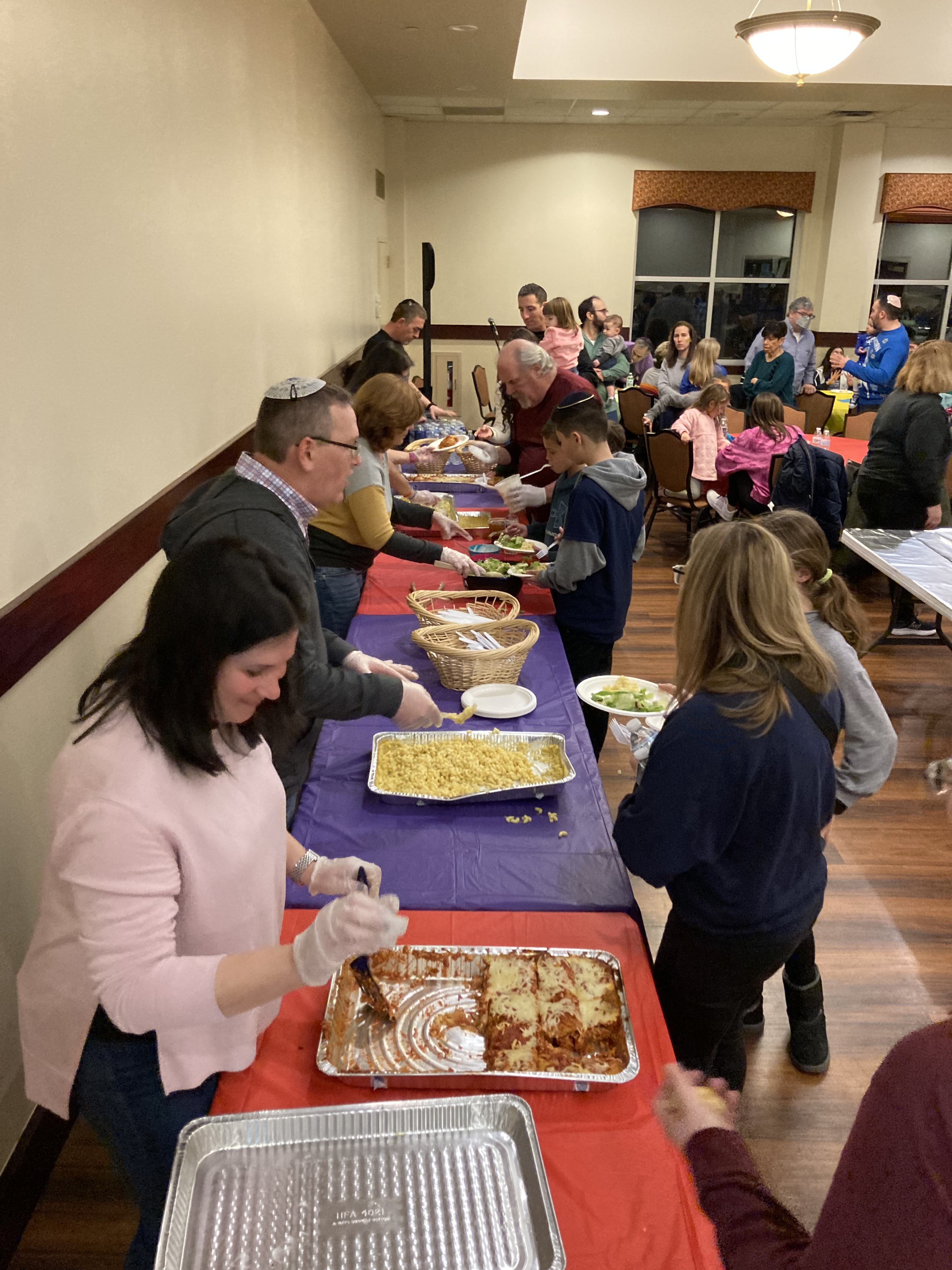
If you feed them… – Food matters. Especially for an early evening program when it means parents don’t have to cook, feed their children, and clean up at home. More importantly, breaking bread together builds community, and feeds our sense of belonging and our sense of bounty.
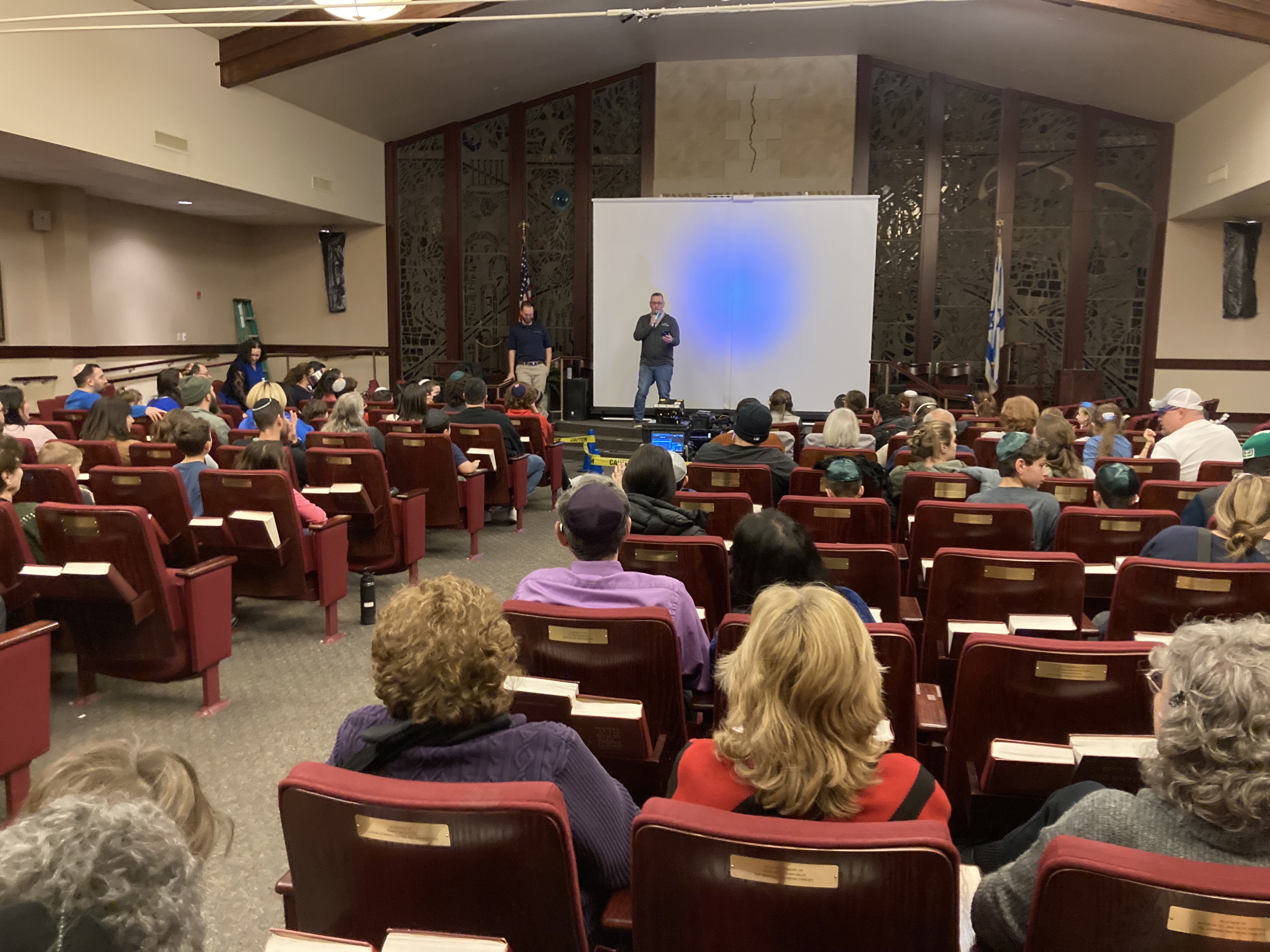
Give ‘em the old razzle-dazzle – Laser lights are cool; candles are even cooler. Both create a sense of awe for people of all ages, but with candles we can draw close, smell them, feel their glow. They connect us to so many other moments and emotions in our lives. And as a ritual, candle lighting is familiar, accessible and meaningful in a way that not all Jewish rituals are. Hanukkah, the Festival of Lights, offers us the opportunity to experience radical amazement, a sense of awe and appreciation, as a participatory community in our communal space.

‘Tis the season – There is an underlying motif in the biblical story of Joseph (which we read a part of this week) to which we don’t give enough attention. Can we as individuals, as families, as communities and as a people encounter (and even be attracted to!) a culture, adopt some of its enticing elements, adapt our own customs to the prevailing trends, and still not only maintain our sense of identity but thrive? The holiday of Hanukkah answers this question with a resounding yes! Some may perceive the Christmas holiday season to be in conflict with what we hope to experience of Hanukkah; but there is also the possibility that the season brings out our desire to connect with others, to embrace our own identities a bit tighter, to wear and show off our (tacky?) holiday sweaters, socks, ties, and pajamas like never before.
I hope you were among those who got to experience the magic of the evening. I hope you are among those who create some of this magic in their own homes. I hope you’ll be among those coming back to the synagogue to discover the next magical moment created for you.
Chag Urim sameach, wishing you a happy Festival of Lights,
Rabbi Craig Scheff
Mitzvah Day by the Numbers and So Much More
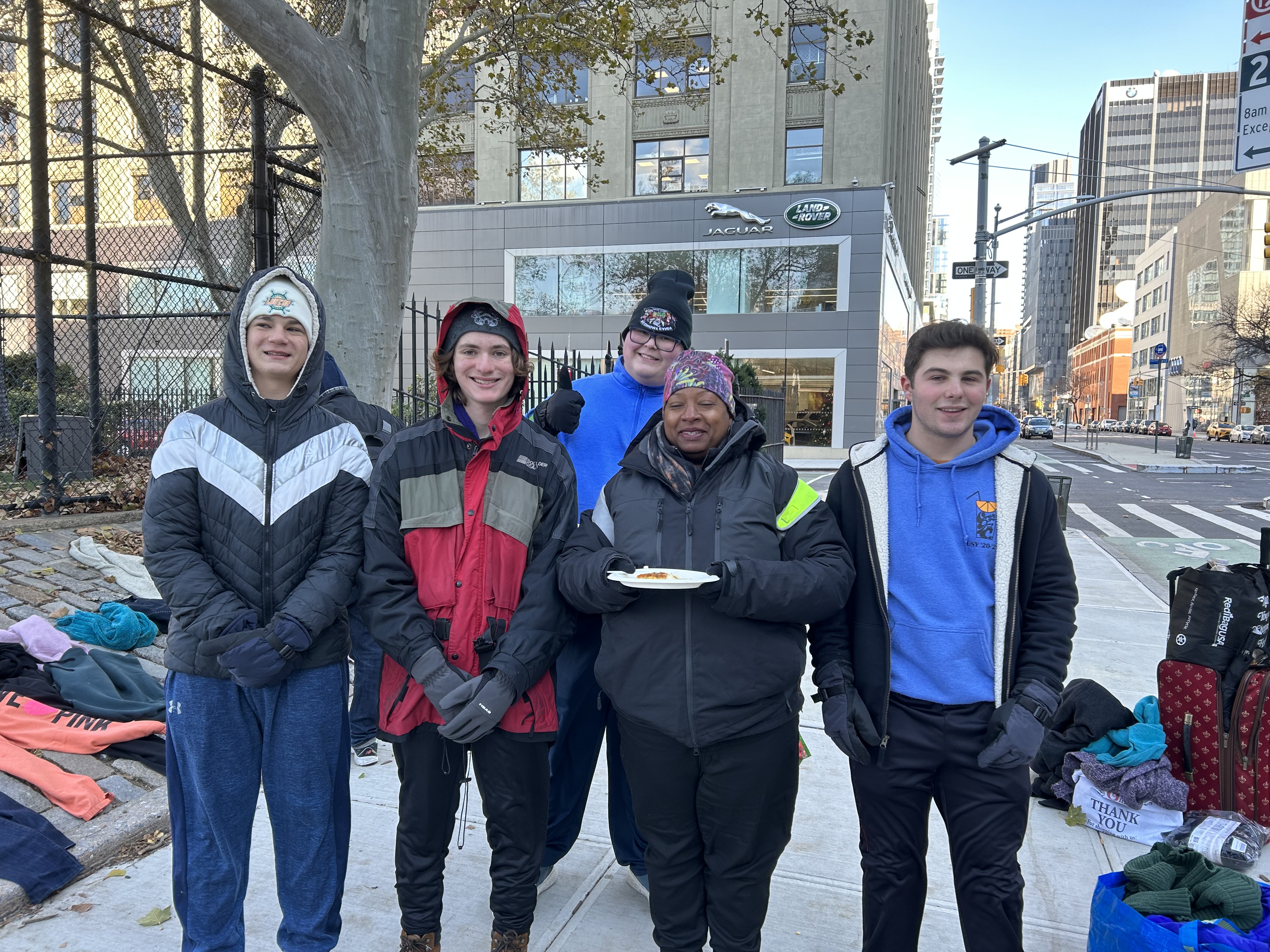
Sunday, November 20 at Orangetown Jewish Center was a hub of activity as mitzvoth of every kind were accomplished. One way to try to describe the day is by the numbers. Our annual Breakfast Run brought 18 large bags overflowing with new and gently used coats, clothing, socks, and toiletries, together with a warm breakfast, to people who are homeless in NYC. This mitzvah was accomplished by 18 hearty volunteers from the age of 15 through 75.
34 congregants were blood donors who helped save over 100 lives in total!
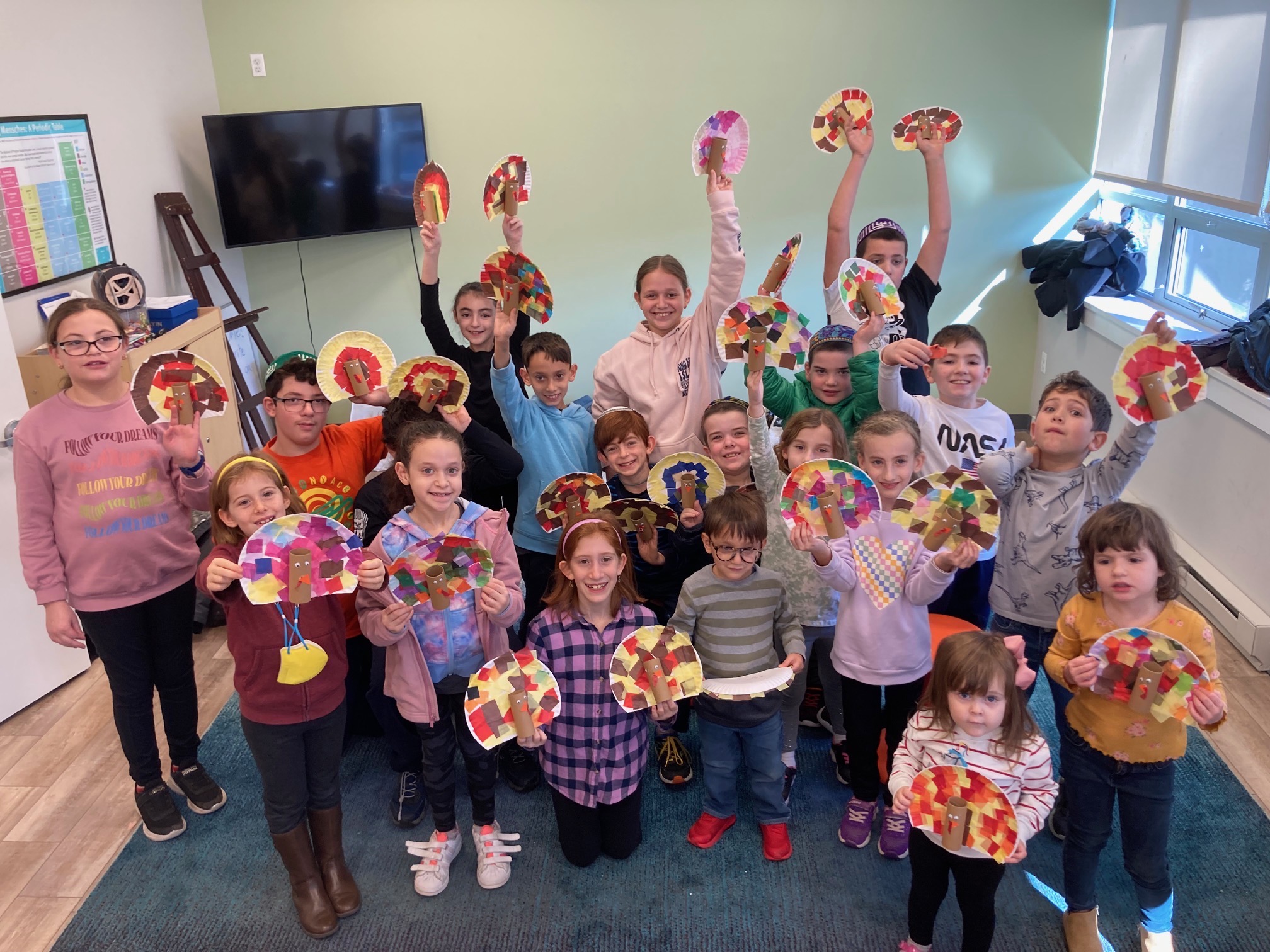
Over 20 children of all ages who handcrafted 40+ colorful Thanksgiving turkey decorations to share with residents at The Esplanade, and 40 congregants, young and old visited with Esplanade on the Palisades residents, singing and interacting with them.

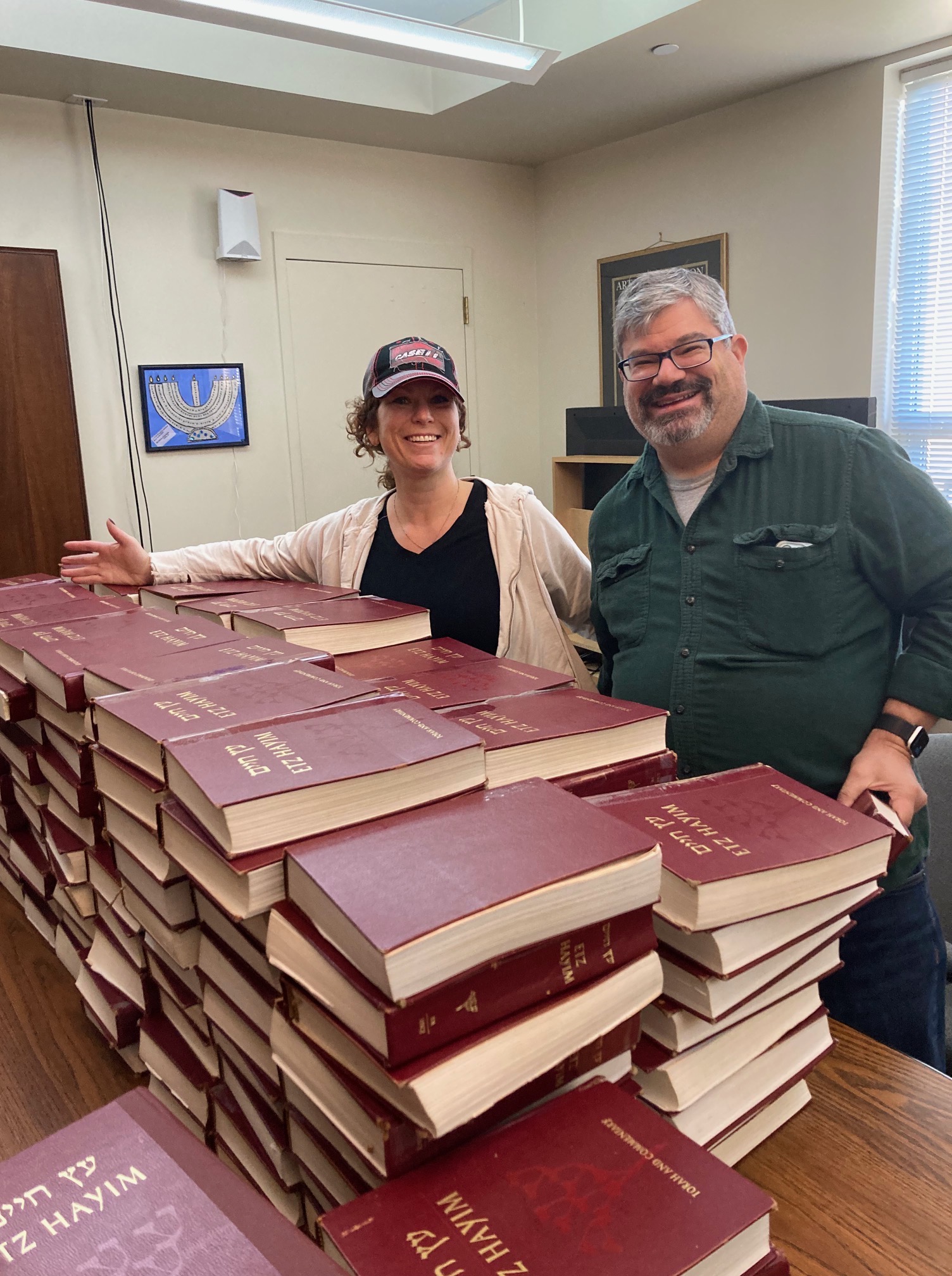
6 Chumash miracle workers mended the book spines, covers and pages of 34 Chumashim that were in disrepair.
12 Rhoda Bloom Kosher Food Pantry packers stood in the cold to load boxes of donated kosher food into recipients’ cars. OJC also collected 70 cans and boxes of food for the Rhoda Bloom Kosher Food Pantry.
10 participants learned with Rabbinic Intern Ilana Sandberg and 8 giggling yogis, raising funds to benefit The Rockland Pride Center.


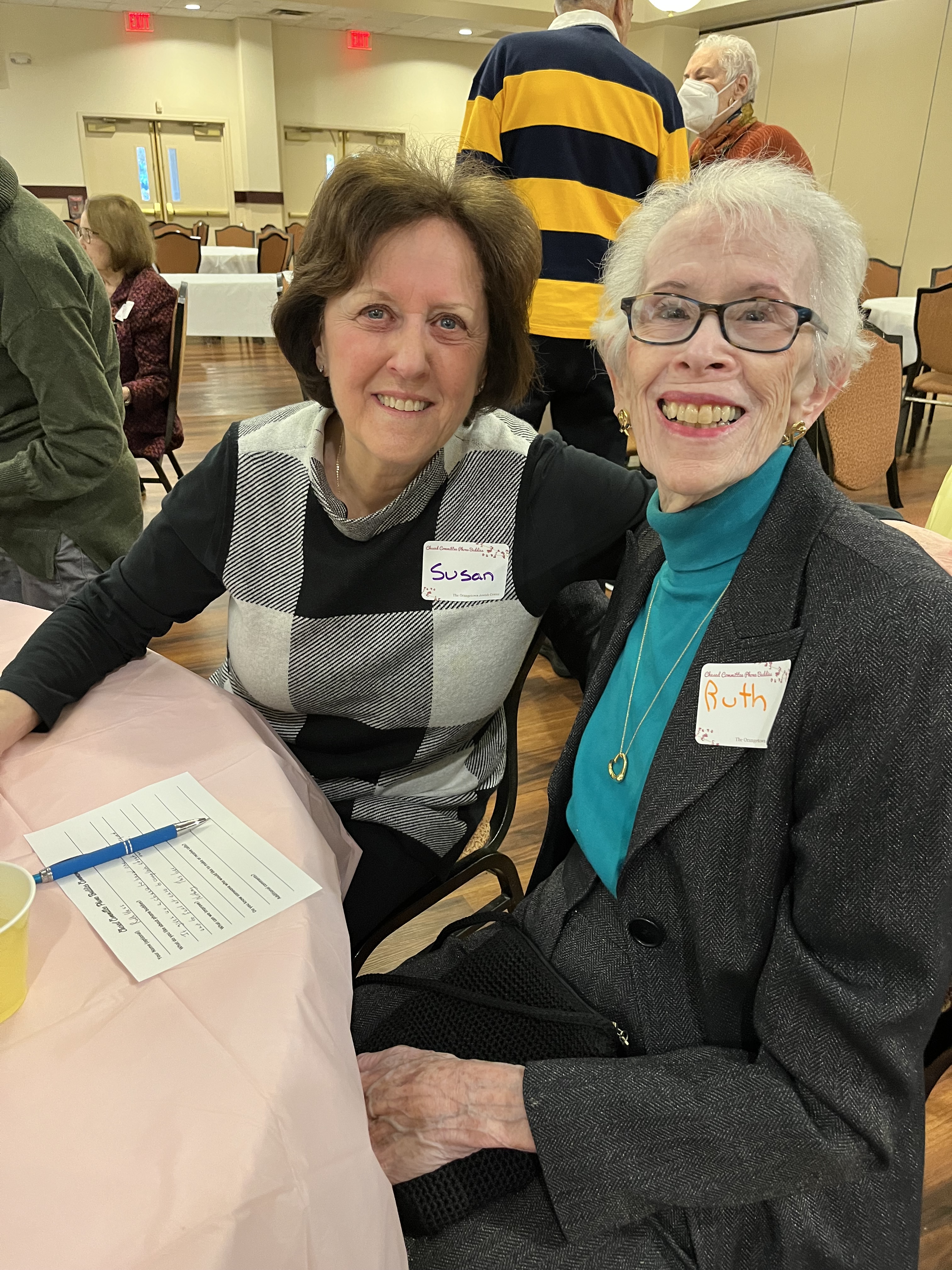
18 congregants learned with Rabbi Dahlia Bernstein about making every day a Mitzvah Day and 30 Phone Buddies connected and celebrated at the Chesed Committee’s tea party in memory of Madeline Roimisher.
90 homemade muffins, 14 children’s coats, and various children’s clothing and shoes were delivered to the Martin Luther King Multi-Purpose Center in Spring Valley and Proyecto Faro in Stony Point.
Almost 20 knitted and crocheted hats and scarves will be gifted to The Rockland Pride Center Youth Program for the December holidays.
So that’s one way to understand the day – by the numbers. We can also understand the day by the emotional experiences and amazing moments felt by everyone participating: the joyful noise of a room full of children creating a craft for an elder, the power of Amichai’s guitar and children singing as Esplanade residents sang and swayed… and some even danced, the full room of people donating blood, the quiet concentration of repairing sacred books, the delight of two congregants meeting face to face for the first time after being phone buddies for two and a half years.
But I actually have another way to comprehend Mitzvah Day 2022. As the building filled with people, as we worked side by side to make this world a little bit better, we all remembered something. We remembered who we are.
For me, Mitzvah Day reminded all of us at OJC that we are who we think we are. And I thank God for that on Mitzvah Day and every day.
With friendship, Rabbi Paula Mack Drill
 Three Rabbis Walk Into A Shul
Recent Comments