Ben Shloshim, l’Koach
By a surprising coincidence of timing, this week I celebrated two thirtieth anniversaries. In Columbus Ohio, I celebrated the thirtieth year of the Wexner Foundation together with 1200 Jews who were graduates of the Israel Fellowship Program, the Heritage Program or, like me, were alumni of the Graduate Fellowship. I flew home on Monday night to drive into New York City for a two day Rabbinical Assembly celebration of the thirtieth anniversary of the ordination of women.
Why such a big deal about thirty? (Believe me, I ask myself that question as I consider that Jonathan and I will celebrate thirty years of marriage this May.) In Ethics of the Fathers, one chapter lists developmentally significant ages and identifies each with a unique characteristic: “At five, the study of Torah. At ten, Mishnah. At thirteen, responsibility for mitzvot. At fifteen, Talmud.” The list continues until it declares: “Ben shloshim, l’koach.” At thirty years, the age of strength.
A midrash asks why thirty is the age of strength. The answer begins with a list of those who rose to greatness upon reaching thirty: Joseph began to serve Pharaoh at thirty. Priests began service in the Beit Mikdash at thirty. David became King of Israel at thirty. Then the midrash asks: why at thirty did they rise to greatness? The answer is stunning: Because at thirty, they were humbled and heartbroken.
This teaching played like a leitmotif in my mind throughout four days of intense learning, listening and rejoicing. True leadership requires humility and vulnerability. At the Wexner conference, much of the message was about leading through change – change in our lives, organizations and the world. Yes, leadership requires optimism, grit, resilience, and creativity. But in order to respond to the fierce urgency of now, we must first and foremost cultivate empathy to the other.
I felt challenged by questions of how to move people from caring about an issue to acting on it. I understood that in order for Jews to sit in a room together, we must acknowledge that all of us think about our Judaism from our own prisms. Partners in leadership must be asked to fine tune skills and generously use their gifts.
Shimon Perez was the great anniversary surprise. He told us that Israel is not just a country. Israel, he asserted, is an idea. He promised us that there are two things in the world that we can experience only if we close our eyes a little bit: love and peace. The common thread throughout the Wexner learning was that the leader who can lead through change must be humble and vulnerable enough to recognize the potential greatness in others.
At the conference of the Rabbinical Assembly, we learned sweet Torah, discussed models of successful change, and heard from inspiring thinkers and teachers, including one of my heroes, Letty Cotin Pogrebin, in conversation with her daughter Abigail Pogrebin. We celebrated with great joy the change that affected the whole Jewish world thirty years ago when Rabbi Amy Eilberg (another hero of mine) became the first woman ordained in the Conservative Movement after years of halakhic and sociological study and debate.
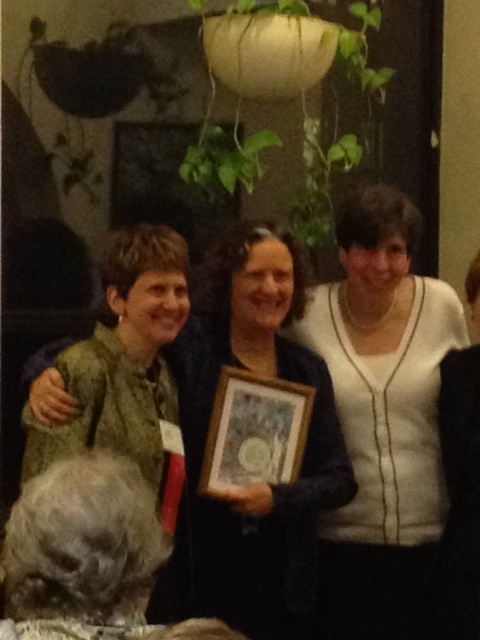

At the same time, we acknowledged that there is much work still to do in the arena of an equal place for men and women, boys and girls, in our congregations, schools, camps and communities. Rabbi Pamela Barbash taught that egalitarianism is not about women’s participation; rather, it is about increasing the adherence and participation of all Jews through obligation, study and mitzvot. I was reminded that women’s rise to a place beside men in Judaism would have never begun without the humility and vulnerability of men who became empathic allies to the cause as they studied and interpreted the Torah through the eyes of modern Jews.
Rabbi Scheff and I delighted in seeing OJC rabbinic interns, now our colleagues over these two days. We reconnected with friends and classmates, ate and prayed together, and recharged our leadership batteries. We’ll be teaching about the halakha, the sociology and the moral questions of the 30th anniversary of Women’s Ordination during Sisterhood Shabbat, June 19–20. We might even give you a version of the session that we taught about men and women as equal partners in pulpit life! Both rabbis look forward to sharing with our community the learning that filled us at the RA.
Kol tuv, All the best, Rabbi Paula Mack Drill
Keepers of the Flame
Consider the candle and how it can both define and defy the darkness. — Anne Frank
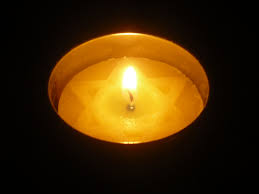
The sanctuary is silent and dark except for pages turning softly and six candles burning on the bima. Hour after hour, congregants come to serve as Keepers of the Flame, praying, reading, writing, honoring. It is Yom HaShoah, Holocaust Memorial Day.
After last night’s evening minyan, the Holocaust Committee facilitated a poignant, meaningful program. Congregants spoke about the OJC Kaddish Project, explaining how they had committed to knowing the story of a child killed in the Holocaust. They chose a yahrzeit date for that child and promise to light a candle and say kaddish for him or her every year. [For more information on the Kaddish Project, contact Sandy Borowsky ojcschool@gmail.com.] Sixth graders presented their stories, reports and posters about the Righteous Gentiles they studied. Rabbi Scheff chanted El Maleh and six candles were lit to mark the beginning of the twenty five hour vigil.

And now it is my turn.
It is uncomfortable to be in the sanctuary at 6:00 am when I yearn for sleep, but who am I to complain when I am here by choice, when the hours of a day are all left to my discretion?
It is a bit cold in the sanctuary, but who am I to complain when I can pull on a sweater, when the time of feeling chilled will soon end?
It is lonely here in the sanctuary, but who am I to complain when the ones I love are safe and healthy and right where they are supposed to be?
And then it is 6:45, time for morning minyan. Our prayers are an act of defiance.
I lay tefillin
with a silent minyan.
The sanctuary seems empty except for the ten of us.
Six candles are our witnesses.
We lay tefillin and daven shacharit
and fill our beautiful sanctuary
with six million souls who join us
as true witnesses.
We lay tefillin and daven shacharit and leyn Torah.
God enters the sanctuary with The Words,
quietly pleased, relieved that we remember.
God is the True Witness. Baruch Dayan HaEmet.
In ways mundane and transcendent, it is impossible to wrap my mind or my soul around the reality of the Shoah. The best path seems to stop seeking answers and focus instead on action: loving, whole-hearted actions anchored in the hope of a better world.
May their memories be for a blessing.
Rabbi Paula Mack Drill
Your Best is Good Enough
Many of us have powerful memories of our childhood Passover seders. Here is mine: Nana Edith bustles about the kitchen, finishing off the matzah balls, putting the hand-grated horseradish on the seder plate and arranging the vegetables around the gefilte fish. After a chorus of, “Sit down, Mom. Come and sit down,” Nana finally sits across the large dining room table from Poppy. We open our Maxwell House haggadahs and Poppy chants the Pesach Kiddush. I peek down toward the end of the table at my beloved Nana. She is snoring lightly, her cheek resting on her palm. We are ready to be redeemed from slavery. She is at last redeemed from the weeks of cleaning and preparation. But she is too tired to celebrate Passover.
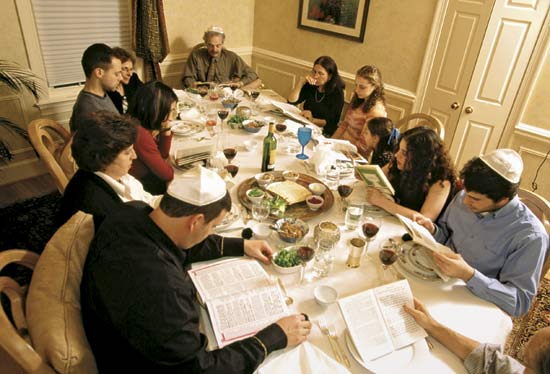
For generations, the great tradition of Passover has been all about missing the point. Too many of us get trapped into thinking that the main endeavor of the Passover holiday entails sweeping attics, vacuuming bedrooms, packing up half-filled bottles of catsup and shlepping boxes of dishes from the basement to cupboards emptied and scoured clean. And if we don’t turn our houses over according to strict Jewish law, we still manage to get caught up in the pressure of preparation. Our friends finish their Passover shopping the day after Purim and brag about three dozen matzah balls in the freezer. We worry about keeping the brisket from drying out and whether our sponge cake will rise as high as our mother’s used to do.
None of this is the main point.
The main point of Passover is that we were slaves in Egypt for four hundred years and God took us out with a strong hand and an outstretched arm. We are commanded to remember this narrative and teach it to the next generation, ensuring that the Jewish people will never forget our origins. We tell the story over and over about how we began as slaves to ensure that others do not suffer as we did. We marvel at all of the miracles God performed, plagues and parted seas, and we understand that we are surrounded by daily miracles. We are thankful to God for delivering us from Egypt and remember to be grateful for all the good that is ours.

Rabbi Yitz Greenberg writes about Passover in The Jewish Way: “By the magic of shared values and shared story, the Exodus is not some ancient event, however influential. It is the ever-recurring redemption; it is the once and future redemption of humanity.”
So, yes, I have been sweeping and vacuuming, packing and shlepping. I have resisted panicking over the masterful shopping of boastful friends but I am actually quite worried about the height of my sponge cake. How do I stay focused on the main point? First, I remember my own best advice regarding Passover cleaning and cooking mantra: “My best is good enough.”
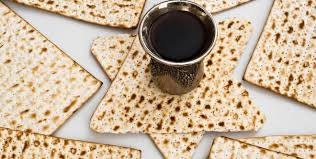
Then, I remind myself that the physical preparation for Pesach is just a metaphor for the spiritual preparation with which I am meant to engage. At Passover, my soul is redeemed from the slavery of the everyday (think: calendars, iPhones, To Do lists, and unreasonable expectations). Once a year, in the month of Nisan, I remember that I am blessed with the greatest gift of all. I am free. I remember this truth every time I tell the story of the Exodus. And that is the point of Passover.
Wishing everyone a beautiful, freeing and meaningful Passover, Rabbi Paula Mack Drill
Travels with Aunt Sheila
Would a visit to Europe be possible for me without mixed feelings and conflicted responses to being a tourist?

To celebrate a significant birthday and to visit my daughter Sarah, Aunt Sheila and I traveled this past week to Budapest and Munich. I stayed in touch with the family on What’s App, sending descriptions of the sights and the people (and the food!) and pictures of the Opera House, the Chain Bridge lions and Sarah and her boyfriend Sagi.
After Budapest, when Aunt Sheila and I arrived in Munich, I sent pictures of our adventure at the Hofbräuhaus and a description of drinking a beer and eating pretzels with young Australian backpackers, Meghan and Stephen. My son Josh responded to that day’s post, “How do you feel about enjoying yourself in Germany?”
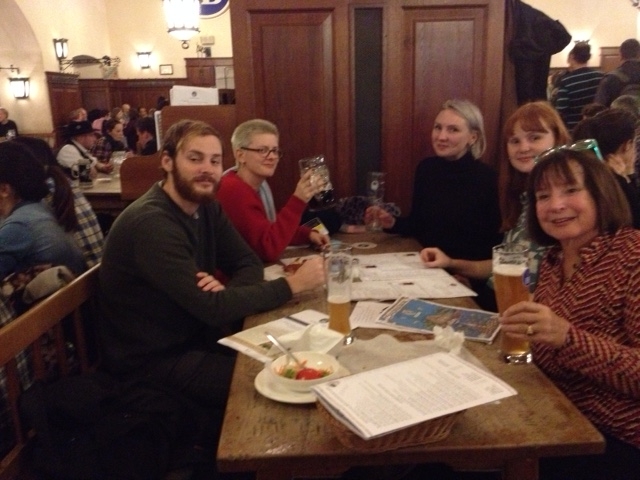
Josh’s question resonated because it had been sitting in me, just under the surface since the trip began. It did indeed feel strange to me, very strange. Since the upsurge in threatening and deadly anti-Semitic events in many European capitals, it is clear to me that too many are ready to forget and even negate the lessons of the Holocaust. But even without these foreboding times in Europe, walking the streets of cities culpable during the Shoah has always seemed fraught with anxiety to me.
“Your brother’s blood cries out from the ground to Me!” How could I eat a rugelach and drink a latte in the very spot where Nazis tormented and desecrated the lives of my people? But should I not allow new generations to be absolved of the guilt of their parents? Do I desire all of Europe to be a silent, sacred burial ground? Where in this whole world could I possibly go where the ground below my feet would not have a bloody story of suffering to tell?
And so I accepted the fact of dissonance.
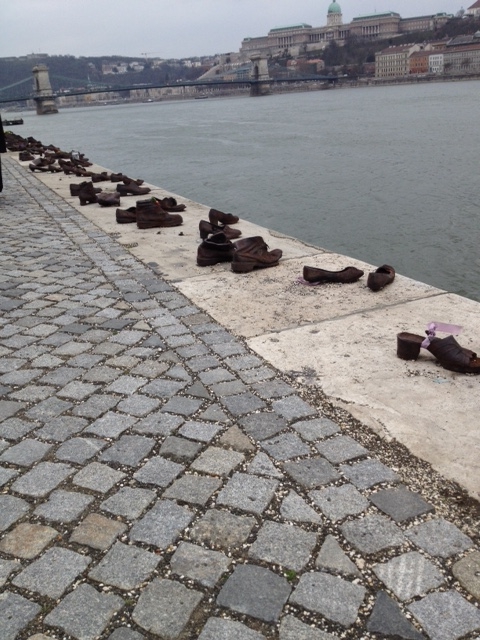
In Budapest, we enjoyed the view from St. Stephen’s Basilica and the thermal baths at Gellert. But we also read every plaque on every wall, judging its historical honesty. We toured the Great Synagogue and the Raoul Wallenberg Memorial, asking pointedly Jewish questions. We walked to the sculpture of shoes along the Danube where 8000 Jews were shot dead into the river by the Hungarian BRIGADE just before liberation. We stood in silence.

In Munich, we were charmed by the chimes of the Glockenspiel in Marienplatz and enjoyed the Museum of Modern Art. But we also traveled for the day to Dachau. Listening intently to the descriptions and voices of survivors on the audio tour, we walked every path, counting the empty outlines of barracks intended to hold 6,000 Jews and some political opponents and resisters. When the American Army liberated Dachau, 41,500 had been murdered and 32,000 living dead were housed there. Aunt Sheila wept during the documentary and I chanted El Maleh inside the Jewish Memorial.
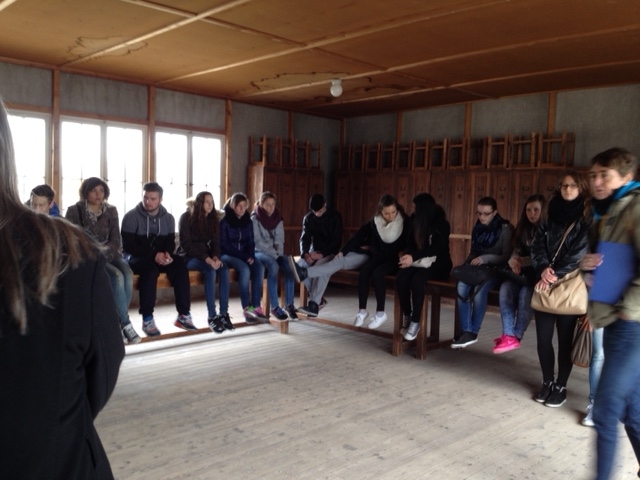

German student groups were with teachers and guides in great numbers. And inside the Maintenance Building that houses the museum, we turned a corner and suddenly met up with our “dear chums” Meghan and Stephen, the travelers from Australia. Aunt Sheila and I had to go to Dachau, we understood it as our obligation. But Meghan and Stephen chose to go to Dachau. When Aunt Sheila embraced them as long lost friends, I saw the way that their visit to Dachau redeemed the day.
People are capable of evil. Places like Dachau preserve the reality of that evil. And those who choose to understand the history of Jewish suffering in the Shoah will be our partners in fighting for the good.
When we got in the taxi to return to our hotel, the affable driver asked, “Did you enjoy your day?” Aunt Sheila answered, “It was not an enjoyable day, but it was an important day. It was a necessary day.”
Life is filled with conflicting ideas and emotions. To live a complete life, perhaps our job is not to avoid conflict but to learn how to live with it.
Thank you, Aunt Sheila, for a trip that taught me this lesson and so much more.

Snow Storms as a Metaphor for Life
Some Purim! As I begin writing this post, the OJC building is empty. It was supposed to be filled just about now with hundreds of happy kids in costume. The teens who planned the carnival are at home, disappointed… and yet…


This morning’s Purim minyan was cancelled. Rabbi Scheff, Hersh and I davened
with two other people and chanted from the megillah, our half-hearted “Boos” not doing much to blot out Haman’s name…and yet…
Tuesday’s Catch a Rising Star celebration in Religious School had to be postponed, and I know that I won’t have the chance to stand on my head for them until next year… and yet…
I’m looking out of my office window as more snow piles up on my car. I wonder if I’ll get home tonight. (I did!) Driving in the snow is never pleasant… and yet…
It has been a hard winter, true. It is easy to feel our energy depleted by dire forecasts of ice and snow and States of Emergency over the past six weeks and our optimism buried under inches of snow…and yet…
Snow reminds us that we are not in control of everything. A power greater than us is in charge. We humans tend to forget about God as we dash about in our lives, planning, controlling, building, accomplishing. I am not saying that I know what God is; rather, I am saying that I am not God. Snow reminds me.
Snow happens every winter and yet we bemoan its arrival. Illness, brokenness, loss and sorrow happen in every life and yet we cry out, “Why me?” Turbulence happens because we are not ultimately in control. So when difficult things happen, we can choose to see them either as a blessing or a curse. Or we can practice saying “and yet” and see everything as both – blessing and curse.
Rabbi Rami Shapiro teaches on the verse “See, this day I set before you blessing and curse…” [Devarim 11:26]:
If we truly see this day as it is, then we will see that it contains both blessing and curse, light and shadow, good and bad, suffering and joy. Most of us are conditioned to hope for the former and anticipate the latter. We call this being realistic. It isn’t. It is conditioned thinking that has nothing to do with reality. Reality is both blessing and curse. You cannot have one without the other.
So what are the “and yets” of the snowiest Purim in the history of the OJC?
Our teens were disappointed when safety dictated that the carnival would be cancelled for today, and yet they immediately started planning with Youth Director Sharon Rappaport to come up with Plan B. They learned an invaluable lesson about resiliency when dealing with the unexpected.
We had no minyan this morning, and yet dozens of congregants tuned into the live feed of the megillah reading provided by our Men’s Club. We received emails from congregants in New York who were snowbound and in Florida who are snowbirds, all rejoicing in being able to “join us!”
Religious School kids were disappointed by the delay in their annual talent show, and yet they’ll be celebrating this coming Tuesday instead.
Driving in the snow is never fun, and yet I arrived home safely. Lucky for me, I learned to drive in Maine by a father who made sure I knew how to turn into a skid and how to rock out of a snowbank!

How blessed we are to turn to a tradition that teaches us to see both blessing and curse, but to choose blessing!
With blessings to all, Rabbi Paula Mack Drill
Justice, Justice You Shall Pursue
Rabbi Abraham Isaac Kook said, “I don’t speak because I have the power to speak; I speak because I don’t have the power to remain silent.” From the beginning of my work with Rockland Clergy for Social Justice, I have felt the powerful call to speak out against the injustice being done to the children, their families, and the educators of the East Ramapo Central School District. In speaking out about the constitutionally given right to an education for all children in Rockland County, I have joined my voice to an interfaith coalition of Rockland clergy, to the congregants of the Orangetown Jewish Center, to all Jews who pursue tzedek (righteousness), and to all people of conscience.
Rockland Clergy for Social Justice (RC4SJ) is an interfaith coalition of Jewish, Christian and Muslim faith leaders who began working together over a year ago with a single unifying focus: the 9000 public school children of East Ramapo who are not receiving an adequate education that will prepare them to be successful citizens of our country.
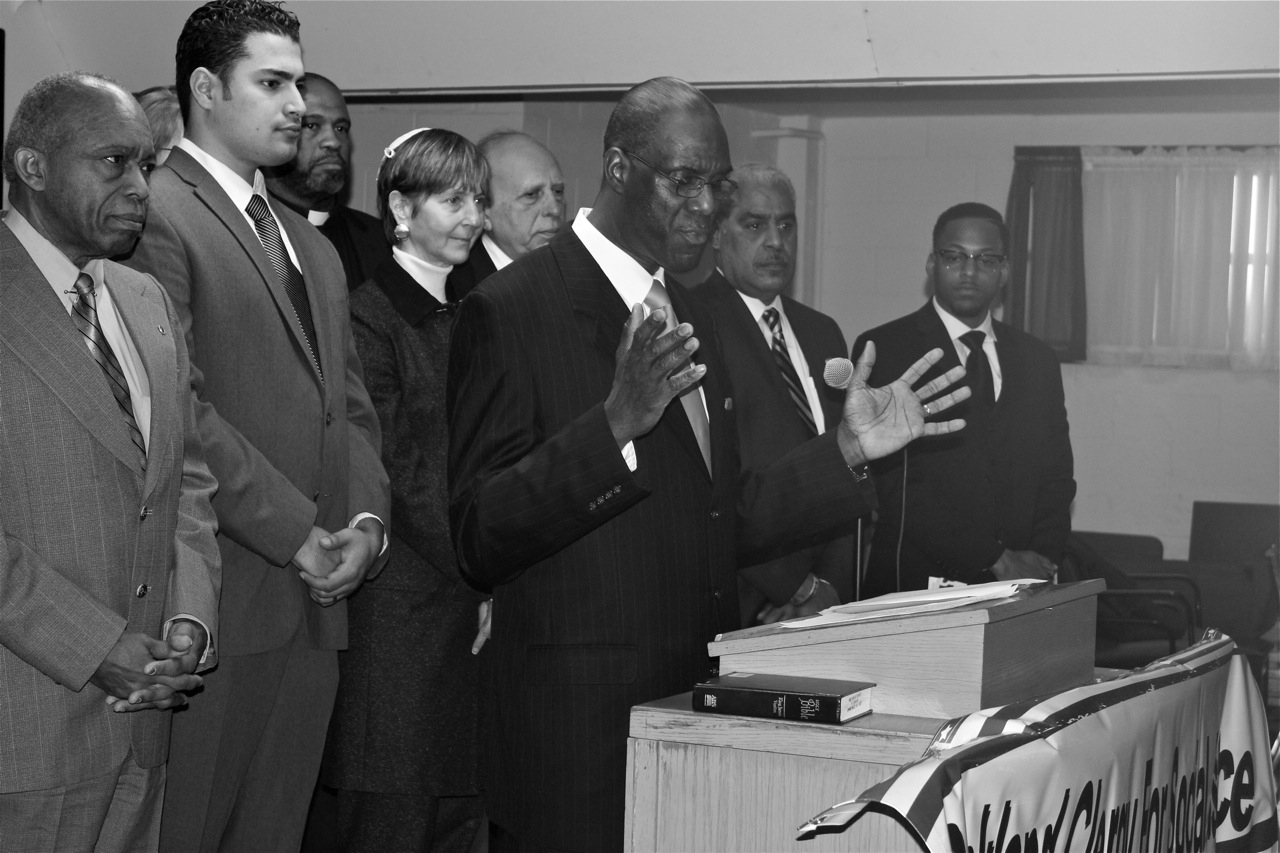
Today RC4SJ held a press conference at the First Baptist Church of Spring Valley to support the courageous work of State Legislators Ellen Jaffee, David Carlucci, and Ken Zebrowski. Since November, when special monitor Hank Greenberg presented his findings on the dysfunctional school district, they have been working to write legislation to ensure compliance with state and federal law, financial integrity and transparency and functional school governance. Our press conference, planned weeks ago to announce RC4SJ’s upcoming lobbying trip to Albany on March 3, coincidentally happened at the exact time that our county legislators introduced their bill. http://www.capitalnewyork.com/article/albany/2015/02/8562498/rockland-pols-introduce-east-ramapo-oversight-bill
The bill shows the commitment of Jaffee, Carlucci and Zebrowski to implementing both the spirit and letter of Hank Greenberg’s recommendations. To read the bill as it has been introduced, click here: http://open.nysenate.gov/legislation/bill/A5355-2015.

When I spoke at the press conference today, I began by recalling my feeling of dedication to 9000 children when I stood on the very same dais last year. 9000 seemed like a very large number, a compelling reason to stand up and speak up. Today, however, those 9000 children have become personal. Through my volunteer experiences together with fellow OJCers at the Kakiat School Early Childhood Center, I have come to know the children we are fighting for. Kindergarten children who need a full day of education receive instead two hours a day, one half hour of which is taken up with breakfast or lunch. The valiant, dedicated administrators and teachers at the ECC work to provide learning to children, who number thirty in a class without an aide. 9000 is not just a number. 9000 is Kiran, a bright, precocious five year old who would be reading chapter books already if he had more education hours. 9000 is Tyron, a child who has fine motor difficulties. I help him at the learning centers to hold scissors straight and cut paper. I wonder who helps him on the vast majority of days when I am not there. 9000 is Rosie, an imaginative little artist. My heart sinks when I think about Rosie entering grade school without art or music to continue fueling her curiosity. 9000 is not a number. It’s personal. https://www.youtube.com/watch?v=6CxColw3FnI
RC4SJ will be traveling once again to Albany on March 3, hoping to build on today’s momentum and seeking support from other legislative leaders and the Executive Chamber in Albany for the bill introduced today by Jaffee, Carlucci.and Zebrowski.
Last Friday, Governor Cuomo came to East Ramapo and bravely announced that he expected to sign legislation before June of this year. He said that he is grateful to special monitor Hank Greenberg for providing us with facts. I agree that having facts gives us with the leverage to create change. But facts are only the beginning. To see this through to a happy ending for the public school students of ERCSD, we will need passion, dedication to justice and clear vision of a moral high ground.
“Tzedek, tzedek, tirdof. Justice, justice, you will pursue.”
Rabbi Paula Mack Drill
Great Stories in the Great Book
I love a good story, don’t you? Author Stephen King says that there are books full of great writing that don’t have very good stories.
I hope it is not blasphemy to say that the Torah is just the opposite: not always such great writing but the best of all stories.

Let me suggest that the writing style of the Torah would not necessarily have passed muster with my seventh grade English teacher. The Torah is filled with poor editing, run on sentences, lack of transitions and confusing noun-verb match-ups. Throughout the ages, rabbis have gleaned meaning from repetitions, gaps, misplaced narrative and stylistic flaws and shared it all the commentaries and midrashim (stories from between the lines) that Jews cherish.
But good stories? The Torah is filled with good stories. Good stories are the ones that we remember. We remember them all our lives. We know the ending, but we still want to hear the story again and again. The Jewish people know that Adam and Eve are going to eat that fruit. Isaac is almost going to be sacrificed, but God stops his father at the last moment. Joseph is going to reveal himself to his brothers in Egypt after he toys with them a bit. We love to hear these stories again and again; we’ve been reading and reading and then re-rolling our Torah for centuries. The Torah is the word of God, but it would not endure without good stories.
This week we are poised between two of the greatest stories of our Torah. Last week, God split the sea for the Israelites to pass through and this week we receive Torah at Sinai. I thrilled last Shabbat when we stood together in synagogue to chant the Song of the Sea, and I am excited to stand again this week to hear the Ten Commandments. My love for Torah is something that I don’t often question. It’s kind of like breathing.
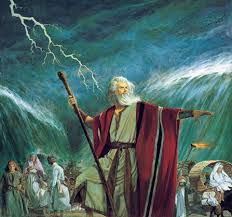
Last week, however, at Conversations with Clergy in the Community at Adele Garber’s home in Nyack, one of our congregants challenged my easy acceptance of the ultimate worth of Torah. He asked what Rabbi Scheff and I “get out of” studying Torah. Truthfully, we had to stop and think about it. Both of us answered in terms of the stories of the Torah, and our answers were like two sides of the same coin. Rabbi Scheff said that in the Torah we find the stories of our lives. The heroes of our narratives are not saints, not perfect gods. They are real people dealing with real challenges. The lessons of their stories teach us about coming closer to our best selves, to each other and to God. I said that in addition to learning from the real lives of realistic people, the stories of Torah connect us to eternal truths, to an understanding of what God expects of us.
In the Great Stories we know who lives, who dies, who finds love, who doesn’t. . . and yet we want to know again. In the Great Stories of our Torah, we have the opportunity to hear not only what we want to know, but what God wants us to know!
Join us at the Orangetown Jewish Center to learn from the greatest stories of the Greatest Book ever written. Come on Shabbat morning to learn from a sermon. Study every Thursday in Text and Context or on the second Monday of the month in Women of the Torah. This month, Rabbi Hersh is teaching creation narratives in Thursday evening Conversations with Clergy. Contact Rabbi Scheff or me if you would like a suggestion about which class might be best for you!
Meanwhile, I’ll meet you at Sinai!
Shabbat shalom, Rabbi Paula Mack Drill
Vote Now for Israel’s Future

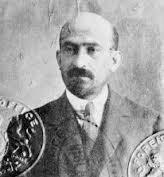
There is a story that charms me from the annals of Zionist history at the turn of the 20th century. Arthur Balfour, a Member of the House of Lords asked Chaim Weizmann, who later would become President of Israel, “Why do you Jews insist on Palestine when there are so many undeveloped countries you could settle in more conveniently?” According to the story, Weizmann answered, “That’s like my asking you why you drove twenty miles to visit your mother last Sunday when there are so many old ladies living on your street. Mr. Balfour, if you were offered Paris instead of London, would you take it?” Lord Balfour was shocked and surprised by the question, “But London is our own!” Weizmann answered, “Jerusalem was our own when London was a marsh.” This same Member of the House of Lords famously crafted the Balfour Declaration in 1917 that made public British support of a Jewish homeland in Palestine.
At the Orangetown Jewish Center, we talk about Israel, our Jewish homeland, proudly, passionately and with the assurance of safety. There is room for debate and discussion, but we all agree that our home had to be established in 1948 on that tiny strip of desert and marsh. Then Palestine, today Israel, is “our own.”
We also agree that while we advocate and educate about the need for secure borders and freedom from terrorism in Israel, we must also pay close attention to Israel’s soul. As Conservative Jews, we have a specific vision of Israel that is anchored in religious freedom. We yearn to be a part of an Israel that is a pluralistic Jewish and democratic state with which every Jew can proudly identify.
Rabbi Scheff and I often suggest ways to lift our voices in support of the official recognition in Israel of all the major streams of Judaism. We believe that the authority of rabbis from non-Orthodox movements should be respected regarding all issues of personal status and ritual. Rabbis of the Conservative and Reform movements should be able to officiate at weddings, conversions, divorces and funerals in Israel as they do here in America.

Today, there is one specific action you can take to be a part of the potential Israel you envision. It is time now to vote in the World Zionist Congress that will meet this year in Jerusalem. The World Zionist Congress has met since 1897 when it first laid out the principles of Zionism, the belief that the Jewish people of the world must have a homeland of their own, the land of Israel. Today the WZC elects the officers and decides on the policies of the World Zionist Organization and the Jewish Agency.
It is time now to vote. It is time to vote for Mercaz, the political arm of the Conservative–Masorti Movement of Judaism. According to the Mercaz mission statement, a vote for Mercaz is a vote for an Israel that is pluralistic and inclusive, egalitarian and unified, sustainable and diverse.
Go to http://votemercaz.org/ to get started, to get educated, and to cast your ballot. It costs just $10 for your opportunity to change the future of Israel. And while you are at the website, you can see a great photograph and statement by our own Josh Drill. He writes about what Mercaz means to him as a young man making aliya this August.
Mercaz has also made a series of short, informative videos that you can share to educate friends and family about the important vision we share about the soul of Israel. https://www.youtube.com/watch?v=FnfPe8s6VCU
It is time now to vote! 
With friendship, Rabbi Paula Mack Drill
Loving Henry; Losing Henry
He always said, “Come visit me when my eyes are open, not after they are closed.” And I did. Over the years, Henry and I did a lot of visiting. I take comfort from the knowledge that he and I had quite a friendship, and that I followed his advice to visit him when I could. Still, despite his admonition, it was difficult to miss the funeral of one of the greats who helped to lay the foundation of today’s OJC.
Like so many of you, I have many memories of Henry. There were lunches at the diner, a shared mission to Israel, wisecracks on Shabbat, and heart-to-heart talks that went on much too long. Like so many of you, I thought that I was the one who was most special to him. Henry made us feel like that.
One snapshot out of time will stay with me as a cherished memory. Henry shared a chapter of his life story with me one afternoon after his Yiddish club met. He showed me photographs of himself and his brothers as young boys, arriving in the United States, to be reunited eventually with their father after being raised by their mother all alone.

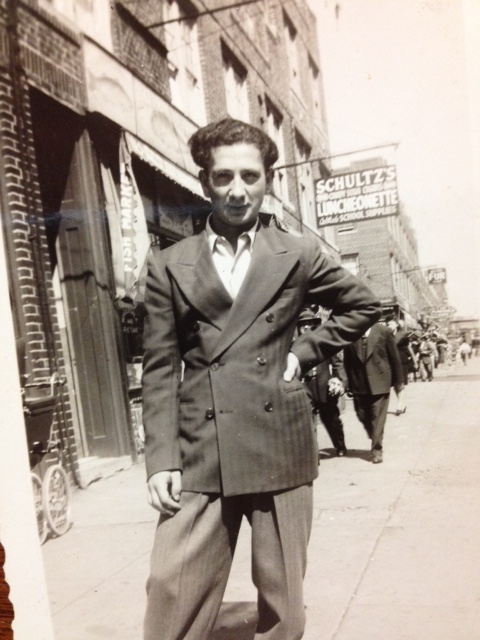
As he told me his story, between the lines, I heard the midrash of a boy who had felt abandoned and lost in a new country. Because of his childhood experiences, in his unique way, Henry dedicated his life to make sure that everyone around him felt included.
Rabbi Scheff told me about the broad spectrum of OJC congregants who came to pay respects to Henry at his funeral. It is not surprising to know that cronies from the Wednesday night poker game and from the kiddush club were there. It is not surprising that presidents and board members of the synagogue were there to pay honor to the man who always had plentiful suggestions. It is not surprising that Rabbi Scheff acknowledged that he was officiating at a funeral of someone who felt to him like a grandfather. Rabbi Scheff credits Henry with bringing him to OJC in the first place, and for giving him a vision of what a synagogue community could be. What might be surprising to someone who did not know Henry well, is the large number of young people who came to say goodbye to the man who had acted as a surrogate grandfather. His granddaughter Mara shared with mixed emotions that she always knew she had to share her grandfather with all the kids at the OJC.
In our synagogue community, there was no one who made him prouder than Mara. When she read Torah, led Shabbat morning services, or sang in the high holiday choir, Henry would beam. (Often he’d find me to whisper conspiratorially, “Did you know that they let girls lead services here?!”)
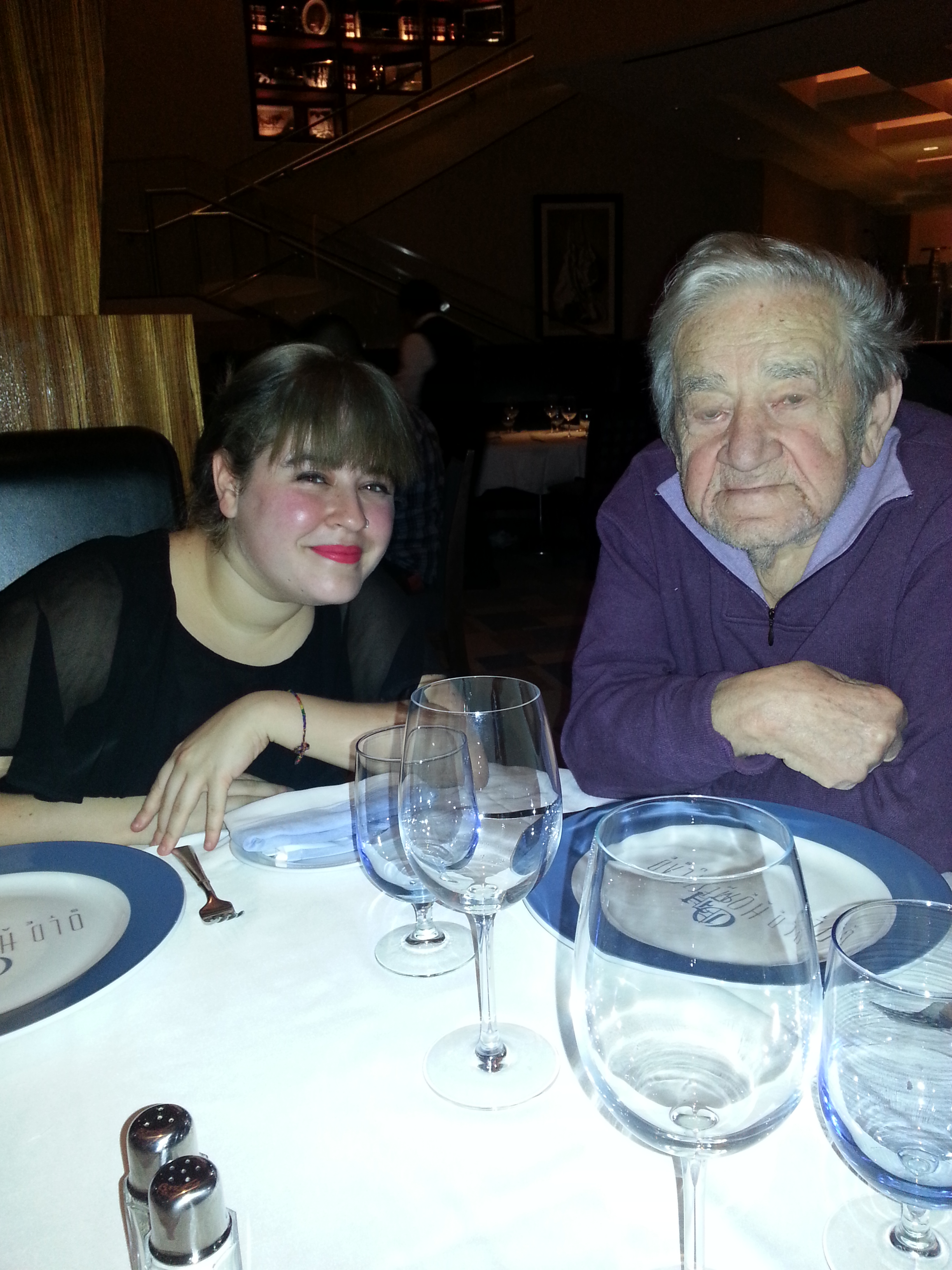
Many of us cry every year on the first night of Rosh HaShana when Mara sings She-hechiyanu. Part of the reason is the simple beauty of her voice. Part of it is the profundity of the words. But I am sure that much of it has always been anticipatory grief. We have known all along that we would not have Henry forever to be listening to his granddaughter praising God’s kindness for allowing us to reach another season. When we reach the next season, we’ll remember Henry and who he was to each one of us. We will thank God for another season and we will honor Henry’s memory as we listen to Mara chant She-hechiyanu.
May his memory be for a blessing. Rabbi Paula Mack Drill
Festival of the Daughters

What is a group of women doing in someone’s living room one night each month, introducing themselves with their matriarchal line and passing a candle from one to the next? We are celebrating Rosh Chodesh, the Jewish new month, a time designated by the rabbis as a festival for women. Rosh Chodesh Celebrations began this year to bring together women who are raising children at home for evenings of study, sharing and celebrating.
Each month our gatherings have been uplifting and meaningful. Through tears and laughter these women have found support and understanding in a close circle of OJC congregants, luxuriating in the gift of time dedicated to self and community.
Last night was a special Rosh Chodesh celebration as the group of younger moms met together with Sisters in Spirit, a group of OJC women whose nests are empty facilitated each month by Sally Kagan and Miriam Suchoff.
Rosh Chodesh Tevet is unique as it falls in the middle of a holiday, on the seventh night of Chanukah each year. Among the Jewish communities of North Africa, this auspicious night was designated as the Festival of the Daughters — a time for the generations to celebrate together. And so that is what the two Rosh Chodesh groups of the Orangetown Jewish Center did last night: we brought the generations together to celebrate.
One of the Rosh Chodesh Celebrations participants wrote about how much she enjoyed the special evening, “I always look to learn from the older, wiser and more experienced women (and men) in the world and often say that those sage people (like my dad) are hard to find these days. Their simple advice is so enlightening and comforting.”

Together we lit the chanukiah and immediately felt the magic begin.


After our opening ritual, Sally told the story of brave and wise Judith who saved the Jews who were under siege by the evil Holofernes. Sally’s storytelling technique was engaging and fun; you’ll have to ask her for a synopsis, but be sure to ask what she pulled out of her basket at the end of the story!
We used the lighting of seven candles to open us to seven questions about women we admire, blessings we would bestow on daughters, our own gifts to family, and more.

There were tears and words of support and much laughter. We concluded the evening with each woman offering a blessing to the woman to her right.


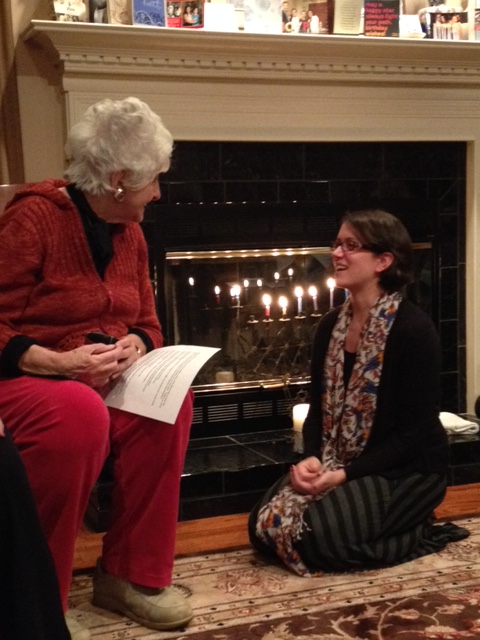
Without a doubt, there is magic in a Rosh Chodesh group. A group of women empowers one another to reach inside and tap into a place we often ignore. The group energizes us so that people not only feel good about themselves, but about the women surrounding them! As Sally Kagan says, “This is the essence of women gathering for Rosh Chodesh: that we all have the ability within our souls to capture the roots of our faith, the belief that we can nurture and be nourished by one another, and to understand what those first women in the red tents knew: that through the camaraderie and learning we are stronger!”
If you are a woman of the Orangetown Jewish Center, we hope that you’ll join one of the Rosh Chodesh groups. Contact me at Rabbi.Drill@theojc.org for more information. If you are a blog reader who is not connected to the OJC, be in contact for information on how to create a group of your own. And if you are a man, be happy for the women in your life that there is a safe and nurturing place for us to grow in a Jewish context.
Enjoy this eighth night of Chanukah. I pray that the lights in the darkness bring optimism to your hearts.
Chag Chanukah Sameach and Chodesh Tov, Happy Chanukah and Happy New Month,
Rabbi Paula Mack Drill
 Three Rabbis Walk Into A Shul
Recent Comments