The sacred registry
There’s a tension in this week’s Torah portion, Terumah, around how the Israelites are asked to contribute to the construction of the Mishkan (Tabernacle). On the one hand, gifts are solicited “from every person whose heart moves them” (Exodus 25:2). However, the next verse continues, “And these are the gifts that you shall accept from them: gold, silver, and copper; blue, purple, and crimson yarns, fine linen, goats’ hair; tanned ram skins, dolphin skins, and acacia wood; oil for lighting, spices for the anointing oil and for the aromatic incense; lapis lazuli and other stones for setting, for the ephod and for the breastpiece” (Exodus 25:3-7). The Israelites are invited to give of their own free will, but only certain gifts are acceptable.
As I am a few months away from getting married, I can’t help but read this list through the lens of a wedding registry. When we are invited to weddings, we may feel genuinely moved to give gifts. Yet couples do not typically ask guests to bring whatever they want, instead creating a registry to help guide their guests. Rather than go “off-registry,” we are meant to channel our generosity through the clearly-defined list of things the couple would actually find useful, beautiful, or meaningful.
God’s “registry” for the Mishkan is not so different. God wants to encourage the Israelites’ generosity and participation in this communal building project. The list of acceptable donations ensures that everything will have a purpose, and that the project will have a unified aesthetic and shared vision. The same is true of wedding registries. Every item is chosen intentionally, every item is desired, and every item contributes to the shared home the couple is building. These gifts also bring the givers into the home, as we remember our loved ones when we use the gifts they gave.
A wedding registry is also aspirational and forward-thinking. On any given day, I might choose a kitchen item based on cost and immediate need. For a wedding, however, I consider other factors, too–what is beautiful, what will last, what will elevate our shared life over time. The instructions for the Mishkan show the same sensibility, suggesting that it will be a structure that is beautiful as well as functional, one that will elevate the spiritual life of the Israelite community for many years to come.
We give gifts to mark milestones and status changes, for occasions like birthdays, anniversaries, and retirements. Wedding gifts celebrate the new status of a couple’s relationship and the formation of a new shared home. The Mishkan, too, celebrates the new relationship between the Israelites and God after receiving the Torah, and a new dwelling-place for God and the Israelites to share. By requesting specific gifts, God gives the Israelites a way to tangibly participate in this new relationship. Their gifts are not random; they add beauty to the sacred space and the life God will be sharing with the Israelite community.
Parshat Terumah reminds us of the importance of balancing genuine generosity with a shared vision. When we align our gifts—of time, resources, and creativity—with the needs and aspirations of our communities, we help build spaces and relationships that are enduring and elevated.
Rabbi Claire Shoyer
A mother’s prayer
Perhaps it was the timing of coming together in these post-October 7 days.
Perhaps it was an escape from all the protests that seem to want to besmirch or obliterate our Jewish identities.
Perhaps it was the complicated vibe of Yom Hazikaron (Israel’s memorial day) and Yom Ha’atzmaut (Israel’s independence day) juxtapositioned back to back, and our desire to connect to that vibe from afar.
Perhaps it was that so many of us were without our mothers, either because of distance or loss, or without children.
Perhaps it was because a young Jewish mother was sitting in front of us on this Mother’s Day morning, having left three of her children overseas, singing to her husband who sat across from her and to us, needing to open her heart and share her music about parents and children and wanting to feel safe in a place she calls home and loving the land and all its problems and wanting no war and wanting her husband to return safely from reserves and believing in peace and needing to spread word about the power of love.

Whatever the reason, what started out in concept as an opportunity to acknowledge Israel’s two days of remembrance and gratitude during this uniquely complicated time was instantaneously transformed into a holy moment. We could not have anticipated the flood of emotion, the sense of hearts opening in our midst, the tear-streaked and smiling faces from the moment Yoni and Nina (“Yonina”) began to sing Al Kol Eleh (“For all these things, watch over me my good Lord, for the honey and the thorn, for the bitter and the sweet”). What might have been a forty-five minute singalong of Israel songs became a timeless ritual of holding our collective breath, inhaling deeply with a sense of wonder, awe and reverence for it all, and then exhaling the exhaustion, anxiety and sadness, only to repeat the exercise with each song.
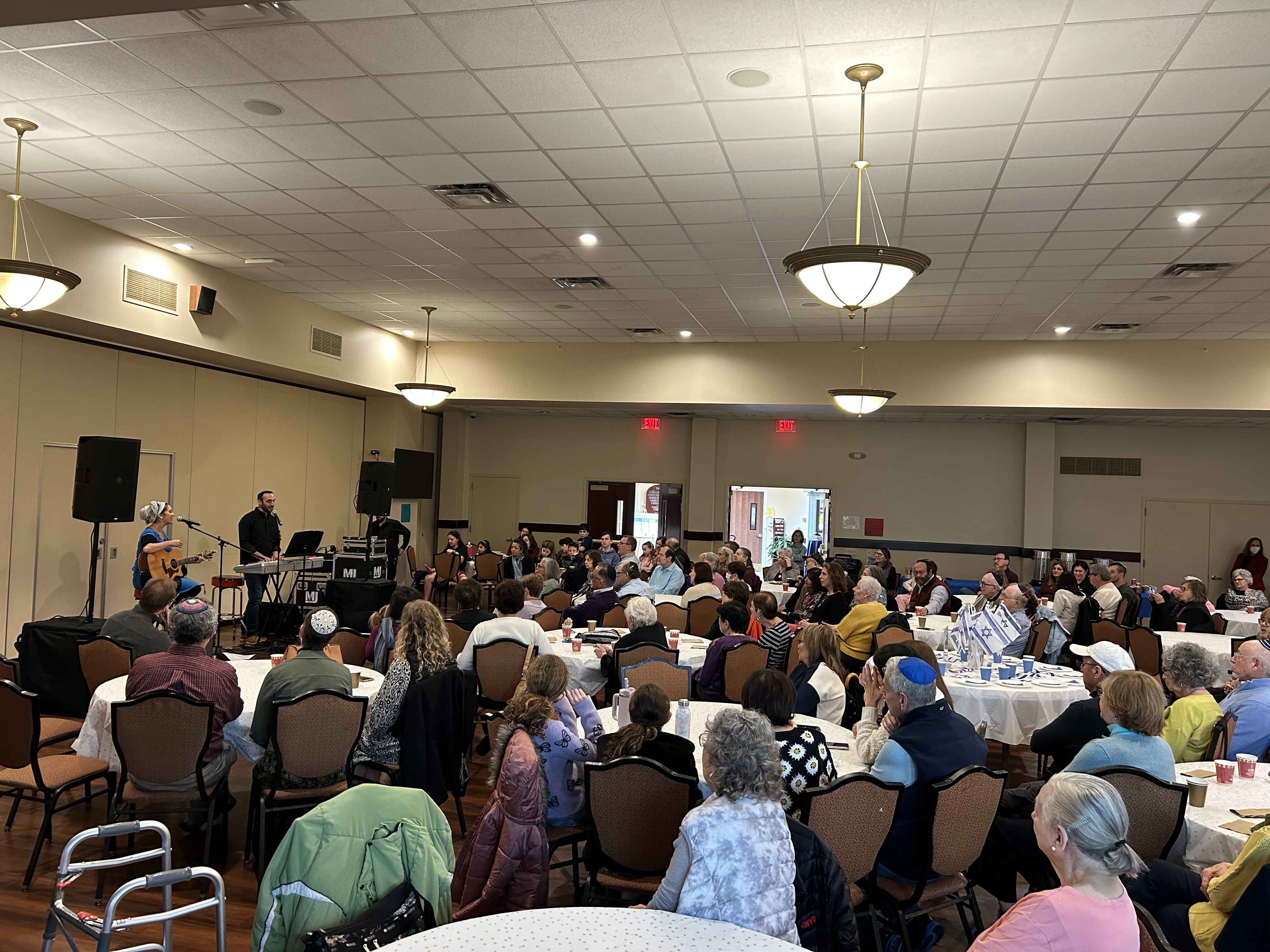
Yoni and Nina came to us with Rabbi Hersh’s urging early in the spring of 2020. They performed via Zoom monthly on Friday morning to help us connect heading into Shabbat in a time when we could not yet gather physically. Their music, for many of us, has continued to feed us, uplift us, connect us. While we felt this personal appearance was a homecoming for them of sorts, I know they felt the conflict of being away from their one home, their parents, and their children.
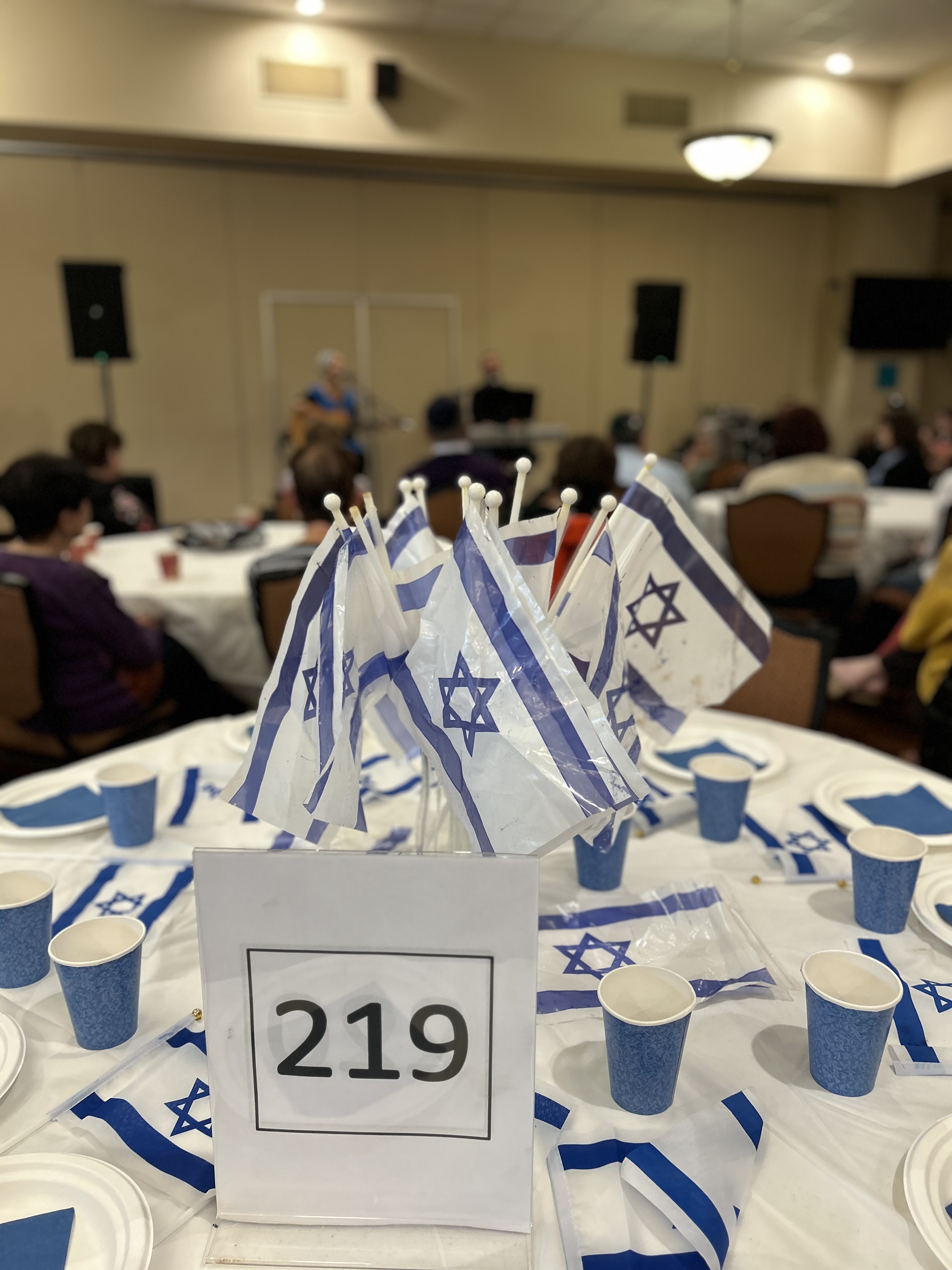
For ninety perfect minutes, with the help of their music, lyrics and heartfelt stories, we ascended together out of the time and space that restricts us. We were all home with one another, all connected to our mothers and fathers, all feeling the love we give away coming back to us, all absorbing the resilience and hope shared by these two loving artists.
In their song Melaketet kochavim (“collecting stars”), Nina and Yoni sing to each other from afar, a mother caring for children and home, a father fighting a war, both hoping to reunite safely and soon, holding onto hope that their dreams will soon be realized:
So now I am gathering all of my strength
of kindness, and of faith
that good days are yet to come
that the songs of joy will return to us
and I hug the children tightly
to protect from the storms outside
and in all the craziness
under black skies
I gather stars
Inhale. Read the words and hear the song. Exhale. Repeat.

Happy 76th birthday, Israel. May this year be better than the last, one in which your children’s dreams come true, one in which your hope is realized.
Rabbi Craig Scheff
Three Year Old’s Theology
We have entered the Universe of Why. At the age of 3 1/4, Carmel‘s conversations are now punctuated with a demand for more explanation: Why, Bubbe? But why, Bubbe?
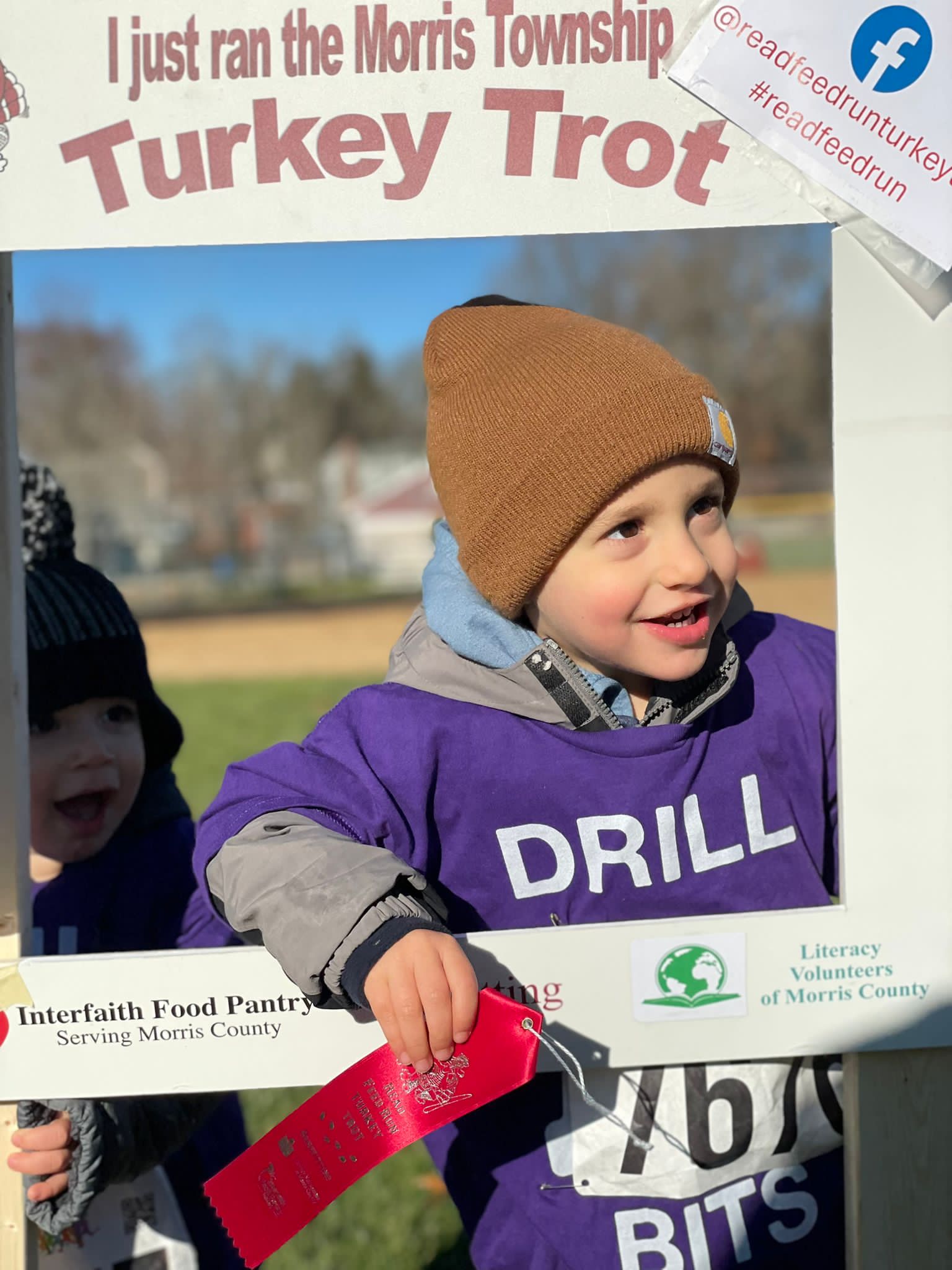
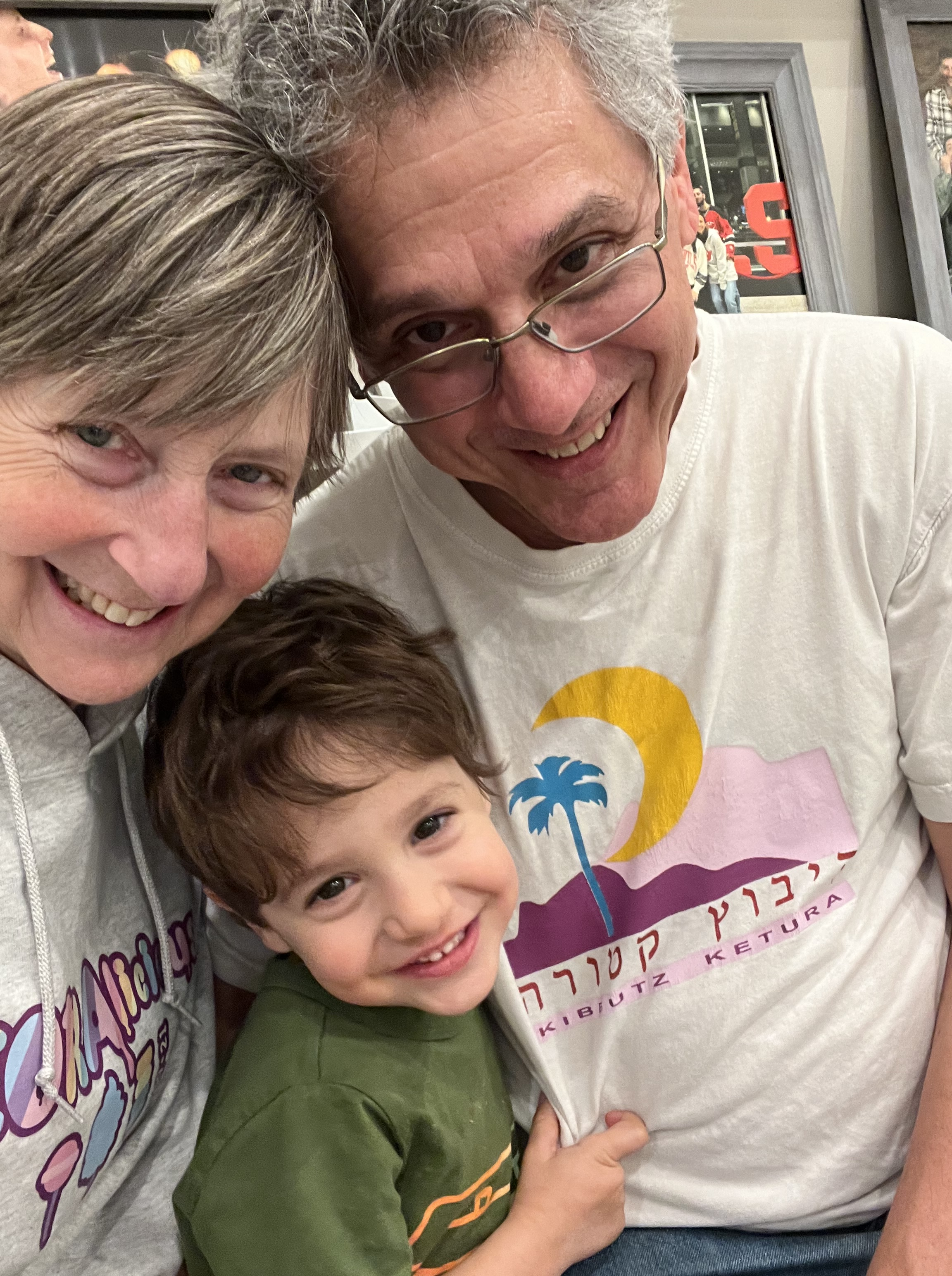
Luckily for me, there is one generalized answer that satisfies Carmel every time and has done so since before he was able to verbalize these questions. My answers are very often about God.
On the way to childcare this morning, many branches are down and lying in the streets. We discuss the heavy wind-driven rain of last night, and Carmel asks me why it happened.
“God made the storm and also blessed us with safe homes so that we can listen to the wind and rain, but not be outside in it.” Carmel agrees, “God keeps us safe and cozy.” (Cozy is a favorite word for Carmel who learned it from his mother who really loves to be cozy at home!)
We see work crews clearing leaves from clogged storm drains and Carmel asks why.
“God plans for snow, rain, and sun to take turns, but sometimes the rain is too fast and hard. So people have to help protect each other and the earth. We are God’s helpers.” This makes sense to Carmel, “I’m a helper.”
The sun suddenly peeks out from between the gray morning clouds so we discuss the rays of light that we can see; and yes, Carmel asks why.
“God created the sun, the moon, and the stars on the fourth day, and God really liked what was created and said that it was very good.” The creation story is one of Carmel‘s favorites, and he accepts it without question. “Tell me that story again, Bubbe!” I suppose God is another character for him alongside the Little Blue Truck and Pinkalicious!

At three years old, Carmel knows that when a breeze passes through the leaves of the tall trees in our yard, God is telling him that he is seen and he is safe. When the stars twinkle in a night sky, God is telling him that God is always with him so he is never alone.
Carmel loves to be in the OJC sanctuary and knows that the Torah is God‘s story of how we can be good people. He understands that God is with us in the sanctuary when we sing and pray together.
As Carmel continues to grow older, life will undoubtedly challenge his easy connection with God. He might just get busy and forget how simply God is the answer to so many questions. He will inevitably come to understand the contradictions and difficulties in the way the world works, and will learn that God cannot be the answer to every question. Life will disappoint or hurt him, and he will hold God responsible.
When these changes happen, I hope that Carmel will hold onto his unquestioning faith in God in the quiet moments when he is alone.
In that way, he can return to his simple and depend upon a connection with God when he grows older, and seeks to understand the answers to far more difficult questions than why branches fall down in a large windstorm.
I only know that the simplicity of his faith reminds me of the possibilities of my own faith. Can we recover the belief of our three year old selves in quiet moments? It might just be a start.
Rabbi Paula Mack Drill, a.k.a., Bubbe
The Palace is Either Lit Up or On Fire
We welcome our colleague and congregant, Rabbi Ted Lichtenfeld, as a guest blogger this week. He offered these powerful words on Parashat Lech L’cha this past Shabbat to honor the brit mitzvah of his child.
The Torah tells us nothing about Abraham’s personality or motivation. It
just begins his story by telling us of his family background and then that
God instructs him to move from the city of Ur in Mesopotamia to “a land
that I will show you.” We learn more about his character as the Torah goes
on, but pre-rabbinic legends and the Rabbinic midrash spend a good deal
of time explaining why God chose Abram. Abraham was the person who
discovered the one true God, setting the stage for Judaism, Christianity,
and Islam. The Midrash Rabbah on Genesis tells the following parable:
This is analogous to one who was passing from place to place, and
saw a palace all lit up. [Noting that such a beautiful illuminated palace
must have been built by somebody,] he said: ‘Is it possible that this
palace has no one in charge of it?’ The master of the palace looked
out at him and said: ‘I am the master of this palace.’ So, because
Abraham our patriarch was saying: ‘Is it possible that this world is
without someone in charge?’ The Holy One blessed be He looked at
him and said to him: ‘I am the master of the world.’
In this way, Abraham through intellectual investigation comes to believe in
what we call the teleological argument for the existence of God. A world of
such seeming order and wonder – like a many-roomed palace – could only
have come about through a Creator, and it must have a Master watching
over it.
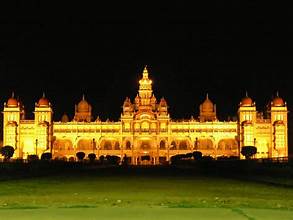
But there is another way of translating this midrash. In this version the
Hebrew birah doleket means not “a palace all illuminated,” but rather, a
“palace completely on fire.” In this version, the traveler sees a building
completely on fire, thinks, “Well, someone must have built this thing.
Where the heck is he?!” By and by, the owner of the palace sticks his head
out and says, “I am the master of this palace.” The midrash now means
that Abraham sees the world as a dumpster fire. He thinks, “Where the
heck is the Creator of the world?! Has he completely stopped paying
attention?! And then Adonai reveals Himself as “the Master of the world.”
Without belaboring the point, the world as dumpster fire probably feels to
many of us like a not unreasonable analogy to the present moment.
The original meaning of the “palace on fire” story was probably more
comforting to the Rabbis than it is to us. In fact, the original idea was that
the world only looks like an out-of-control conflagration. In fact, all the
recent disasters that Abram knows about, like Noah’s flood, were a result of
a God who is completely in charge, and were a means of just punishment
of the wicked.
But our teacher Rabbi Abraham Joshua Heschel, z”l sees much more
complexity in all the bad that happens in the world. Heschel, ud mutzal
me-esh, a brand plucked from the fire, lost his whole family in the
Holocaust and was not one to sugarcoat the cruel reality of the world. In
fact, in God in Search of Man, he tells our midrash twice. Early on he tells
the “a palace filled with light” version and speaks of how our wonder at the
world can inspire faith in God. Chapters later, he tells the “palace on fire”
version, as an introduction to the section entitled, “The Problem of Evil.”
His summary of our midrash poignantly declares, “The world is in flames,
consumed by evil. Is it possible there is no one who cares?”
The idea that God cares, and even more important, that we as human
beings must, pervades Heschel’s discussion of evil. Writing ten years after
Auschwitz was liberated and the Germans surrendered, he worries that we
have become “callous to catastrophes” and that “our sense of horror is on
the wane.” (I think of Lewiston, where my reaction was both horror and the
thought, “Oh, another one.”) But even more worrisome to him, rather
prophetically, is the confusion of good and evil.
In this world it seems, the holy and the unholy do not exist apart, but
are mixed, interrelated, and confounded. It is a world where idols
may be rich in beauty, and where the worship of God may be tinged
with evil.
This seems truer than ever in a world where students rightly concerned
with fair treatment of the Palestinians descend into frightening
anti-Semitism. A world where an Israel which in the wake of horror must
rightly neutralize Hamas maintains a Jewish terrorist as national security
minister.
So how do we face a world burning out of control? As much as the God of
Abraham may be the Guide, the sovereign of the world, what we do is much more important than what we believe about God’s justice. Torah is
the antidote. The mitzvah is the response. Heschel expands on this idea:
Neither the recognition of the peril nor faith in the redemptive power
of God is sufficient to solve the tragic predicament of the world. We
cannot stem the tide of evil by taking refuge in temples, by fervently
imploring the restrained omnipotence of God. The mitzvah, the
humble single act of serving God, of helping man, of cleansing the
self, is our way of dealing with the problem.
In this moment of disaster upon disaster, I wish I had a more expansive
answer. But I find hope in the fact that Judaism has endured through the
ages with a healthy understanding that the world is a palace that is
sometimes miraculous and beautifully illuminated and sometimes burning
down. May we respond by doing mitzvot, by shoring up the spirit of our
fellow Jews, by contributing to the welfare of all people. May our faith in the
one God of Abraham lead, however slowly and gradually, to a universal
belief in the oneness of all humanity.
A kingdom of priests
Do I turn to God more often from a place of distress, or from a place of contentment?
For three weeks in January, Lindsay Goldman, a third-year rabbinical student at the Jewish Theological Seminary and a long-time member of our synagogue community, challenged her students (that includes me!) to consider their relationships with God. In her third session, she posed the question above. Nearly all the participants, not so surprisingly, responded that they turn to God most often when they find themselves in need.
These past months have presented so many painful moments, and I can certainly understand why people would be moved to prayer for Divine intervention, healing and equanimity. Our traditional liturgy reassures us that “God is near to all who call, to all who call upon God in truth” (Psalm 145). In those moments of distress, we are given words to use when “Help me, God” doesn’t come so easily: “From the narrowest places I have called out to You; answer me in your Divine expansiveness” (Psalm 118). And the tradition reassures us of God’s presence: “God is near to those who have a broken heart, and saves those who have a crushed spirit” (Psalm 34).
As we call to God from our pain, we are told that God is near us, embracing us in our pain. Yet, while we may be assured that God hears our prayers, God’s reply is more difficult to discern. Does God intervene to relieve us of our suffering? Does God bind our wounds? Or is God’s answer to be found in our knowing that we are heard, that we are not alone, that our “healing” at some level will emerge from the relationship we share with God?
I have revisited my response to Lindsay’s question numerous times in the last days. And on a snowy day in February, I return to my answer again. Safe and warm, with a stocked refrigerator and a phone that can connect me to the other side of the globe, with family and friends who offer voices of support and comfort, I turn to God in gratitude.

Personally, I rarely call out to God from a place of distress. When I am in need of strength or comfort, I turn first to the other people in my life—my family, my friends, my community. They are my strength, my comfort, my healers. Their presence lifts me, and their love is the source of my resilience. I don’t call out to God in need, perhaps because I recognize that God has given me—in the form of the people in my life—everything I need to endure, find meaning, heal and persevere.
Perhaps I choose to put my faith in others in my times of need because my personal experience has been one of others putting their faith in me. In my role of rabbi, I have been charged with the responsibility, and have been granted the privilege, to step into many of those moments when others find themselves in pain. Although even friends and family are left wondering what they can do, I am empowered by the ritual of our tradition, the wisdom of our sages and the trust of a community to be among the primary responders to people’s crises. My experience has reinforced my belief that, in the midst of hardship, people must step into the breach to bring relief. God’s listening ear brings one measure of comfort, but the work of our hands will deliver God’s love. Especially for those who feel alone in the world, it is incumbent upon each of us to offer those hands in care and kindness.

In this week’s parsha, Yitro, God expresses the hope that we will be to God “a kingdom of priests and a holy nation” (Exodus 19:6). The Hebrew word for “priest” is kohein, and is more accurately translated as “minister.” Like that English word, the Hebrew word carries the connotation of service (as in “to minister to the needs of others”). God, then, expects us to be a community of individuals who minister to each other’s needs. In doing so, we become holy. In my mind, being holy means that we carry with us God’s presence. It is this holiness I choose to make note of in my world, day in and day out, in the simplest of kindnesses and the most common of beauties.
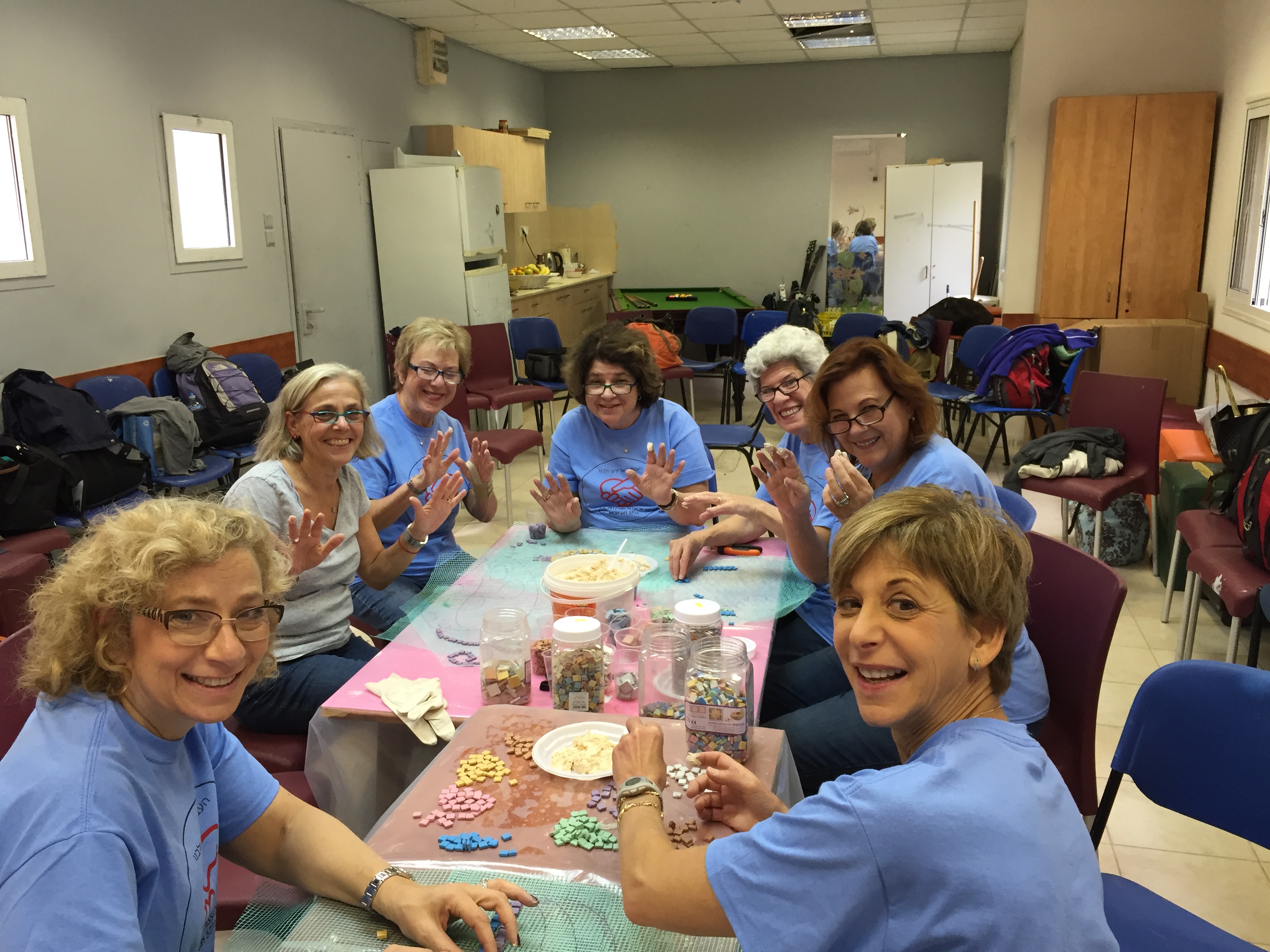
It is this practice of gratitude—acknowledging God in moments of peace and thanking God when I recognize blessings—that has conditioned me to see the presence of God through the goodness of others.
In the Talmud, we are taught: “And I shall pray to you God at a time of favor. When is it a time of favor? When the community prays” (Berachot 7b).
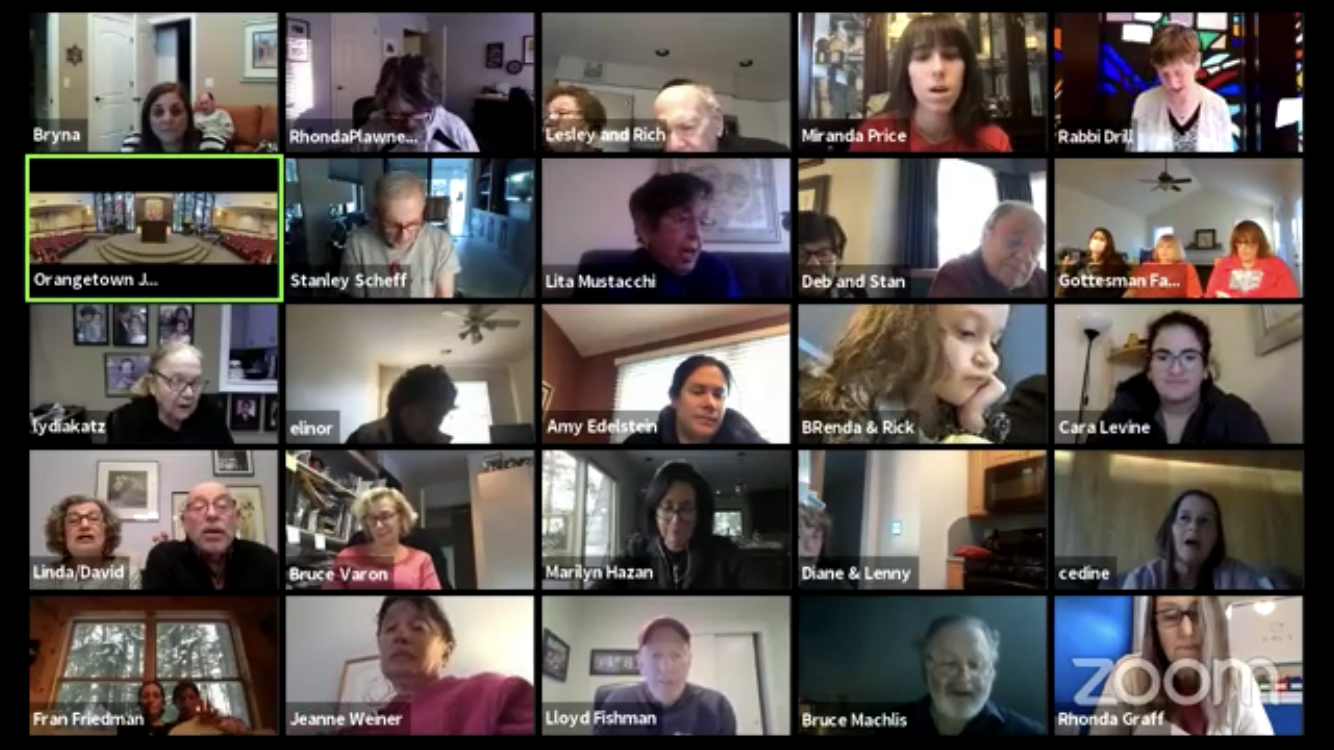
I find my comfort, contentment and calm in community. I find my energy, uplift and inspiration in community. I thank God for you all every day, whether we connect personally, virtually or at the level of the soul. From a place of love, appreciation and joy.
Rabbi Craig Scheff
Are We There Yet?

More accurately, I recall those occasions when I was old enough to appreciate the question as a recurring joke. After all, at that point of my life the signs along the way had become familiar: the Howard Johnson’s off the Merritt Parkway; the Charter Oak Bridge bypassing Hartford; the entrance to the Massachusetts Turnpike; the ramp onto Route 128. Even as a child, I knew how long was the trip, and what was the time of our estimated arrival. And I’d certainly recognize my grandparents’ driveway on West Roxbury Parkway to know we had arrived.
In the second month of the second year of the Israelites’ wandering, they do not yet know that they will be destined to wander forty years. I can imagine the children asking with each leg of the journey, “Are we there yet?” Even with the commandments as a guide, new rituals for drawing near to God, and the structure of a community that encamped as one, I imagine a lingering uncertainty that gnawed at even the most faithful. After all, so many of those commandments were given to be observed in the Promised Land; when would we get a chance to put them into practice?

In these days of confusion and uncertainty, I am reminded of that child in the backseat, before the question was posed for a laugh. Impatient, cooped up, unable to measure the passage of time, his anxiety is compounded by the fact that there seem to be no lanes on the road; that every driver is traveling at a speed of their own choosing, changing lanes at will; and that we are all supposedly heading towards the same destination with no one actually knowing its address.

As we approach the holiday of Shavuot and the celebration of receiving Torah, I appreciate more than ever the teaching of the Kli Yakar (Shlomo Ephraim Luntschitz of Prague, 1550-1619), who offered that the Torah avoids explicitly naming Shavuot as the occasion of the Torah’s giving so that we may view every day as the day of revelation. Reflecting from the backseat of this journeying vessel, I question whether the destination does in fact lie somewhere ahead of us. What if this pandemic signifies a moment in time when we are asked to redefine the priorities of our lives, to reexamine the use of our resources, and to reconsider the distribution of our wealth? What if this is the moment of revelation to prepare us for future pandemics and crises that will confront humanity more than once each century? What if this is the time to which Torah speaks with more meaning and relevance than ever before?
Perhaps this is not a grim view of the future. Perhaps it is the opportunity to see Torah operate more fully in our lives. Perhaps it is our chance to shape a world of compassion and caution, of empathy and equality; a world that necessitates the constant navigation of risks and benefits, of conscious living; a world of respect for personal boundaries and concern for the boundaries set by others.
Perhaps we are already there.
Rabbi Craig Scheff
Can this be God’s will?
The video message arrived as an attachment from a trusted source. I opened it and began watching. The scenes of smogless skies, clear waters, and lush fauna served as a reminder that a world was being reborn around us, and that our stay-at-home quarantine was having the side benefit of giving Mother Earth a sabbatical, the chance to catch her breath. The beauty of the world around us could serve as a silver lining of this challenging time.
The second video message arrived within a couple of hours. It came from a name I knew, though someone I hadn’t connected with in quite some time. I opened it and began watching. It depicted similar scenes of smogless skies, clear waters and lush fauna, with facts about how much cleaner our world is today than at any other time in recent history. The video, however, was not a PSA for climate change. Its final scene was a man with the title of “Rabbi” trying to reassure me that the current pandemic was God’s will, part of the divine plan to renew the earth.

I was surprised, to say the least. Did the sender of the second video actually think that I would find comfort in its message? Have I ever given off the sense that I embrace and am comforted by a God who would will the death of hundreds of thousands of innocent people to advance a plan? What then could I say about God’s role in the Holocaust? About an innocent pedestrian hit by a drunk driver? About a cancer victim? About a parent losing a child? About a natural disaster that claims dozens or hundreds?
I don’t need to rely on theologians for my answer about the nature of God, instructive though their perspectives may be. Buber, Heschel, Wiesel and Kushner (with all due respect) don’t know anything more than you or I do when it comes to God. The rabbis across the centuries have offered many paths to faith, some that even stand in conflict with one another. God is, after all, infinitely unknowable. What theologians have going for them is that they think about the question of God long enough to develop consistency. Want to be a theologian? Work at it, test your opinion against theological questions, and be consistent!
Somewhere along the line of time, well before The Wizard of Oz, we started referring to God as perfect, all-knowing and all-powerful. While God does credit God’s self in the Torah as the Creator, God never uses these other descriptors for God’s self. God changes God’s mind, God admits to making mistakes, God learns and grows. At best, God says God is compassionate and loving, truthful and holy, and more powerful than other gods; at worst, jealous and judgmental, begrudging and impatient. The notion that God is all-powerful and all-good can’t withstand the test of consistency by my standards of goodness and justice. The notion that God is all-powerful but not all-good is untenable personally.
These weeks on the Jewish calendar would be a challenge to Jewish theology without a pandemic raging around us. From the death of Aaron’s sons for their “foreign” sacrifice to the command to be “holy” because “I the Lord your God am holy”, from Yom Hashoah and Yom Hazikaron (Memorial Day) to Yom Ha’atzmaut (Independence Day), it can be so tempting to conclude that all is connected in some divine plan that necessitates God‘s intervention at certain times but doesn’t warrant God‘s intervention at others. I cannot and will not place my hope in an omnipotent god who requires the sacrifice of innocents or matyrs for the sake of learning lessons, realizing dreams, or cleaning the air. God promised us: No more floods at God’s direction to destroy the earth.
But that doesn’t mean there won’t be floods.

Personally, I’ve come to the conclusion that God is perfectly imperfect, as are we. God purposefully gave us free will and God intentionally introduced an element of chance into our existence. Without this measure of unpredictability, we’d be as naive as Adam and Eve in the Garden of Eden, without the ability to make choices that reflect God’s glory (and goodness) in the world. As our sages taught, “Everything is in God’s hands except for the fear of God.” God controls everything except the choices we make. Those choices have long-ranging consequences that God will not control, and those same choices can reflect well or poorly on God. But in God’s love and goodness, God has given us the infinite potential to learn, grow and change course. It’s God’s hope that we see the God-given strength within to persevere, to live, to celebrate and to spread our hope.
We have been divinely inspired to create a way of living that reveals God’s goodness in an imperfect world. It’s that very imperfection that presents us with the opportunity to rise to the level of the divine. I will appreciate that which I perceive as miraculous without understanding what merits such grace. I will bemoan that which I perceive as tragic without attempting to explain, justify or defend. I will hold onto my faith that the goodness of God, as reflected in the actions of others and in my own choices, will raise us all towards a higher plane of meaning and love.

God is hope, faith, and goodness, along with the strength to live our lives accordingly in a perfectly imperfect world.
Rabbi Craig Scheff
Abiding in the amazement
Cain kills Abel; God asks Cain where is his brother; Cain claims not to know, and challenges God by proclaiming he is not Abel’s keeper. God replies that the blood of Abel is calling out. The Midrash boldly suggests an alternative reading: the blood of Abel is yelling at (or against) God, accusing God of standing by and permitting the injustice. (Genesis Rabbah 22:9)
As has been pointed out with respect to the Shoah, we are quick to ask where God was; less frequently do we ask where was Humanity.
As Holocaust survivors, my grandparents have never held God responsible for the deaths of family members or for their earlier years of torment. They do, however, consider their lives and their descendants miracles of God. They’ve never claimed to be more righteous or deserving of God’s attention or intervention; but they accept their gifts of life as miraculous nonetheless. For them, every day — despite the aches and pains, the losses of loved ones and the toll of the mundane — is a miracle.
Just off of Yom Hashoah and Yom Ha’atzmaut, I wrestle with my seemingly conflicting understanding of God. In reflecting on the Shoah, I say God was not accountable, except to the extent that God made room in the world for our free will. That conscious act created the possibility for the distinctiveness of good versus bad, of right versus wrong, of exultation versus disappointment. Put another way, in making room for evil, God created the possibility for us to live lives of meaning, as opposed to merely existing.
And yet, when it comes to the birth of the State of Israel — as is the case of the birth of my children — I proclaim that God was “in the room.” Despite the many sleepless nights that follow those births, I abide in the amazement of the miracle, as my grandparents do and as we as a people do, every single day.
I personally cannot believe in a God that would desire the suffering of the innocent or the young, of family or friends. I choose to believe in the God that invites me to choose life over death, blessings above curses. My God is the God that abides in the blessings I bring when I offer comfort, strength and healing energy. My God is the God that is revealed when I come together in community to offer prayer and to mobilize in action. My God is the God that is felt in the hearts of the suffering when they feel me acting as their keeper.

Do you wish to help a friend, but don’t know how? Do you wonder where God is in the suffering? Choose life. Recite Psalm 121 daily at 7:30pm with and for Rabbi Drill as she, with God’s and our help, experiences a refuah shleimah (complete healing), and add a psalm of healing for those in your life who are in need. Give someone else the gift of life, and donate blood. Perform an act of kindness in the name of a loved one. Remember someone you love. Abide in the amazement of something you once called a miracle.
Shabbat shalom, and a speedy recovery, my friend,
Rabbi Craig Scheff
Not my God
The Torah’s narrator tells me that two sons of Aaron the High Priest brought a strange fire as an offering to God, an offering not commanded. A fire goes forth before God and devours Nadav and Avihu. Moses, in a moment of poor pastoral care, blames Nadav and Avihu for their failure to sanctify God when they had the opportunity to do so. Our rabbinic commentators, relying upon the juxtapositioning of the verses that follow, accuse the boys of being drunk or arrogant. All these readings justify one troubling presupposition: God willed the death of the boys.
Sorry, not my God. Even if the boys did something wrong, “God does not desire the death of the sinner.” And if the Torah’s narrator and commentators are just grasping at straws, trying to assign to God something beyond our limited comprehension, what kind of just God takes innocent life? How can I possibly believe in a God who would claim–or even permit the slaughter of–a million children’s lives? And if I pass off all that I don’t control as “bashert” (predetermined or meant to be), then what happens to my free will and ability to grow, learn, change and make a difference?
My God is a God that dwells within me. Perhaps there was a time in the early history of humanity, when God had to intercede in the course of history, make a big splash, split a sea, or bring food from the heavens to earn our faith. But that was before God made a covenant with the Jewish people that expressed God’s will for this world and the directions to fulfill it, making room for us to show our potential as humans created in the image of the Divine.
My God is the God that has blessed me with strength, resilience, perseverance and humanity. My God is the God that has made room for me in the world, empowering me to act, to influence, to show humanity its greatest potential.
The wonder of it all is that I still believe in the possibility of miracles. I can’t rely only them to ward off the consequences of our actions or to change the natural course of nature, or even to control the measure of randomness that exists in this world. I trust in those miracles, nevertheless, to keep me humbled and in awe, hopeful and striving. Israel’s establishment was such a miracle in my eyes; but it came about with sacrifice of thousands of lives whose agency enabled the miracle to happen.
I can’t blame my God for that which I don’t understand; I can’t accept everything as God’s will. My God mourns with me; hurts with me; cheers me on to get it right; rejoices with the display of my empathy, compassion and humanity. My God believes and anticipates with full faith the coming of my redemption. And even though I may tarry, my God believes in me, and waits.
Shabbat shalom,
Rabbi Craig Scheff
Women Rabbis Lean In at JTS
I was one of sixty women, all members of the Rabbinical Assembly of Conservative Judaism, who gathered at the Jewish Theological Seminary on Monday and Tuesday, December 9 and 10 to connect, learn and replenish our minds and souls. The title of the conference was “Leaning In, Leaning Out, Learning from Each Other.” The learning, prayer, and opportunity to connect were all valuable.

But that is not what is on my mind as I think about the conference in the days since it ended. I am thinking about what it means to be present, completely and wholly present. In her opening talk, Rabbi Amy Eilberg, the first ordained woman of the Conservative Movement of Judaism, explained to us that her work has been about cultivating compassion. That work, she asserted, can only happen through true listening, through being present to another and thereby to God. She reminded us that careers in the rabbinate are guided by what we believe God wants of us more than by ambition.
I spent the rest of the day asking myself how I could ever know what God wants of me. As I listened to fellow rabbis, talked in small groups, and took notes, I asked myself the question about what God wants. And then the answer came to me as I pictured myself in our sanctuary at the OJC. Above the ark, the words are carved: “Shiviti Adonai l’negdi tamid.” I place God before me always.
I can know what God wants of me by being quiet enough, in the sanctuary of my soul, to listen. And to do that? I must be present. I must be in the moment with each of you, with the children of the Religious School, with the youngest children and their grown-ups at Early Kabbalat Shabbat. I must be fully present in your loved one’s hospital room, at your kitchen table or across the table from you at Starbucks. I must be present in the moments we share on the telephone.
And then, at the end of our moment, I must listen to my soul deeply enough to reassure myself that I am doing what God wants of me. Did I listen to you? Was I fully present to you?
It is not easy to be fully present in the year 2013. As we rabbis sat in a room, sharing our dreams, our insecurities, our prayers, many of us focused on the faces of whoever was speaking. If I place God before me always, then I must look for God in the faces of my fellows.
But a great number of us were typing away on i-pads, laptops, phones. Several in the room were tweeting. A difficult conversation erupted about this fact when confidentiality was breached with tweets that quoted what specific women were saying. Those who were tweeting defended their actions by stating the importance of sharing what was happening in the room with the public. I wonder how we can be in this moment, however, when we are already shaping it to share it with a nameless public. I understand that tweeting is meant to connect us, but doesn’t it distance us instead?
One rabbi said that she is more focused when she is tweeting than when she is just listening. There is a difference, however, between being focused and being present. Rabbi Eilberg had just told us that we must remember to be present to others. The result of the conversation was to shut down the tweeters. Sometimes it is valuable and important to get the word out. I understand the value of social media; after all, here I am blogging to you all! But sometimes it is much more important to get the word in. Lean in, lean out. Utimately, we chose to lean in, to lean within, to be present to each other and to ourselves — with the hope and prayer of being present to God.
 Three Rabbis Walk Into A Shul
Recent Comments