Three Year Old’s Theology
We have entered the Universe of Why. At the age of 3 1/4, Carmel‘s conversations are now punctuated with a demand for more explanation: Why, Bubbe? But why, Bubbe?
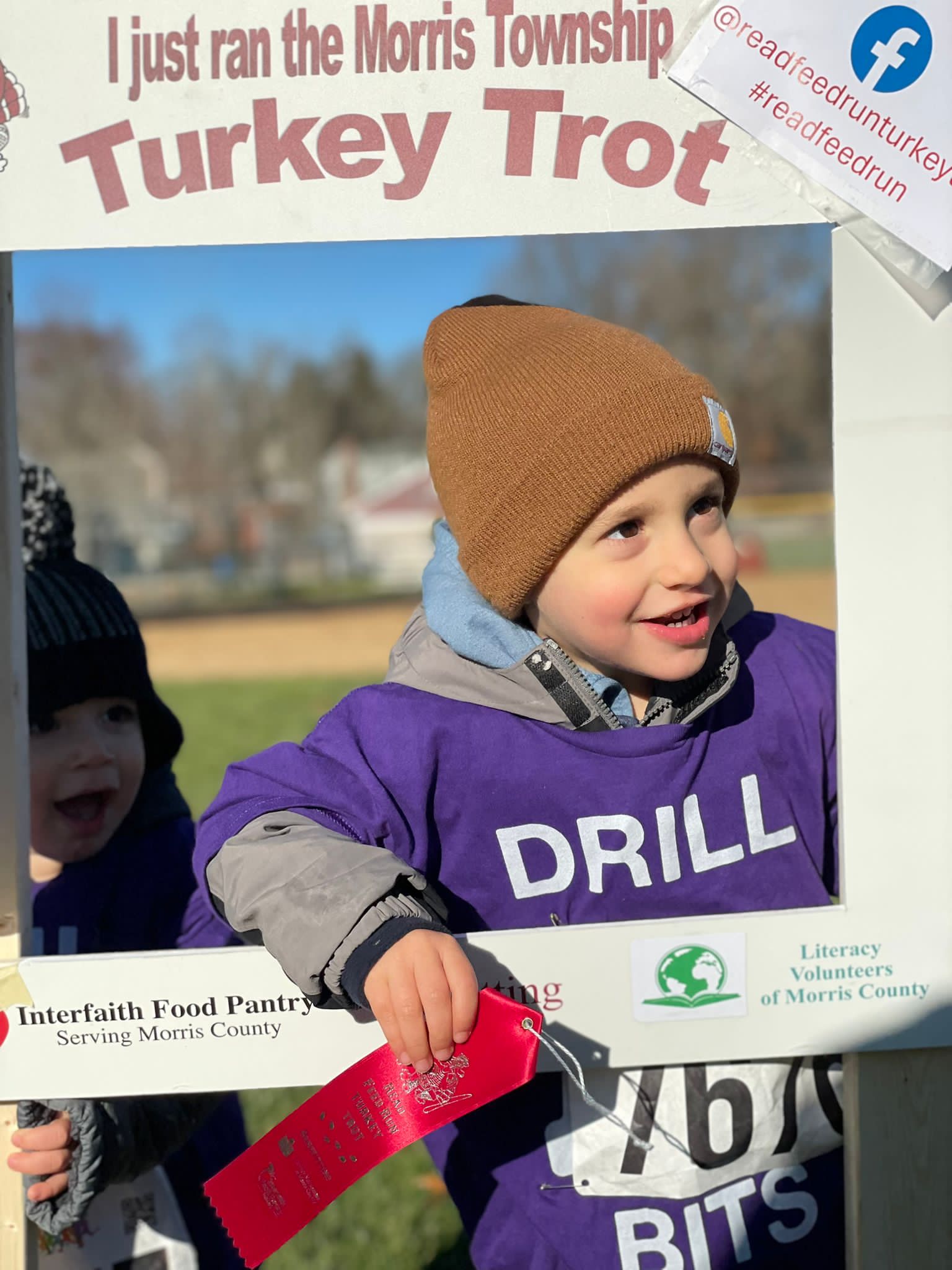
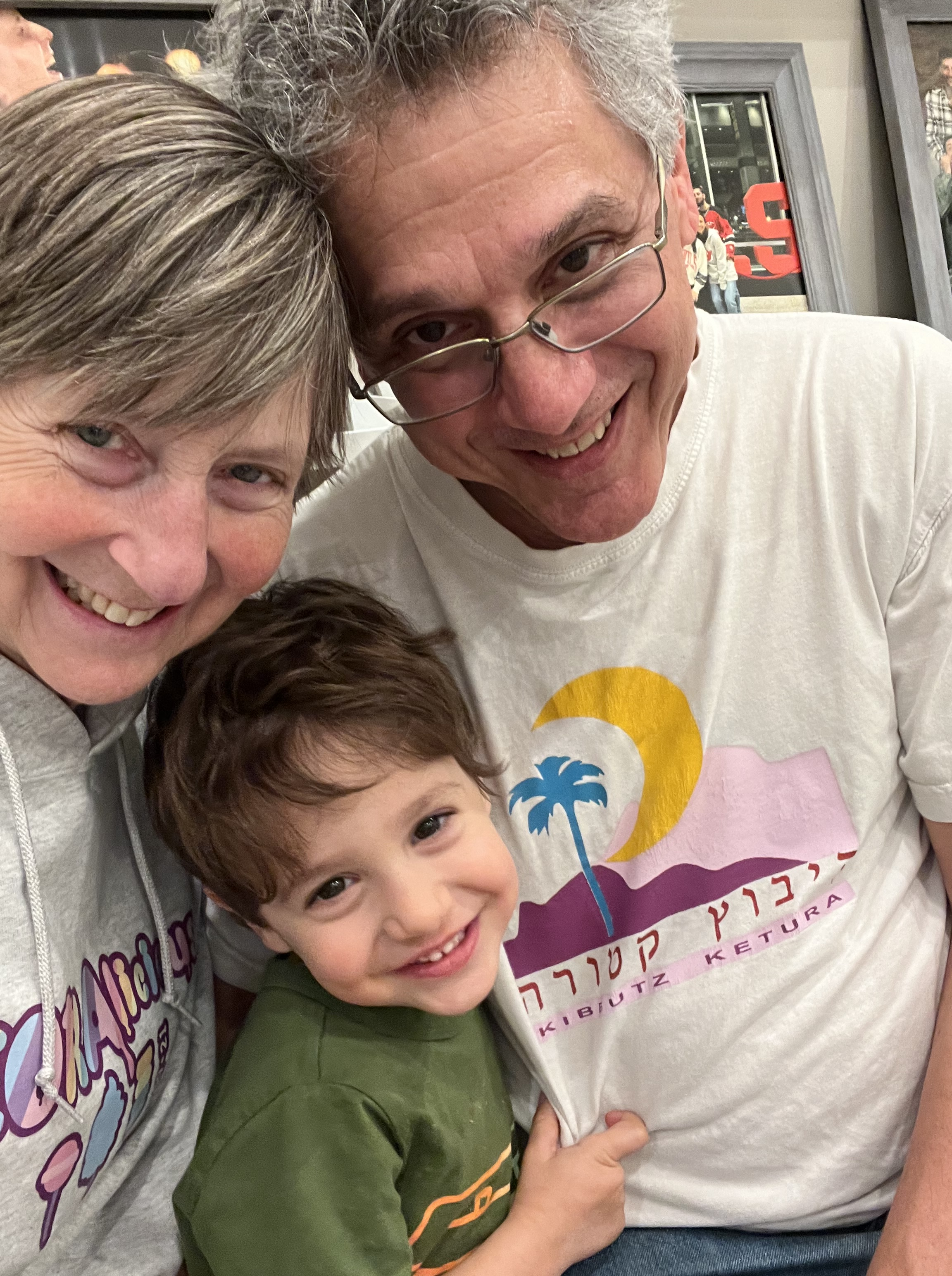
Luckily for me, there is one generalized answer that satisfies Carmel every time and has done so since before he was able to verbalize these questions. My answers are very often about God.
On the way to childcare this morning, many branches are down and lying in the streets. We discuss the heavy wind-driven rain of last night, and Carmel asks me why it happened.
“God made the storm and also blessed us with safe homes so that we can listen to the wind and rain, but not be outside in it.” Carmel agrees, “God keeps us safe and cozy.” (Cozy is a favorite word for Carmel who learned it from his mother who really loves to be cozy at home!)
We see work crews clearing leaves from clogged storm drains and Carmel asks why.
“God plans for snow, rain, and sun to take turns, but sometimes the rain is too fast and hard. So people have to help protect each other and the earth. We are God’s helpers.” This makes sense to Carmel, “I’m a helper.”
The sun suddenly peeks out from between the gray morning clouds so we discuss the rays of light that we can see; and yes, Carmel asks why.
“God created the sun, the moon, and the stars on the fourth day, and God really liked what was created and said that it was very good.” The creation story is one of Carmel‘s favorites, and he accepts it without question. “Tell me that story again, Bubbe!” I suppose God is another character for him alongside the Little Blue Truck and Pinkalicious!

At three years old, Carmel knows that when a breeze passes through the leaves of the tall trees in our yard, God is telling him that he is seen and he is safe. When the stars twinkle in a night sky, God is telling him that God is always with him so he is never alone.
Carmel loves to be in the OJC sanctuary and knows that the Torah is God‘s story of how we can be good people. He understands that God is with us in the sanctuary when we sing and pray together.
As Carmel continues to grow older, life will undoubtedly challenge his easy connection with God. He might just get busy and forget how simply God is the answer to so many questions. He will inevitably come to understand the contradictions and difficulties in the way the world works, and will learn that God cannot be the answer to every question. Life will disappoint or hurt him, and he will hold God responsible.
When these changes happen, I hope that Carmel will hold onto his unquestioning faith in God in the quiet moments when he is alone.
In that way, he can return to his simple and depend upon a connection with God when he grows older, and seeks to understand the answers to far more difficult questions than why branches fall down in a large windstorm.
I only know that the simplicity of his faith reminds me of the possibilities of my own faith. Can we recover the belief of our three year old selves in quiet moments? It might just be a start.
Rabbi Paula Mack Drill, a.k.a., Bubbe
Can this be God’s will?
The video message arrived as an attachment from a trusted source. I opened it and began watching. The scenes of smogless skies, clear waters, and lush fauna served as a reminder that a world was being reborn around us, and that our stay-at-home quarantine was having the side benefit of giving Mother Earth a sabbatical, the chance to catch her breath. The beauty of the world around us could serve as a silver lining of this challenging time.
The second video message arrived within a couple of hours. It came from a name I knew, though someone I hadn’t connected with in quite some time. I opened it and began watching. It depicted similar scenes of smogless skies, clear waters and lush fauna, with facts about how much cleaner our world is today than at any other time in recent history. The video, however, was not a PSA for climate change. Its final scene was a man with the title of “Rabbi” trying to reassure me that the current pandemic was God’s will, part of the divine plan to renew the earth.

I was surprised, to say the least. Did the sender of the second video actually think that I would find comfort in its message? Have I ever given off the sense that I embrace and am comforted by a God who would will the death of hundreds of thousands of innocent people to advance a plan? What then could I say about God’s role in the Holocaust? About an innocent pedestrian hit by a drunk driver? About a cancer victim? About a parent losing a child? About a natural disaster that claims dozens or hundreds?
I don’t need to rely on theologians for my answer about the nature of God, instructive though their perspectives may be. Buber, Heschel, Wiesel and Kushner (with all due respect) don’t know anything more than you or I do when it comes to God. The rabbis across the centuries have offered many paths to faith, some that even stand in conflict with one another. God is, after all, infinitely unknowable. What theologians have going for them is that they think about the question of God long enough to develop consistency. Want to be a theologian? Work at it, test your opinion against theological questions, and be consistent!
Somewhere along the line of time, well before The Wizard of Oz, we started referring to God as perfect, all-knowing and all-powerful. While God does credit God’s self in the Torah as the Creator, God never uses these other descriptors for God’s self. God changes God’s mind, God admits to making mistakes, God learns and grows. At best, God says God is compassionate and loving, truthful and holy, and more powerful than other gods; at worst, jealous and judgmental, begrudging and impatient. The notion that God is all-powerful and all-good can’t withstand the test of consistency by my standards of goodness and justice. The notion that God is all-powerful but not all-good is untenable personally.
These weeks on the Jewish calendar would be a challenge to Jewish theology without a pandemic raging around us. From the death of Aaron’s sons for their “foreign” sacrifice to the command to be “holy” because “I the Lord your God am holy”, from Yom Hashoah and Yom Hazikaron (Memorial Day) to Yom Ha’atzmaut (Independence Day), it can be so tempting to conclude that all is connected in some divine plan that necessitates God‘s intervention at certain times but doesn’t warrant God‘s intervention at others. I cannot and will not place my hope in an omnipotent god who requires the sacrifice of innocents or matyrs for the sake of learning lessons, realizing dreams, or cleaning the air. God promised us: No more floods at God’s direction to destroy the earth.
But that doesn’t mean there won’t be floods.

Personally, I’ve come to the conclusion that God is perfectly imperfect, as are we. God purposefully gave us free will and God intentionally introduced an element of chance into our existence. Without this measure of unpredictability, we’d be as naive as Adam and Eve in the Garden of Eden, without the ability to make choices that reflect God’s glory (and goodness) in the world. As our sages taught, “Everything is in God’s hands except for the fear of God.” God controls everything except the choices we make. Those choices have long-ranging consequences that God will not control, and those same choices can reflect well or poorly on God. But in God’s love and goodness, God has given us the infinite potential to learn, grow and change course. It’s God’s hope that we see the God-given strength within to persevere, to live, to celebrate and to spread our hope.
We have been divinely inspired to create a way of living that reveals God’s goodness in an imperfect world. It’s that very imperfection that presents us with the opportunity to rise to the level of the divine. I will appreciate that which I perceive as miraculous without understanding what merits such grace. I will bemoan that which I perceive as tragic without attempting to explain, justify or defend. I will hold onto my faith that the goodness of God, as reflected in the actions of others and in my own choices, will raise us all towards a higher plane of meaning and love.

God is hope, faith, and goodness, along with the strength to live our lives accordingly in a perfectly imperfect world.
Rabbi Craig Scheff
 Three Rabbis Walk Into A Shul
Recent Comments