Sheltering at Home: A Skiff Docked at the Pier
A skiff docked at the pier,
I am
tied up, hawser with a splice anchoring bit to bollard,
battened down, unable to set sail,
rocking gently on the swells,
bow pointed into the sea.
Just there, in the bay,
in the turbulent winds of a hurricane,
tugboat, ferry, trawler and tall ship.
They are
pitching, rolling, breaking apart, tossed and turned, capsizing.
I observe it all
I do not look away.
Under the same azure sky,
lit by the same sun,
in the same bay,
I am leeward and
they are in the storm. Rabbi Paula Mack Drill, May 12, 2020
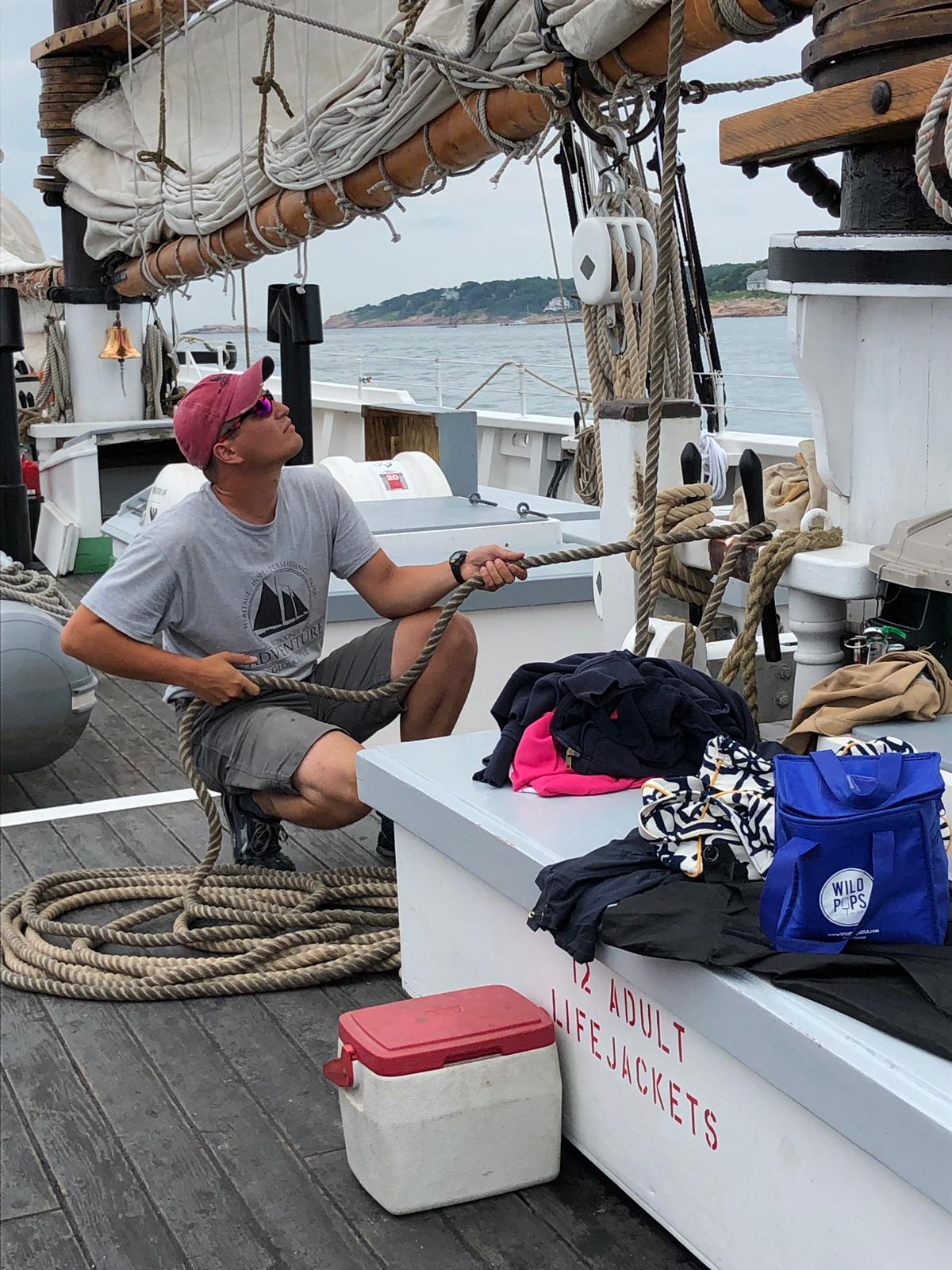
My son Ben helped me write this poem, providing seaworthy language to complete the harbor metaphor. I have tried to describe the helpless feeling of being mandated to stay at home while right in our view, COVID-19 upturns and overturns and sinks lives.
I was content with my poem until I began to wonder about those who are not anchored, bit to bollard, at the dock. I thought about those who go out every day to essential jobs: grocery store cashiers, pizza makers, delivery women, postal workers, pharmacists, garbage collectors, construction supervisors. And I thought about the teachers working triple time from home to educate, support and soothe.
And then I thought about those who are going directly into the hurricane: certified nurse practitioners, home health aides, dietitians in residential facilities, orderlies, doctors, and nurses. My poem, it seems to me now, is only one piece of this connected and disconnected puzzle of humans during the pandemic.

Finally, I applied my harbor metaphor to our OJC community, thinking about those who go daily into the storm. We can be proud that among our OJC congregants are emergency room nurses, EMTs, pulmonary doctors, ICU physicians, pediatricians – front line heroes. They are facing down their fears, protecting themselves as best as they can, and some are getting sick as well.
And there are those who are working on the front lines in professions not mentioned so often in the news. In this post I will be describing four OJC heroes: a physical therapist, a funeral director, a family nurse practitioner, and a community care director. I do not use the word “hero” lightly. They are getting in their rescue crafts, leaving us at the pier and rushing out into the hurricane day after day.
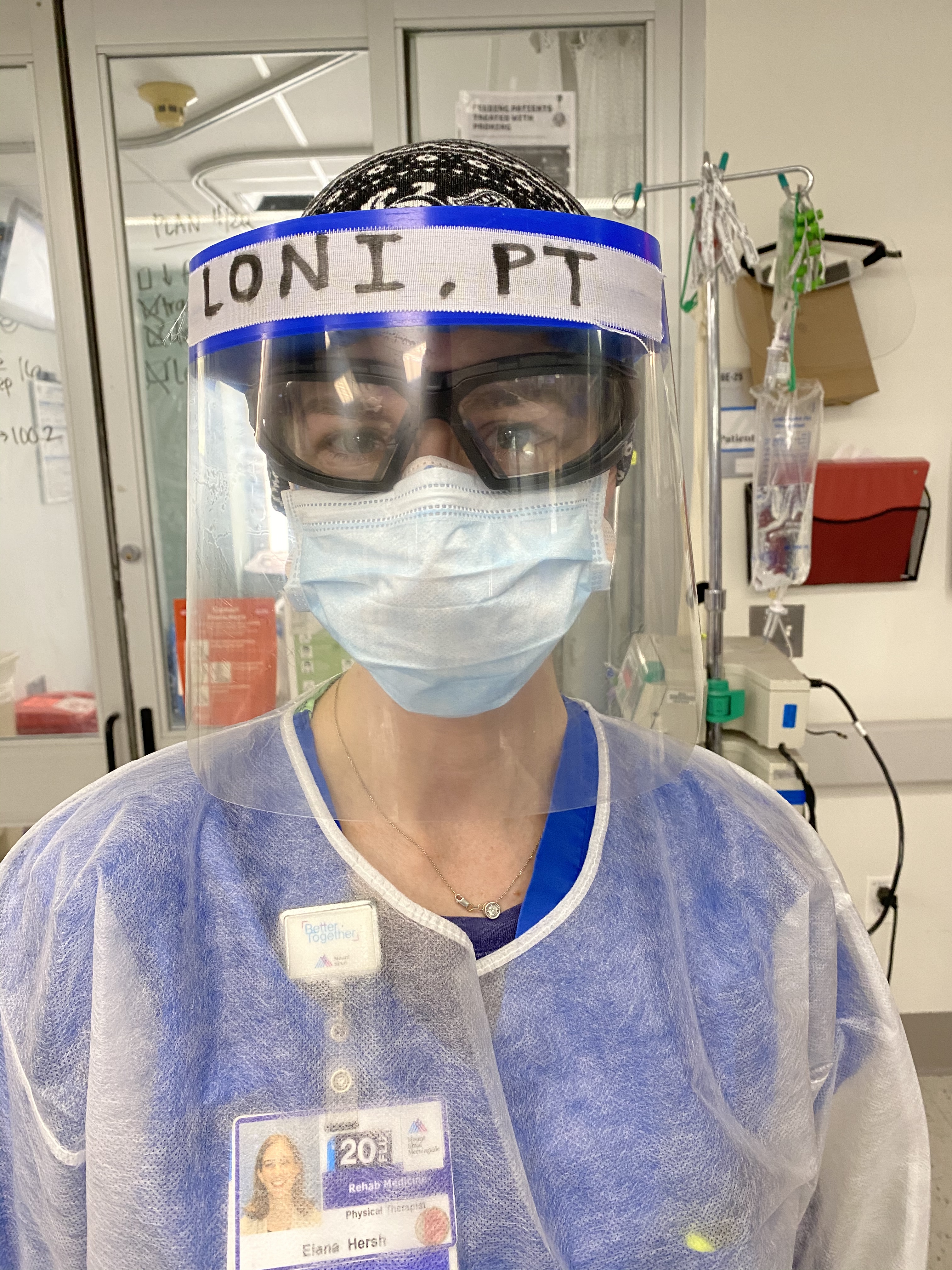
For Loni Hersh, the best part of her career as a physical therapist has always been connecting with people, working with medically and emotionally challenged patients to overcome physical barriers and reach their highest potential. In the physical therapy department of a major New York hospital, her only frustration was wishing she had more time with every patient.
In the days since the pandemic began, however, everything Loni knows about her work has turned upside down. She now faces the most difficult medical situations of her career, working in the isolation and privacy of hospital rooms with very ill and lonely patients. Success on a Covid-19 unit is not measured by steps accomplished in hallways or climbing stairs but rather simply by moving from the bed to a chair. Loni flexes new skills when she works on a team of eight medical professionals who work to prone or supine patients, turning them from front to back or back to front every sixteen hours to receive optimal oxygen when they are intubated and sedated.
As loving and empathic as Loni is with patients, she knows she cannot substitute for family. She feels privileged to leave her home every day to do something productive and meaningful in this critical time. She knows that she is making a difference.
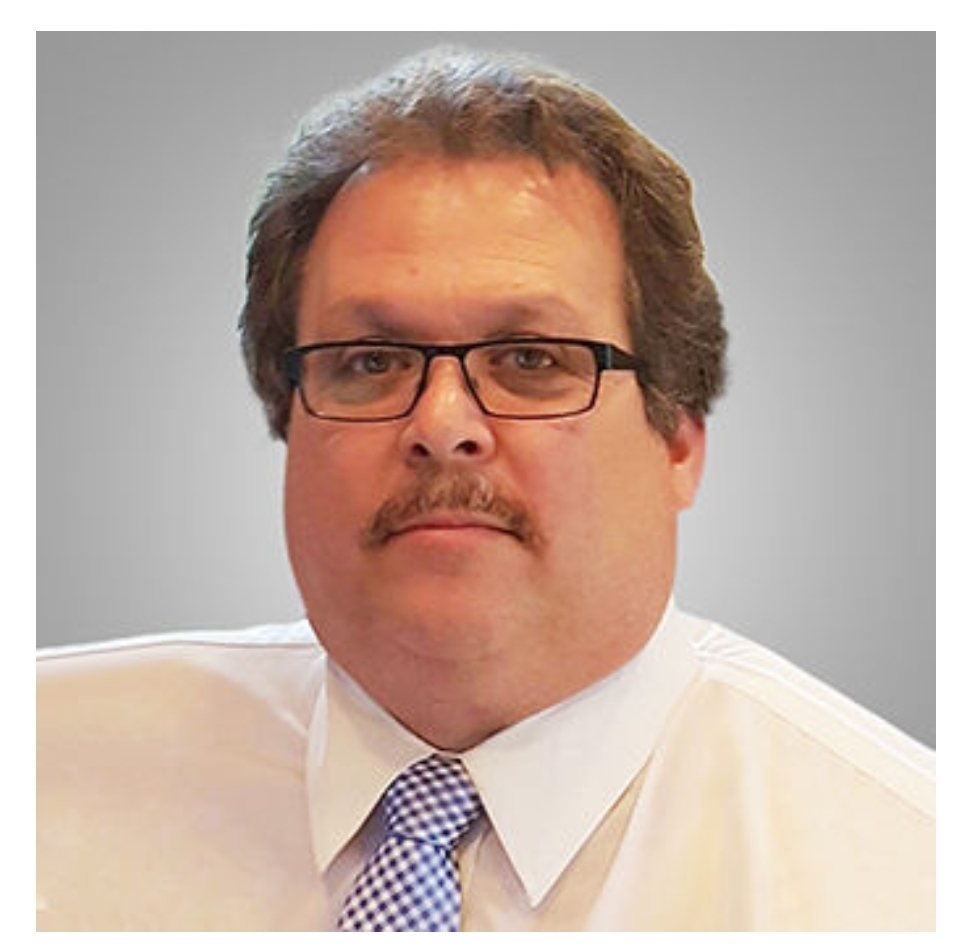
Gregg Brunwasser is a funeral director who is Manager of Hellman Memorial Chapels. All of Gregg‘s life, he has been drawn to helping people, from his days as an EMT and paramedic to becoming a funeral director. As he describes his calling, he works to make the worst day imaginable bearable.
Gregg uses all of his energy to ensure that Hellman is a dependable and compassionate chapel upon which families and clergy can depend. Many of us at OJC know Gregg as a caring presence whose priority is to help in any way possible. Gregg has traveled to elder congregants homes to help make arrangements, listens to every mourner with patience and care, and finds solutions to every kind of issue that arises. At the graveside, Gregg offers water in the summer and umbrellas in the rain.
Gregg’s focus on taking as much time as necessary for the care of individual families was turned on its head since the beginning of the Covid-19 crisis. The chapel, which typically facilitates thirty-five funerals in a month had to cope with 108 funerals in the month of April.
Gregg explained that Hellman has been able to maintain Jewish ritual from shmira to tahara. But every cemetery has different rules and sometimes the rules change by the day. The families Hellman has served through this time have not been able to receive the comfort of a completely traditional burial with family and friends surrounding them.
For Gregg, the level of sorrow felt by those who have lost loved ones has made this time particularly challenging and painful. His strength comes from working side-by-side with his wife Eva and the rest of his team at Hellman. Despite all of the limitations due to the pandemic, Gregg is certain that both the deceased and the mourners receive as much care and dignity as possible. This surety helps him get through these difficult weeks.

Leslie Cooper is a family nurse practitioner at the Cornerstone Primary Care Family Health Center at Jawonio. While the majority of Leslie’s patients are Jawonio and other group home consumers who have special or complex needs; because Cornerstone accepts all insurance or no insurance at all, Leslie takes care of the most vulnerable people in our community. What she values most about her work is the loving interactions she shares with her patients. This was true before the pandemic and it continues to be true despite the innumerable ways in which Covid-19 has overturned Leslie’s work and the lives of the people to whom she is dedicated.
Before COVID-19, the lack of equality in healthcare would keep her up at night, but she always managed to figure out a way around or through to get her clients the tests and appointments they needed. These days, it is the vulnerability of the community she cares for that is her main concern. Federally qualified health centers are reducing hours or closing because they do not bring in revenue.
The hardest days have been those when she was managing consulting phone calls from the group homes. Without much time to ponder possibilities, Leslie would give out an answer and receive the next question. With most of her work done via telehealth, Leslie has depended on her intuition and trust in the nurses and direct service providers who care for the group home residents. She finds herself juggling, prioritizing and getting enough data to decide if her clients are safe at home. Knowing Leslie, it is easy to imagine her giving calm advice to non-medical staff members and reassurances to families whose loved ones have chronic medical needs complicated by Covid-19.
While these tasks are all within her skill set, the number of people sick with the virus has been overwhelming. Leslie has seen group home employees and consumers get sick during the month of April, and many have died. She and her colleagues at the office have little time to grieve one loss before hearing about another. Throughout these painfully difficult weeks, Leslie feels pride in being a nurse. She gets up every day and goes to take care of “her people”. She says that she is privileged to do so.

Marcy Pressman is the Deputy Executive Director, Community Care, of NYC Health and Hospitals. That is a great big title for a great big job, which of course, Marcy would never mention unless I specifically asked. Managing the repercussions of a pandemic on hospitals is exactly what Marcy is trained to do. I think of her as standing at the center of the epicenter. While we are sheltering at home, Marcy is working seven days a week, up to thirteen hours a day.
Marcy is caring for the most vulnerable people – members of the immigrant community, elderly poor, and economically disadvantaged families. In the throes of disorganization and lack of preparedness at all levels, Marcy has found herself begging, borrowing, bargaining, doing anything necessary to acquire space, equipment and PPE required by professionals in the hospitals. She is managing hotels in Queens that she converted to isolation and quarantine spaces for Covid-19 patients who no longer require ICU or acute care, but can still infect others while they recover. The hotels are also used for monitoring newly diagnosed Covid-19 patients who are at risk of infecting others due to their inability to self-quarantine.
Marcy has a big picture view of the crisis and deep knowledge about what we must do to provide care and safety for all citizens. But the stories she most wanted to share were not about frustrations and policies, rather Marcy spoke about the individuals impacted by this virus: a recovered mom and her newborn baby with no home to return to, a new widower, very ill people without health care, homeless patients, and people without jobs. Marcy has lost colleagues to this virus. Every day she is on the floors, taking precautions, trying to fix and patch wherever she can. To Marcy, Covid-19 is not about numbers and statistics, it is about individual lives.
These OJC congregants are among the true heroes. I asked all four of them the same question: How do you feel about those of us sheltering at home while you go to work every day? I thought that they might find our complaints about the rain or lack of kosher chicken in the grocery annoying or even selfish. I was wrong. Each one of them said some version of the same answer: “Everyone must do what they must do.” “Sheltering at home is an act that saves lives.” “I am proud to do my work.” “It is a privilege to feel effective in this crisis.” It must be noted that all of them spoke about frustration with those who refuse to abide by the stay at home mandate or even protest against it. As Marcy Pressman said, “I am privileged to bear witness to heroes.” Like most of us, I am committed to staying at home for as long as it takes to protect the health care community and the life-saving work that they are doing.
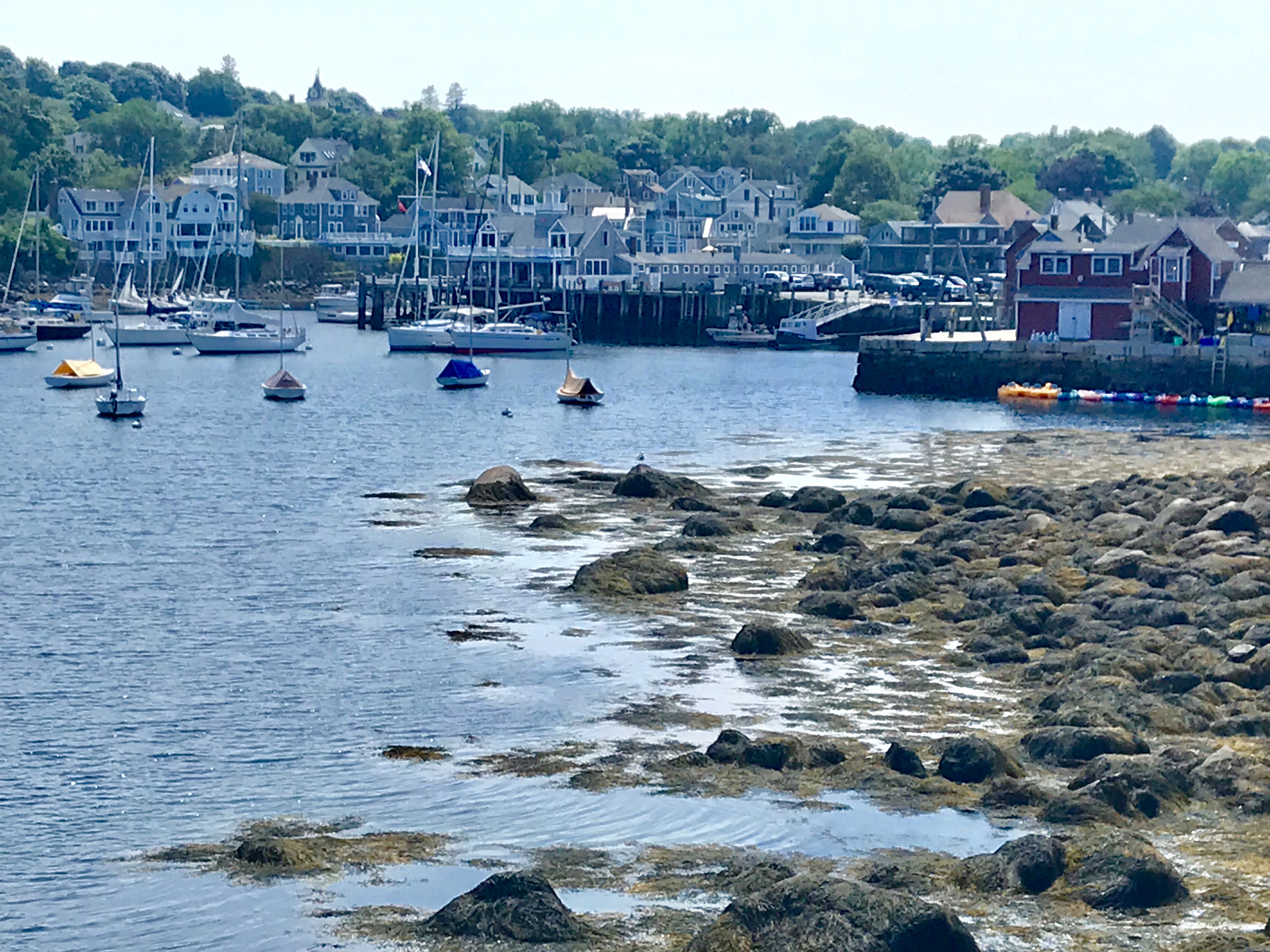
And so, the vast majority of our OJC community are skiffs tied up at the pier, rocking gently in the waves as we shelter at home, feeling lonely, isolated, frustrated and worried. As we look out into the bay, watching helplessly as the storm rages, wishing we could help those who are struggling with illness and grief, let us be grateful for these rescue boats. They are rushing everyday into the storm with the strength and skill to keep afloat those with the deepest needs.
With prayers for all of our health and safety, Rabbi Paula Mack Drill
Can this be God’s will?
The video message arrived as an attachment from a trusted source. I opened it and began watching. The scenes of smogless skies, clear waters, and lush fauna served as a reminder that a world was being reborn around us, and that our stay-at-home quarantine was having the side benefit of giving Mother Earth a sabbatical, the chance to catch her breath. The beauty of the world around us could serve as a silver lining of this challenging time.
The second video message arrived within a couple of hours. It came from a name I knew, though someone I hadn’t connected with in quite some time. I opened it and began watching. It depicted similar scenes of smogless skies, clear waters and lush fauna, with facts about how much cleaner our world is today than at any other time in recent history. The video, however, was not a PSA for climate change. Its final scene was a man with the title of “Rabbi” trying to reassure me that the current pandemic was God’s will, part of the divine plan to renew the earth.

I was surprised, to say the least. Did the sender of the second video actually think that I would find comfort in its message? Have I ever given off the sense that I embrace and am comforted by a God who would will the death of hundreds of thousands of innocent people to advance a plan? What then could I say about God’s role in the Holocaust? About an innocent pedestrian hit by a drunk driver? About a cancer victim? About a parent losing a child? About a natural disaster that claims dozens or hundreds?
I don’t need to rely on theologians for my answer about the nature of God, instructive though their perspectives may be. Buber, Heschel, Wiesel and Kushner (with all due respect) don’t know anything more than you or I do when it comes to God. The rabbis across the centuries have offered many paths to faith, some that even stand in conflict with one another. God is, after all, infinitely unknowable. What theologians have going for them is that they think about the question of God long enough to develop consistency. Want to be a theologian? Work at it, test your opinion against theological questions, and be consistent!
Somewhere along the line of time, well before The Wizard of Oz, we started referring to God as perfect, all-knowing and all-powerful. While God does credit God’s self in the Torah as the Creator, God never uses these other descriptors for God’s self. God changes God’s mind, God admits to making mistakes, God learns and grows. At best, God says God is compassionate and loving, truthful and holy, and more powerful than other gods; at worst, jealous and judgmental, begrudging and impatient. The notion that God is all-powerful and all-good can’t withstand the test of consistency by my standards of goodness and justice. The notion that God is all-powerful but not all-good is untenable personally.
These weeks on the Jewish calendar would be a challenge to Jewish theology without a pandemic raging around us. From the death of Aaron’s sons for their “foreign” sacrifice to the command to be “holy” because “I the Lord your God am holy”, from Yom Hashoah and Yom Hazikaron (Memorial Day) to Yom Ha’atzmaut (Independence Day), it can be so tempting to conclude that all is connected in some divine plan that necessitates God‘s intervention at certain times but doesn’t warrant God‘s intervention at others. I cannot and will not place my hope in an omnipotent god who requires the sacrifice of innocents or matyrs for the sake of learning lessons, realizing dreams, or cleaning the air. God promised us: No more floods at God’s direction to destroy the earth.
But that doesn’t mean there won’t be floods.

Personally, I’ve come to the conclusion that God is perfectly imperfect, as are we. God purposefully gave us free will and God intentionally introduced an element of chance into our existence. Without this measure of unpredictability, we’d be as naive as Adam and Eve in the Garden of Eden, without the ability to make choices that reflect God’s glory (and goodness) in the world. As our sages taught, “Everything is in God’s hands except for the fear of God.” God controls everything except the choices we make. Those choices have long-ranging consequences that God will not control, and those same choices can reflect well or poorly on God. But in God’s love and goodness, God has given us the infinite potential to learn, grow and change course. It’s God’s hope that we see the God-given strength within to persevere, to live, to celebrate and to spread our hope.
We have been divinely inspired to create a way of living that reveals God’s goodness in an imperfect world. It’s that very imperfection that presents us with the opportunity to rise to the level of the divine. I will appreciate that which I perceive as miraculous without understanding what merits such grace. I will bemoan that which I perceive as tragic without attempting to explain, justify or defend. I will hold onto my faith that the goodness of God, as reflected in the actions of others and in my own choices, will raise us all towards a higher plane of meaning and love.

God is hope, faith, and goodness, along with the strength to live our lives accordingly in a perfectly imperfect world.
Rabbi Craig Scheff
Counting the Days of Omer and Covid-19
More than a month ago, a friend asked if I am journaling every day. She thought it would “really be something” to capture this unprecedented time and then look back at my words a year from now. She is certainly right. But it seems I cannot write; after five and a half weeks of stay-at-home, I have two entries, each no more than a paragraph, sentences drifting off in the middle.
I have planned to write this post for weeks now. Every day I write little pieces of it in my mind, but then, before I even begin, I decide that it has all been said already: The times are hard; look for the silver lining. We have great sorrow; still we try to be grateful. What else is there to say?
I realized today that what has actually kept me from writing is that I cannot comprehend the texture of this time. I simply cannot wrap my head around this time of languishment. (I remember feeling this way in college, reading Thomas Mann’s Magic Mountain. If you also read it, you understand.)
We Jews are so good at understanding time as a container, a useful vessel for emotion, striving, and cataloguing: Shabbat, 10 Days of Awe, Three Weeks, 49 days of Omer.
Yet it is hard to understand what is happening in this particular time. If there is indeed a time for everything under heaven, I do not think it includes this pandemic. Do we think there is nothing new under the sun? We must think again. We have never before known COVID-19.
The days slip by. I think Sunday is Monday. I go to bed early or very late. I wake in the middle of the night worrying about small details, my sleepy brain unable to go to my real concerns. I breathe deeply and smile and model optimism. Just under the surface of each day, however, is an existentialist anxiety. Beyond questions of when will it end and how will we cope lies the theological impossibility: What does it mean? Here we are, full stride in the midst of it, and we have absolutely no idea what it all means. Hence, anxiety.
We are taught to face anxiety with a good dose of gratitude. Gratitude, I can do. I am grateful for many gifts: walking in my neighborhood in the spring time,
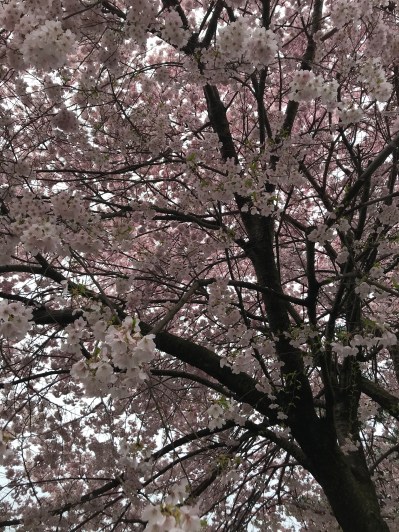
practicing yoga virtually (I have finally been able to follow my own mantra: ‘Stay on my own mat’ – no one else to look at!), rediscovering the pleasures of my kitchen – inventing new recipes like carmelized pearl onions and cauliflower soup with red peppers. I made Sharon Rappaport‘s mother’s Passover popovers for the first time in years. (Thank you, Estelle, they are delicious!)
But I know that these months are not just an extended retreat from the world. No matter how content I might be during hours at home, no matter how I seek out reasons to be thankful, the entire world around me fills my heart and mind with sadness and concern.
I have completely good health. My kids are all safely at their homes, jobs intact, healthy and in good spirits. My in-laws are in their own homes, tucked away and safe.
But across my driveway, our beloved Millie is recovering from a fierce bout with the virus. She is a certified nurse aide at a geriatric center and had no choice but to go to work even when she didn’t feel completely well. No fever? Come to work. The Center is – like so many caregiving facilities – desperately short-staffed. Millie is an hourly worker who needs each paycheck. And she is a dedicated compassionate worker who now worries about the residents who are missing her special care and attention.
Across the airwaves, I speak with our congregants who are ill, worried about their family members, or grieving losses. I receive notices from the three synagogues to which I belong as well as from the Rabbinical Assembly. I wring my hands thinking about Rabbi Scheff officiating at four funerals within a 24 hour span of time (and today in this monsoon). I speak to our congregants who describe literally and metaphorically standing on the other side of a pane of glass, trying to connect to their loved ones… trying to connect to their own grief. In the mourners, we sense a shock that goes well beyond the usual experience of bereavement. This precious OJC community will have work to do when this is over. The work of healing and rebuilding will require as much courage as this work of sustaining community in the crisis.
Covid-19 has stolen so much from us. Children have lost the ability to play with friends, teens have lost their clubs and sports, young adults have lost graduations, wedding dates, promises of summer jobs. Adults have lost health, jobs, the ability to care for our vulnerable family members, holiday gatherings, structure, and a sense of security. We simply do not know how to understand this passage of time.
And so we will count the Omer and remember the lessons of counting up: That every day is a gift. That we count up to appreciate and remember. That Judaism and community offer us structure when the world is chaotic.
This year, it looks like we’ll be counting toward Shavuot and just keep on counting. When will it end and how will we cope? I do not know, but I know that it will end and we will cope.
What does it mean? We will not ever know. But we can learn something about what it means each day as we count the Omer. We can say thank you to God for the goodness in our life. We can reach out each day to someone who is suffering emotionally, spiritually or physically from this plague. When there is no meaning, Judaism teaches us to make meaning.
Stay safe and healthy in mind, body and soul, Rabbi Paula Mack Drill
Social Bridging
For the past 3 months, with several notable exceptions, I have been in a self-imposed social isolation of sorts. Not due to any physical condition, I have spent the last 13 weeks exercising spiritual self-care as part of a sabbatical the synagogue I serve grants me every four years. This time around, I set out to explore my “identity.” After serving a community for 25 years, I wanted to reflect on who I am, independent of my rabbinic persona — as a husband, father, son, and brother. As a human being. For three months I avoided contact with the people whose stories I carry, whose worries I assuage, whose needs I accommodate, and whom I embrace on a weekly basis.

The distance from my daily routine afforded me the opportunity to reconnect with people who don’t usually get my primary attention. The clarity of mind granted me by this break allowed me to grieve recent losses, to read for growth and pleasure, to write creatively and give birth to ideas, to exercise body and spirit, and to breathe deeply. I was not immune to life going on around me. I was present to loss and to celebration, current on events affecting us all, and informed of developments in our community. I was also insulated from responsibility and excused from control.
The distance also, however, came at a cost. There were hours, even days, where my “aloneness” moved into loneliness. There were times I craved social interaction, just wanting someone–anyone–to see me. I began going out of my way as I was running an errand or taking a walk to be noticed, if only by asking a stranger how their day was going. I was grateful for the occasions when I had a book with a noticeable cover, a hat with an emblem, a t-shirt with a logo that invited a passerby into conversation.
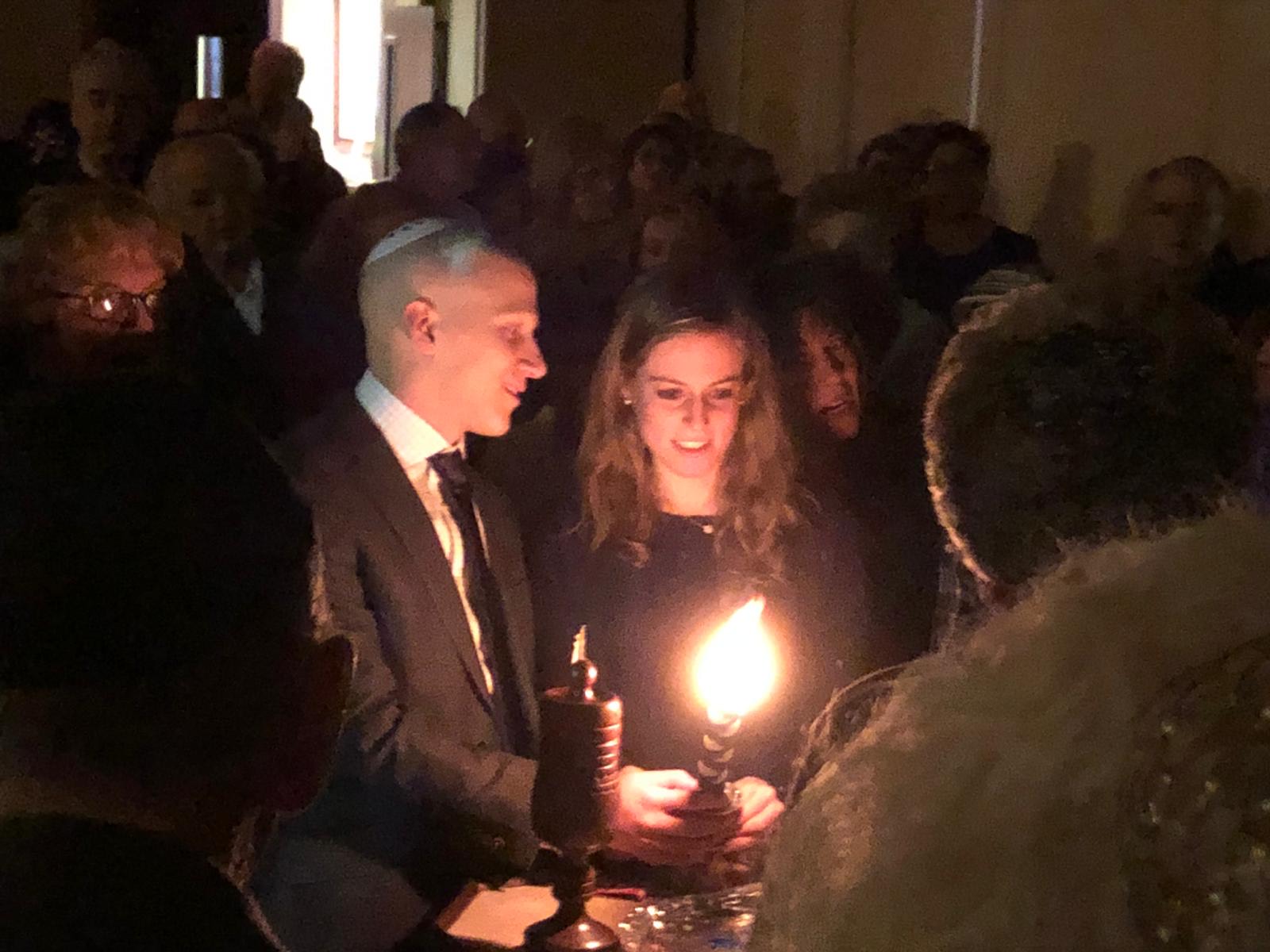
As my date of return to synagogue life drew closer, I actually had the pleasure of being in community several times. Aside from the occasions when I would sneak into our sanctuary late at night to sit in the presence of our glowing windows, I attended minyan with my father for my grandfather’s yahrzeit; I celebrated my son’s aufruf; and I made a masked appearance to read Megillah on Purim eve. Each time I came into the building, I felt the joy and satisfaction of my chosen life path. And my sabbatical “exploration” brought me to the conclusion that who I am as a human being is inextricably bound up with what I do. Living Jewishly, for me, means utilizing learning, ritual and daily choices as a way of bringing people closer together.
I return to the synagogue energized, excited and anxious to resume the duties that afford me the privilege of connecting with others in a meaningful way. I WANT TO SEE YOU!!! Yet here I am, required out of caution to keep my physical distance a bit longer.
So here is what I suggest. As I go about getting caught up on the status of individuals in need of more immediate attention and the community as a whole, I invite you to reach out to me in the days ahead. Come Tuesday, please call me and leave a message (so much nicer than an email!), and I’ll call back within 24 hours. Even better? If you are sufficiently tech-savvy, pick up your phone, go to your camera, slide the setting to video mode, and record your message to me. Upload it to your email, and send it to me. And I promise that I will do the same in response!
The “social distance” we’ve been asked to maintain to “flatten the curve” of the Coronavirus spread is certainly a challenge to the way community was meant to be experienced, but it also challenges us to be our best at building social caring bridges to those who need us most. This moment also presents the opportunities for individuals to experience personal exploration and creative rejuvenation, and for communities to explore how they can maximize the use of “virtual community” to their benefit.
It is a moment like no other. I’m glad I’m back to experience it with you. And I pray that the time comes soon when we will be free to congregate as we choose once again.
With love,
Rabbi Craig Scheff
Yet More Thoughts on Covid-19: It’s Difficult to Think of Much Else These Days
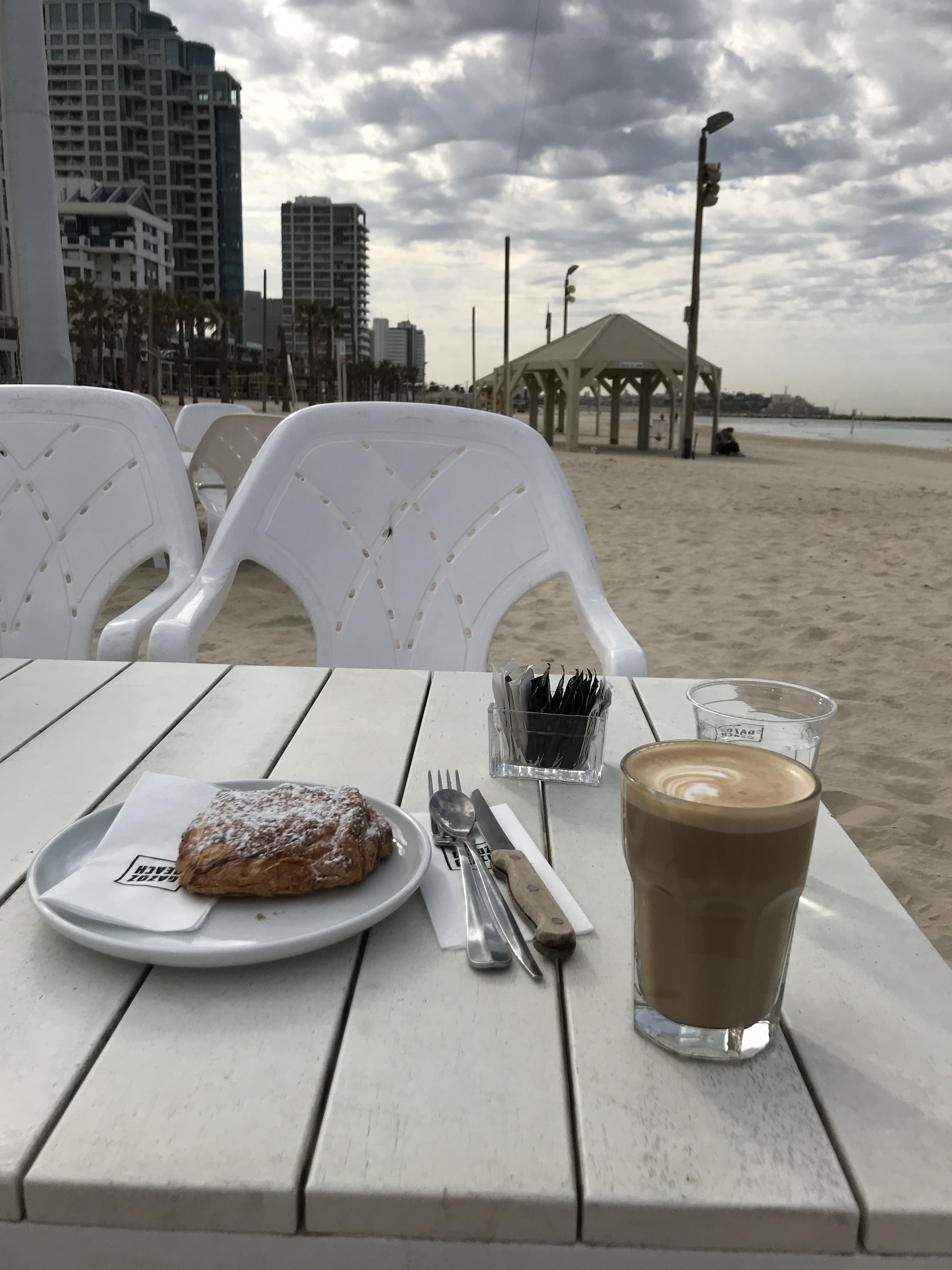
My youngest son Josh flew back to Israel this afternoon after three months in the United States following completion of his army service.

As soon as he lands, he will go straight to his apartment where he will begin 14 days of quarantine. His roommates will leave food for him outside his bedroom door and whenever he emerges, he will need to wipe down every surface he touches. Josh has a great attitude about the quarantine, explaining that he has a lot to read and will have plenty of time to prepare for his entrance exams for Tel Aviv University. The quarantine is inconvenient and worrisome, but it is required by Israeli law and certainly not devastating for Josh.
My in-laws are 87 and 92 years old. Earlier tonight, I brought dinner over as is our Wednesday night custom. We sheepishly bumped elbows and it felt very strange not to embrace them. They told me that they had sold their tickets to see the Philadelphia Philharmonic this Sunday, and my mother-in-law regrets missing her favorite conductor. It is isolating and worrisome to be an elder through this time of Covid-19 precautions, but the precautions are necessary and not devastating for them.
My niece and her roommate moved into my guestroom tonight since their college announced its closure just three days after they had returned from spring break. They brought most of their stuff here with them, not sure if their college will reopen this year. Online courses are beginning for them next week, but they wonder how much learning they’ll accomplish. College and university closures are extraordinary and difficult for everyone involved, but they are prudent and not devastating for my niece or her roommate.

Throughout this roller coaster of a growing national medical emergency, I have tried to maintain balance and perspective for myself and on behalf of the OJC community. I am proud of our president, Michael Pucci, and our professional staff, who have made very difficult decisions in a reasonable, calm, and careful manner. If we err, we err on the side of safety. The decisions that we make impact every age and stage of our congregation.
WNBC Coverage of OJC Livestreaming Purim
It was disappointing to cancel festivities for Purim – a carnival for children, a dance party for which our in-house band rehearsed for months, an adult night club, and a grand seudah on Purim day. Volunteer committees had worked for months to plan all of these joyful programs, and everything except for the Megillah readings was canceled. Disappointing, yes. Devastating? No.

But let’s consider together what truly is devastating about the Coronavirus pandemic.
People are becoming very ill with this terrible flu, especially elderly people and those with compromised immune systems. We pray for speedy recoveries.
People who live on the edge financially will be pushed over that edge by weeks of quarantine or illness. Those who are paid daily wages, who punch a clock, who do not have adequate sick leave, will struggle mightily to recover long after the flu is gone.
People with inadequate medical insurance will struggle to pay for prescriptions and doctors’ bills. People who are undocumented will hesitate to go to hospitals or doctors.
Many of the children whose schools are closing will miss their free breakfasts and lunches, dependable nutrition for 2/3 of their daily meals. Many parents will have a difficult time replacing those meals for their children. Many parents will be left figuring out how to go to work without childcare now that schools are closed.

Elderly people, adults with developmental disabilities or mental health issues, the youth who attend the twice weekly drop-in program at the Rockland Pride Center, family members who attend support groups, all will be impacted by the closure of community centers and other gathering places.
It is always true in our society that those who are most vulnerable suffer first and suffer the greatest amount when difficult times hit. I pray that we keep all of these people in mind and take action if we are able to help.
Reach out with phone calls to the elders of our community who are experiencing social distancing now. Many are staying at home as advised. Others live in nursing homes and assisted care residences where visiting is currently discouraged. Be sure they know that you are thinking of them.
Write an extra check to Meals on Wheels. Drop off more food than usual for People to People or Rhoda Bloom Kosher Food Pantry, great Rockland organizations that help those in need make ends meet.
Write a supportive note to friends who are at high risk from Covid-19 because of their professional work – hospital emergency room workers, EMTs, nurse aides in facilities for the elderly, doctors and nurses.
At the very time when we need to be close to one another, we are counseled toward a necessary “social distancing.” When the world feels unpredictable, we yearn to be in community, yet we are canceling gathering after gathering. We are used to planning ahead, but we cannot prepare because we do not know what will happen next.
But for the most part, most of us are among the privileged few. If we are quarantined, our community and friends will ensure that we have food to eat. If we need to miss work, we will not risk losing our jobs. If our children’s schools close, they will have plenty to eat for breakfast and lunch. If we grumble about doctors’ bills, we can eventually pay them without going under. And if these things are not all true for you and your family, but you are a part of the OJC, you belong to a supportive, sacred community that will help. You are not alone.
Maintaining an attitude of gratitude will help us get through these confusing and difficult times.
Kol Yisrael arevim zeh bazeh – All of Israel is responsible one for the other. When we say bazeh (in each other) instead of lazeh (to each other), we add a deeper truth to this foundational rabbinic teaching. Not only are we responsible, we are intertwined.
With friendship, Rabbi Paula Mack Drill
Would you just skip it?
What if you knew for sure that you would see or hear something unusual? What if you knew for certain that you would experience something extraordinary? Would you miss it?
Oh, I know that Saturday mornings are just right for getting errands done, picking up the dry cleaning or purchasing a new shower curtain. Saturdays are perfect for boot camp workouts, kids’ soccer tournaments, or – on crisp sunny days – hiking in Harriman State Park. On Saturday mornings, you can meet your cousin for coffee or visit your niece after surgery. I know… on Saturdays you can even just sleep in after an over-scheduled week.
But what if being in Shabbat on a Saturday morning promised something that transcends all of that? Would you just skip it?
If you come to synagogue on Saturday morning instead of everything else you do…
Perhaps the davenner* will chant El Adon in a different tune, not the expected tune, but in the one that was sung in your childhood when you sat next to your grandfather in shul.*
Perhaps you’ll watch as five-year-old twins run purposefully down the aisle and onto the bima* at the start of the Torah service to be handed silver Torah crowns which they hold up proudly as if they are the whole point of the service. You definitely find yourself grinning as you watch them walk solemnly behind the adult holding the Torah.
Perhaps you’ll see a proud nonagenarian ascend the bima, slow but sure-footed, to accept an aliyah* and receive a blessing for the 80th anniversary of his bar mitzvah.
Perhaps you’ll see a seven-month-old baby girl receive her Hebrew name on the bima and lean forward to send a big, sloppy toothless grin in the direction of her great- grandmother for whose husband she has just been named.

Perhaps you will rise when the Prayer for Healing is chanted and you will have a clear picture in your mind of your friend who is recuperating from surgery. You will sense that your prayer can reach him in his Boston hospital.
Perhaps you’ll be invited to open the ark when the Torah is placed back there after the recessional and when you look at the colorfully decorated Torahs, the congregation sings Hashivenu, “Return us to the days of old.” And you aren’t sure why, but you feel something in your heart unlock.


Perhaps you’ll see a man chant the haftara* to honor his brother’s yahrzeit* and as you follow in the English, you realize that this story of Jonathan and David from the Book of Samuel was your haftara when you became bat mitzvah. As you pay closer attention, you remember all the words.
Perhaps you’ll sit down next to a woman you don’t know well, but has always reminded you from a distance of your mother. And as you silently tear up, missing your mother so much even after 24 years, this fellow congregant hands you a tissue. And you feel your mother’s soul closer than you have in years.
Perhaps the words of the Dvar Torah* will strike a chord deep within you, answering a question that has been lurking in your mind, an important question not yet articulated.
If any one of these transcendent moments were likely to happen on a Saturday morning, would you just miss it?
Holiness does not arrive with trumpets and drums but with quietly perceived moments.
All of these moments do happen. Will you be there with me to experience them? Life holds the promise of being so much more than our own routine.
A community of holiness awaits you every Saturday at nine. I’ll see you there.
Rabbi Paula Mack Drill
*Translations so we’re all on the same page:
Davenner – one who is praying, in this case, the one who is leading the prayers.
Shul – a cozy Yiddish word meaning synagogue.
Bima – platform at the front of a synagogue where the Torah service takes place.
Aliyah – the honor of reciting blessings before and after a portion of the Torah (also called an aliyah) is chanted.
Haftara – a section from the Book of Prophets chanted on Shabbat and holiday mornings.
Yahrzeit – the anniversary of the death of a person according to the Jewish calendar.
Dvar Torah – literally, words of Torah, designates a sermon or a teaching given by a rabbi or a knowledgeable person at Shabbat services.
Bringing rituals to life and lives to ritual
From experience, she anticipated the tears. She knew that the moment the cloth was torn, the crying would commence. So she looked at Nancy, and before taking the scissors to the material she paused and asked, “Are you ready?”
Nancy took a deep breath and nodded in assent. Only then did Amy begin cutting the lace away from the satin. What was once Nancy’s bridal gown more than three decades earlier now looked like a tablecloth. And Nancy cried.
Amy the counselor comforted her. She assured Nancy that her reaction was normal, and that only a happy marriage could yield these tears. As she spoke her words of consolation, Amy the designer seamlessly moved the lace to a long narrow table and held it in place with a six-foot ruler. She noted how remarkably pristine and strong the lace was, and how much of it was salvageable. Just a few seconds and several snips later, what lay before us had been transformed from a mere remnant to a magnificent wrap.


Amy the teacher’s questions now came fast, teasing out Nancy’s reactions, drawing out her emotional connections to the significance of tallit, to the ritual of prayer, to family, to life cycle and to legacy.Amy the artist held Nancy’s responses and guided her through the creative process. After considering several connections to the number four, Nancy decided that the four corners of the garment would bear the names of our four sons. When Nancy shared that she had designed graphics for each of our son’s bnei mitzvah depicting the season of their celebrations, Amy suggested that we incorporate the graphic into each satin corner along with their names. The occasion on which they each first wore tallitot as adults would thus become a part of Nancy’s ritual every Shabbat and holiday.


The garment is not actually a tallit until its fringes are affixed. Within a matter of a couple of days of our meeting with Amy in Needham, Massachusetts, we received word that the project was on its way to our home, with two fringes yet to be tied. Perhaps the two sons “tying the knot” in the months ahead, along with their fiancées, will each have a hand in tying the remaining knots of the tzitzit to render the tallit “kosher.”
Some people grab a prayer shawl off a rack and toss it around their neck as a matter of custom. Some people choose a tallit for the way it hangs on their shoulders. Amy Lassman is a guide, teacher and artist who connects a potentially perfunctory ritual with time, emotion, memory and dreams. Amy, you are Bezalel, a visionary who thinks deep thoughts, who gives birth to holy moments and holy creations, who constructs sacred spaces under the wings of the Divine Presence. You have given my family a new pathway into our tradition. You have reshaped my family’s story, possibly for generations to come. And though you may not have earned a formal degree towards that end, you are my rabbi.
Thank you. I hope you don’t mind if I share your Torah with the world.
Check out Amy Rosenstein Lassman’s work at adardesigns.com.
#OJCSupportsU
We can be proud of OJC.
I do not write that sentence lightly. It is something to be proud of our synagogue, and let me be clear: I am speaking about the people of the place, not the place itself.
This past Shabbat, #ojcsupportsU, under the creative leadership of Miriam Suchoff and Mark Brownstein, once again served our community with a sacred, meaningful consideration of mental illness and mental health. Together, we spent a Shabbat and Sunday putting a face to mental illness.
A Friday evening Neshama service lead by Music Director Amichai Margolis and a community dinner after established the tone of the Shabbaton: Olam hesed yibaneh. We will build a world with loving kindness.
Shabbat morning services were highlighted by a transformative sermon given by one of our own congregants, Sharona Levine: Sharona Levine’s sermon January 2020. In powerful and accessible words, Sharona shared her story. She explained why she decided to tell her community about her family’s struggles with mental illness: “What made me decide to speak up was the day I finally felt empowered. And I wanted to pass that feeling on to someone else. I went from feeling bereft in the beginning stages, to ashamed, from self-blame to angry – to educated – to empowered. Why am I standing here in front of you today? Because I want you to know: If you are the sufferer – you are not alone; if you are the caretaker – you are the key, and you are not alone; and if you are a community member or passerby in anyone’s life with mental illness— you can make all the difference by your language, your non-whispers, and your role modeling to others.”
Those of us who heard Sharona‘s words will be changed forever. So many people approached her after to share their own story. After all, when it comes to mental illness, everyone has a story.
Miriam Suchoff led a special program for the children of our community and their parents about recognizing emotional responses in others. At the end of kiddush lunch, congregants participated in interactive dramatics and discussion. We had a Rabbis’ Tisch for our teens where we discussed how and when to reach out to others. In the afternoon, we practiced a variety of ways to cultivate mental wellness: a walk, a talk, or yoga were the choices.
On Sunday morning, 25 people attended a breakfast roundtable presented by NAMI.
And the weekend was completed by a seasonal healing service led by Amichai Margolis and me.

So what was accomplished?
The people who participated in the Shabbaton experienced insights, gained information, and felt the support of our community.
The committee was invigorated and is busy planning next steps.
The clear message of OJC as an inclusive community was heard loud and clear.
And what of all the people who could have benefited from the Shabbat or the weekend but were not able to attend? The very people who need support so often are not able to come into community. We know this fact to be true.
We just keep trying. We just keep sharing the message that our intention is to stop the stigma. Want to join us? Contact Miriam and Mark: ojccares4u@gmail.com.
When we put a face to mental illness, we look all around and we see that it affects all of us.
With friendship, hope and optimism, Rabbi Paula Mack Drill
On the eighth day of Chanukah
On the first night of Chanukah…. On the second night of Chanukah….
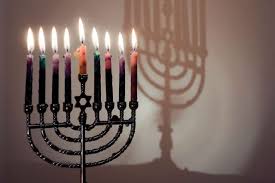
Like a bad horror movie, the reports of violent attacks on Jews reached us day by day. With each candle, our anxieties increased. The seventh attack struck our Rockland community in Monsey with 5 people stabbed as they celebrated the holiday together. Lighting candles on the eighth night, we were as aware as we have ever been of the meaning of this holiday, determined to fight back the darkness, dedicated to brazenly defying the temptation to retreat into hiding.
In the light of the eighth day, we are left trying to make sense of it all. Officials and lawmakers step forward to proclaim their indignation and resolve, a reassuring fact that distinguishes our home from 1939 Germany. Reporters ask us to assess the damage, to identify the causes, and to suggest countermeasures.
Jewish resilience — founded in our peoplehood, a sense of shared destiny, a belief in the power of goodness, and faith in God — will sustain us, just as it has through the centuries. Just as it did the Maccabees. But neither Jewish might, nor Jewish power, nor even Jewish spirit will cure the societal illness we call anti-Semitism.
Over the past twenty centuries and more, this illness has presented in different ways. Depending on whether the form taken was political, social or religious, the symptoms differed in the kinds of stereotypes the illness relied upon to spread. From the Greco-Roman empires to the Golden Age of Islam, from the Medieval Ages to the Enlightenment, from socialists to capitalists, from Ukrainian pogroms to Nazi death camps, “the Jew” has been an object of hatred and marginalization, characterized according to the needs of the hater, colored to be the cause of their ailments.
Today, however, the illness is different. The world is, as we know, a much smaller place. Social media has given hate an unparalleled platform. Anti-Semitism shape-shifts by the day. Its spread is not bound to any particular ideology or political party, and its expression has taken violent form in an age when speech is unbounded, inflammatory, and empowering.
But let’s not fool ourselves. Regulating speech, punishing terrorists and pushing hatred into hiding won’t defeat anti-Semitism. There may be places in the world where anti-Semitic incidents don’t occur, but that doesn’t mean that anti-Semitism doesn’t live in the hearts of inhabitants. In fact, sadly, it most likely means that Jews don’t live there.
Anti-Semitism lives in our neighbors’ hearts and homes, in the mouths of parents and the ears of their children. And the only way for “us” to defeat it is to confront it where it lives.
A solidarity rally may comfort us, provide a forum to air our sadness and fear, help us know we are not alone. But anti-Semitism will only be defeated when our non-Jewish neighbors want to fight it. When they are willing to examine and discuss their beliefs; when schools can require and facilitate meaningful conversations among students and parents; when churches, mosques, and synagogues come together in common cause—only then will we as a society have a fighting chance to win this battle.

On the eve of 2020, may we resolve to stand against hatred; to know our neighbors and to help them know us; to build alliances outside our Jewish community with those who will advocate for the conversations and education necessary to bring days of appreciation, understanding, and light.
Rabbi Craig Scheff
Conservative Judaism with 2020 Vision
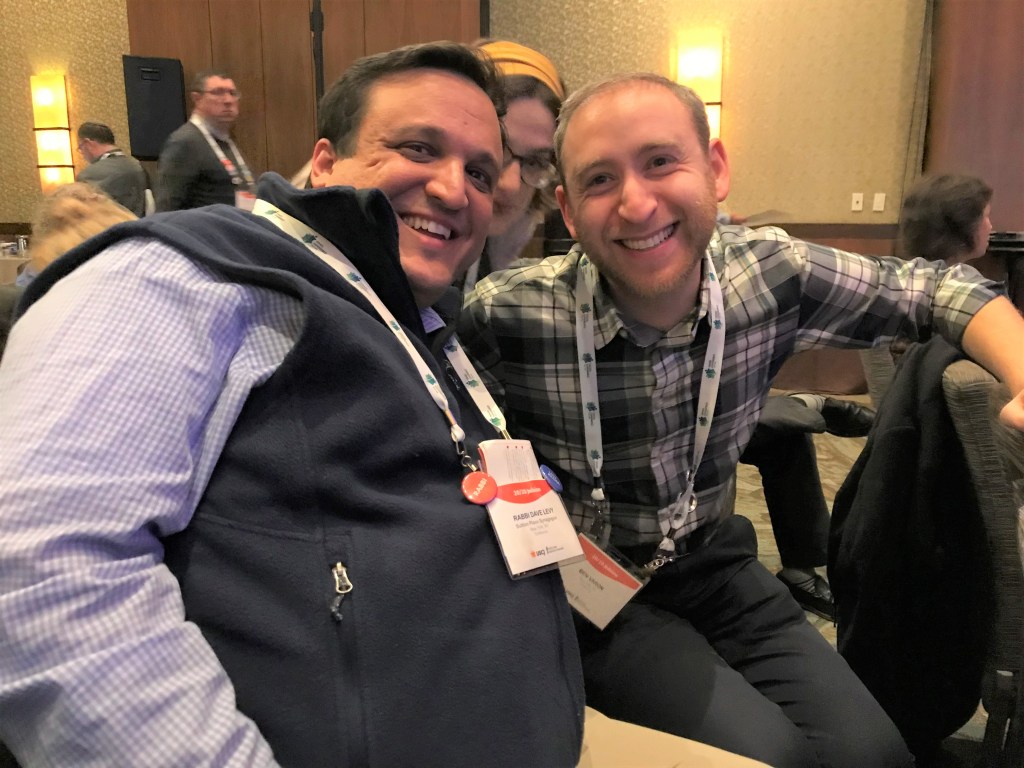
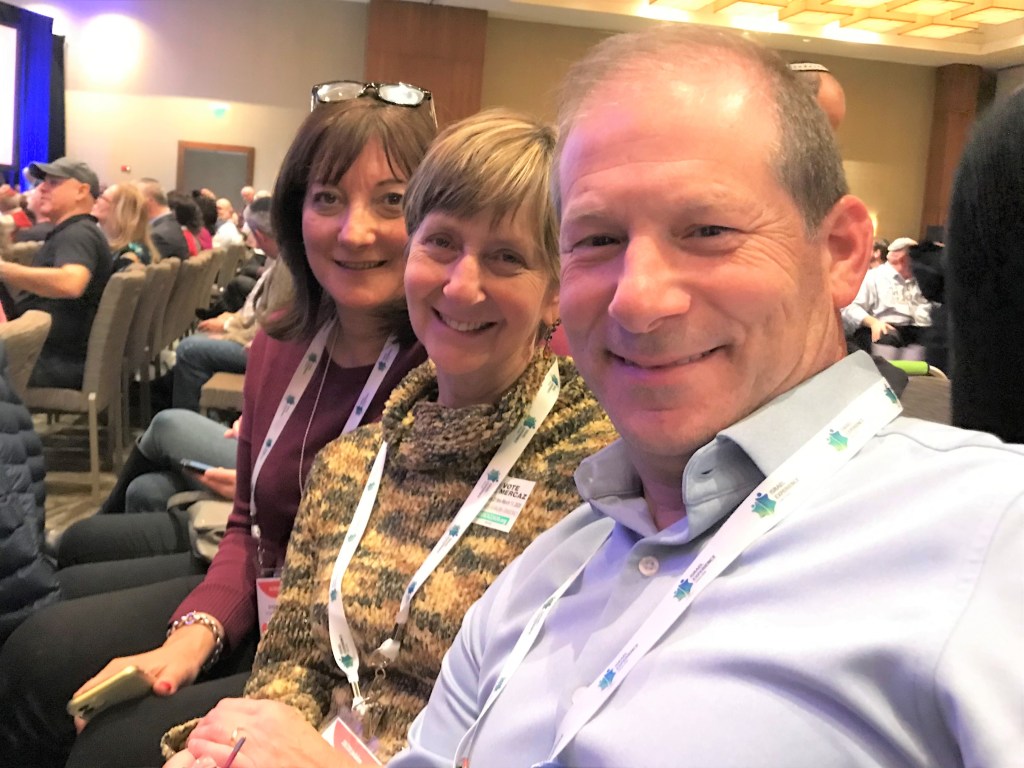
Rabbi Scheff and I arrived in Boston on Sunday afternoon, December 8, 2019 for the USCJ/RA (United Synagogue of Conservative Judaism and Rabbinical Assembly) conference and planned to have our first dinner together with OJC leaders Sharon Aach, Michael Pucci and Hara Hartman. What an additional pleasure to be joined by Michael and Hara’s two daughters, Greta and Sophia, who are both students in Boston. Sophia is a freshman at Northeastern University, and Greta is studying optometry at New England College of Optometry. As Greta filled me in on what it is like to be studying optometry, I reflected on how perfectly apt was the name of this year‘s conference: 20/20 Judaism.

As we are on the cusp of entering a new decade, Conservative Judaism’s leaders, professionals, clergy, and educators need to see clearly. With our vision corrected for 20/20, we will be able to make sense of today’s great challenges.

At this tumultuous time of change, threat, and discord the conference provided an optimistic space for sacred dialogue, for harnessing our collective wisdom and strength.
While there are many who claim that the Conservative Movement is broken, I see us instead in a period of transition. We are the Ramah Camping Movement, United Synagogue Youth, Day Schools, Nativ Year Course, seminaries and graduate schools, synagogues and their supplemental schools. We are powerful communities, institutions, and places of higher education bound together by a collective belief in the covenant we hold with God. Within our movement, there are many ways to understand this covenant, but we are all bound by it.
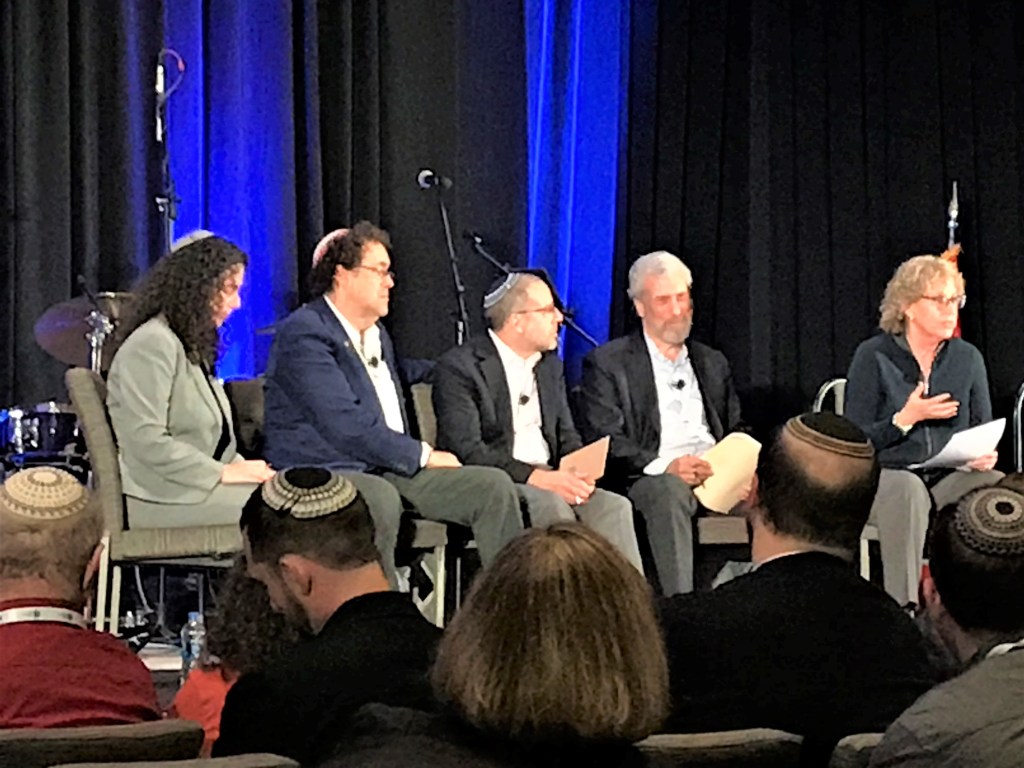
Rabbi Jacob Blumenthal, Dr. Arnold Eisen, Leslie Lichter.
It seems to me that the unique task of Conservative Judaism among the many rich streams of Judaism is to hold the center. Tradition and change, practicality and spirituality, prayer and action, halakha (law) and autonomy… in each pair of values held in tension, we strive to be balanced.
It is not easy to hold the center. It is not as seductive as claiming one side or the other. But after spending days praying, learning, debating, and singing with the people of my particular brand of Judaism, I believe that it is the essential way to live Judaism today.
If the meaning of community has changed, still the need for meaning is stronger than ever. We must go deep and we must be real.
If Judaism is the creative application of Torah across the generations, then Abraham Joshua Heschel was correct: It is not required of us to take a leap of faith but rather a leap of action.
B’yedidut, With friendship, Rabbi Paula Mack Drill
 Three Rabbis Walk Into A Shul
Recent Comments