Boundaries around Grief

Tisha B’Av, the fast day commemorating the destruction of the two Temples of the ancient Jewish people, is the longest, slowest fast of all. Twenty-five hours of mourning practices, restrictions on joy (even a prohibition to greet people), and the most gruesome, tragic liturgy in our canon are legislated in the halacha of the day that just ended a few hours ago.
Over the years, I have struggled to assign meaning to the day as I sat on the floor to chant Eicha (Lamentations), refrained from tallit and tefillin at morning services, and of course, did not eat or drink through a hot summer workday.
I have tried focusing on the Jewish command to hear text and experience it as if we were there. I have studied history on Tisha B’Av to realize that Jews are not the ever-dying people but rather the never-dying people. I have used the intention that just as in the days of the Temple, we Jews have repair work to do with regard to sinat chinam, senseless hatred, and lashon hara, evil speech.
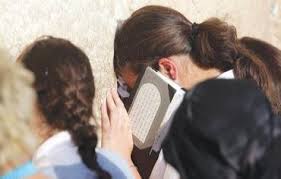
When Tisha B’Av began last night, the congregations of the Rockland County Board of Rabbis came together as we have done for the past three years. We met last night at Montebello Jewish Center where it felt like a gift to be together with so many fellow Jews. This year, like many of you, I was exhausted with grief before the sun even set to begin my fast. I was saddened by stories of families in the south of Israel whose lives have been traumatically interrupted for weeks and weeks by Red Alert sirens. I had been crying every time I read another eulogy for another soldier written by his mother. (How do Israeli mothers manage to do that?) I was exhausted by the biased angle of so many news articles and reports. I was distraught by the clear evidence of a terrorist organization that inhumanely proved its truest colors by devaluing the lives of Israelis and Palestinians alike. I was appalled by the sheer evil of building terrorist tunnels instead of hospitals and schools. I was frightened by the ongoing news of rampant anti-Semitism in Europe and the emigration of hundreds of thousands of Jews from there.
Before I even began, I didn’t have the energy to make any sense of the mourning of Tisha B’Av.
And then Rabbi Adam Baldachin of Montebello Jewish Center opened the services for Tisha B’Av by saying that this day is different from every other day on the calendar. “We always take action,” he said. “But on this day, we just allow ourselves to feel grief.” His explanation gave me permission to do exactly what I needed to do this year on Tisha B’Av: nothing. No meaning-making. No action plan. I just grieved.
Now the fast is over. Blintzes and bialys have been enjoyed. As the day ended, so did my feelings of intense grief. Not so much has changed in the world since one day ago. But I feel a sense of relief after having submitted to the emotion of grief.
Judaism, in its wisdom, carves out moments of time for us to be in the throes of the difficult emotions we need to feel. And then the day ends. Judaism puts boundaries around our grief. We are safe to enter in and then leave the construct.
Praying for the peace of Israel,
Rabbi Paula Mack Drill
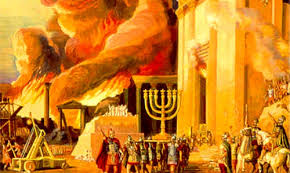
Simple Abundance in a Time of Lack
In a time lacking in truth and certainty and filled with anguish and despair, no one should be shamefaced in attempting to give back to this world, through her work, a portion of its lost heart. — Louise Bogan
As the crisis in Israel continues to unfold, I am feeling acutely aware of how much I currently lack. I lack peace of mind. I lack my typical sense of expansiveness and contentment. I lack a sense of wellbeing regarding those I love in Israel. I lack confidence about the place of the Jewish people in the world. I lack optimism about the United Nations and international leaders. I lack hope for secure borders and true peace for Israel in my lifetime.
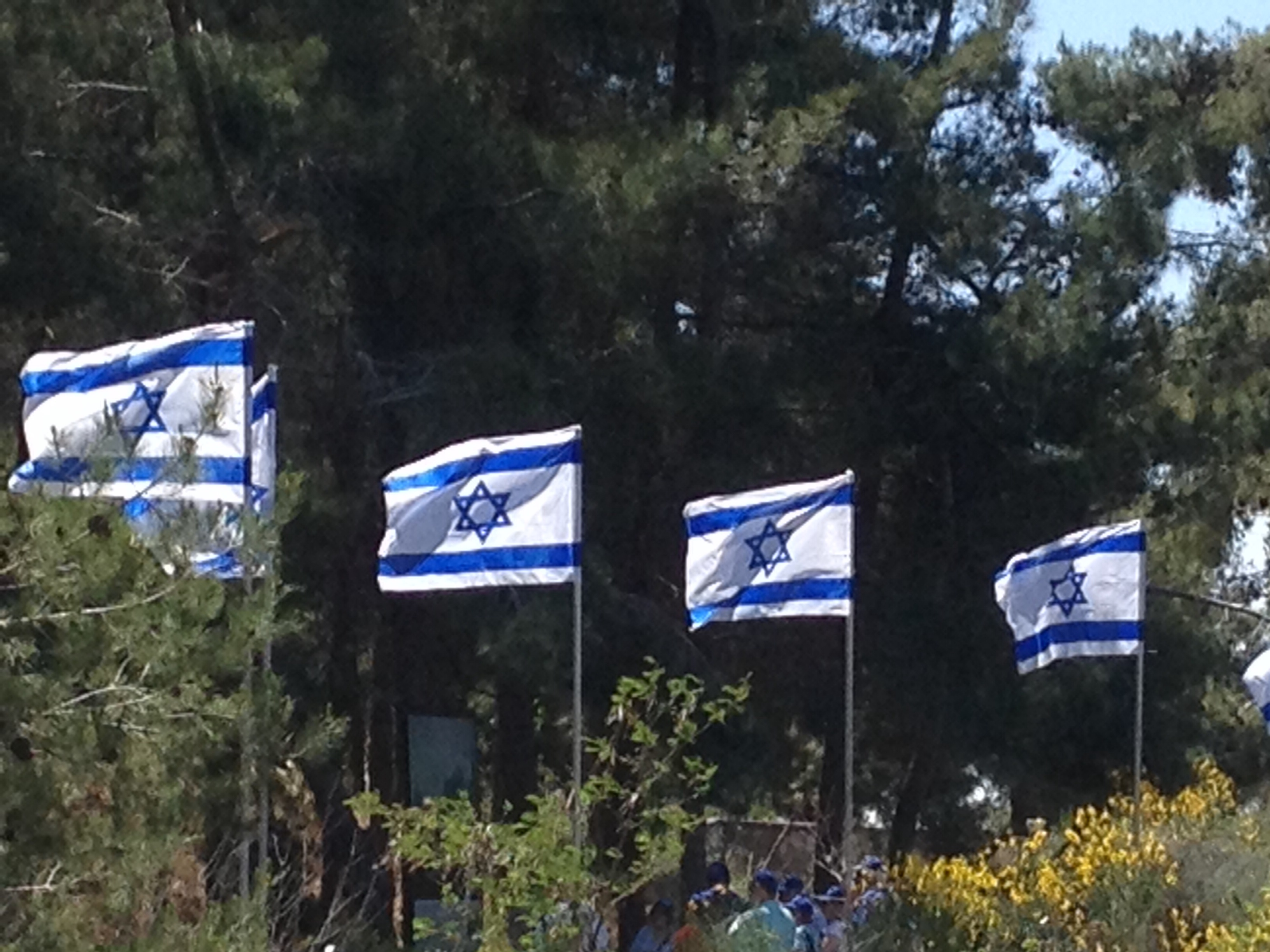
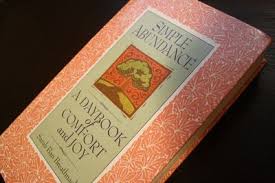
Perhaps it is Divine Providence or maybe just luck, but exactly now, when I feel the emptiness of that glass half filled, I am teaching a summer course at the Orangetown Jewish Center called Simple Abundance. In a class based on the book by Sarah Ban Breathnach, twenty-five students share Monday mornings as a time to focus on all of our blessings. Anchoring Breathnach’s work in Jewish values and texts, we talk about the principles of gratitude, simplicity, order, harmony, beauty and joy as a way to realize that we possess all that we need to be genuinely happy.
In Breathnach’s words: “When I surrendered my desire for security and sought serenity instead, I looked at my life with open eyes. I saw that I had much for which to be grateful. I felt humbled by my riches and regretted that I took for granted the abundance that already existed in my life.”
Just before teaching the first class, I thought that I could not possibly facilitate a learning experience about finding personal joy when Israel was in crisis. As soon as I began teaching, however, the connections being made and the kindnesses being shown shifted my understanding of what was actually taking place. In our corner of the world, we were bringing God into our midst and sharing ways in which we could be our best possible selves.
I cannot change the make-up of the United Nations Human Rights Council. I don’t know how to solve the complicated issues of Israel in her dangerous neighborhood. I cannot protect all of my children and friends in Israel from harm.
But I can do something. I can maintain my best self in the midst of the fear, anxiety and loss in Israel. It is so much easier to fall into despair. I realized through the path toward simple abundance that the courageous response to world events is to be optimistic and positive. Rabbi Scheff declared at our Kiddush time discussion about Israel this past Shabbat, “I am an idealist and I make no apology for that. When I give up hope, I might as well stop this work that I do.”
Be courageous! Reclaim optimism. Empower yourself by taking one small action for Israel and for yourself. Join us for the next Simple Abundance class on August 4th at 11:00 am.
Praying for the peace of Israel, Rabbi Paula Mack Drill
Pray for the Peace of Israel
History has been outpacing my ability to write a blog that can address how we are feeling. We had just finished watching the funerals of our three boys for whom we had prayed for eighteen hopeful days. We had not yet begun to grieve fully for Naftali Fraenkel, Gilad Shaar and Eyal Yifrach, when we were hit in the stomach by the news that a sixteen year old Palestinian boy, Mohammad Abu-Khdeir had been murdered violently by Jews. Before we could adjust our minds to that news, eighty rockets fell on the south of Israel, in just a few hours of one night. Then before we could even sit down, last night, Operation Protective Edge, Tzuk Eitan, began as Israel sought to protect her civilians from the ceaseless missiles that have been raining from Gaza for three weeks.
If you are like me, it has been a hard week to focus on life in the present moment. I found it difficult to do anything as mundane as make a phone call to the dentist or order a book. Instead, I follow the updates of my Israel news apps, read every email that arrives in my inbox, call my cousins in Tel Aviv to learn that they are in their safe room for the night, and text with my daughter Sarah and her boyfriend to ensure that she is okay on her base and to wonder when Sagi, a reservist infantry officer, will be called up.
If you are like me, you are here and you are also there. Experiencing this strange kind of time travel, you want to know what you can do. The following is a list of suggestions.
1. Write letters of condolence to the Fraenkel, Shaar and Yifrach families. As I explained on Shabbat, they will be comforted to know that we are thinking of them in their mourning. State your name, mention the OJC and your town and state. Send your letters to
mail@masortiolami.org or mail your letters to: Masorti Olami;32 General Pierre Koenig Street, 4th Floor; Jerusalem, Israel 93469. Our letters will be delivered after shloshim.
2. Plant trees in Israel in memory of the three young men who were kidnapped and killed on their way home from school for Shabbat. Check out http://www.israeltrees.org or http:www.jnf.org.
3. As I suggested on Shabbat, commit to perform four acts of loving kindness in memory of three Jewish boys and one Palestinian boy. Torah asks us to turn away from darkness as a response to violence and turn instead toward light. If you would like to share with Rabbi Scheff and me what chesed you choose to do, we would love to collect your anecdotes.
4. Pray. Pray for the peace of Israel. Pray for security of her borders and a return to normal life for all civilians in the area. Pray for the wisdom of Israel’s leaders and the courage of the soldiers of the IDF. Pray for a speedy cessation of this war so that the toll of human life is as low as possible. Pray for seeds of understanding to be planted even as we are at war. Pray in your own words or with the words of psalms or the Prayer for the State of Israel. Pray by yourself or come and be with us at the OJC to pray with your community.
5. Stay updated about what is going on in Israel. Sign on to an Israeli news service like ynet.co.il or jta.org. Download Jerusalem Post and Ha’aretz apps to your smart phones. Find out what is happening and share the information with your Jewish and non-Jewish friends. Do not assume that they understand all that is going on.
6. Use social media to promote Israel’s story. Write with moderation and intelligence, and with all your heart. It is not possible to learn from someone who writes with hostility and anger. Write to teach. Share essays and pictures that are meaningful to you. If a picture is worth a thousand words, then this short video must be worth a million. Cut and paste into your browser: https://www.youtube.com/watch?v=zQmpiEotWME&feature=youtu.be.
Rabbi Scheff, as you know from the most recent blog entry, is in Israel with Nancy to celebrate their niece’s wedding. Scheduled for tomorrow night, it is unclear what will take place for Kellie and Gonen since gatherings of more than forty are prohibited for safety and guests at Israeli weddings typically number in the hundreds.
From his sister Randi and Avi’s bomb shelter on the moshav, Rabbi Scheff wrote a letter home. In part, he wrote: “Today, more than 150 rockets left the Gaza strip, aimed at civilian population centers, including Tel Aviv. They continue to fly… Watching Fox and CNN, I have learned that only rockets that kill people will make headlines around the world. No news of the trauma to our children, the interruption to life, the prohibition against public gathering, the fact that tens of thousands are sleeping in bomb shelters because no defense system is fool-proof. What you will see on the news is Israel’s response, the destruction surrounding missile sites (sometimes footage from Russian aggression passed off as damage in Gaza), the number injured and killed by Israel’s attempts to put an end to the days and nights of terror.
Rabbi Scheff asks us to contact our elected officials regarding the need to understand and appreciate the reality of this situation, and thank them for their financial support of the Iron Dome project. He reminds us to call family and friends in Israel and tell them that they are not alone.
Rabbi Scheff and Nancy will return early Friday morning. We hope that you will be at the OJC on Shabbat to hear all that he learned with his head and heart from being in Israel at this turbulent time.
Have mercy, dear God. Draw Your peace into the world and let it spread among all Your people. End conflict for You know how much evil and sorrow it creates. Show us Your compassion. Send Israel love, life, and peace. (Rebbe Nachman of Bratslov)
Pray for the peace of Israel. Shalom, Rabbi Paula Mack Drill
Summertime, and the living is easy?
It’s hot here in Israel this time of year. So hot that brush fires are popping up all around the country. They are only mildly dangerous and easily extinguished. Sometimes they are man-made and sometimes inadvertently sparked. One such brush fire was ignited in the field behind my sister’s house a couple of weeks ago by a tractor’s blades. My nephew frantically called my sister, vacated the house and waited for the fire company to arrive. The bougainvillea plants that bordered the yard are gone now, but the house is safe and the fear is gone.
Mostly. After all, how does a boy of 12 rid himself of the images of the flames approaching his house? How does a child protect himself against the fear that accompanies hearing a recording of 3 teenagers being kidnapped and shot, their captors rejoicing, and the message being played across every media outlet? How does a family find normalcy when each person’s tablet and phone rings with an alert of every “color red” that is declared for the neighborhoods twenty miles away?
Nancy and I arrived here yesterday for my niece’s wedding celebration. We enjoyed a trip to McDonald’s for dinner, and attended my sister’s community choir concert. The kids got up this morning and went next door to hang out in the pool overlooking the scorched field. Life is as normal as ever, it would seem.

Except for the anxiety just beneath the surface. The “safe room” is 45 seconds away if needed, they joke. Two “Iron Domes” are in the area, they assure themselves. The police are present in large numbers on the roads in and out of Jerusalem to assure the public and to dissuade any who might be tempted to kindle a new fire. The family is monitoring the news, praying that a thorough police investigation will reveal that the killing of a young Palestinian boy was something other than an act of Israeli revenge.
It is hot here, that is for sure. But Israel won’t let us see her sweat. Life is more complicated than ever. Our children who are visiting here are as safe as anywhere else, I assure you. And there could not be a more important time for us to be here to offer some love and comfort. The difference is that we will return to the United States, to a place where independence means not relying on others for political, financial or even emotional support. For those who call this place home, there is no place else to go. So they will live with the anxiety, and keep praying for rain.
Shabbat will be here soon. I think I’ll join my nephew in the pool.
Shabbat shalom,
Rabbi Craig Scheff
Parashat Hukkat: Why Me?…Why NOT Me?
 Readers of Torah know that the reason Moshe cannot enter the Promised Land is that he disobeyed God’s directions, hitting a rock twice instead of speaking to it to gain water for the thirsty, complaining Israelites. We probably also know that the punishment does not seem to fit the crime. This servant of God has been intimate with God. He has been a conduit for supernatural miracles, led the people selflessly, argued on their behalf and brought down to them God’s word. After forty years of service to God, he is denied entry to the long promised reward of the Land because of one error in direction following? The story of Moshe’s hitting the rock and being denied entry to the Promised Land stands at the center of this week’s Torah portion, Hukkat.
Although Moshe himself never asks Why me, our commentators through the generations have offered answers to just that question. They say that Moshe diminished God’s greatness by hitting the rock twice instead of once. He claimed power for himself instead of for God; he lost his temper; he humiliated the Israelites by calling them rebels. All of the commentaries that offer answers to why Moshe received such a harsh consequence are responding to the story with the question, Why me.
Why me is a question we ask ourselves when we get bad news, are experiencing a hard time, or have lost someone dear to us. We tell ourselves, “But I am a good person. Why me?”.
There is, however, another way to consider Moshe’s story here in Hukkat, and therefore another way to consider our own difficult times. Instead of asking Why me regarding Moshe’s harsh consequence, we can look at the narrative and ask Why NOT me.
When we ask Why NOT me in the context of Hukkat, we remember that Moshe is not the only one being denied entry to the land. His own brother Aaron and sister Miriam die in this parasha, never to enter the land despite their service to God and to the people in the desert. An entire generation of former slaves will die in the desert, denied access to the land that was promised to them on the Exodus from Egypt. Instead of asking only why Moshe cannot enter the land, we ask why all of these people are denied entry to the land.
Asking Why me puts us into a place of being a victim. We get stuck in Why me. There is no answer to the question except that life is terribly unfair and we don’t deserve our situation. Asking Why NOT me opens us to a recognition of the precious nature of life. Why NOT me reminds us to be grateful for the good that is ours even in the most difficult times. Why NOT me teaches us that we are one of God’s creations together with all of the people around us. When we ask Why NOT me we remember to have faith that God knows us and remembers us. When we ask Why NOT me our hope is restored.

 Shabbat Shalom,
Rabbi Paula Mack Drill
Who Is Truly Honored?
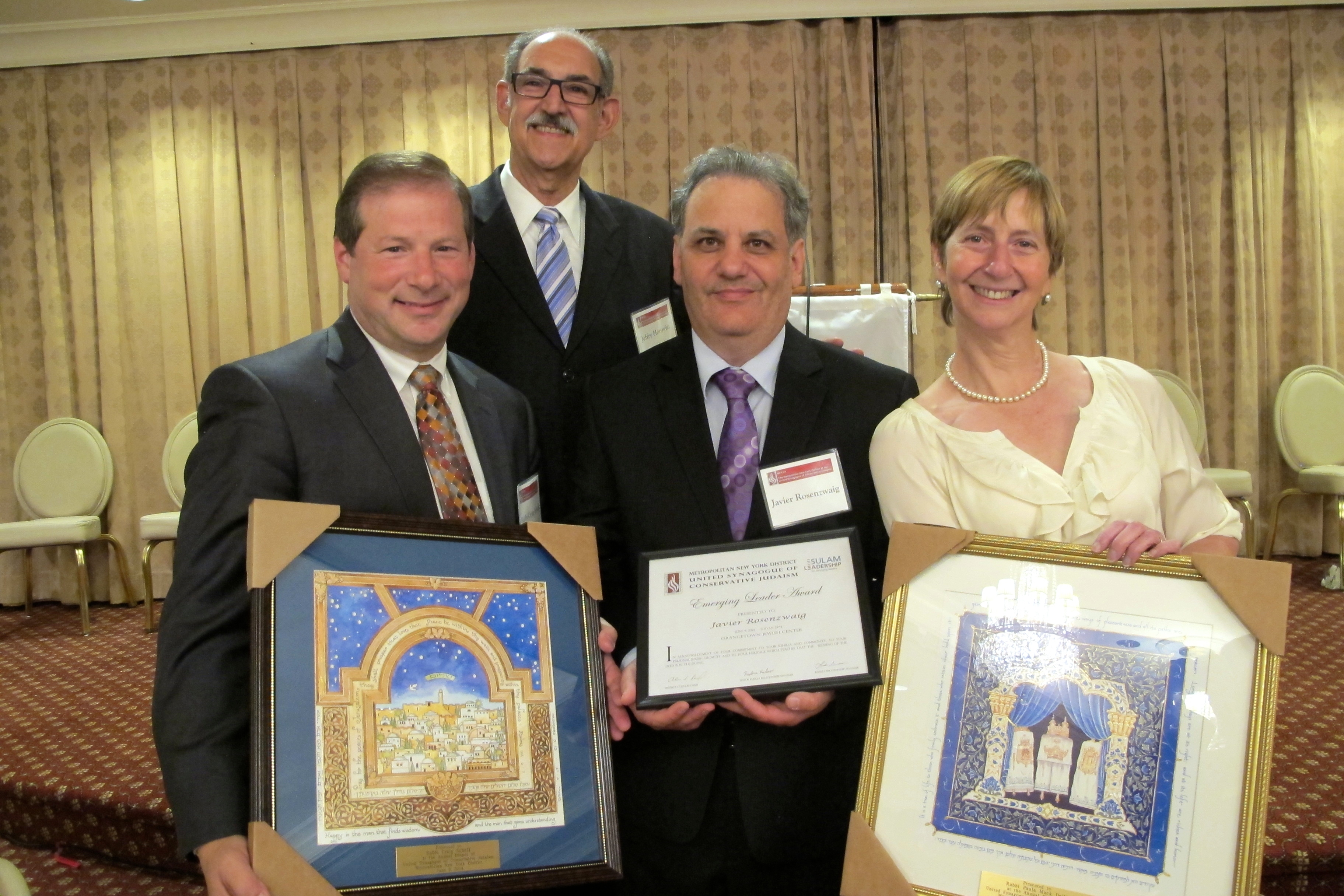
Pirke Avot, Ethics of the Fathers, answers the question of who is truly honored in Chapter 4: “Who is honored? One who honors his fellows.” Rabbi Scheff and I were honored this past Monday night at the annual dinner of the METNY District of United Synagogue of Conservative Judaism. We both felt pride in being singled out and the joy of being celebrated. We were prouder still of Javier Rosenzwaig, one of five laypeople from the entire district honored as an emerging leader. We all know how much heart and soul Javier gives to the OJC and to our mission.
Yes, Rabbi Scheff and I felt honored. What we felt even more powerfully, however, was that in accepting the accolades of METNY, we were acknowledging our extraordinary OJC community.
We were honored because we honor all of you. And you are honored because of the way our synagogue continually strives to honor our neighbors, our fellow Jews in Rockland, in Israel, and the world, and all people created in the image of God.
Rabbi Scheff spoke about the partnership of Joshua and Caleb in this week’s parasha, Sh’lach L’cha. If there had been just one spy alone against the majority, would he have had the strength to stand up and say, “Let us by all means go up”? Relationships are the key to a synagogue that operates with optimism and courage. Lay leadership and clergy work together to meet the needs of the community. At the OJC, we are saying, “Let us by all means go up” every day!
I spoke about God’s command to Moses to send men to spy out the land. In that word L’cha (for yourself) lies the difference between the fear of ten spies and the vision of Joshua and Caleb. Ten men went only for themselves, with their own personal worries and concerns. They forgot that they were part of an endeavor larger than their own worldview. Joshua and Caleb might have been just as concerned as the other ten, but they remembered that their mission was God directed and the outcome was promised in advance by God. They remembered that “for yourself” is complete only when “yourself” and “others” are linked into a common commitment. At the OJC, we strive in every ritual, minyan, program and interaction to remember that we are part of something bigger than ourselves. No less than the spies, we are on a mission directed by God.
Todah rabbah, METNY District, for this great honor.
Rabbi Paula Mack Drill
A City, A Palace, A Parade
This past week we observed Memorial Day. In synagogue we read the names of Jewish soldiers who have been killed defending America since 2001 and took a moment of silence to reflect on those sacrifices. On Tuesday night and Wednesday, we celebrated Yom Yerushalayim, a joyful day to remember the miracle of the reunification of Jerusalem in 1967.

On Sunday, June 1st, Orangetown Jewish Center congregants and our Rockland County friends will join with thousands from the tri-state area to walk down Fifth Avenue in the Israel Day Parade. (For information about the parade, go to the Rockland Jewish Federation website: http://www.jewishrockland.org.) Rabbi Scheff and I hope that you’ll join us there. So often, our Jewish selves and our American selves weave together and separate and weave together again.

This past Shabbat, I asked our congregation to stand if Israel is their home. A vast majority of people in the sanctuary was standing. For some like our Israeli congregants whose families are all there, Israel is the place to which they return when they go home. For some like Rabbi Scheff’s sister and her husband and my daughter Sarah, Israel actually is their home. For others like my son Josh who recently announced his plans for aliya, Israel will be their home.
What about the rest of us? We identify Israel as home. We are Zionists who understand the need to support and advocate for a home for the Jewish people in the land of Israel. We travel there as often as we can. Shouldn’t we be living there? What are we doing here?
I suggested this past Shabbat that there are two important ways to be Zionists: to be there and to be here. In the first century of the common era, Rabbi Shimon bar Yochai said that Judaism is a palace floating atop two ships at sea: one is Eretz Yisrael (the land of Israel) and the other is Galut (Jews outside of Israel). Without both ships staying afloat, said this rabbi of the Mishnah, Judaism would topple. This palace atop two ships imagery is important to this day.
Two of my children will live out their Zionism in Israel, protecting the state by serving in the IDF and then studying, working and establishing themselves as adults in Israel. Two of my children will live out their Zionism in America, protecting the state of Israel by their support and advocacy as they establish their lives here in the U.S. If the metaphor of the palace holds true, then Judaism will remain safe, with both ships staying afloat. As long as the palace of Judaism is carried by Israel and the Diaspora, it will remain Or L’Goyim, a light to the nations, spreading our understanding of living with a moral compass — to the entire world.
With dreams of peace, Rabbi Paula Mack Drill
The Incredible Power of Acknowledgment
Shy, I’m not! On a stage in front of a room of people, on the bima before a congregation, or in front of a video camera — it’s all just fine with me! When Judith Umlas and I first spoke about the idea of an interview format for her Rockland Jewish Family Service Author Series presentation (in partnership with the OJC), I knew that it would be a lot of fun. What I didn’t realize was how profound an experience it would be for me. 
On Tuesday evening, our own Judy Umlas, author of three books (The Power of Acknowledgment, You’re Totally Awesome: The Power of Acknowledgment for Kids and Grateful Leadership) spoke about her calling to teach the simple yet life changing lessons of acknowledgment. Judy considers her writing and speaking about acknowledgment to be a fulfillment of the Jewish call to Tikkun Olam, repair of the world.
One of Judy’s favorite sayings is: “Gratitude – it’s not just a platitude.” In her teaching, Judy is clear that acknowledgment must be authentic and heartfelt. Surface thank-yous and thoughtless praise are not what true acknowledgment is all about. In answer to my questions on Tuesday night at the Rockland Jewish Community Campus, Judy shared real stories about people who changed lives by generously telling others that their actions and words matter. Thanking a barista for always remembering her coffee order made that young worker feel noticed and appreciated. She burst into tears. Telling a phone operator that she appreciated his going the extra mile shocked him. “No one ever says thank you,” he explained. “I only hear complaints.”
We practice acknowledgment with people who are not in our intimate circles so that we become adept enough to share our thanks and appreciation with those closest to us: co-workers, friends, partners, spouses and our children. For so many of us, acknowledgment does not come easily. We take our spouses for granted; we feel competitive with co-workers; we feel awkward showing gratitude to our friends. Judy convinced us all that the results are well worth the effort. Judy posts testimonies from people who experience heart-opening joy through giving and receiving acknowledgment each week on her blog, http://www.thepowerofacknowledgment.com.
Judy challenged the audience to complete a writing assignment she calls “Knock Your Socks Off.” At the end of the presentation, we sat quietly and wrote to any person we wanted to acknowledge. One woman thanked her postman for his consistency, dedication, and willingness to ensure that her slightly broken mail box was always closed tight. Another woman thanked her teachers for creating safe space and for always acknowledging their students. The evening could not have ended in a more precious way than the final audience member who shared her letter of acknowledgment. Judy and Bob’s daughter Stefany acknowledged her brother with a wonderful list of things that she appreciates about him.
We should all practice acknowledgment! I’ll start right now by sharing that Judy Umlas is a treasured congregant and friend in the OJC community. She shares her wisdom with generosity and humility, and I do believe that her work can repair the world.
With acknowledgment to all of you for reading our blog each week,
Rabbi Paula Mack Drill
OJC’s March of the Living, Day 11
Day 11 of our journey began with a beautiful morning minyan on the hotel terrace looking towards the Old City. We made a minyan for an older gentleman from Connecticut saying Kaddish for his mother. We were proud to be a community for him on this morning.
Over breakfast, Joan Kedem, a long-time friend of OJC and advocate for Israel’s lone soldiers, shared with us her latest efforts on behalf of the soldiers who serve in Israel without the support and/or presence of families.
Our first stop of the day was the City Planners’ Office. We examined the miniature model of the city, with all its current and proposed building projects reflected on the map. The lifelike representation helped orient us to the topography, and to understand the historical development and expansion of the city. We ascended to the rooftop to gaze at the real-life, breathtaking version of the city.

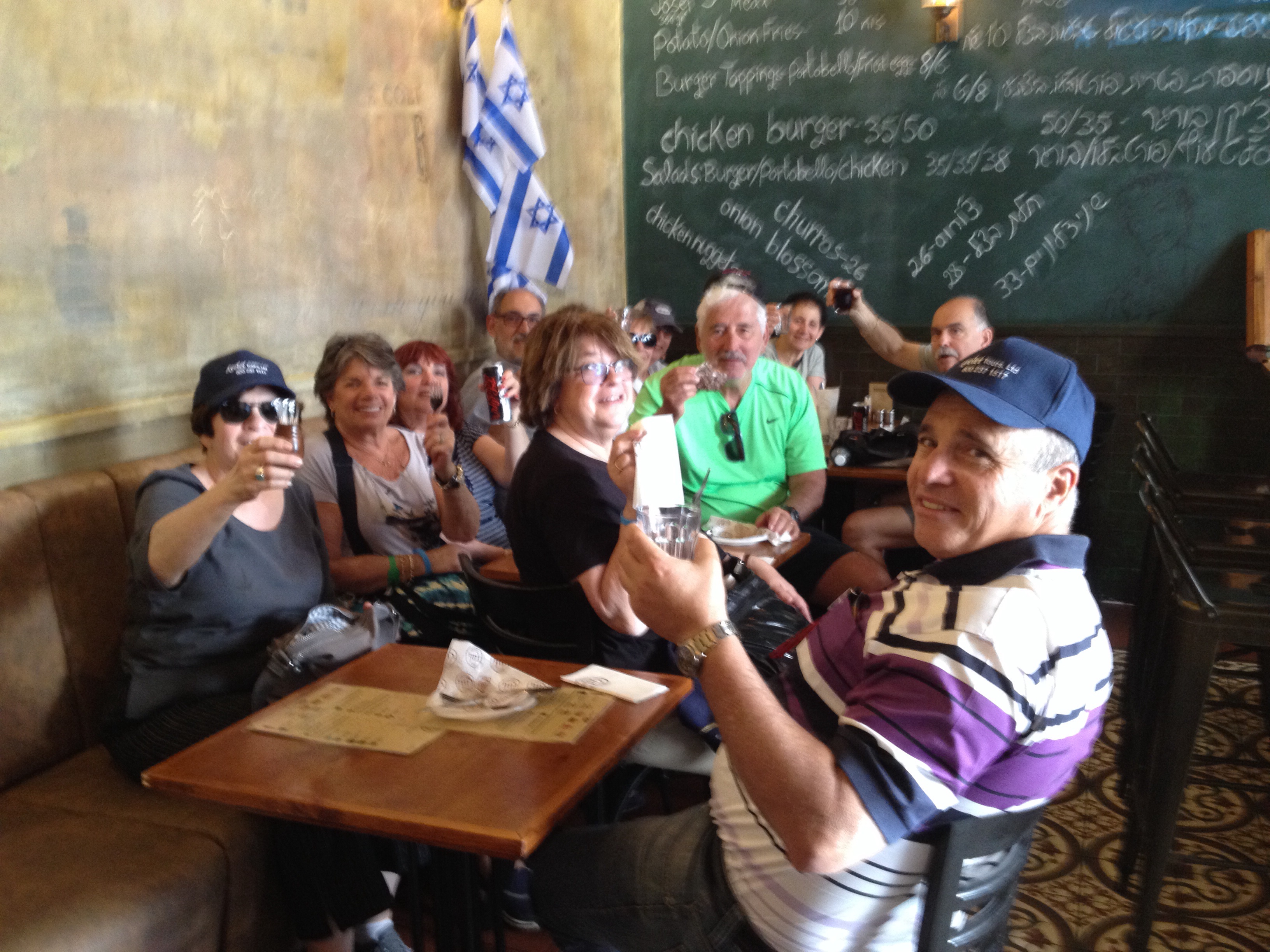
11am? Must be time for a winery visit! At Tzuba, we were introduced to the art of growing grapes, and to the production of kosher wines. We got a lesson in tasting, then fulfilled the obligation of four cups (is it Passover again already?), plus two ports, red and white, for dessert. Neeedles to say, wee were all shtarting to feel pritty good ’bout th day ahed….

A good dose of fresh air, lunch on Ben Yehuda street (I had Kosher McDonald’s, surprised?) and a brief shopping spree got us refocused for our next visit. At Our Crowd, we met with venture capitalist Élan Zivitofsky, who gave us an overview of the factors that have led to Israel’s status as the start-up nation.
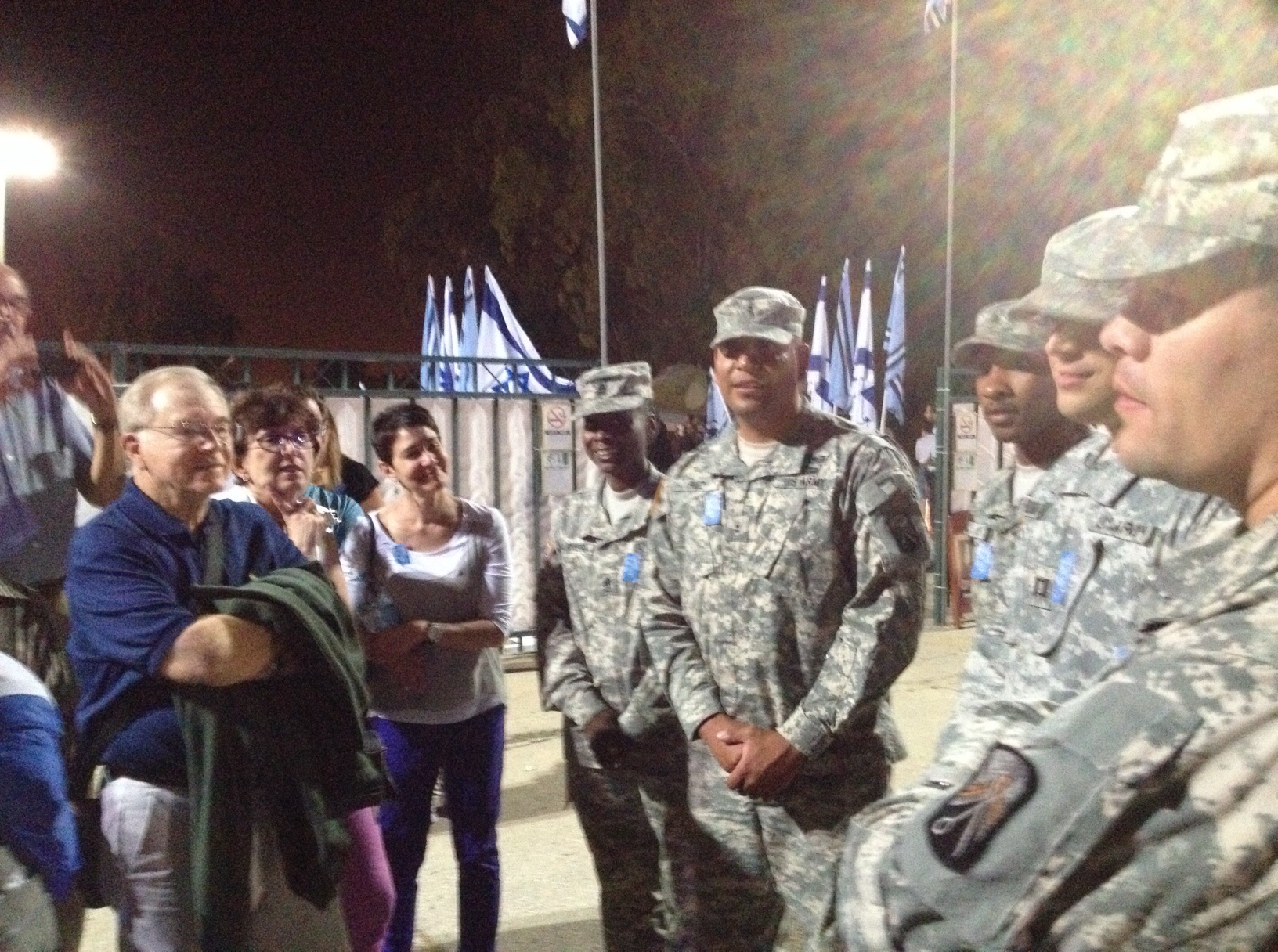
After a brief respite back at our hotel, we headed to Hatzor, an Air Force base near my younger sister Randi’s home, where we had the opportunity to experience an opening ceremony of Israel’s Memorial Day, Yom Hazikaron. Ariel Brickman, former commander of the base and now General Manager of the Ramon Foundation, greeted us and brought us to our seats. While most of us didn’t understand the speeches, songs and poems that were shared, we were deeply affected by the sound of the 8pm siren that was observed in silence, the voices that gave expression to the pain of the many losses recalled, and the swell of unity and pride that was shared when we stood for Hatikvah. Following the hour-long ceremony for the base soldiers, their families, and the families of fallen pilots, we met (by chance!) with several American soldiers from an airborne division who are training with the Israeli pilots. They talked about their positive experiences with the Israelis, how moved they were by the outpouring of honor and respect paid to Israel’s fallen soldiers, and by the way Jewish people recall their loved ones. In turn, we were so proud to be represented by this fine group of American soldiers.
No alcohol is served tonight. Restaurants are closed for the evening. TV and radio stations carry no light entertainment. Soldiers’ stories and songs of loss fill the airwaves. It is a communal and individual time to remember, to reflect and to find strength and comfort in a nation-wide embrace.
L’shalom,
Rabbi Craig Scheff
OJC’s March of the Living – Days 9 and 10, Shabbat
Let’s see, where were we? Oh yes, Friday! Our first full day in Israel. We prayed on the hotel terrace toward the Old City in the morning, to the sounds of traffic and jackhammers and the sight of the national bird, the crane, all across the horizon. And there was not a more perfect sanctuary in the world.
Our major stop on Friday was Har Herzl. We bridged our Holocaust experience with the State of Israel by learning stories of those soldiers who gave their lives for the sake of building a homeland. Some of them Holocaust survivors, each of them representing a precious story. Rank, office, and title mean nothing in this national cemetery. Every grave represents a story that is meant to be told, and we were moved by so many. This cemetery is a place of life, in stark contrast to the cemeteries of Eastern Europe. And we were asked to build upon these stories as we move forward in our lives in celebration of this land.


We affirmed this covenant by visiting the bustling market of Machaneh Yehudah, where thousands busily jostled for position among the vendors to make their final Shabbat preparations. We sampled the many ethnic foods of Israeli culture, bumped into friends and strangers, shared several laughs, and headed back to the hotel.

We welcomed Shabbat in Ezarat Yisrael, the newly designated area for men and women to pray together at the Kotel. We sang and prayed, other visitors joined our community. As we finished Kabbalat Shabbat, a group of children led by my colleague, student and friend, Rabbi Ari Lucas, descended to the platform, gathered beside us, and the rabbi and children started their prayers. Our songs occasionally clashed, and at times we joined each other’s melodies. And I felt something that I have never felt before at the Kotel. Total joy.
The OJC group closed down the dining room with a rousing rendition of Birkat Hamazon, and we were all primed to enjoy a well-deserved Shabbat rest.
Shabbat was a day of joyful rest, with some of us sampling services at different synagogues, some of us enjoying a walking tour, and some of us playing with family at the pool. We joined Rabbi Jim Rosen (Ariella’s father) and the Beth El community from West Hartford for a discussion, Maariv and Havdallah.
We ushered in the 18th day of the Omer with dining, shopping and witnessing the streets of Jerusalem crowded with people at play.
As we head toward Memorial Day on Sunday night, I pray: To those who gave so selflessly in order for us to have such joy, we thank you and hope to be worthy of your sacrifice.
Shavua tov,
Rabbi Craig Scheff
 Three Rabbis Walk Into A Shul
Recent Comments