Optimism: Naïve or Courageous?
When every prior effort has failed, what is required to continue trying? Where does one find the energy to believe that change for good is possible despite a history of dashed hopes? How is it possible for people of shared good intentions to sit together at a table and dream of a different kind of reality for Rockland County? The answer is: strong minded optimism.
Yesterday I attended a meeting called by Dr. Penny Jennings, Commissioner of the Rockland County Human Rights Commission. She believes that government’s job is not to make change but to support change efforts. New to her post, Dr. Jennings hopes that by bringing together a group of interfaith leaders, she can kick-start efforts to unify our community.

When I received the invitation, I could have said: been there, done that. Instead, I found myself moved by Dr. Jennings’ dedication to change. From the moment Rabbi Scheff and I met her last month at the rally against hate on the New City Courthouse steps, we saw that Dr. Jennings is a catalyst for action, a skilled listener and empathic thinker. I knew that I wanted to be on her team.
Once again I found myself in a board room surrounded by people of good intentions brainstorming ways to heal the divisiveness, insularity, and prejudice that mar our home in Rockland County.
Once again I found myself in discussions about brokenness, distrust and fear without the presence of the people whose voices are required in the room. We need leadership of the Chasidic communities at the table in order to have robust, honest conversation, in order for real change to happen. We must find a way to change hearts and minds enough to successfully bring into the room people who do not want to be there.


Dr. Jennings, however, pointed out that we have to begin somewhere. “Someone has to extend the olive branch and I don’t mind being the one to do it.” Evan Bernstein, Regional Director, and Etzion Neuer, Deputy Regional Director of the New York office of the Anti-Defamation League, brought their wisdom and experience to the table.
But most of all, Dr. Jennings listened to the community and religious leaders gathered at her table. She engaged us in an honest conversation about the most pressing issues of human rights and social justice in our county.
We talked about paths to change and barriers as well.
We all agreed on our destination: a hospitable environment where bad behavior will not be tolerated. Rockland County will be a place where we are gracious to our neighbors. We will have mutual respect. We will have a knowledge of each other’s values and concerns.
Government cannot legislate loving one’s neighbor, but it can legislate against acts of hatred. Attitude shifts can happen in a multitude of small steps. Doing nothing except giving in to frustration and anger cannot be the most reasonable response. The issues in Rockland County are not going away, and neither are we. Rockland County is our home.
After a discussion about the many difficulties in reaching our goals, Dr. Jennings offered the most profound statement of the day: “Oy vey!”
As a rabbi in this county, I am committed to working toward change. As a rabbi of the Orangetown Jewish Center, I am proud to represent our congregation in its desire to be a part of the work that is required.
In these weeks before the High Holy Days, it seems to me that nothing could be more important. In a world where the tone of discourse has become ugly, it is required of us to remember the power of respectful communication. It is essential to defy hatred and refuse to be part of intolerant behavior.
Is being optimistic naïve? I believe that optimism is a courageous choice. Join me in optimism. The alternative, helplessness and hopelessness, is not a real choice.
L’shana tova, a good year for all, Rabbi Paula Mack Drill
Back to school
I can’t imagine what direction my life might have taken without Arlene Tuttle, my 6th grade teacher. With just the right blend of intelligence, humor, sarcasm, discipline and love, she taught me to love learning and to love teaching. I may have only been 11 years old at the time, but she clearly left an important impression on my life. I often think of her, especially as I prepare to walk into a classroom of sixth graders tomorrow.
Tonight, on the eve of a new school year, I think about the influence that teachers have on their students. And I think about the influence that students have on their teachers. Growing up, I was told on many occasions that I should be a rabbi. But it took the right person making the same suggestion in the right moment to change the course of my life. (Thanks, sis!)
We have as much power to “make or break” our teachers as we do our students. The right acknowledgment can validate a person’s life choice; just as the wrong remark can move someone to abandon a lifelong dream.
Our sages teach that “all is in the hands of God except for the awe of God.” In other words, everything is in God’s control, except what isn’t. What is not in God’s hands is that which we control: our words, our actions, and the consequences thereof.
As we walk into our classrooms, we must be cognizant of the power we have to shape others’ perceptions of themselves. As teachers, as students, as classmates, may we conduct ourselves with the understanding that we are shaping the classrooms of today and of the generations to follow.
May we grow in knowledge, wisdom and compassion together!
Rabbi Craig Scheff
Elie Wiesel, True North
Like so many, I felt great sorrow upon hearing of the death of Elie Wiesel on July 2. I felt bereft at the loss of such an iconic man, one who served as a moral compass for the world almost against his own desire. In the two weeks that followed his death, I have read many meaningful eulogies and tributes and decided that I had no insights of my own to offer. I never met Mr. Wiesel. I did not study with him or serve on a board with him. I only heard him speak publicly once though I read every book Wiesel authored. His wisdom holds an indelible place in my Jewish identity. How many of us could claim the same? What did I have to add to the conversation?
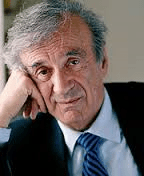
In the two weeks since Wiesel’s death, the world has continued to implode in a myriad of frightening and devastating ways. It feels like we have entered a dangerous, stormy night in a rudderless ship. . . and we have lost our compass. For many of us, Elie Wiesel represented our True North. Bracing myself with each new piece of information about bombings, murders, demonstrations, ugly campaigning and economic threats to stability, I realized that I do have something to say.
I was only 12 years old when my older cousin Beth gave me Night to read on the flight from Florida back to Maine.

When I got off the plane, I collapsed into my parents’ arms sobbing. They thought that I had missed them during my week-long vacation, but I soon explained that the tears were a response to the book I had just completed. I had come to understand in my very soul the horrors of the Holocaust and its implications for me as a Jew. Reading Night was most definitely my awakening to the reality of a world with evil in it and to the precariousness of life as a Jew.
Twenty-four years later, as I sat in a hospital room witnessing my mother’s dying, it was Wiesel’s memoir, All Rivers Run to the Sea that I read. That haunting book of hope and disaster is forever entwined in those lonely frightening days. Wiesel’s book and my mother’s death taught me that life followed by death is a reality we cannot deny.
Wiesel’s lessons thus form bookends for my first awareness of loss when I was a child and my acceptance of loss as an adult. Acceptance does not mean indifference. Acceptance dictates that life must be fully embraced in every moment. Wiesel said, “I had all the reason in the world to be angry at the world, at God and at the Other,” but he refused anger as his response to his life story. He chose education, advocacy and memory.
I am struck by the fact that Orangetown Jewish Center began a campaign to fund a memorial to the Shoah at the entrance of our building in the same week that we lost Wiesel. How beautiful that we are creating a place to congregate, contemplate and educate. Each of us will be able to embrace and draw strength from the fact that none of us stands alone. At the OJC, we are all part of a caring community committed to ending intolerance and injustice. We are committed to remembering for the sake of creating a safer, better world. I know that we will carry on the legacy of this great moral leader.

As long as Elie Wiesel lived in this world, we could count on his opinions, his humble yet powerful statements, his decisive writing, his willingness to scold world leaders if necessary. The world feels like we have entered a dark and stormy night indeed without a True North. But together, we will find our way out of the darkness, out of the Night. By remembering and acting on memory, we will ensure a better world for our children and grandchildren, nieces and nephews, for all the children of tomorrow.
Join me as I dedicate myself to acting in his memory. No one person can replace such a moral giant. But each one of us can do our best to stand up for the values that he held most dear. In this way, we will continue Wiesel’s legacy of repairing the world.
Never forget. Always remember.
Rabbi Paula Mack Drill
Jewish Disability Awareness and Inclusion Month SH’MA

When we teach the Sh’ma to children at the OJC, we often use sign language to provide an important pathway into the meaning of “Hear O Israel, Adonai is our God, Adonai is One.” The sign for “hear” is not used; rather, we teach “pay attention.” Hands on either side of our face draw out, focusing our attention on what is important.
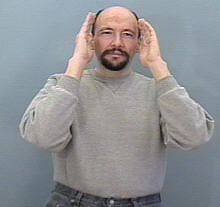
As we enter the month of February, we will honor Jewish Disability Awareness and Inclusion Month with postings and congregant highlights to remind all of us to pay attention. If God is truly One, then we are all connected. A holy community like ours is not complete if we do not ensure the inclusion of all of God’s children, all created in God’s own image.
We invite you to join with us as we pay attention. May the month of February remind us to be aware and inclusive throughout the entire year!
Rabbi Drill and Rabbi Scheff
Israel through our children’s eyes
This past Friday morning we returned from OJC’s 2015 Israel Experience, having had a wonderful time soaking up the beauty and vibrancy of the land of Israel. We enjoyed sharing our experiences with you daily on Facebook. The true authors of this guest blog entry, however, are thec hildren on our trip. These nine children, ages 6 to 21, inspired us throughout each moment of this trip.
Now, in their own words:
Rayna: Having an experience of visiting Israel is not something that everyone is able to do so, I would like to first say how fortunate I am to be on this amazing trip. An exciting ten hour plane ride across the world to the Asian continent was a pretty interesting experience on its own. This ride was especially exciting because I got to sit next to my OJC friends Victoria and Jeremy! After getting almost no sleep at all on the flight we landed and quickly headed straight to our first activities: sheep herding (not as easy as it sounds) and tree planting.

Samuel: When you think of Israel you think of Masada, the Dead Sea, Jerusalem etc. But, in Israel there are lots of interesting things that will blow your mind. Israel was the home of the ancient Jewish people, so as soon as we landed on Thursday we headed over to a place near the Ben Gurion airport called Neot Kedumim, a nature reserve representing the Biblical times. There, we planted trees because 60% of Israel is desert. At the same site we became shepherds! We played a game where one team had to herd all of the sheep into a stone circle in a certain amount of time. Some of the sheep were quite rebellious! It was a lot of fun. After that, we headed to Machane Yehuda, the “shuk.” There we walked around and saw all the different kinds of stores and street stalls. Finally, we staggered back to the hotel and collapsed.
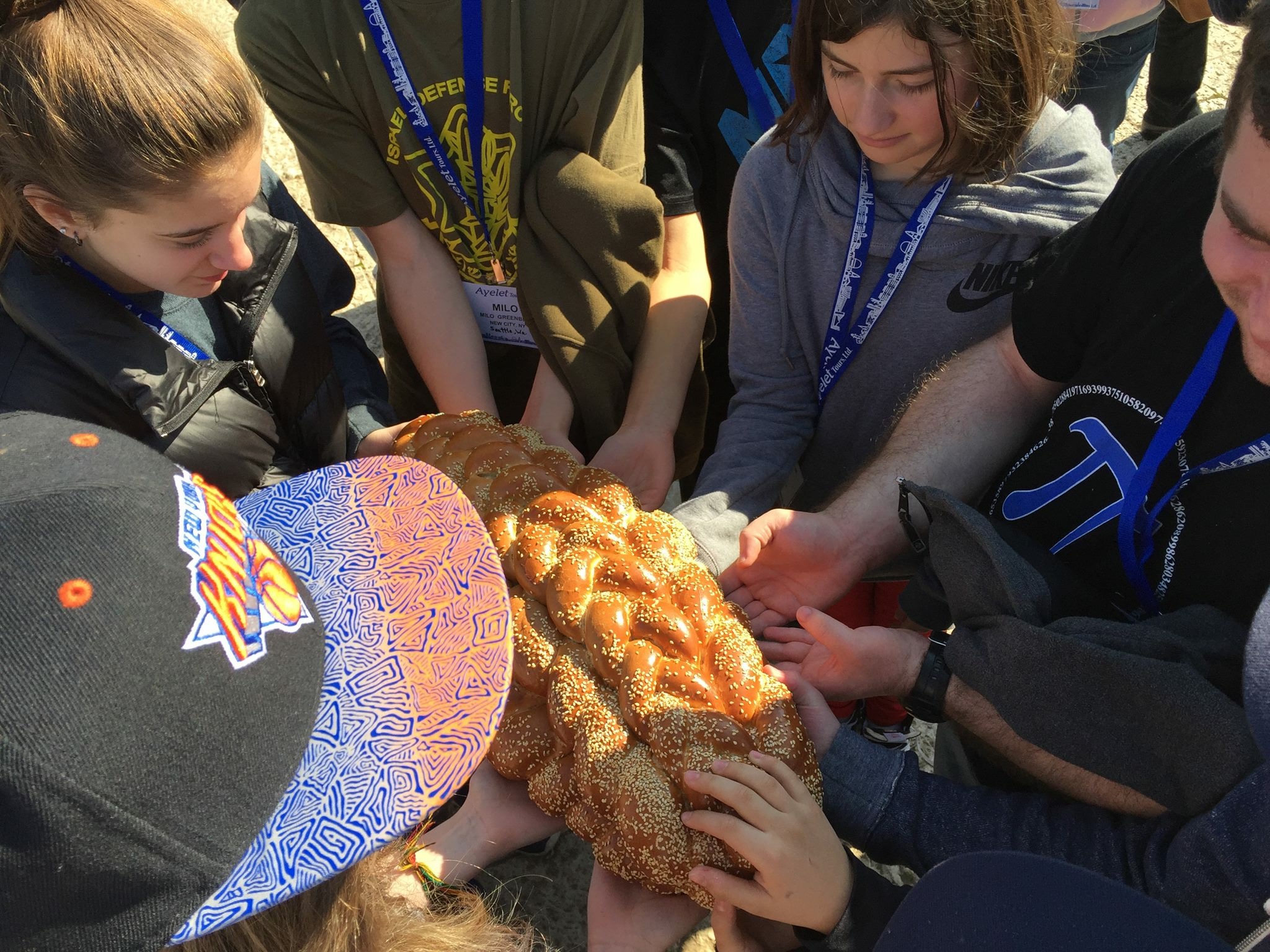
Jeremy: At the Machane Yehuda outdoor market, we sampled all different kinds of foods, drinks, and even some spices. Some examples of refreshments that we had were smoothies (etrog flavored!), coffee, halva (compressed sesame seeds with sugar), olives, and pita bread stuffed with Georgian cheese! We’re talking about the Asian country Georgia, not Georgia in the United States. Even before Machane Yehuda, we made our way over to a spot (Tayellet) where we had a post card worthy photograph view of the city of Jerusalem. We could, see everything. We also said prayers there for wine, Challah and Shecheyanu.
The next day was in the Old City of Jerusalem, where we had a wonderful day under the Temple mount in the tunnels. We learned all about the design and structure of the stones of the Kotel. We learned about how King Herod designed his own style of stone now called “Herodian Masonry.” It was really hot down in the tunnels, but it was fun and educational!
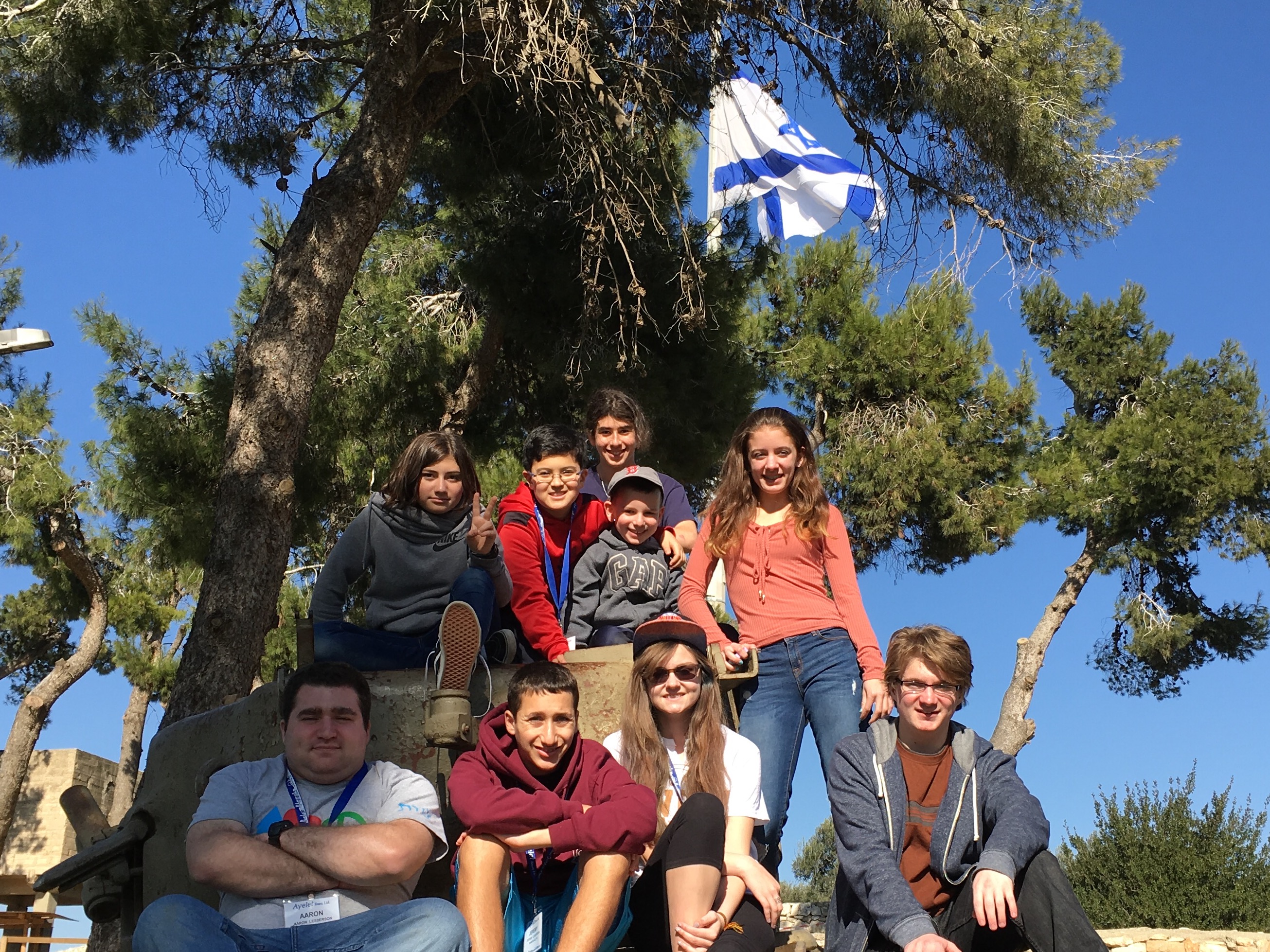
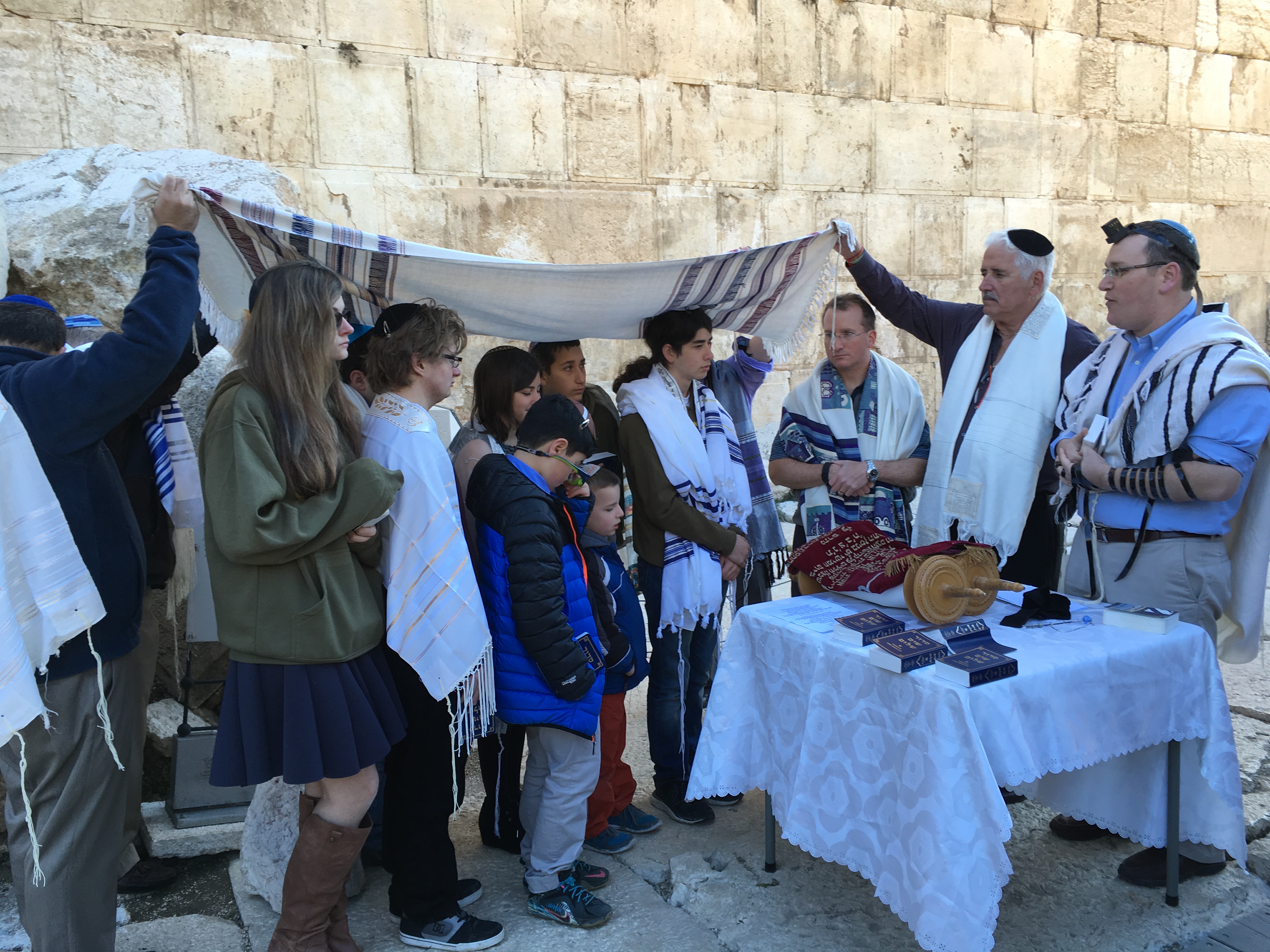
Rayna: After two exhausting and full days, I don’t know what the rabbis and our tour guide Julie were trying to do to us children, but starting at sundown on Friday we had to walk everywhere because it was Shabbat! I actually enjoyed Shabbat because, like I told my father, it felt like a holiday that happens every weekend! On Friday night we prayed together at the Western Wall – it was really nice. We went to synagogue on Shabbat morning and even though they spoke Hebrew it was a great thing observe!
Jeremy: Saturday was very different from Shabbat at home. Here in Israel, I got the experience of walking to a synagogue with the group, including the rabbis. The synagogue was Orthodox style, with the men and women separated by a curtain down the middle of the sanctuary. They did open up the curtain for the Divrei Torah though. They were in Hebrew and I therefore did not understand what they were about. I found Shabbat to be a nice experience. For one thing, it was a day in Israel that wasn’t jam-packed with tourist activities and sights. I would totally do it again if the opportunity permitted itself.
Grace: My favorite part of the trip thus far was today and our trip to Masada. After about fifty minutes of hotheadedly hiking up the Snake Path and yelling at the more fortunate cable car riders, we arrived at the top. The magnificent view took our breath away once more. As Jeremy mentioned, King Herod built part of the Kotel, but he also created the palace on Masada. After his death, it was used for a Roman army base. When the Sicarii, or Dagger Men, of the Jewish rebels infiltrated the base, they used the palace as a safe hiding space for three years, until the Roman soldiers finally made it to the top. The Romans surrounded the Sicarii. In the depths of their desperation, they decided that they would rather kill themselves than surrender to the Romans and be killed, mutilated, or sold as slaves. It is told that no one survived. We learned that what actually happened up on Masada many years ago is a little unclear. All I know is that the view there is beautiful and I liked hearing the various stories, however horrific they may have been.
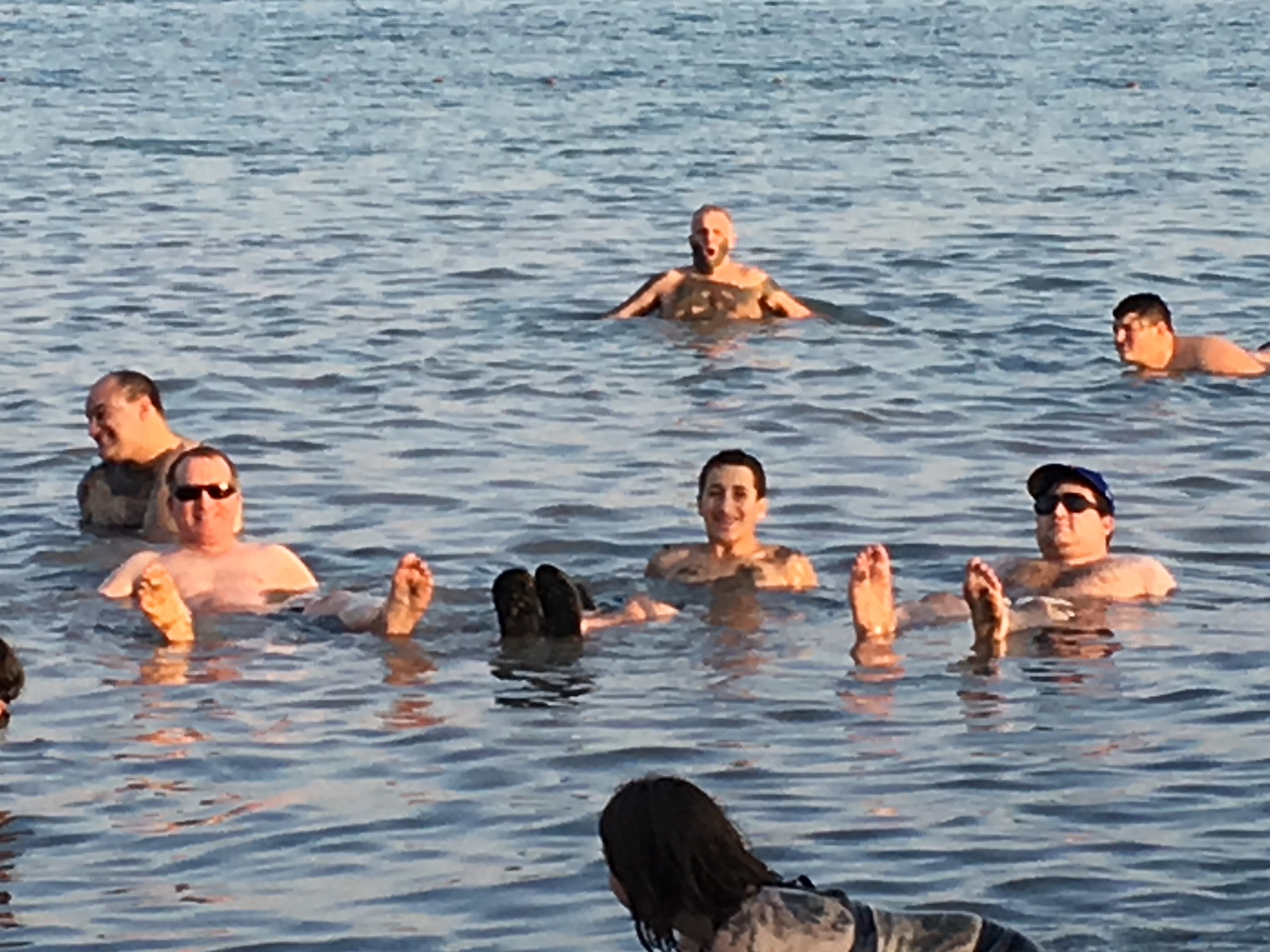
Our next stop was the Dead Sea. This sea is so salty that it is impossible to have any life there. This is why they call it the Dead Sea. The salt also causes anything to be extremely buoyant, so you can literally float on the water. It’s a phenomenon that is so difficult to explain, but so amazing to experience. When we arrived at the shore we saw people walking around with the infamous mud spread over their bodies. The salt in the water magically made it completely buoyant! It was amazing. At first, I was nervous about experiencing something so odd to me. I didn’t understand how salt could make water turn into something so easy to float in. Once we finally were able to lay back in the water and experience the impossible, there would be no turning back from the fun. We laughed with our friends, attempted to get into the weirdest positions while still floating, and just relaxed in the cool sea.
My experience in Israel so far has been an amazing experience, a phenomenal one. I have loved it with every bit of my heart, and I hope, sincerely, that I will come back soon.
Milo: This winter break, I was lucky enough to get to travel to Israel. Today we packed up our suitcases to head up north. On the way out of Jerusalem we stopped a few times. Our first stop was Yad Vashem. While we didn’t go inside the museum itself, we saw some of the monuments outside of it. The first thing we saw were the trees planted in honor of the non-Jews (righteous gentiles) who worked hard trying to save Jews. There were trees lining the stone path for a few hundred feet, and each tree had a plaque with the name of the honored person. The path that the trees bordered led toward two statues. The first statue was an engraving of a group of Jews being taken to a death camp. They looked frightened and broken. Their heads were bent, and in the background you could see Nazi soldiers’ with bayonets and helmets herding the Jews forward. The second statue was an engraving of Jews who looked strong and prepared to fight.
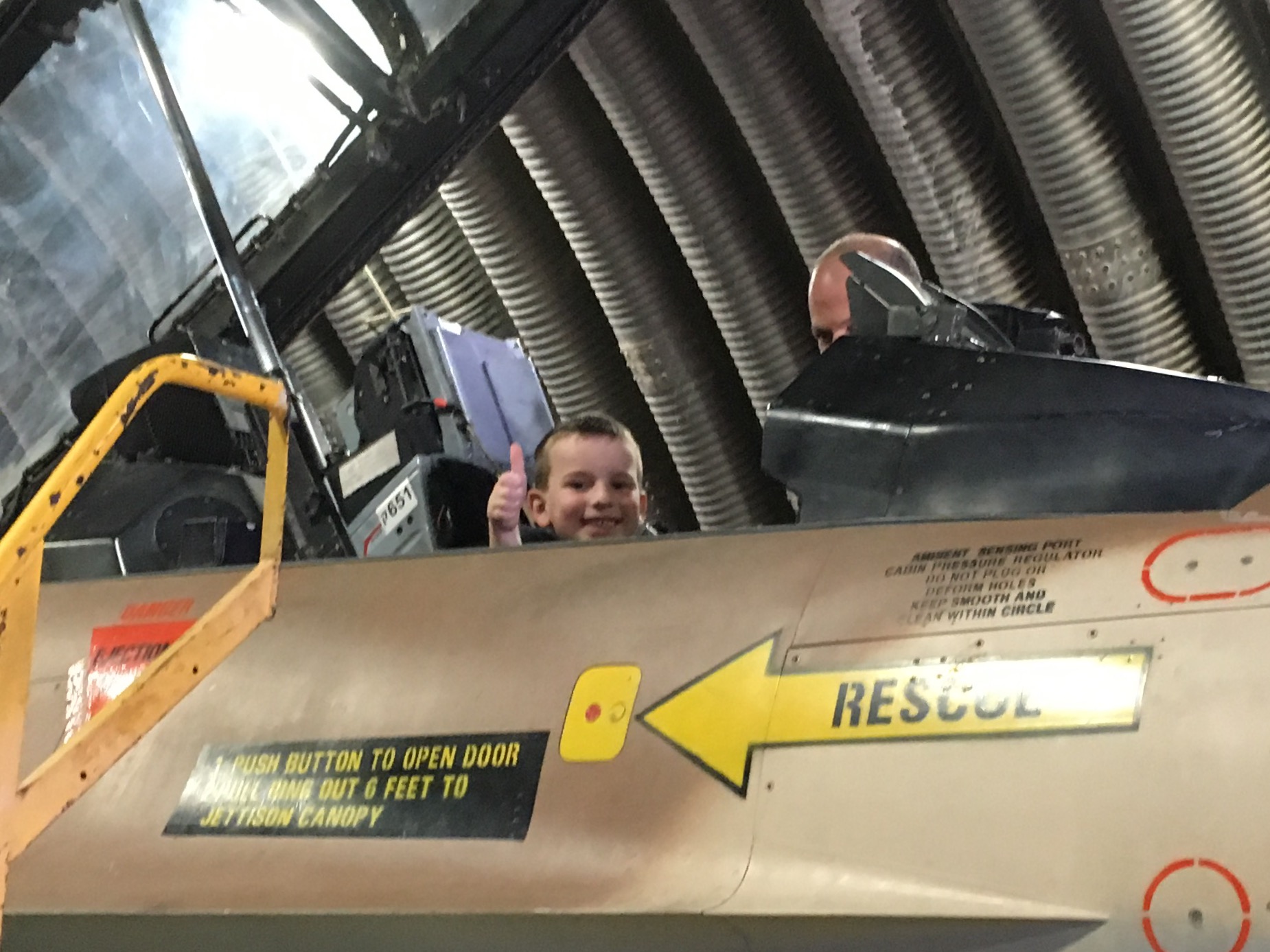
These words and images are just a sample of what we were blessed to hear and see throughout our time in Israel. Most meaningful of all was the desire expressed by each child on the trip: to return again soon; to continue exploring Israel, her history, and her connections to our Jewish identities; to be a part of supporting Israel as she strides into the future with hope.
With great appreciation for these days with our OJC Family,
Rabbi Ami Hersh and Rabbi Craig Scheff
Taking Action to Remember
“I know I’m not the best person socially. I know I’m not. Asperger’s has this tendency to make people who have it not the best people socially. I can only be one person – me.” Danny Klein wrote these words in one of the many journals he kept in high school and college. In April 2015, Danny committed suicide.
At our Na’aseh program last night, Danny’s courageous parents shared these and other words with fifty OJC teens. As part of a learning unit entitled “I am Enough,” we were learning about the inclusion of people with Asperger’s, what is today referred to as people on the spectrum.

Five years ago, Danny attended every Tuesday evening at Na’aseh. Often wearing a cool hat with earflaps that he himself had crocheted, Danny was an active participant. Kind, generous, and social, Danny wanted to be in the midst of whatever was happening. But unless his older brother Jared was at Na’aseh that night, Danny was never actually at the center of things. Danny was never excluded or teased or bullied. He was always tolerated. Last night, Rabbi Craig Scheff told the teens that tolerance is not good enough. We taught the teens of the OJC the value of inclusion.
Danny’s mom Judy explained all about Asperger’s, how it shaped Danny’s life and affected the entire family. Asperger’s is primarily a communication disorder that manifests as having difficulty with the back-and-forth flow of conversation, reading non-verbal cues, and understanding sarcasm. Judy told the teens, “What I saw was a kid who desperately wanted a circle of friends, who had so much love inside to give, who was prepared to be the best friend you would ever want… I saw a kid who held it together all day at school and then came home and asked me to help him figure out what was going on in social situations that he didn’t understand because people didn’t always say what they really meant.”
Judy concluded her remarks, “When I started typing this on my iPad and autocorrect didn’t recognize “Asperger’s” yet, it corrected to ‘as perfect’. Actually, my iPad was right. Danny was just as perfect and as imperfect as every one of us, just another good kid, and every good kid deserves friendship.”
How do caring adults teach teens the necessity of going beyond their safety zones to include others when every teen himself or herself is struggling with finding a place? We offered them the opportunity to listen, ask questions and participate in a variety of learning experiences. The Klein family’s participation was at the core of their ability to feel safe asking and processing the evening.
After Rabbi Scheff and I framed the evening and Judy introduced Danny’s story, I had the privilege of interviewing my friend Zahava Finkel in front of the group. Zahava is a 29-year old woman with Asperger’s who told her story with honesty and humor.

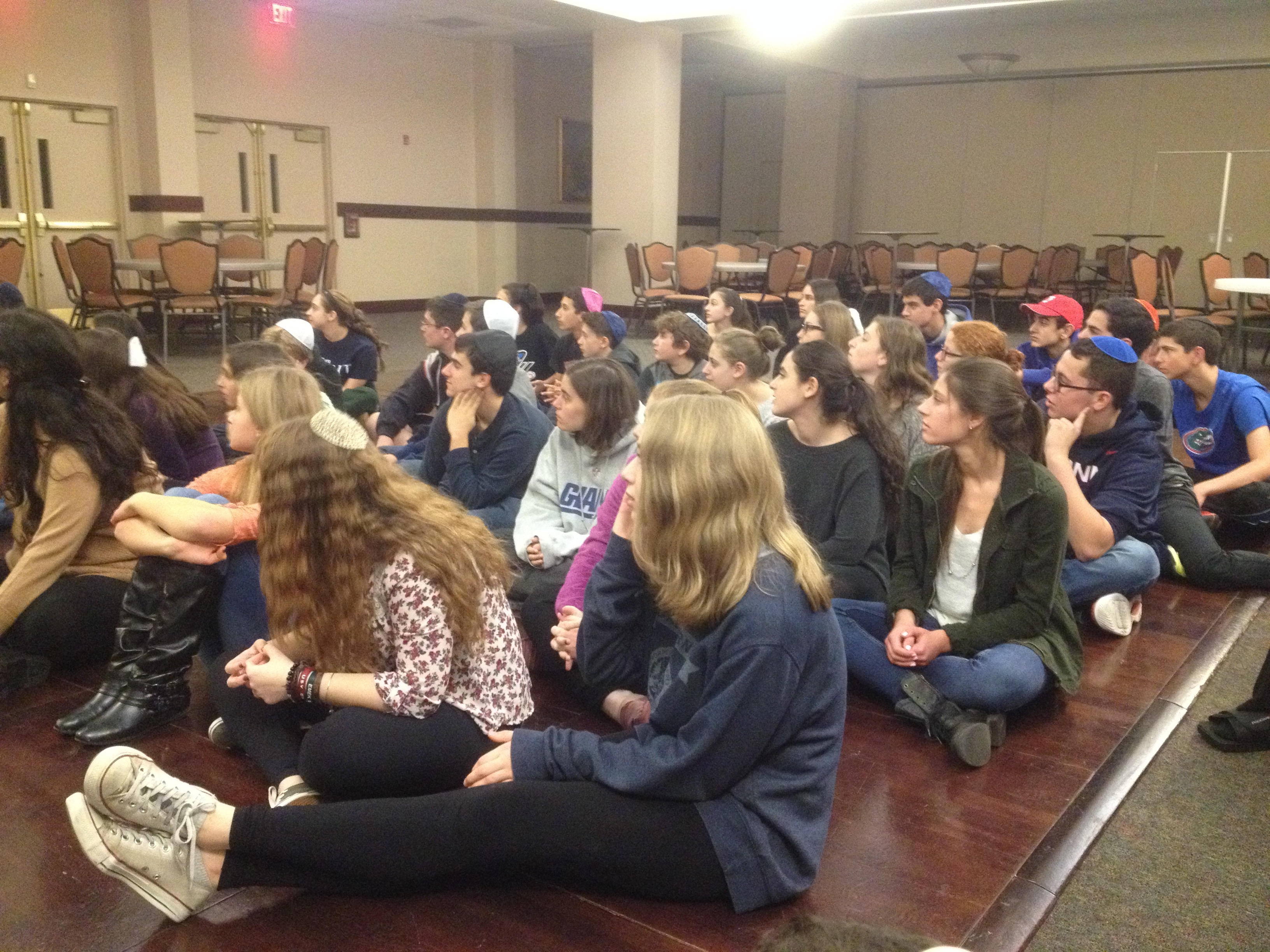
She and I facilitated an activity that she brought to our program. Everyone wrote their name on a piece of masking tape and put it on their shirts. Zahava then read statements that began with “I have been made fun of for…” and finished with “the way I look” or “my athletic ability” or “asking lots of questions when I don’t understand.” If a sentence rang true, a piece of tape was torn off. One teen said, “Every put-down diminishes our sense of who we are.”
In small groups, we considered Danny’s own words, allowing each teen to process the difficulties and triumphs that were Danny’s too short life.
When showed an interview of Danny with his psychologist, Youth Director Sharon Rappaport fielded questions from the teens that were answered by Danny’s parents and brothers. I was reminded of what the evening was really about when one teen asked, “What did you love about Danny?”
For me, the most important take away of the powerful evening is the generous spirits of the Klein family. They are experiencing an unimaginable loss and their grief is palpable. But all of us who love them watch in awe as they channel that sorrow into activism. In Danny’s name, they are determined to make a change in our world so that people who struggle as Danny did will have champions among their peers.
At the close of the night, Judy told our teens, “I know that you are learning about what it means to say ‘I am enough’ but I want you all to know that you aren’t just enough. You are all way more than just enough.”
May Danny’s name always be for a blessing.
Rabbi Paula Mack Drill
The Soul Remembers
During eight years of social work in a Jewish geriatric center, I gravitated to Barnhard Pavilion for residents who lived with dementia. I sat with elderly men and women, talking quietly, feeding them breakfast or singing show tunes from the 1950s. Most often, they remained locked in their own diminished world. But if I sang “Shalom Aleichem” or brought a lulav and etrog to shake or lit Chanukah candles, the frail resident would come alive in that moment, often joining in the words of the song or the blessing. Those words would emerge from a deep, hidden place. I call that place the soul.
Zachor! We are commanded as Jews time and again to remember. Jewish ritual, study and celebration are anchored in national and personal memory.
Can Jews who live with Alzheimer’s or some other form of senility still participate in Jewish life? What happens to the souls of Jews whose memory has been robbed by dementia of some kind? And more importantly, how can the family and friends of a person who has lost some or all memory find their loved one within the person before them?
We are commanded “You shall rise before the aged and show deference [v’hadarta] to the old.” (Vayikra 19:32) Poet Danny Siegel plays on the Hebrew word v’hadarta and translates this verse: “You shall rise before the aged and allow the beauty, glory and majesty of their faces to emerge.”
The answer at a theological level seems to be that the soul of a person is still within. Soul is somehow separate from intellect, emotion or memory. The pure piece of God implanted within every person remains as long as breath remains in the body. In rare and gentle moments, the soul shows itself.
The answer to the question about coping at a personal level, however, is very different. Theology does not help when long, painful days of coping with a loved one’s losses are our reality. A fleeting moment in a heartbreaking flow of hours, days and weeks is not enough to sustain most of us. The mourning process is excruciating for those who have lost a person even as that person sits before them. And yet, I still encourage families to seek those moments when the beauty and majesty of the face emerges, the moment of soul.
My Nana could not remember which grandchild I was during the last three years of her life, but she would snap to attention when I asked her for the chicken soup recipe that delighted her family every Friday evening at her Shabbat table. The Cantor who lived on Barnhard Pavilion for four years could not tell me where he had lived before the nursing home, but he could lean back in his chair and sing Kol Nidre as if he were in his sanctuary once again. I felt privileged to recognize their souls in those moments.
My friend Charlotte Abramson’s daughter Adena wrote a a prayer-poem for Yizkor this year. Adena wrote about her father, Rabbi Robert Abramson, my friend and teacher. I share it here with Adena’s permission, in the hope that it will bring recognition and succor to those of us coping with dementia in a loved one and that it will encourage all of us to reach out today to someone who is living the long grieving process of a family member of someone with senile dementia.
You are still here, but I remember.
I remember when your mind was connected to your voice.
I remember when your mind and body acted as one.
When with two words you could cut through all the noise or cause the room to burst in laughter
When your eyes sparkled green and were clear with focus.
Is it too early for me to start remembering?
You are still here. Your heart still beats. You are kind.
Do you experience joy?sadness? fear?
Is it still there?
So, I remember because you cannot, and by doing so, I feel all.
Adena Abramson


With blessings, Rabbi Paula Mack Drill
Being Mortal
Thank you to so many congregants, family members and friends who have responded in phone calls and writing to my Rosh Hashana sermon, anchored by Dr.Atul Gawande’s deeply affecting book, Being Mortal.
In the days since Rosh Hashana, many of you have shared your stories, struggles and experiences of deep understanding. And many more of you have asked for assistance with beginning the difficult conversations about what our lives mean to us. On Rosh Hashana I asked us to consider how we want to face the end of our lives if we are blessed with the opportunity to have choices. I asked us whether we know the true choices of those we love.
I share here a synopsis of my teaching and the links to the resources that I mentioned in the sermon.
In the experience of family members dealing with the inevitable dying of an elderly or seriously ill loved one, there comes a time when they recognize at some level that they are up against the unfixable. If they are blessed or wise or very well versed in matters of life and death, however, the unfixable does not have to be the unmanageable.
Gawande’s transformative book is filled with studies and anecdotal evidence about the astounding intersection of medicine and dying in modern society. He writes that scientific advances have turned the processes of aging and dying into medical experiences, matters to be managed by health care professionals. Gawande believes that the medical world has proved alarmingly unprepared for helping people understand death. His book is filled with stories of heartbreak and loss and dying. But each story is most of all about triumph – triumph due to the recognition that we are all mortal. Being mortal means that we are not immortal. It means that all of us will one day die.
As I prepared my sermon, believe me, I understood that mortality can be a treacherous subject. Listeners might be alarmed at my talking about the inevitability of decline and death. No matter how carefully I framed my words; for some, the topic would raise the specter of a society ready to sacrifice its sick and aged. But here are Gawande’s words that encouraged me to take up this topic despite the risks of discomfort or fear. He wrote: What if the sick and aged are already being sacrificed – victims of our refusal to accept the inexorability of our life cycle? And what if there are better approaches, right in front of our eyes, waiting to be recognized?
Gawande’s book, to me, is a very Jewish conversation. Rebbe Nachman of Bratzlav wrote: Kol haolam kulo gesher tzar m’od, v’ha-ikar lo l’fached klal. “All of this world is just a very narrow bridge and the main thing, the essence, is not to be afraid at all.” Perhaps that narrow bridge is meant to teach that between birth and death, there is just a narrow passage, like grass that springs up in the morning but is gone by night and no one can tell where it grew. That bridge is the human condition. We move from birth toward death every moment. So – do not be afraid. Rather, walk confidently and solidly and powerfully on that bridge. Without fear, we can enjoy the view.
Do not be afraid at all.
What is required is courage. We require courage to acknowledge what we all know to be true, and then, most daunting of all, the courage to act on the truth we find. The wisest course is so frequently unclear. In conversations about mortality, it is important to decide whether our fears or our hopes are what should matter most.
There is no right or wrong way for everyone. The only correct way of facing aging, illness and dying is the way required by each individual in his or her unique situation.
The difference between a good death and a hard death hinges on whether someone’s wishes were expressed and respected, whether they’d had a conversation about how they wanted to live toward the end. While 90% of Americans think it’s important to have such conversations, only 30% of us have actually had these conversations. We can change that by bringing the people we love to the kitchen table to have the conversation. And we can do this before there is a crisis rather than in the I.C.U. So what stops us? We don’t talk with our loved ones, we don’t talk about our own desires because “it’s too soon.” But it’s always too soon … until it’s too late.
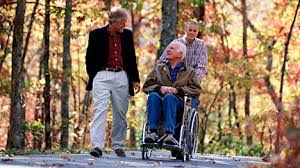

Throughout the liturgy of this High Holy Day season, we Jews practice thinking about our mortality. Who shall live and who shall die? On Yom Kippur, we will abstain from food and drink, playacting a mini-death in order to understand the necessity of teshuva, repentance. Our rabbis knew what they were doing, insisting that the theology of each new year must address the meaning of our lives which can only be done with an acknowledgment of the finitude of these lives of ours.
The question remains: How do we have these conversations?
If you choose to begin the conversation with your doctor, consider the Dear Doctor letter devised by a team led by Dr. VJ Periyakoil, Director of Palliative Care Education at Stanford University School of Medicine. Here is Dr. Periyakoil’s letter that can help in this conversation.
I advocate that the conversation also take place in your families and in your circles of intimate friendships. Conversation Starter Kit created by The Conversation Project avoids being a technical medical checklist for the dying in favor of a careful discussion guide for the living. The kit asks what matters to you, NOT what’s the matter with you. http://theconversationproject.org/starter-kit/get-ready/.
Rabbi Scheff and I are available to you to help begin the conversations. Contact us at Rabbi.Drill@theojc.org or Rabbi.Scheff@theojc.org. Be in touch if you would like to see the full text of my Rosh Hashana sermon.
If Rabbi Nachman was correct, and all the world is just a narrow bridge, I pray that all of us are able to make meaning of our short walk across it. It begins with acknowledging the bridge, not to diminish life, but rather to value it.
Shana tova tikatevu v’techateimu, May you be written and sealed for a good new year,
Rabbi Paula Mack Drill
Traveling Jewish
In our monthly Family Service shtick back at the beginning of August, I packed a suitcase with tanning lotion and a tennis racket while Rabbi Scheff packed his siddur and a traveling Shabbat kit. The takeaway of our skit was that while we might go on vacation from work or school, we do not ever go on vacation from being Jewish. Jewish is what we are, not what we do.
I find myself thinking of the playful skit now when Jon and I are on vacation in Budapest, Hungary, visiting Sarah and her fiancé Sagi.
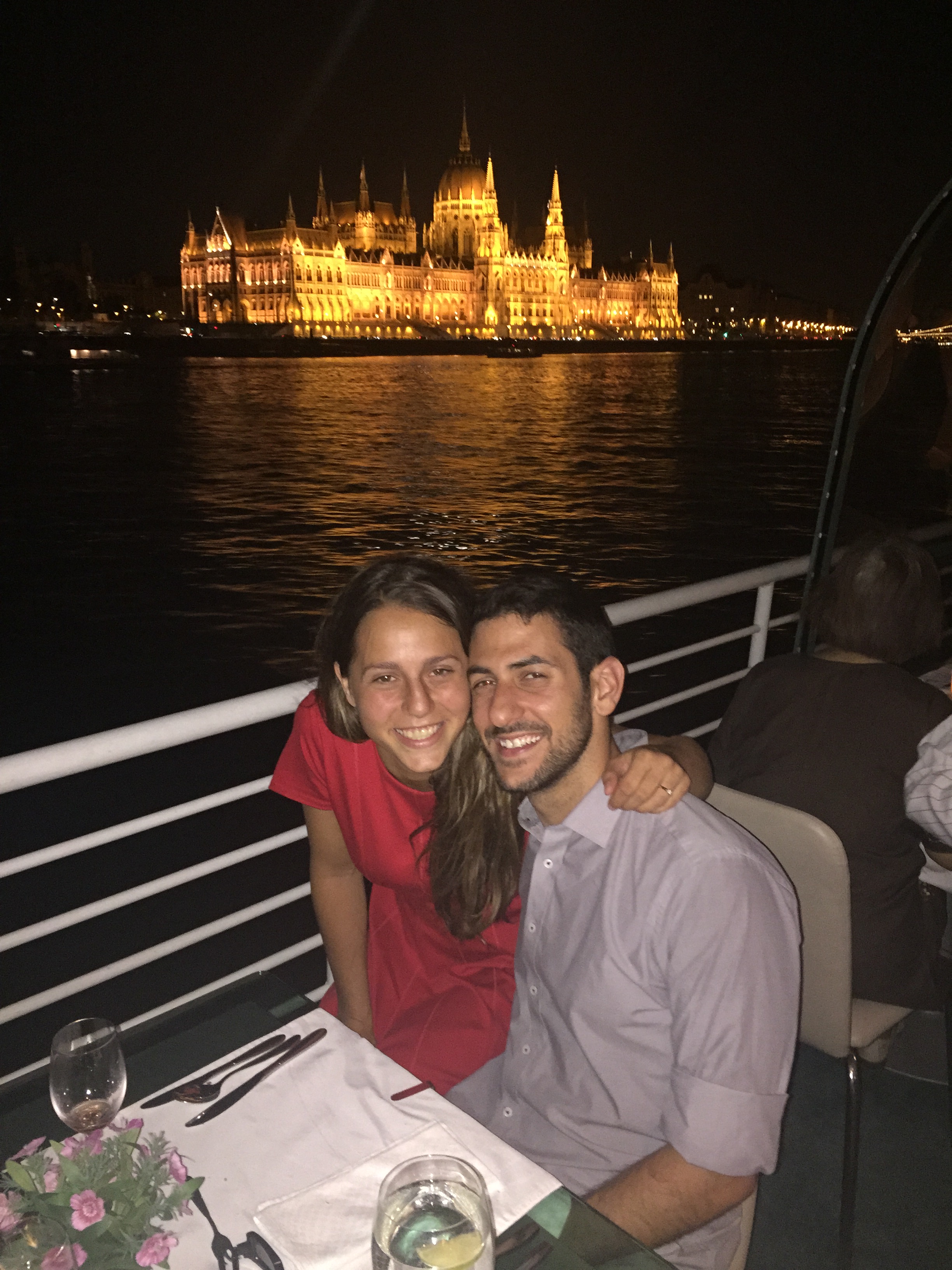
We are enjoying typical tourist experiences like visiting Buda Castle, cycling in the countryside, and taking a boat cruise on the Danube River. But identifying as a Jewish person is part of my vacation at every turn, and sometimes in surprising ways.
There has been, of course, the very Jewish experience of being bageled. If you are Jewish and think that you’ve never been bageled, let me assure you that you have indeed been bageled. It goes like this: Nice research scientist from California on our Budapest bike tour asks, “What do you and your husband do?” I answer, “He’s a lawyer and I’m a rabbi.” “Oh,” he lights up. “My bar mitzvah was back in Englewood where I grew up!” When someone uses a funny non sequitur to let you know that he too is Jewish, that’s called getting bageled.
In a more serious vein, being Jewish on vacation informs choices I make about places to see. A walking tour of the Jewish Quarter, a lecture in the famous Dohany Synagogue, seeing the Wallenberg Memorial Weeping Willow sculpture and a solemn visit to the Shoe Sculpture on the Danube are obvious choices.
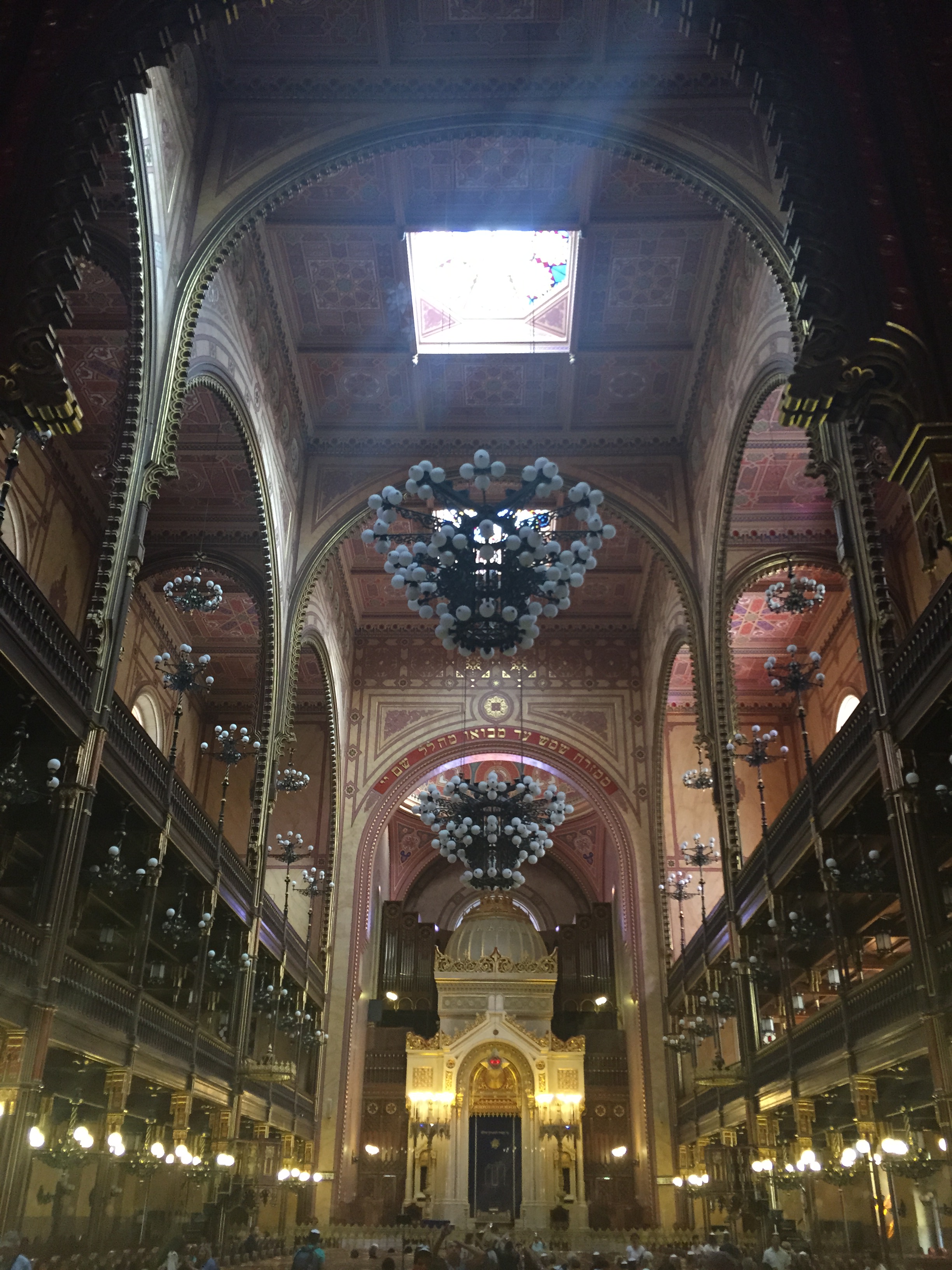
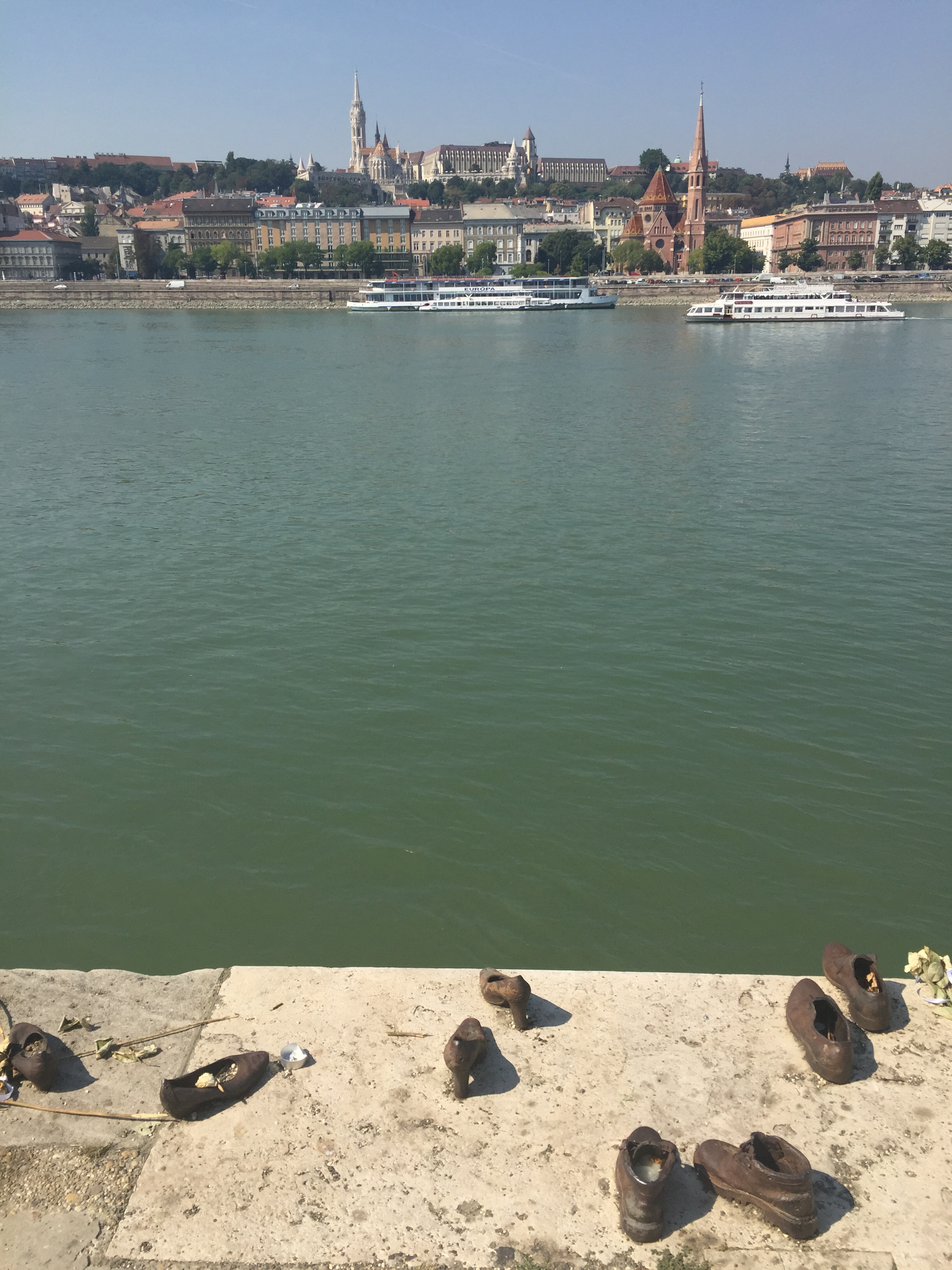

Sometimes, I experience being Jewish on vacation in unexpected ways. In the basement of the Art Nouveau Museum, featuring a collection of furniture, artwork and ornaments from the first half of the 20th Century, I stumbled across a strange wall of round stained glass windows and realized with a start that the symbols are all Jewish: Shabbat candles, the Ten Commandments, the High Priest’s hands.
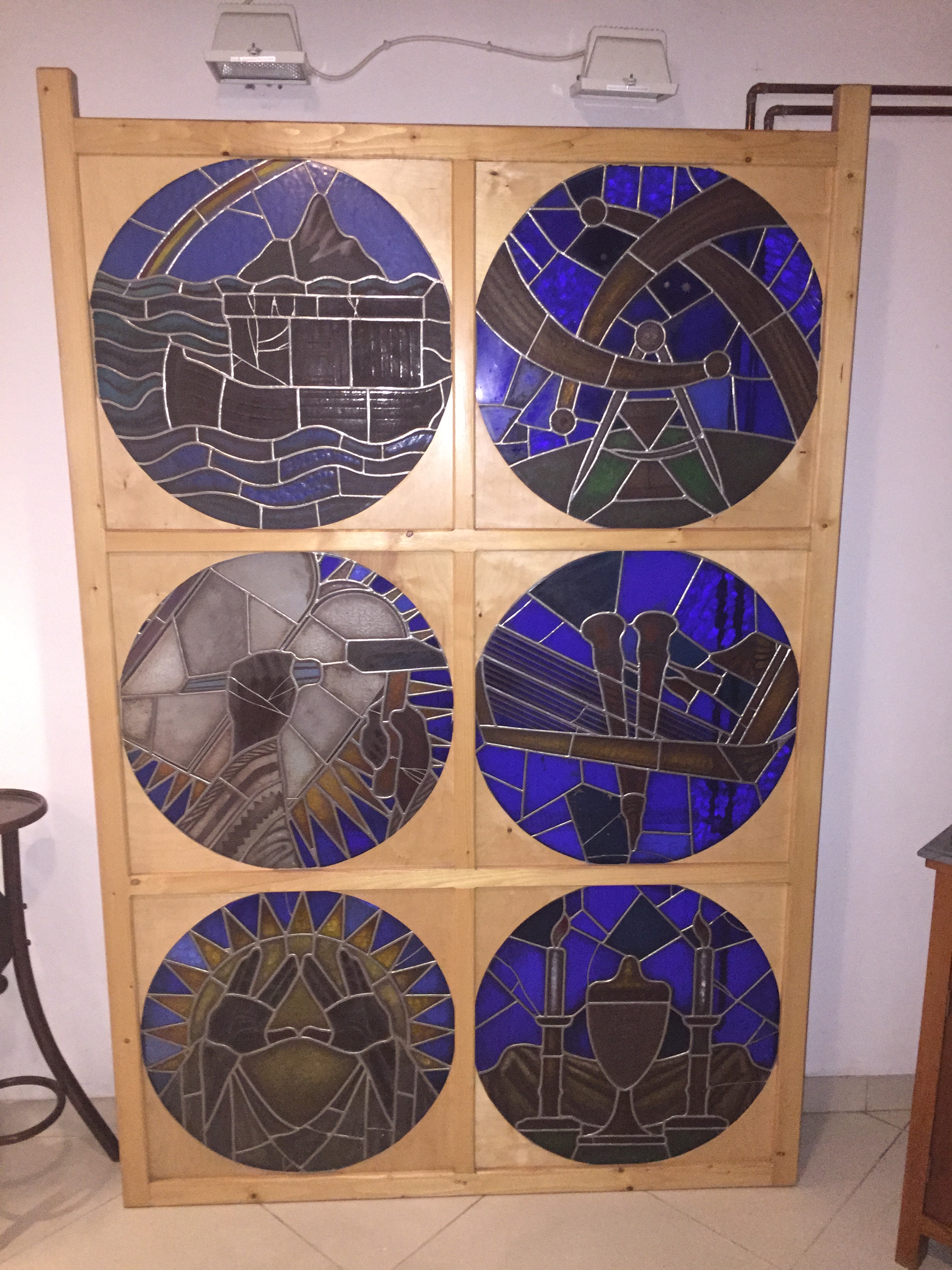
The curator tells me that these were windows found in a Budapest church. “In a synagogue, yes?” I encourage her, knowing that English is very difficult for most Hungarians. “No, a church.” She gestures with her hands to show me that they were high up on a wall, placed side by side. “Yes, in a Jewish church,” I try to explain. Her eyes light up with understanding, “Yes, Israel. Church for Israel.” After our visit, Jon gave voice to what I had been thinking. “How much of all that furniture and artwork was stolen from Jewish homes during WWII?” It was a chilling thought. It was probably a correct thought. And it is a thought that occurs when Jewish is what you are, not just what you do. Such are the thoughts you think when you travel Jewish.
Traveling Jewish means that the tempo of vacation shifts a bit on Friday. Turning down several streets in the Jewish Quarter, we at last find the kosher market where we buy two challot (and Israeli Bamba for Sagi) to take with us to Siofok on Lake Balaton. As we exit, two old men playing chess by the door look up and smile, “Shabbat shalom.” I smile with warmth, “Shabbat shalom to you.” Later we make Shabbat on the terrace of our hotel room. Sarah and I light Shabbat candles together and Jon and I bless her and Sagi. Such are the special moments of traveling Jewish.

After dinner, Sagi showed us a map of the town of Siofok with a Jewish star and the word zsinagoga. We walked into town, past pubs and cafes, down a dark side street to a small, carefully maintained synagogue. In the front of the building, we found a Holocaust memorial in the shape of an angelic harp with train tracks below. A plaque stated that it was donated by Tom Lantos, the Hungarian Holocaust survivor who went on to become a California Senator and a champion of human rights. Walking back to our hotel, we wondered how the Nazis managed a sweep of tiny, out of the way towns all over Europe. On this past Shabbat evening, without intending to do so, we paid tribute to the tragic history of the Jewish people in the 1940s. We were hushed by the power of the place and the power of the moment — such are the powerful moments of traveling Jewish.
I look forward to greeting my OJC community before Rosh HaShana when I return from traveling Jewish!
Rabbi Paula Mack Drill
Comfort Us, God! . . .Please?
In Jewish tradition, the words of prayers, psalms and blessings often make confident statements that leave us wondering how we can be so bold in the face of God’s will.
“Deep is Your love for us, Adonai our God, boundless Your tender compassion.” (Blessing before the Sh’ma) “God will cover you with protective wings so that you find refuge in God’s shelter.” (Psalm 90) “You grant perfect healing because You are the faithful and merciful God of healing.” (Amidah)
At short-lived but profound moments of prayer, I feel strong and sure of my relationship to God. For just that fraction of time, I state my prayer-thoughts with absolute surety. How often does this happen?
Not very often.
Most of the time in prayer, I feel vulnerable and not at all sure of God’s intentions. My teacher, Rabbi Neil Gillman, however, teaches a different way to understand such verses in liturgy. When we pray for something with a bold statement, with an abundance of confidence, we are actually asking with humility, and maybe even with desperation. Rabbi Gillman reframes Psalms and blessings as hopes and wishes, not facts. Now we understand the prayers above differently:
I hope that Your compassion is boundless. Please, God, cover me with protective wings. If You are the faithful and merciful God of healing, won’t You please grant perfect healing?
No where is this reframing more helpful than with regard to the statement we make to families of mourners as they exit the cemetery and when minyan is concluded in their shiva home: “Hamakom y’nachem etchem b’toch shaar avaley tzion v’yarushalayim.” God, (the Place) will comfort you among the mourners of Zion and Jerusalem.
Perhaps, as my friend Rabbi Richard Hammerman writes, we console the mourners by indicating that they are not alone. Throughout all time, there have been tragedies and losses. Their loss is now part of the continuum of the eternal people of Israel who have experienced great loss. Alternatively, perhaps we help the mourners by acknowledging that their loss is as great as any loss has been throughout history. There is no hierarchy when it comes to the grief of losing a loved one.
The difficulty with the traditional statement of consolation does not lie in our ability as a community to provide comfort. We console, we listen, we remain present.
But how can we say with such certainty that God will comfort? What do we know of God’s providing comfort to our grief-stricken friend? How can we make such a bold statement? As one congregant wept to me, “I don’t think even God can comfort my broken heart.”
And still we say these words. We say the formula with confidence but we mean it as a humble prayer. When we recite these words, we are in effect saying: I’d like to snap my fingers and make your pain disappear. But I can’t. I wish my visit could make everything better, but of course it won’t. So I am left with nothing but a prayer: Please God, be the Place where my friends find consolation.
I say “HaMakom y’nachem” with surety to provide a beam of hope into the darkness experienced by mourners. I do not know for certain that God will give comfort, but I believe that it will be so. There is healing that happens only within the soul of the mourner. As much as I try to bring comfort, it is only God, with the assistance of the passage of time, Who can enter the soul and bring that kind of comfort.
At the limit of my ability to help, God’s infinite compassion takes over. I don’t actually know, but I pray that it will be so.
Please God, please bring comfort to these friends who are grieving as You do for all the mourners of Zion and Jerusalem.
In these weeks between Tisha B’Av and Rosh Hashana, a time of consolation in the rhythm of the Jewish year, may we all provide the best comfort that we can to those in our midst who grieve. When we reach our limit, may we pray to God to do the heavy lifting.
And let us state our request as a statement. With confidence and courage, let us say that God will comfort them.
With berakhot, blessings, Rabbi Paula Mack Drill
 Three Rabbis Walk Into A Shul
Recent Comments