The Blessing of Hope
Last night at the OJC, I offered the following words about the great blessing of hope to my community at our annual congregational meeting. I print them here for anyone who was not there or would like to think about the words once again. Whether or not you are an OJC congregant, I hope that my words shed a small light into this dark time in which we find ourselves. B’yedidut, with friendship, Rabbi Paula Mack Drill

Erev tov. I am aware of the profundity of this moment as I offer Torah for the last time at a congregational meeting as your rabbi. I am rejoicing as I stand here with you, knowing you all and caring so deeply about each one of you. And I am sad because soon I’ll be stepping away from the role as your rabbi to begin Act 3. Blessings and curses. Every moment of life includes both: berakha v’toch’ha, plentiful harvest vs. famine, freedom vs. enslavement – in the concrete understanding as well as spiritual. As our Torah portion this week, Parashat Behukotai, says over and over: im v’im. If, but if.
If we have built something beautiful here together for decades, then God will establish God’s abode in our midst, but if we do not observe and live according to our mission and purpose, then God will… Well, I don’t want to be melodramatic. We are not the Israelites in the desert facing God’s furious curses to “break our proud glory.” Still the point remains: Blessings and curses are made of choices that are squarely in our hands.
As we consider Behukotai, we are taught about the power of faith, the blessings that come from walking in God’s ways, and the profound potential each one of us holds to shape our future with positivity and purpose. In our context tonight, it is even more. We are reminded of the power of faith that radiates from a healthy, aspiring, optimistic synagogue. We know that as a congregation, we learn every day to walk in God’s ways – to connect, create relationship, care for our vulnerable, rejoice in our moments of triumph. And most importantly, to embrace our potential, the potential of each one of us, to shape the future of OJC with positivity and purpose.
Parasha Behukotai begins with a simple yet powerful promise: “If you walk in My ways and keep My commandments and perform them, then I will give you rain in its season, the land will yield its produce, and the trees of the field shall yield their fruit.” This is not just a promise of physical sustenance but by extension, a promise of the spiritual and communal abundance that flows from living lives aligned with our highest values and teachings.
In a world that often feels uncertain and tumultuous, these words offer us a beacon of hope. They remind us that by staying true to our principles, by nurturing our relationships, and by supporting one another, we can continue to create a community that thrives against all odds, that will be a beacon to others, that will stand the test of time. The rains will come, the land will produce, and the trees will bear fruit—not just in the agricultural sense, but in the flourishing of our families and our community.
Im v’im. If, but if. If we take a moment to appreciate the blessings we already have, we can be filled with gratitude and pride. If our community will be strong and vibrant, the individuals who are its heartbeat must contribute their talents, kindness, and energy. If we are surrounded by friends who support us, by leaders who guide us, and by opportunities to make a difference in the world, we will be the best OJC we can be. But if, if we become disengaged, if we stay away, if we show cynicism, if we give up hope, our OJC will not be the place we dream it to be.
So tonight, I encourage all of us to look forward with optimism. Just as the Torah promises rewards for our dedication and hard work, we too can anticipate the fruits of our collective efforts. Step up. Do the work quietly. Give generously. And most of all, remember to acknowledge each other with heartfelt gratitude. Every act of kindness, every lesson taught, every moment of shared joy, every welcome to the kiddush table, every voice lifted to sing Eitz Chaim strengthens the fabric of our community. Together, we can overcome challenges, celebrate our successes, and build a future filled with hope and promise.
May we always see the blessings in our lives, may we cultivate gratitude and joy, and may we walk forward with faith, knowing that together, we can create a world that reflects the beauty, kindness, and divine promise of Torah.
May our work here tonight mark a new beginning with a unique path forward. May OJC be blessed with the knowledge that we are a sacred community that serves not only our congregants but also those in the greater community. We serve not only today but the Jewish future. May we know prosperity and may the anthem of our people also be our anthem: HaTikvah.
When Asked How I Am, What Do I Say?
“What am I supposed to say when people ask how I am?” I complained to my Israeli friend, “I have no idea how to answer that question these days. Am I supposed to say I’m fine? Am I supposed to say I am not fine?”
“In Israel,” he said, “we are answering, ‘K’mo kulam’,” like everyone.
How are you? Like everyone.
I tried it on for size for a day. I wondered if it was fair for me to say that my feelings were like everyone’s feelings. Here in America, I am on the mezzanine, not even in the orchestra, and certainly not on the main stage.

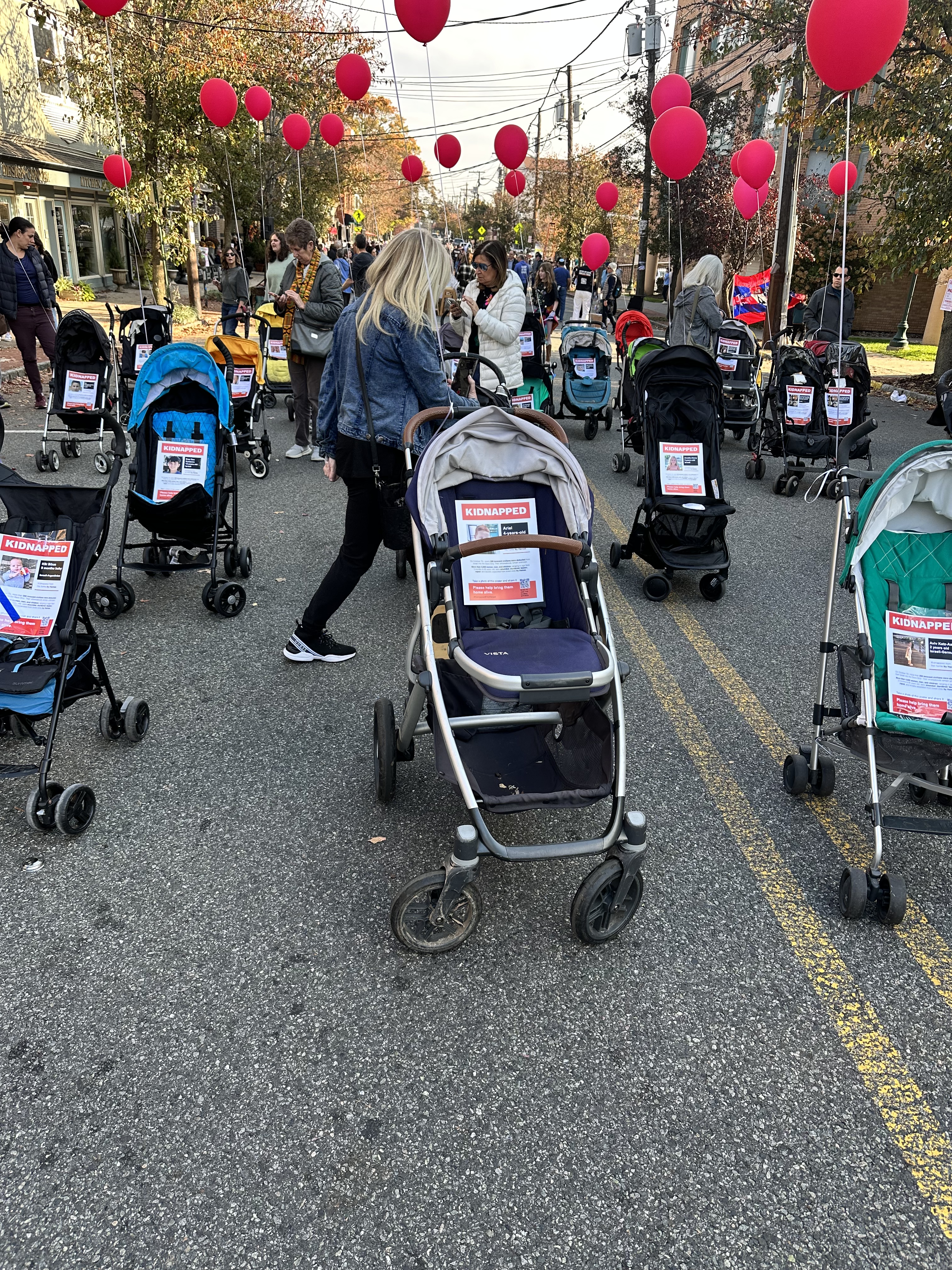
My heart is broken regarding the massacres and kidnappings of October 7. I worry about the IDF soldiers in Gaza. I feel hopeless about the mounting number of casualties and deaths of Palestinians in Gaza. My anxiety is high regarding the unleashing of virulent antisemitism here in America and around the world.
I don’t sleep well at night. I wake up from the middle of horrible dreams.
But my situation is not the same as my cousins’ whose four adult children are all serving on the front lines. I cannot compare myself to my son-in-law‘s mother whose entire community, her entire personal and professional world, was devastated on October 7. I am not my dear friend who had to move to safety from her home and whose son and son-in-law are both serving in the IDF at the same time.
And although I teach that there is no hierarchy of suffering, I know that my suffering is not the same, and can never be weighted as heavily, as those families whose loved ones have been murdered and abducted.
So I faltered for a couple of days when people asked me how I was.
Now, it is true that a rabbi in a community carries the weight of a congregation’s fear and concern. We are looked to for optimism and hope when we might feel quite lacking in those categories ourselves. We are asked questions for which there are no answers.
But still, I did not feel that I deserved to say, “K’mo kulam.”

And then one Friday evening at minyan, I led the community in the traditional words we say to a mourner. L’cha Dodi ended and we turned toward the man in shivah for his mother. We said, “HaMakom yinachem etchem b’toch sha’ar avalei Tzion v’Yerushalayim.” May God comfort you among all of the mourners of Zion and Jerusalem.
We say these words so often, counting on them to offer comfort to those who are bereft. On this particular night, I paused and considered their intention. I did not say these words to tell this particular man that his sorrow was exactly like all other Jews who were mourning. I meant that he is not alone in his grief. As a Jew, he was one of a great number of people at any given time who are held by God in our grief. We are all connected. That very fact offers comfort.
And the next day I went back to answering the question, how are you with the answer “k’mo kulam”.
I am not alone in my grief. And neither are you.
Rabbi Paula Mack Drill

Don’t Do This Alone (Coping with these Dark Days)
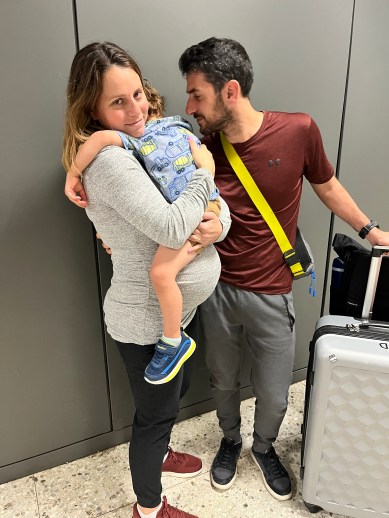
On Friday, October 6, just three things were on my mind.
First, my son Josh and his beloved Shay had just gotten engaged, but they had not yet made it public. I wondered how I could make it through Shabbat and two days of holiday without sharing the good news.

Next, I was feeling quite pleased with my decision to forego shoes and just wear sneakers with my synagogue dresses on Saturday night and Sunday for Simchat Torah dancing.
And third, I was a bit worried about having time to pack after two days of holiday before the car service arrived to drive me to Newark Airport for my flight to Israel. I was making a trip for four days to attend the wedding of my son-in-law‘s brother Omer to his cherished Tal. Jonathan, Sagi and Carmel had already been in Israel for a week and I was looking forward to a fun few days in Tel Aviv and a wonderful Fainshtain celebration.

I didn’t need to have worried about my Sunday night flight to Israel. It was cancelled.
On Saturday, October 7, the world as we knew it ended. We will never be the same.
Jonathan was awakened by sirens on Shabbat morning and travelled out of Tel Aviv to Shay’s family home. That morning, Sagi and Carmel were with Racheli, (Sagi’s mom and Carmel’s savta). Many of you have read Sarah’s account of Sagi’s harrowing escape with his mother, her partner and our grandson Carmel from their home in Mefalsim. In case you didn’t have the chance to read it, here is a link:
https://docs.google.com/document/d/1lng-H_PCVwpDlZrUwvmWFxBjgg2trn-_voJWUMnYGWQ/edit

What do Jewish people do when tragedy strikes but the calendar says it is time to celebrate? We celebrate. With breaking hearts, with tears, and with complete dissonance, we take the Torahs out of the ark and we dance. It’s the hardest thing to do and it’s the only thing to do.
So many congregants of all ages came to OJC for the holidays, drawn in to community like homing pigeons. We knew where to be for comfort and solidarity.
We prayed, we broke bread (and chocolate), and yes, we danced. Our eyes met and we read the grief and bewilderment there. We danced with our children in long “Tayish” lines and circles of “The Tushie Dance” (Od Lo Ahavti Dai). We grinned and laughed with a stubborn refusal to give in to terror. We sang Acheinu softly and walked in slow circles for all those in Israel unable to celebrate Simchat Torah, and the children of our shul saw their rabbis cry. We honored teenagers as Chatanei Torah and a centenarian as Chatan Bereshit and we felt uplifted by them and their proud families.
All of it was necessary. It’s what we Jews have been forced to learn throughout all the centuries of our history. If we stopped celebrating every time we endured suffering, we would never be able to fulfill our calendar year.
At the OJC, we did not celebrate despite our sorrow. We celebrated together with our sorrow.
I was never more proud of our congregation.
Since the holidays have ended, we have truly been prepared for Mar Cheshvan which begins on Saturday night. It will be a bitter month indeed.
After the holidays concluded, the news from Israel continues to be intolerable. As the numbers of injured, kidnapped, and murdered in Israel climb and the inhuman stories emerge, as soldiers are mobilized and in harm’s way, as we speak to precious friends and family in Israel and find that we have no useful words, we find that the reality is more than any one soul can comprehend.
And so, we cannot do it alone. We must find each other in our grief and come together to pray, find comfort, and take action.
Hundreds came to the rally on Tuesday at the courthouse in New City.
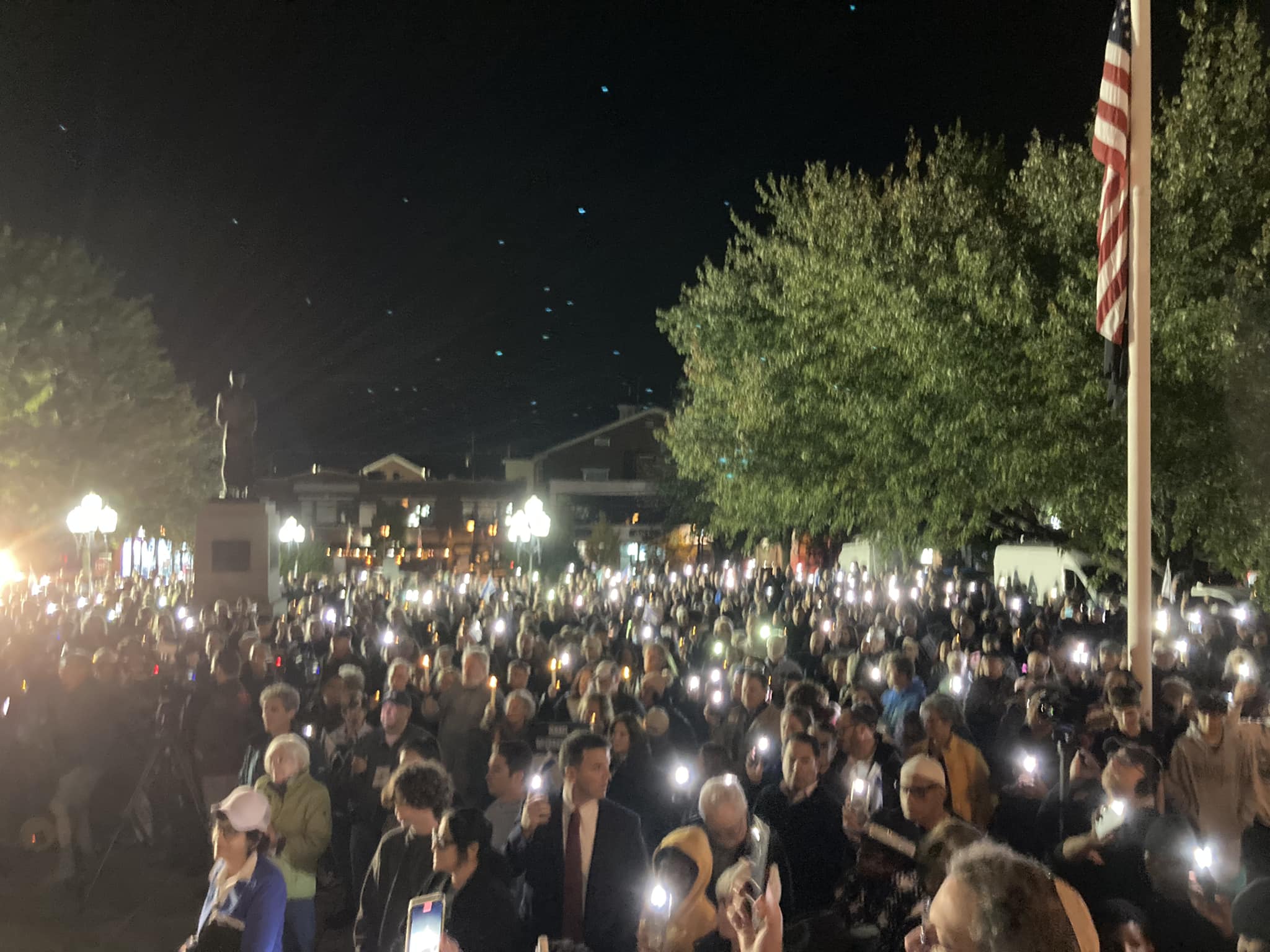
Many of you will be with us on Shabbat to feel the power of community.
I expect that hundreds more will come together on Saturday night at 8 o’clock at Congregation Sons of Israel in Nyack for the Rockland Board of Rabbis Prayer Vigil and Memorial Service.
More opportunities for prayer, healing, and action will be announced soon.
Please don’t try to do this alone. We are a community that knows how to be together in the most joyous times and in the hardest times.
Am Yisrael Chai.
The People of Israel lives!
Rabbi Paula Mack Drill
Wise Aging
My father-in-law, Phil Drill, will turn 96 in August. He works every day at his third-generation construction company, bidding jobs and managing projects. No one is doing him a favor, no one is condescending to give “the old man” a desk and a chair. Project managers and developers consistently seek his opinions and expertise. On weekends, he and my mother-in-law commute to their place in New York City where he goes to a studio to sculpt and where they see movies and plays that most of us have not yet heard of. Twice a week, back in New Jersey, he does Pilates. Every morning before work, he walks his dog Murphy two miles, and many evenings, he cycles around his neighborhood on the bicycle that his kids got him as a present for his 90th birthday. It was his request.

Yes, Phil is 96 years old. He has gotten older but he has not become old.
You could say that he is blessed with relatively good health and excellent longevity genes. True. But Phil’s way of embracing every day is more about his attitude than anything else.
Getting older is a fact of nature. But getting old is a choice we all make.
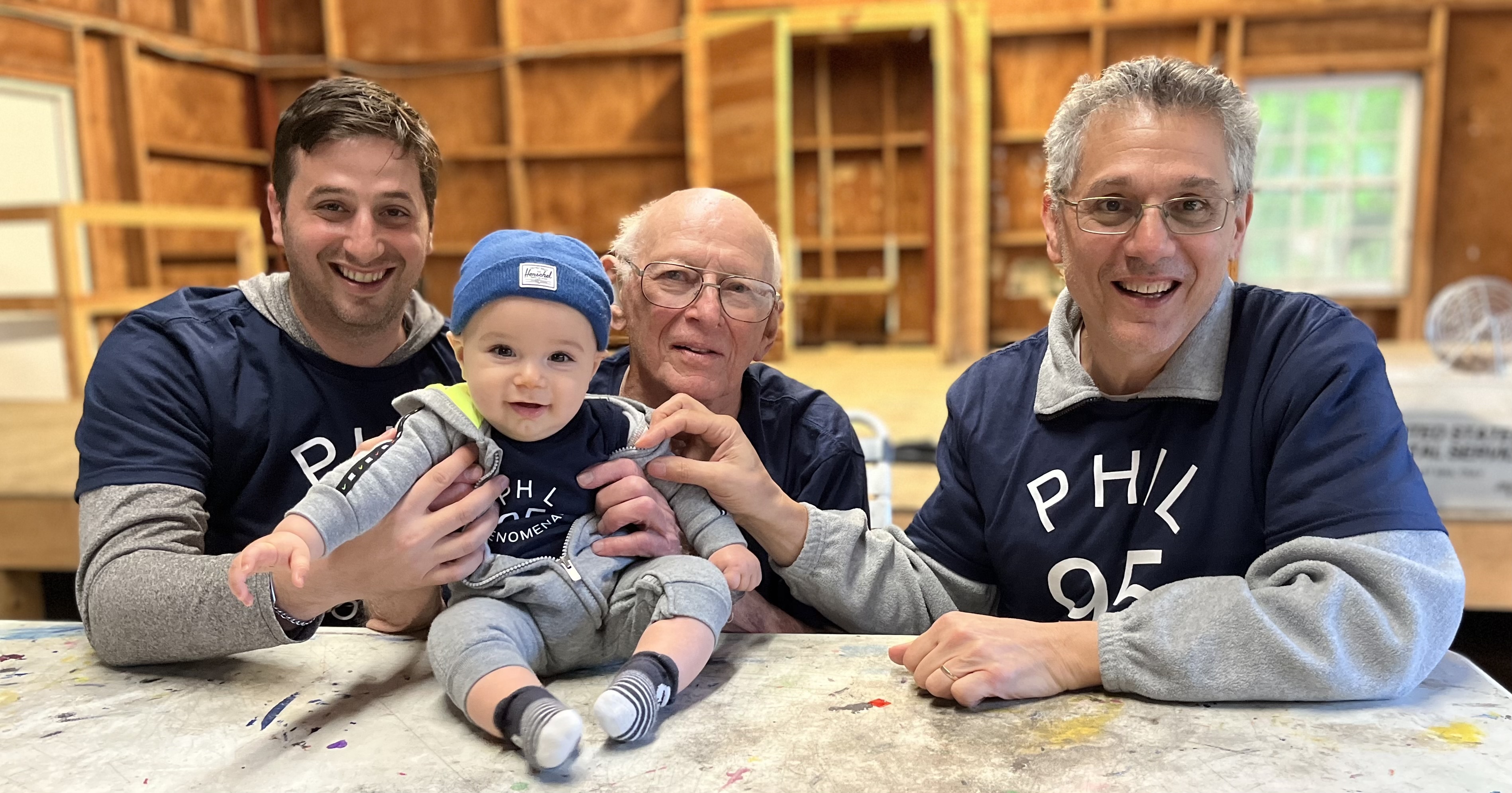

Phil is my inspiration for the class I am teaching at Orangetown Jewish Center this summer, “Wise Aging”. Having learned a great deal from the book by the same name authored by Rabbi Rachel Cowan, z”l and Dr. Linda Thal, I decided to delve into Jewish texts that teach us the secrets of growing older without taking on a declinist view of being old. Yes, we lose things as we age: people we love, full use of our bodies, memory, professional identity, purpose, independence, confidence. You can make this list as easily as I can.
If we adopt the amazing mantra of “the best is yet to be” and accept the inevitable losses as reality, we can take on a different view of aging, a spiritual view. We can see our tasks as shining up our souls and focusing on what is most valuable rather than grasping at what we are losing.
We never know how a class will land when we offer it. This class on wise aging clearly hit the mark. Close to forty participants from younger boomers to elders have been gathering on Monday mornings in a hybrid format. Interestingly, the in-person participants outnumber the virtual students for the first time since before Covid. The class seems to be so highly valued that I will be continuing it monthly in the fall. (Join us this Monday, July 10 at 11:00 am for the final summertime class.)
Poet Stanley Kunitz writes, “Years ago I came to the realization that the most poignant of all lyrical tensions stems from the awareness that we are living and dying at once.” This statement may seem jarring to you, yet I find it to be “very Jewish”. In Judaism, meaning is found in living, not in dying; yet awareness of mortality is essential. Our rabbis teach: “Live every day as if it were your last.” Do something of worth today. Make this day meaningful by a kind word, a phone call, a poem read or written. Jewish thought stubbornly insists that we are here for a purpose, that we are partners with God, that we are meant to be kind to others and to be reverent of life.
In Psalm 92 we read, “Tzadik katamar yifrach… The righteous flourish like the date palm, thrive like a cedar in Lebanon… In old age they remain fruitful, still fresh and bountiful, proclaiming: Adonai is upright, my rock in whom there is no flaw.” Rabbi Abraham Joshua Heschel wrote about this verse, “One who lives with a sense for the Presence knows that to get older does not mean to lose time but to gain time. And, also, that in all of one’s deeds, a person’s chief task is to sanctify time. All it takes to sanctify time is God, a soul, and a moment. And the three are always here.”
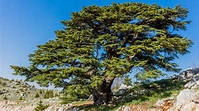
What is the secret to such resilience and graceful aging? How does one make such a choice? Join us to learn together monthly on Monday mornings as we strive to find meaningful answers.
To find out more about the class (in-person and on Zoom), contact me Rabbi.Drill@theojc.org.
Here’s to joy and resilience, Rabbi Paula Mack Drill
Der mensch tracht un Gott lacht
My father and my brother both died at 61 of the heart condition that I also inherited. I am not going to die of that condition.
My mother died at 63 of cancer. I had cancer. I didn’t die.
Yesterday I turned 63 years and 3 months. I have outlived my family of origin.

Almost a year ago, I realized that this date had profound meaning for me. I overcame my worry that it was too morbid an idea and decided instead that it was time to celebrate the enormous blessings of my abundant life: a loving family, loyal friends, meaningful work and good health.
I planned to celebrate Hanukkah Shabbat with a family dinner with our kids and grandboys to mark the auspicious date. I planned the menu with my kids’ favorites and got the groceries. On Wednesday morning, I started my chicken soup.
That’s as far as I got.
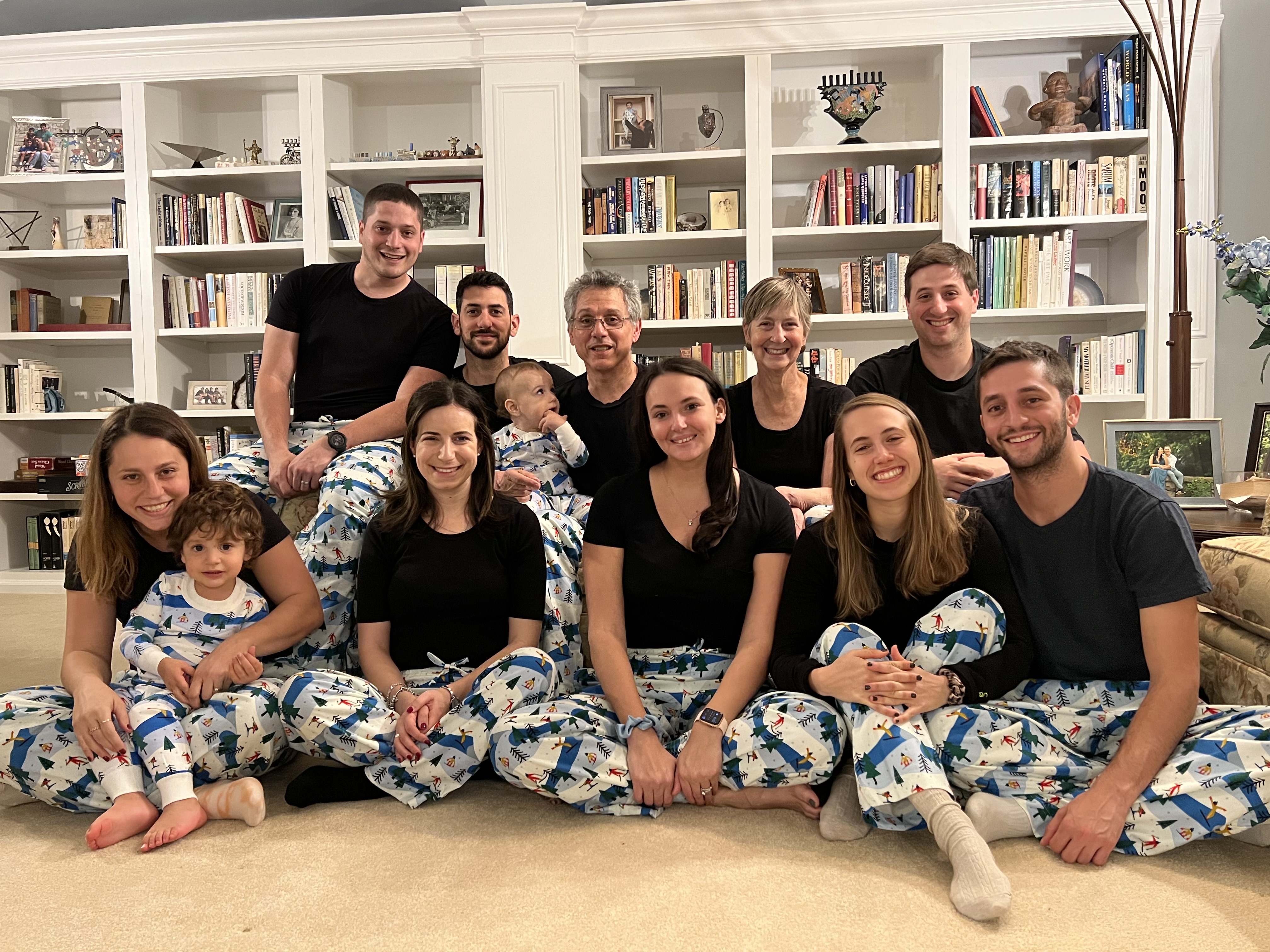
In Yiddish, the saying goes: Der mensch tracht un Gott lacht. Humans plan and God laughs.
That’s how it felt last night as I lay in flu-induced fever and exhaustion, listening to the chatter and laughter of Shabbat dinner downstairs. How ironic that I was celebrating good health and long life by spending every moment since Wednesday morning horizontal in my bed, except for a visit to the doctor and a stop for a Covid PCR (negative).
My daughter, Sarah, told me on Friday morning to stop worrying about it, that the kids would all make dinner. After my third text about how to set the table and which recipe of chicken to use, she sent me a gif of Frozen’s Elsa singing “Let it Go.” I let it go.
Sarah brought me up homemade vegetable soup just after candlelighting time that eased the tightness in my chest and soothed my soul better than any medicine. I hadn’t been able to light Chanukah candles or Shabbat candles with everyone. But I felt loved.
Still I spent the evening feeling quite sorry for myself. The good thing about the flu, however, is that I will heal speedily. As of this afternoon, I felt well enough to sit up in a chair and read. And tonight we lit Hanukkah candles for the seventh night together.
So the important date came and went. Maybe that is just as well. The bottom line holds true. I am grateful for this beautiful and precious life and I plan to enjoy it for another forty years at least.
Shavua tov and Chanukah sameach!

Rabbi Paula Mack Drill
A Blizzard in Summer: After SCOTUS Overturned Roe v. Wade

Consider that feeling of waking up on a frosty January morning to find that three feet of snow has fallen. The Weather Channel predicted a blizzard all week, yet when we see the landscape completely transformed, we feel shocked. And then, of course, we have to get out the shovels and start digging out.
We knew that Roe v. Wade was going to be overturned. Justice Alito’s majority opinion had been leaked. Every news article and radio talk show began with: “In the likely event of the end of Roe v. Wade protections…” And still we were shocked when the SCOTUS opinion was issued. Two weeks later, it is time to start working.

Together with Rabbi Scheff, Rabbi Hersh, and more than 1500 Jewish clergy from across the streams and across the States, I signed the NCJW-sponsored Rabbis for Repro pledge. #RabbisForRepro. This statement says that I pledge to use my voice as a rabbi to teach, write, and speak out about reproductive rights and Judaism in the United States and in the Jewish community.
Yesterday in synagogue, I started fulfilling my pledge by educating our Shabbat minyan about Jewish law and reproductive freedom. Today I continue by writing this blog with three basic points about abortion in Jewish tradition and a list of resources for you to begin taking action. I’ll continue taking action together with Rabbi Scheff as we plan a year of education around issues of Judaism and pro-reproductive health and abortion access.
Many people begin thinking about abortion access at a very personal level. Would I? Could I? While those are natural and perhaps interesting questions, those are not the right questions to address the recent shut down of our personal freedom regarding autonomy and choice. The questions are more universal. When does life begin? Who should have control over people who need abortion access – the patients and their intimate partners and doctors or police and courts? The overturning of Roe v. Wade affects not just a person considering whether to continue or end a pregnancy, but patients requiring every kind of reproductive medical care from managing miscarriages, fetuses with stopped heartbeats, ectopic pregnancies, rape and incest victims, dangerous results of self-managed abortion attempts, and people seeking fertility treatments. In what ways will the overturning of Roe v. Wade threaten an entire category of personal freedoms? We all heard Justice Clarence Thomas loud and clear. Next in his sights are frozen embryos, contraception, intimate partners, and same sex marriage.
It is essential to state unequivocally that our tradition and Jewish law protect the right of a woman’s control of her own body in opposition to those who use religion as an excuse to restrict this right. What follows are three sweeping educational points. Keep in mind that we will be teaching the details of throughout the year. If you would like to study on your own, I recommend NCJW Abortion Access Resources or Rabbinical Assembly Resources on Reproductive Freedom.
Point 1. ABORTION IS PERMITTED AND SOMETIMES REQUIRED BY JEWISH LAW.
Rabbinic opinion from Talmud to modern day responsa depends upon Torah verses in Parashat Mishpatim https://www.sefaria.org/Exodus.21.22?lang=bi&aliyot=0 that require capital punishment for causing the death of a pregnant person, but only monetary damages for causing a miscarriage. From the ultimate understanding that a fetus does not have the status of personhood, halakha consistently teaches that the life of the pregnant person takes precedence over the existence of the potential life within. Abortion is considered self-defense when the pregnant person’s life is at stake, a situation that many modern responsa interpret broadly.
Point 2. ABORTION ACCESS IS AN ISSUE OF PIKUACH NEFESH (Saving Life).
Forcing people to give birth regardless of the situation is not only unjust, it endangers lives. Doctors, fearful about legal ramifications, deny medical treatment. Emergency rooms turn away women in the midst of miscarriages. In the most extreme of cases, we read about a ten-year-old victim of sexual abuse who had to be taken 12-15 hours out of state for abortion care. Sadly, the United States has the highest rate of maternal mortality among industrialized countries, with Black Americans and Native Americans three times more likely to die of pregnancy-related causes than white Americans. Denial of abortion access will continue the shameful patterns of systemic racism in American health care.
Point 3. ABORTION IS A JEWISH ISSUE.
As I said in synagogue yesterday, some congregants would rather hear from your rabbis about loving kindness and Torah law on a Shabbat or in a blog post. We teach about those topics very often. Sometimes, however, we must raise up our voices with “moral authority”. We study Torah and find within our particular texts certain universal values. So, yes, abortion is a Jewish issue.
One in four people who can become pregnant will have an abortion by age 45. This includes Jews, and therefore members of our Jewish community. Abortion is highly stigmatized in our culture, and this impacts Jewish spaces where the stigma is perpetuated by talk about Jewish “continuity.” Signs now hang in your rabbis’ offices ensuring that those who need abortion access will feel supported as they attend to their reproductive health care. Together over the next year we will learn how to avoid harmful and stigmatizing language. We will make space for the range of experiences that people have with regard to abortion: conflicted, clear-minded, grieving, relieved, grateful, or liberated.
WHAT CAN WE DO NOW?

- Contribute or plan to raise money for the Jewish Fund for Abortion Access. 100% of the money raised goes directly to support those who need care through a hotline, travel funds, or money to pay for an abortion.
- Learn as much as we can about the implications of the decision overturning Roe v. Wade. Sign up to attend the NCJW Community briefing on Thursday, July 14 at 1:30. We will learn what the decision means, about the state of abortion access now, and what our synagogue community can do to adapt to this new reality. Register here for #JewsForAbortionAccess briefing.
- Contact Rabbi.Drill@theojc.org and Rabbi.Scheff@theojc.org if you are ready to roll up your sleeves and establish a committee at OJC to lead our efforts in education, action, and advocacy.
We have looked at the snow on the driveway for long enough. It is time to get out our shovels and begin digging out.
Rabbi Paula Mack Drill
Strategic Thinking to Stay Ahead of the Curve
If you have been an OJCer for more than a few months, then you have probably heard our origin story. It is a heroic tale that begins with a struggling synagogue made up of arguing congregants, a stream of short-term rabbis, and money woes that all turned around (trumpets sound!) with the arrival of Rabbi Craig Scheff in the late nineties. Congregants started learning, celebrating, and anchoring the synagogue in Torah and relationship. Drawn to this positive energy, people flocked to the shul. OJC began a path toward stability and growth that was supported with my arrival as a rabbinic intern and then rabbi in 2002. Rabbi Hersh’s bringing his family to “the house in our parking lot” added a vital and younger complement when it was needed. Sharon Rappaport (20-year Youth Director), Amichai Margolis (Music Director), and Rabbi Joseph Robinson (Kulanu Director) together with our office and custodial staff complete the tale of the successful, joyful synagogue we know today.
You might think our narrative is a sweet and simple story of a community’s rise from a low point to high. Perhaps. I think there is more to the story than “rags to riches.”

Underpinning our story is the fact that since the beginning of our stability and growth, OJC has never rested in the comfort of our success. We have always worked to stay steps ahead of the curve. We did not depend on wishes and dreams. As a community, we thought strategically and critically about what was coming next.
This moment in time is no different. Despite the uncertainty and worry in our world today, we are embarking on a strategic plan once again.
Who could have predicted the turbulence of these past two years of the Covid pandemic? Who knew how difficult previously straightforward conversations about Israel, religion, and politics would become? Who could have envisioned a reality with security guards at our doors and in our parking lot at every gathering?
As a community, through these past two years, we never stopped providing our community with meaningful connection anchored in Torah, prayer, and loving kindness. How do we do it?
OJC leadership, volunteers, staff, and clergy are consistently poised to grow and change. Our ability to pivot is anchored in decades of staying ahead of the curve by thinking strategically.

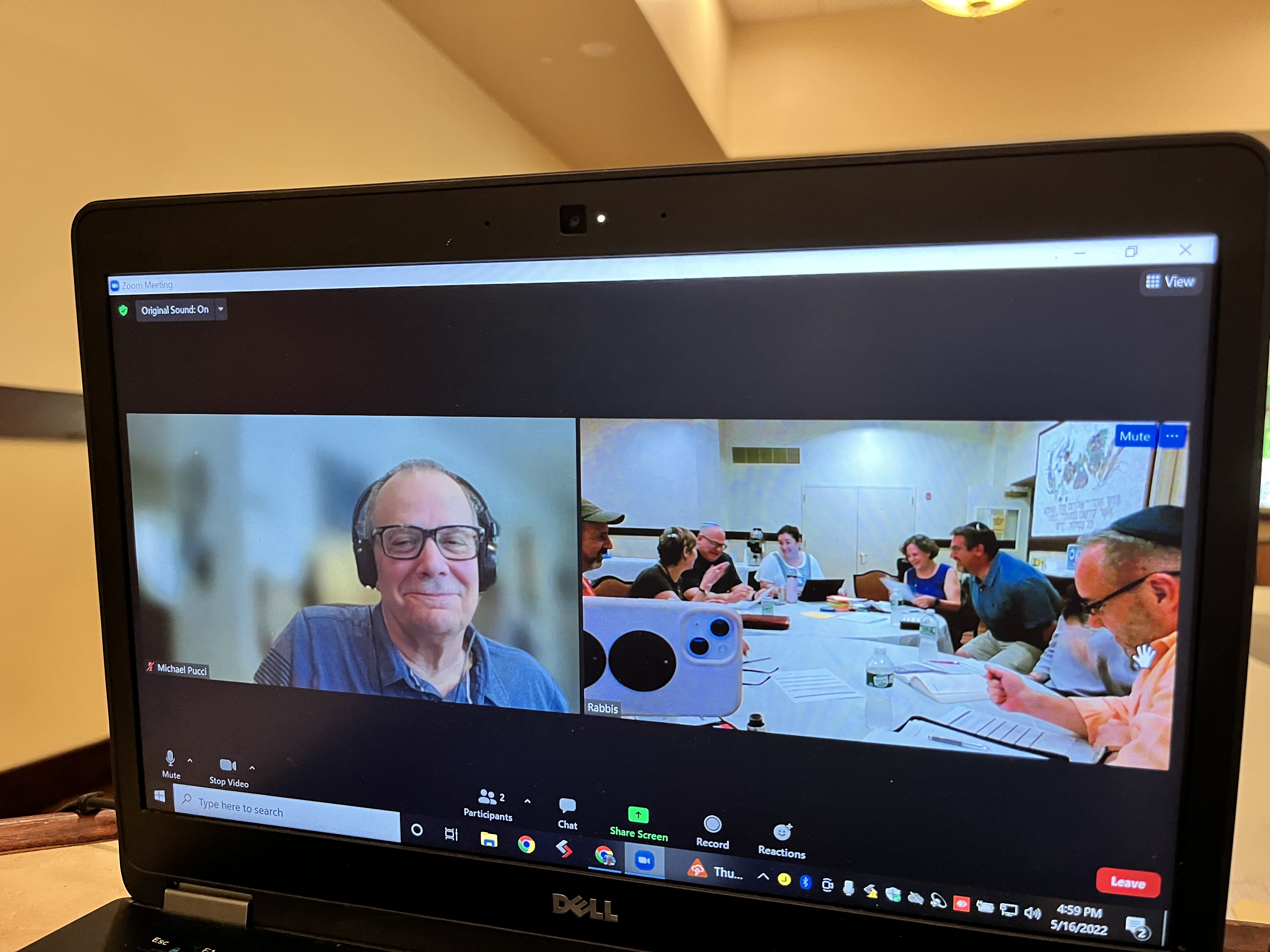
We are envisioning a strategic plan for the next five and ten years. Our committee began work this past week under the able guidance and inspiration of our chairs, Steve Abrams and Benay Josselson.
OJC is consistently progressive and proactive. We are wondering about how to create a solid sense of belonging. We are thinking about new definitions of community beyond a physical presence in our building. We are taking lessons from the pandemic and looking ahead to the world that we are all moving toward. We are planning ahead for the needs of a younger generation. And most of all, we are here for what you are looking for. So please be in touch and tell us: what are you looking for?
Rabbi Paula Drill

So how was your sabbatical?
I have been back at the OJC for two weeks and cannot count the number of times I have been lovingly asked, “So how was your sabbatical?!” I found myself answering the question with some version of: it was meaningful and valuable and I will tell you all about it soon.
Putting off the description for the future started feeling more and more troublesome until this past Friday. I experienced one of those sacred rabbinical days that make me feel grateful for my profession and also put into perspective the gift of the past three months.
I will start with a narrative of Friday and work backwards to the delayed description of my sabbatical. Early in the morning on Friday, Rabbi Scheff and I met our colleague Rabbi Mark Cooper and a wonderful young man with his family at the Temple Israel Center mikvah in White Plains. Jason* studied for two years in preparation for conversion and then found the conclusion of his journey delayed by Covid. He spoke with intelligence and thoughtfulness about becoming the Jew whom he has always felt himself to be. The privilege of sitting on his Beit Din (rabbinic tribunal) and granting a Hebrew name to a person of deep integrity lifted my soul.
Back in Rockland County, I visited the hospital room of Janice*, a congregant who had survived a life-threatening illness. When I walked into her hospital room, she wept tears that had been stored up for the past three weeks. She was surprised to find herself weeping, but I understood. I represented her community, her Jewish faith, and perhaps even God. We sat together, speaking quietly. Her heartfelt response to being granted a second chance opened my soul.
I drove to the home of Susan*, a congregant who has been isolated for the past two years due to Covid precautions. As we sat and talked about matters serious and not, I felt the importance of connection face-to-face. Her friendship and her optimism despite difficulty filled my soul.
Just before Shabbat, I welcomed into my office Harry*, a man who has been investigating Judaism. He described the study, prayer and experiences he has been seeking. Perhaps wanting to show how much he had learned so far, he offered to chant Shema for me. When I heard his beautiful voice, I closed my eyes and felt tears well. My soul was connected through his words of prayer to God.

As I led the Ma’ariv prayers for our in-person and virtual minyan, I reflected on the very full soul with which I was entering Shabbat. Throughout the day, my soul had been lifted, opened, filled and connected. Such intense interactions with people is a privilege and a gift. I am granted a window into their souls. Their thoughts, hopes and prayers pour in to me; and at the same time, my energy must pour out to them.
As I began to pray the Amida, I suddenly understood how to answer the question, “So how was your sabbatical?” My sabbatical lifted, opened, filled and connected my soul for three months without requiring me to give back anything. I was filled to the top so that I have plenty to give back now.
I studied virtually and privately. I traveled, hiked and practiced yoga. I did a great deal of writing, reading, and spending time with family, most preciously my grandboys. I was filled up.


Those of us who work have demanding jobs. Many of us who are retired have time-consuming volunteer positions and caregiving responsibilities to family members. Sabbatical is a great idea for all of us.
For clergy, three months without waiting for phone calls with someone else’s emergency is a respite that is more valuable than can be described. It is a complete rest of the soul.
I do not want the precious gift of sabbatical to be lost amidst the rush and intensity of work. I have dedicated myself to taking full advantage of the weekly opportunity for sabbatical that we Jewish people call Shabbat.
I encourage you to take the time to enter into Shabbat in the way that feels most reasonable for you. However you do it, practice self-compassion and care. Feel yourself lifted, opened, filled and connected. If you are not sure how to do this, ask Rabbi Scheff or me. We have lots of entry ways into Shabbat to suggest. I guarantee you will have more to give to others if you begin by taking care of your soul.
With a full soul, Rabbi Paula Mack Drill
*All names and circumstances have been changed for this blog post.
Ukraine is Personal
Twenty years ago, in April 2002, Sarah and I flew with twenty others on a MetroWest New Jersey Federation Mission to Cherkassy, Ukraine. Sarah had raised $20,000 through her bat mitzvah project to support the nursery school of the burgeoning Jewish community there that called itself Hesed. We traveled with duffel bags filled with medicine, sports equipment and school supplies. I remember that Sarah had a violin as carry-on and I carried an envelope filled with American dollars and a box of donated Women’s League benefactors pins to give away.
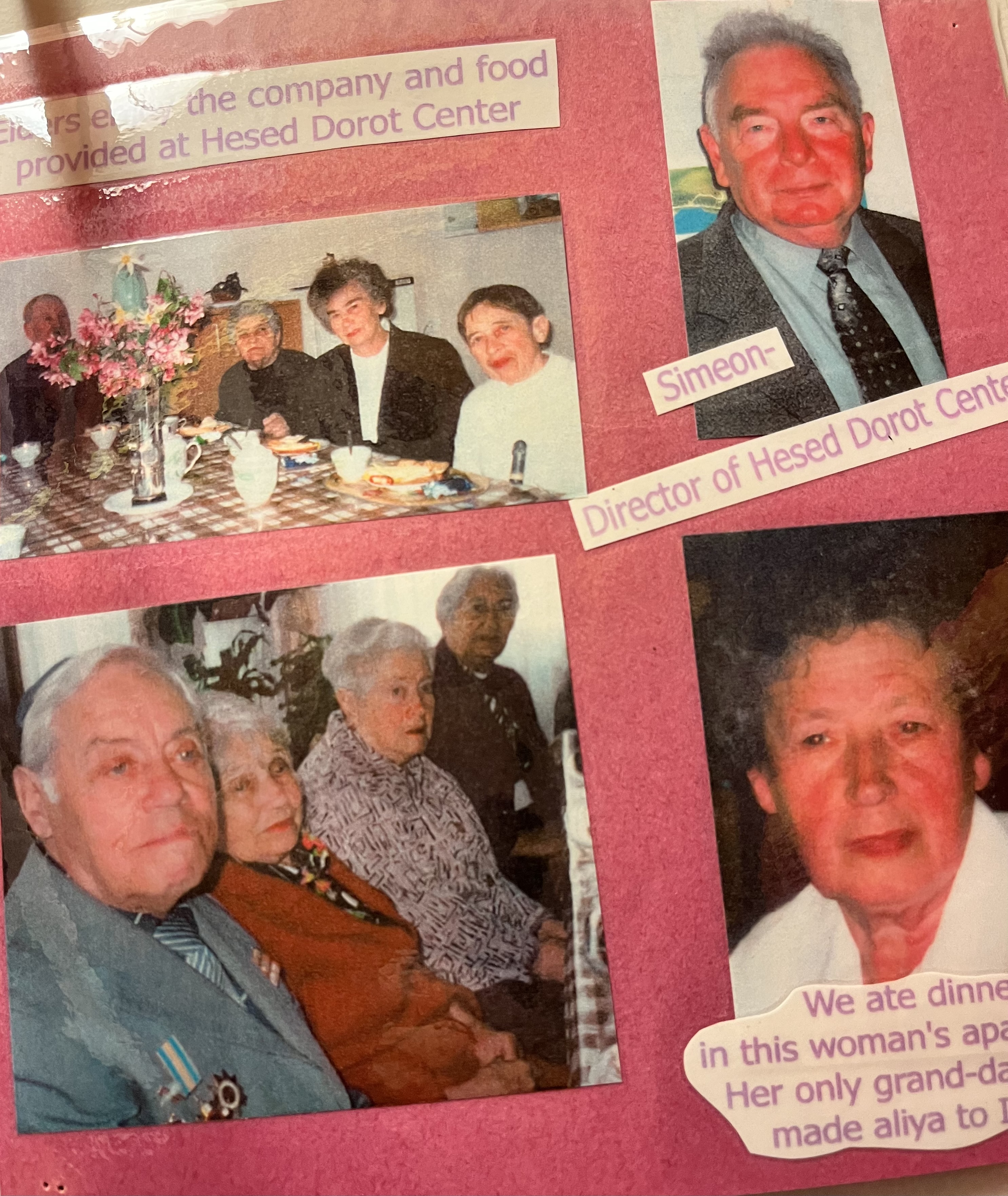
We spent a transformative week in Ukraine, visiting small towns like Smela and Zvenigorodka and the larger cities of Cherkassy and Kyiv where we paid homage to the past by participating in a solemn service at the Babi Yar Memorial, cleaning a Jewish cemetery, and saying Kaddish in a forest where in 1941, three thousand Jews had been murdered and buried in a mass grave. We assisted the present-day communities with home visits to isolated indigent elders, meetings with community leaders, and participation in their Sunday School and Jewish culture club.
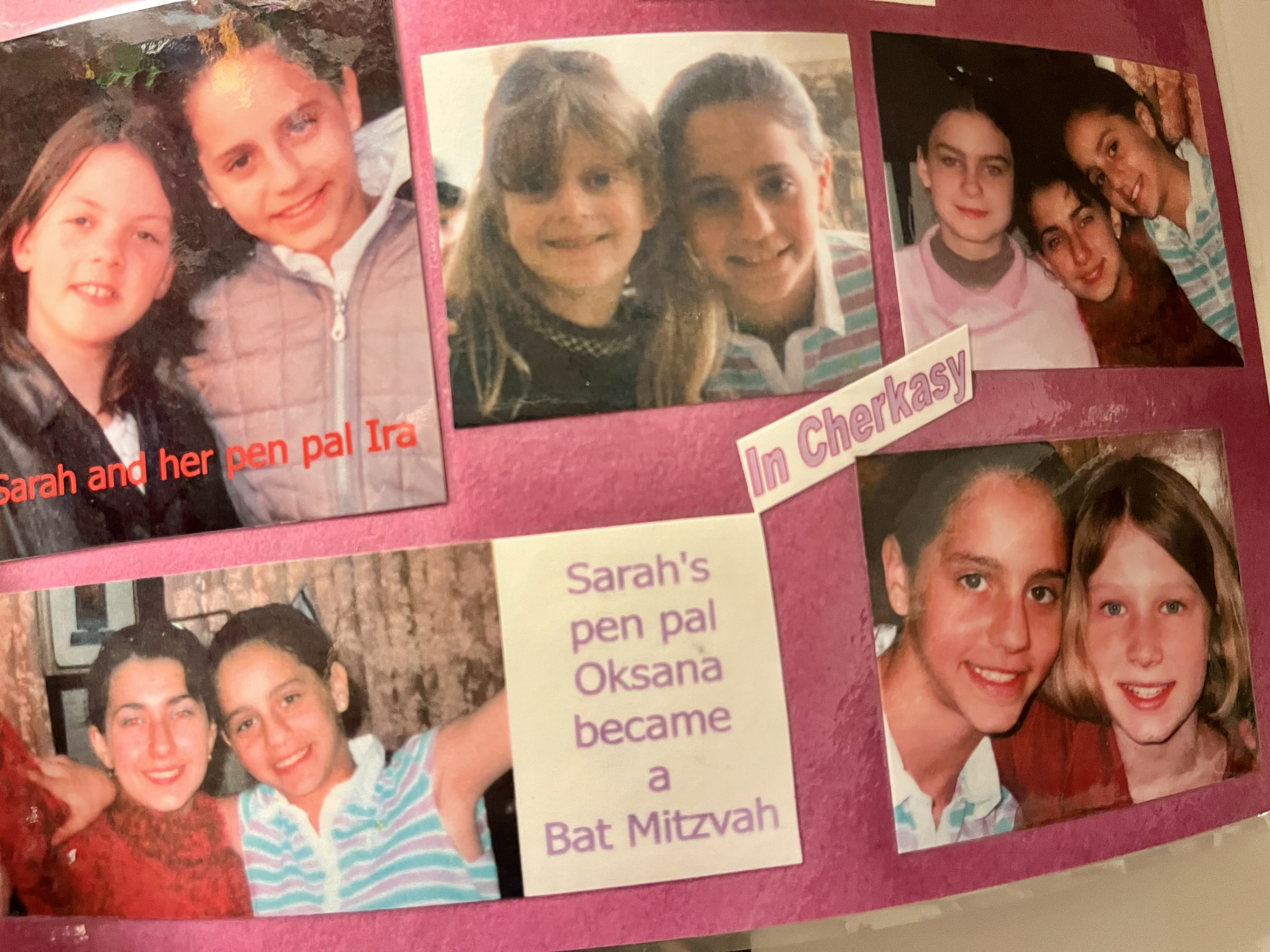
And we dreamed of the future of Cherkassy – young people learning Hebrew as they prepared for aliya and others dedicated to building Jewish community there in their homeland. For me, the highlight was officiating at a group b’nai mitzvah of nineteen teenagers between the ages of 13 and 17. Many of them had no Jewish names and I spent Friday afternoon helping them choose Hebrew names. I felt like Adam in the Garden.

When we were there twenty years ago, the community was only about eight years old. Prior to that, such a Jewish community organization would have been illegal. Many of the children we met on that trip have since made aliya. But many of the people did not leave. They have been building a solid Jewish community of loving care for all this time.
What I remember most about Ukraine is that it is not a beautiful place. My memories are painted in shades of gray. The streets looked frozen from the 1950s, Soviet bloc style buildings created a depressing view. But the people of the Jewish community we met were incredibly beautiful.
For more than a week, like all of you, I have been praying for the people of Ukraine. On Friday morning after the incursion began, I sat with four-month-old Teddy Louis in my arms. I wondered how many four-month-olds were in their grandmothers’ arms in Ukraine on that same day. My biggest concern that morning after his 7:00 feeding was whether he would take a nap in his bassinet or whether he would sleep in my arms. Meanwhile, the Ukrainian grandmothers’ lives had been turned inside out. Their concerns were matters of life and death.

And now we sit helplessly as spectators to the international stage, listening to the platitudes of governments around the world and finding it impossible to tear our eyes away from the pictures on the front page of the newspaper.
Yesterday in synagogue, Rabbi Scheff taught that we must remember our particular Jewish concerns as well as the universal concerns of this war. Because the Jewish people have been refugees since we left Egypt, we must act according to this legacy. We cannot forget what it means to be forced out of homes and endangered by violent actions beyond our control. And so I made one donation to assist the Hesed community in Cherkassy and another to HIAS to help an entire nation that is suffering. I cannot turn away from the suffering but neither can I let it bury me. I continue to use my most powerful tool, my belief in a God of Peace and Justice. I pray to God to bring our world into balance and alignment before more lives are destroyed:
God of our wandering ancestors, protect the innocent people of Ukraine who have left behind their homes, their desire to build democracy, and their hopes for the future in order to save their lives. Give solace and continued courage to their leader and his family. Find the people in bombed buildings, in subway stations and in synagogue basements and bring hope to their souls. Bring a halt to the horrifying plans of a power-driven autocrat. Awaken the leadership of the world to our common bond of humanity and empower them to take action to stop this unjust war. Act speedily, God, because time is fast when designs are evil.
Praying for peace, Rabbi Paula Mack Drill
Whatever the Weather
The rain falls in sheets in Tel Aviv in January. The skies can be blue for hours so that the suddenness of the rain is as surprising as its force. Other times, the entire atmosphere, from the sky above to the ground under my feet seems to be rain-filled so that I am walking inside of clouds.
The sunshine in January here is equally curious. I leave the apartment, expecting to feel the warmth of the sun, and all I feel is bone-deep cold. The temperatures are certainly not at the freezing level of back home in New Jersey, and yet I feel the wind as a raw, biting thing. I am walking inside of a melting iceberg.
As my grandmother, and probably your grandmother, used to say: “There is no bad weather, only the wrong clothing”. And so I pile on layers, put on a hat, and even wear gloves when it appears that no one in Tel Aviv even owns them. I wear wool socks and carry an umbrella everywhere.
For his part, Carmel seems oblivious to the weather that concerns his Bubbe. He kicks off the blanket I tuck in all around his legs, toddles around the playground in just his tread-bottomed socks, and sits behind the rain protector over his stroller like a king.
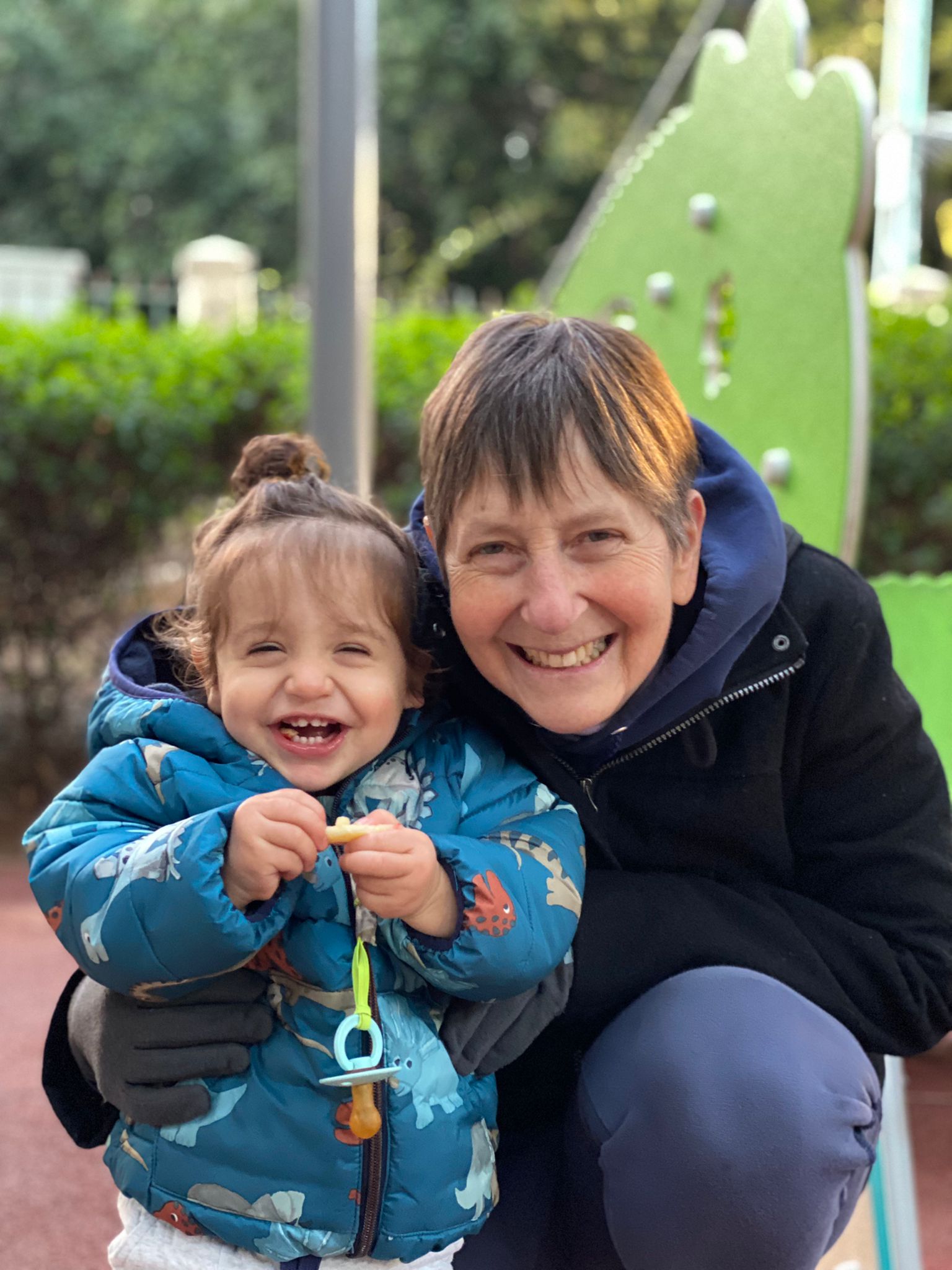
The weather, like life itself, is all about one’s perspective. When I called my cousin to see if she expected me at the Hertzliya Train Station at 12 or 12:30 to meet for our lunch, she told me she thought I was calling to cancel because it was raining. I laughed.
I am so deeply grateful to have been able to fly to Israel during my sabbatical, nothing will keep me inside. Except when I want to stay inside!
Both the pandemic and this sabbatical have taught me not to feel pressure to achieve some maximum amount in a given timeframe. I am relishing the freedom of focusing on one thing at a time. I pray quietly and with intense intentions. I practice yoga on my own, on a mat rolled out in Sarah and Sagi‘s living room, taking whatever shapes come into my mind. I take classes virtually, write in my journal, and take long walks through my beloved Tel Aviv. And I pick up Carmel from gan (childcare) every day at 4:00 and have wonderful adventures with him until we return home for dinner, bath, and bed.
I have always thought of time as a container to fill to the top with meaningful activity and accomplishment. Filling that container each day has kept me motivated, passionate, and fulfilled. It has also, however, kept me stressed, on edge, running from one thing to the next. My next appointment would begin before my last even finished. I never felt my To Do list was done.
I am finally learning that time is something that simply unfolds, much like the weather, and my task is to move along with it. I cannot control it. Why not just live inside of it?
So most days, I button up and go out into the world of Tel Aviv, to walk along Dizengoff Street or to stop at one of the outdoor cafés for a latte. Neither the weather nor the time of day matters. But on other days, like today, I just stay indoors, start the cooking for Shabbat, and write a blog post to let you all know that I am thinking of you.
In this week’s Torah portion, Yitro watches his son-in-law Moshe exhaust himself by counseling and judging the Israelites from morning to night all alone. He offers Moshe a reframe: “What you are doing is not good. You need to delegate responsibilities. You need to take a break.”
Rabbi Scheff and I were blessed many years ago with a loving relationship with Bernie Schiffmiller z”l, a congregant and Yitro of our own, who used to say to us, “You’ll be no good to anyone if you don’t take care of yourselves.”
And today, we have all of you, our OJC family, who grant your rabbis sabbaticals with the same loving generosity.
As for me, I am learning about the weather and about time. And this week, I am getting ready to receive Torah once again.
May your days all be sunny or rainy and may you relish whichever they are!
Rabbi Paula Mack Drill
 Three Rabbis Walk Into A Shul
Recent Comments