The Blessing of Hope
Last night at the OJC, I offered the following words about the great blessing of hope to my community at our annual congregational meeting. I print them here for anyone who was not there or would like to think about the words once again. Whether or not you are an OJC congregant, I hope that my words shed a small light into this dark time in which we find ourselves. B’yedidut, with friendship, Rabbi Paula Mack Drill

Erev tov. I am aware of the profundity of this moment as I offer Torah for the last time at a congregational meeting as your rabbi. I am rejoicing as I stand here with you, knowing you all and caring so deeply about each one of you. And I am sad because soon I’ll be stepping away from the role as your rabbi to begin Act 3. Blessings and curses. Every moment of life includes both: berakha v’toch’ha, plentiful harvest vs. famine, freedom vs. enslavement – in the concrete understanding as well as spiritual. As our Torah portion this week, Parashat Behukotai, says over and over: im v’im. If, but if.
If we have built something beautiful here together for decades, then God will establish God’s abode in our midst, but if we do not observe and live according to our mission and purpose, then God will… Well, I don’t want to be melodramatic. We are not the Israelites in the desert facing God’s furious curses to “break our proud glory.” Still the point remains: Blessings and curses are made of choices that are squarely in our hands.
As we consider Behukotai, we are taught about the power of faith, the blessings that come from walking in God’s ways, and the profound potential each one of us holds to shape our future with positivity and purpose. In our context tonight, it is even more. We are reminded of the power of faith that radiates from a healthy, aspiring, optimistic synagogue. We know that as a congregation, we learn every day to walk in God’s ways – to connect, create relationship, care for our vulnerable, rejoice in our moments of triumph. And most importantly, to embrace our potential, the potential of each one of us, to shape the future of OJC with positivity and purpose.
Parasha Behukotai begins with a simple yet powerful promise: “If you walk in My ways and keep My commandments and perform them, then I will give you rain in its season, the land will yield its produce, and the trees of the field shall yield their fruit.” This is not just a promise of physical sustenance but by extension, a promise of the spiritual and communal abundance that flows from living lives aligned with our highest values and teachings.
In a world that often feels uncertain and tumultuous, these words offer us a beacon of hope. They remind us that by staying true to our principles, by nurturing our relationships, and by supporting one another, we can continue to create a community that thrives against all odds, that will be a beacon to others, that will stand the test of time. The rains will come, the land will produce, and the trees will bear fruit—not just in the agricultural sense, but in the flourishing of our families and our community.
Im v’im. If, but if. If we take a moment to appreciate the blessings we already have, we can be filled with gratitude and pride. If our community will be strong and vibrant, the individuals who are its heartbeat must contribute their talents, kindness, and energy. If we are surrounded by friends who support us, by leaders who guide us, and by opportunities to make a difference in the world, we will be the best OJC we can be. But if, if we become disengaged, if we stay away, if we show cynicism, if we give up hope, our OJC will not be the place we dream it to be.
So tonight, I encourage all of us to look forward with optimism. Just as the Torah promises rewards for our dedication and hard work, we too can anticipate the fruits of our collective efforts. Step up. Do the work quietly. Give generously. And most of all, remember to acknowledge each other with heartfelt gratitude. Every act of kindness, every lesson taught, every moment of shared joy, every welcome to the kiddush table, every voice lifted to sing Eitz Chaim strengthens the fabric of our community. Together, we can overcome challenges, celebrate our successes, and build a future filled with hope and promise.
May we always see the blessings in our lives, may we cultivate gratitude and joy, and may we walk forward with faith, knowing that together, we can create a world that reflects the beauty, kindness, and divine promise of Torah.
May our work here tonight mark a new beginning with a unique path forward. May OJC be blessed with the knowledge that we are a sacred community that serves not only our congregants but also those in the greater community. We serve not only today but the Jewish future. May we know prosperity and may the anthem of our people also be our anthem: HaTikvah.
Being Here, Being There
In the middle of teaching my Kulanu class last week, I was stopped in my tracks by one of my sixth graders who looked up at me and asked, “How can you leave us, Rabbi Drill, when you say that we are your favorite sixth grade ever?” How can I leave indeed? OJC is my spiritual home, my workplace of more than two decades, one of the happiest places for me to be. (Spoiler alert: I have told every sixth grade for the past 23 years that they are my favorite class ever.)
As you know, I announced in November 2022 my decision to retire from full-time pulpit work this coming June 2024. Every day since that announcement has been an opportunity to process what it will mean to leave this beloved community, and to be completely present to the gifts and joys of my work as your rabbi. It has been a time for us to share loving words about what we mean to each other in the context of this community.
Retiring from the full-time work at OJC will mean that I can spend more time with our ever expanding family, and be a very present Bubbe to grandchildren.
From the beginning, I have said that while I am retiring from being a full-time rabbi, I am not yet done “rabbi-ing.” To prepare for “Act Three”, I met with wise colleagues and mentors at the Rabbinical Assembly and spent six months working with an executive coach. My mentors encouraged me to talk to lots of people and ask lots of questions for a full year before making any decisions about what kind of work I might do after OJC. My executive coach helped me articulate my primary values as I considered the kind of work that I would take on. Those values are: working with a fulfilling sense of purpose, acting from a place of love, and having flexibility for life.
In January, I started seriously pursuing some of my ideas and have now established two part-time pieces of rabbinic work that I will be engaged with once I retire from OJC.
Beginning in September, I will be serving my hometown synagogue, Congregation Agudath Israel in Caldwell, New Jersey as Rabbi in Residence, working one quarter time to teach and assist the congregation’s rabbi, Rabbi Ari Lucas, in various clergy tasks.
I will also be working as a Mentor in the JTS Rabbinical School Mechinah Program, meeting virtually to guide candidates spiritually as they prepare for Rabbinical School through a year of Hebrew and text skill preparation.
These two very part-time positions will allow me to feel useful, make the most of my strongest skills, and still allow me the luxury of time and energy for family.
And as I hope I have shown all of you day by day and week by week, until June 30, I am completely Rabbi Paula Mack Drill of the Orangetown Jewish Center.
Shavua tov, have a great week ahead, Rabbi Drill
Three Year Old’s Theology
We have entered the Universe of Why. At the age of 3 1/4, Carmel‘s conversations are now punctuated with a demand for more explanation: Why, Bubbe? But why, Bubbe?
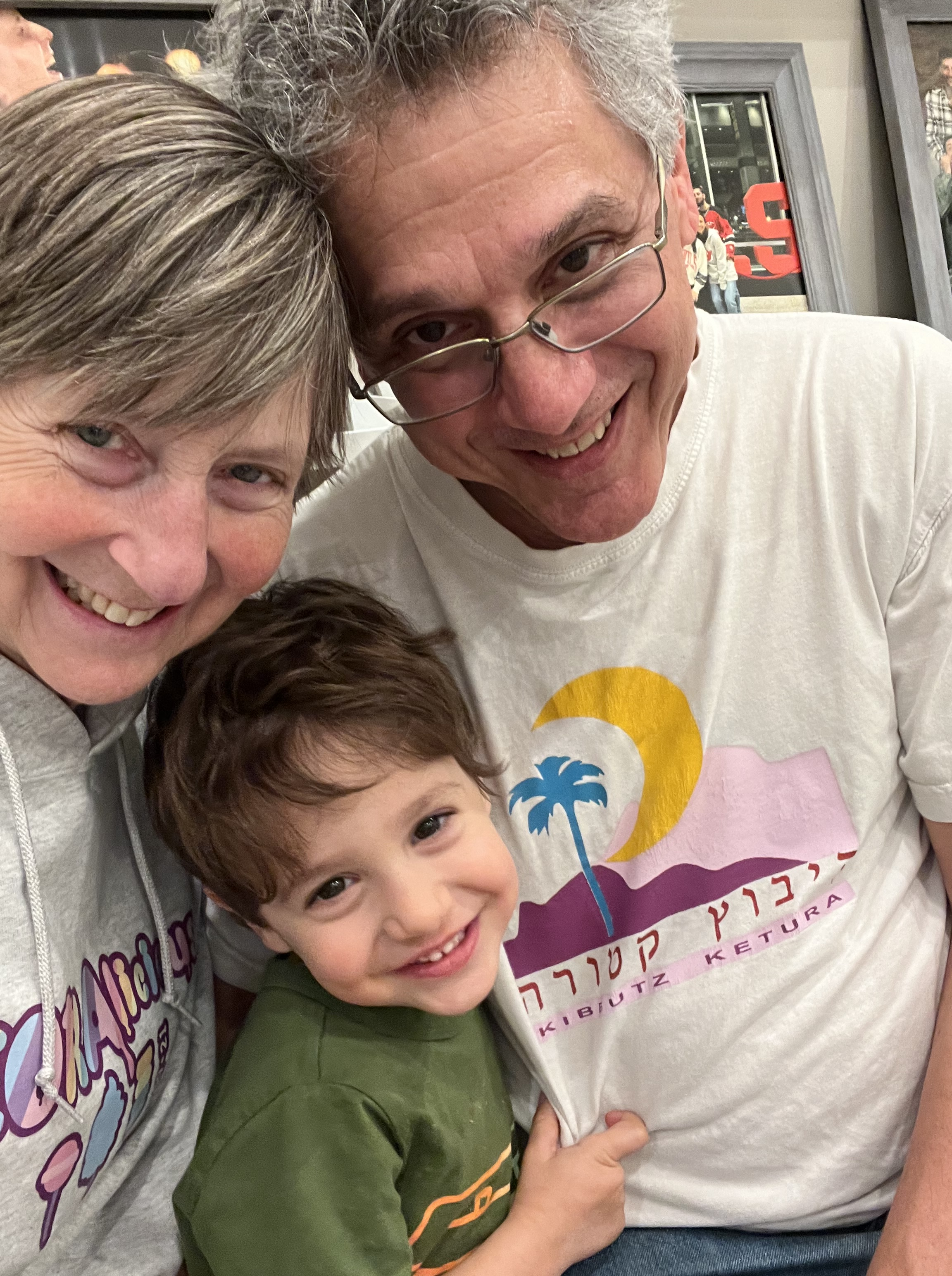
Luckily for me, there is one generalized answer that satisfies Carmel every time and has done so since before he was able to verbalize these questions. My answers are very often about God.
On the way to childcare this morning, many branches are down and lying in the streets. We discuss the heavy wind-driven rain of last night, and Carmel asks me why it happened.
“God made the storm and also blessed us with safe homes so that we can listen to the wind and rain, but not be outside in it.” Carmel agrees, “God keeps us safe and cozy.” (Cozy is a favorite word for Carmel who learned it from his mother who really loves to be cozy at home!)
We see work crews clearing leaves from clogged storm drains and Carmel asks why.
“God plans for snow, rain, and sun to take turns, but sometimes the rain is too fast and hard. So people have to help protect each other and the earth. We are God’s helpers.” This makes sense to Carmel, “I’m a helper.”
The sun suddenly peeks out from between the gray morning clouds so we discuss the rays of light that we can see; and yes, Carmel asks why.
“God created the sun, the moon, and the stars on the fourth day, and God really liked what was created and said that it was very good.” The creation story is one of Carmel‘s favorites, and he accepts it without question. “Tell me that story again, Bubbe!” I suppose God is another character for him alongside the Little Blue Truck and Pinkalicious!

At three years old, Carmel knows that when a breeze passes through the leaves of the tall trees in our yard, God is telling him that he is seen and he is safe. When the stars twinkle in a night sky, God is telling him that God is always with him so he is never alone.
Carmel loves to be in the OJC sanctuary and knows that the Torah is God‘s story of how we can be good people. He understands that God is with us in the sanctuary when we sing and pray together.
As Carmel continues to grow older, life will undoubtedly challenge his easy connection with God. He might just get busy and forget how simply God is the answer to so many questions. He will inevitably come to understand the contradictions and difficulties in the way the world works, and will learn that God cannot be the answer to every question. Life will disappoint or hurt him, and he will hold God responsible.
When these changes happen, I hope that Carmel will hold onto his unquestioning faith in God in the quiet moments when he is alone.
In that way, he can return to his simple and depend upon a connection with God when he grows older, and seeks to understand the answers to far more difficult questions than why branches fall down in a large windstorm.
I only know that the simplicity of his faith reminds me of the possibilities of my own faith. Can we recover the belief of our three year old selves in quiet moments? It might just be a start.
Rabbi Paula Mack Drill, a.k.a., Bubbe
When Asked How I Am, What Do I Say?
“What am I supposed to say when people ask how I am?” I complained to my Israeli friend, “I have no idea how to answer that question these days. Am I supposed to say I’m fine? Am I supposed to say I am not fine?”
“In Israel,” he said, “we are answering, ‘K’mo kulam’,” like everyone.
How are you? Like everyone.
I tried it on for size for a day. I wondered if it was fair for me to say that my feelings were like everyone’s feelings. Here in America, I am on the mezzanine, not even in the orchestra, and certainly not on the main stage.


My heart is broken regarding the massacres and kidnappings of October 7. I worry about the IDF soldiers in Gaza. I feel hopeless about the mounting number of casualties and deaths of Palestinians in Gaza. My anxiety is high regarding the unleashing of virulent antisemitism here in America and around the world.
I don’t sleep well at night. I wake up from the middle of horrible dreams.
But my situation is not the same as my cousins’ whose four adult children are all serving on the front lines. I cannot compare myself to my son-in-law‘s mother whose entire community, her entire personal and professional world, was devastated on October 7. I am not my dear friend who had to move to safety from her home and whose son and son-in-law are both serving in the IDF at the same time.
And although I teach that there is no hierarchy of suffering, I know that my suffering is not the same, and can never be weighted as heavily, as those families whose loved ones have been murdered and abducted.
So I faltered for a couple of days when people asked me how I was.
Now, it is true that a rabbi in a community carries the weight of a congregation’s fear and concern. We are looked to for optimism and hope when we might feel quite lacking in those categories ourselves. We are asked questions for which there are no answers.
But still, I did not feel that I deserved to say, “K’mo kulam.”

And then one Friday evening at minyan, I led the community in the traditional words we say to a mourner. L’cha Dodi ended and we turned toward the man in shivah for his mother. We said, “HaMakom yinachem etchem b’toch sha’ar avalei Tzion v’Yerushalayim.” May God comfort you among all of the mourners of Zion and Jerusalem.
We say these words so often, counting on them to offer comfort to those who are bereft. On this particular night, I paused and considered their intention. I did not say these words to tell this particular man that his sorrow was exactly like all other Jews who were mourning. I meant that he is not alone in his grief. As a Jew, he was one of a great number of people at any given time who are held by God in our grief. We are all connected. That very fact offers comfort.
And the next day I went back to answering the question, how are you with the answer “k’mo kulam”.
I am not alone in my grief. And neither are you.
Rabbi Paula Mack Drill

Don’t Do This Alone (Coping with these Dark Days)
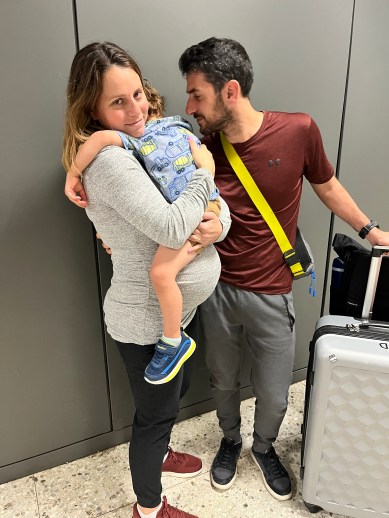
On Friday, October 6, just three things were on my mind.
First, my son Josh and his beloved Shay had just gotten engaged, but they had not yet made it public. I wondered how I could make it through Shabbat and two days of holiday without sharing the good news.

Next, I was feeling quite pleased with my decision to forego shoes and just wear sneakers with my synagogue dresses on Saturday night and Sunday for Simchat Torah dancing.
And third, I was a bit worried about having time to pack after two days of holiday before the car service arrived to drive me to Newark Airport for my flight to Israel. I was making a trip for four days to attend the wedding of my son-in-law‘s brother Omer to his cherished Tal. Jonathan, Sagi and Carmel had already been in Israel for a week and I was looking forward to a fun few days in Tel Aviv and a wonderful Fainshtain celebration.

I didn’t need to have worried about my Sunday night flight to Israel. It was cancelled.
On Saturday, October 7, the world as we knew it ended. We will never be the same.
Jonathan was awakened by sirens on Shabbat morning and travelled out of Tel Aviv to Shay’s family home. That morning, Sagi and Carmel were with Racheli, (Sagi’s mom and Carmel’s savta). Many of you have read Sarah’s account of Sagi’s harrowing escape with his mother, her partner and our grandson Carmel from their home in Mefalsim. In case you didn’t have the chance to read it, here is a link:
https://docs.google.com/document/d/1lng-H_PCVwpDlZrUwvmWFxBjgg2trn-_voJWUMnYGWQ/edit

What do Jewish people do when tragedy strikes but the calendar says it is time to celebrate? We celebrate. With breaking hearts, with tears, and with complete dissonance, we take the Torahs out of the ark and we dance. It’s the hardest thing to do and it’s the only thing to do.
So many congregants of all ages came to OJC for the holidays, drawn in to community like homing pigeons. We knew where to be for comfort and solidarity.
We prayed, we broke bread (and chocolate), and yes, we danced. Our eyes met and we read the grief and bewilderment there. We danced with our children in long “Tayish” lines and circles of “The Tushie Dance” (Od Lo Ahavti Dai). We grinned and laughed with a stubborn refusal to give in to terror. We sang Acheinu softly and walked in slow circles for all those in Israel unable to celebrate Simchat Torah, and the children of our shul saw their rabbis cry. We honored teenagers as Chatanei Torah and a centenarian as Chatan Bereshit and we felt uplifted by them and their proud families.
All of it was necessary. It’s what we Jews have been forced to learn throughout all the centuries of our history. If we stopped celebrating every time we endured suffering, we would never be able to fulfill our calendar year.
At the OJC, we did not celebrate despite our sorrow. We celebrated together with our sorrow.
I was never more proud of our congregation.
Since the holidays have ended, we have truly been prepared for Mar Cheshvan which begins on Saturday night. It will be a bitter month indeed.
After the holidays concluded, the news from Israel continues to be intolerable. As the numbers of injured, kidnapped, and murdered in Israel climb and the inhuman stories emerge, as soldiers are mobilized and in harm’s way, as we speak to precious friends and family in Israel and find that we have no useful words, we find that the reality is more than any one soul can comprehend.
And so, we cannot do it alone. We must find each other in our grief and come together to pray, find comfort, and take action.
Hundreds came to the rally on Tuesday at the courthouse in New City.
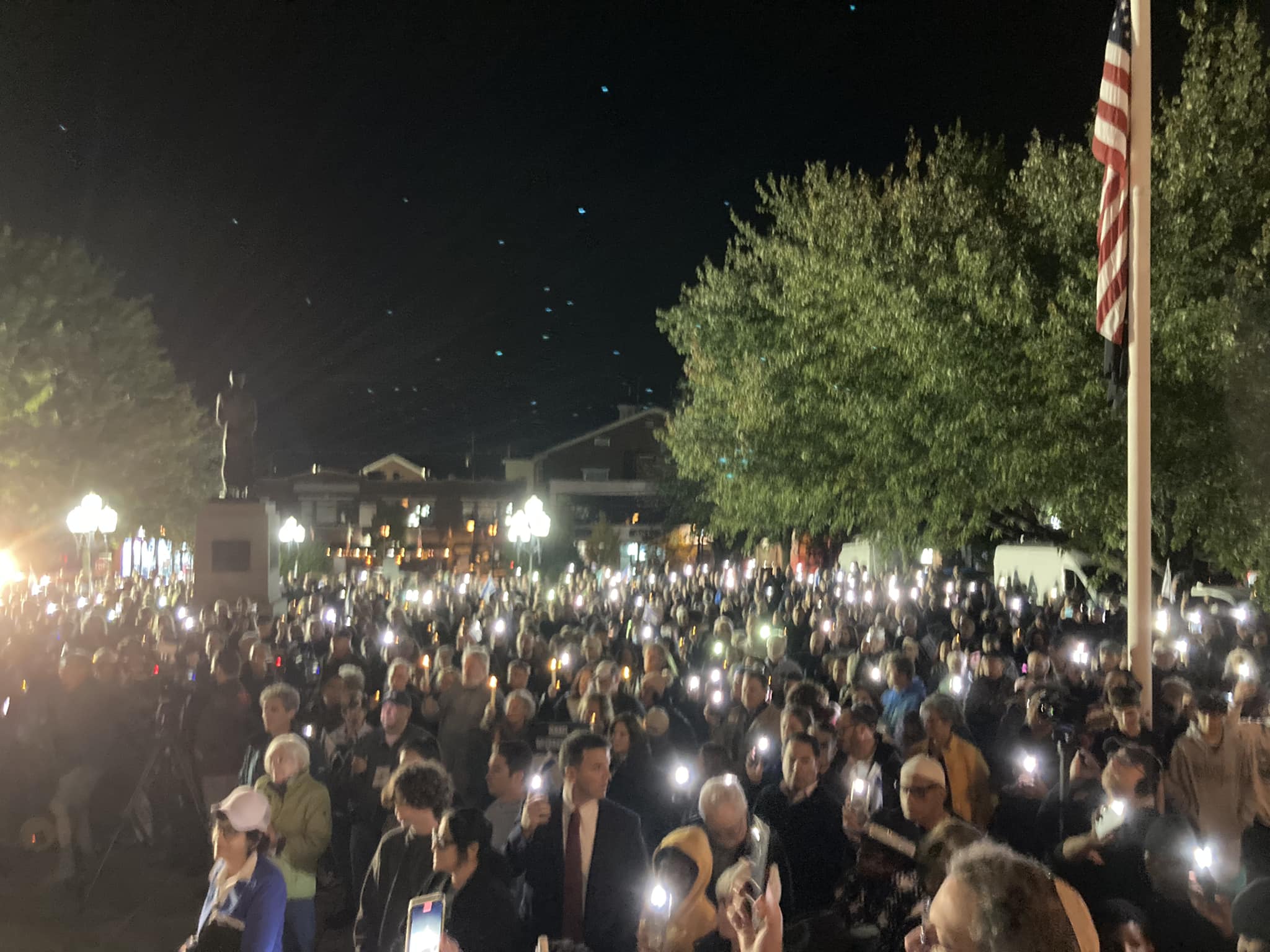
Many of you will be with us on Shabbat to feel the power of community.
I expect that hundreds more will come together on Saturday night at 8 o’clock at Congregation Sons of Israel in Nyack for the Rockland Board of Rabbis Prayer Vigil and Memorial Service.
More opportunities for prayer, healing, and action will be announced soon.
Please don’t try to do this alone. We are a community that knows how to be together in the most joyous times and in the hardest times.
Am Yisrael Chai.
The People of Israel lives!
Rabbi Paula Mack Drill
Traveling with Two Hearts
Perhaps it is always the case that when a Jew travels in Europe, one travels simultaneously with two minds. Or more correctly, with two hearts.
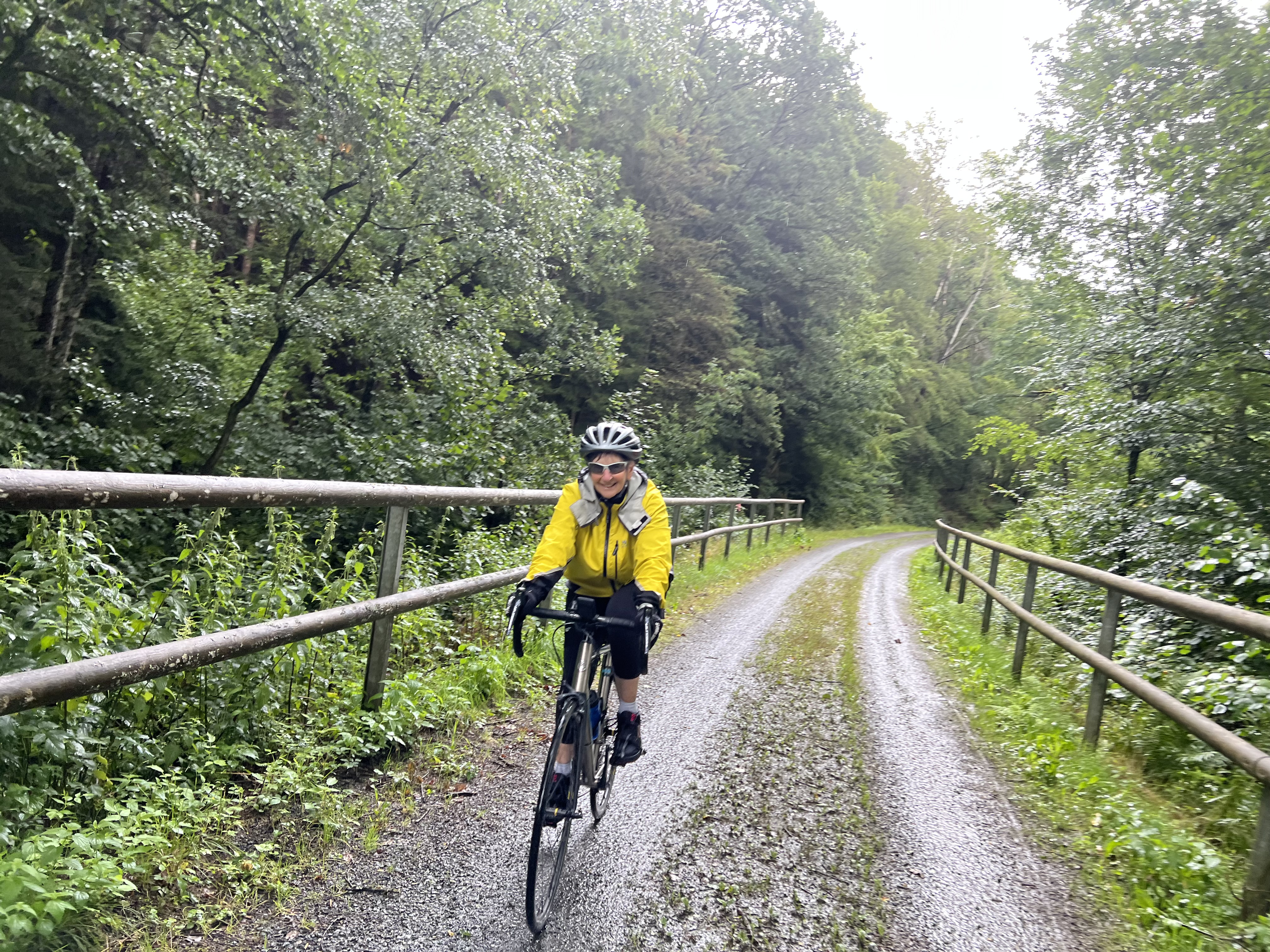
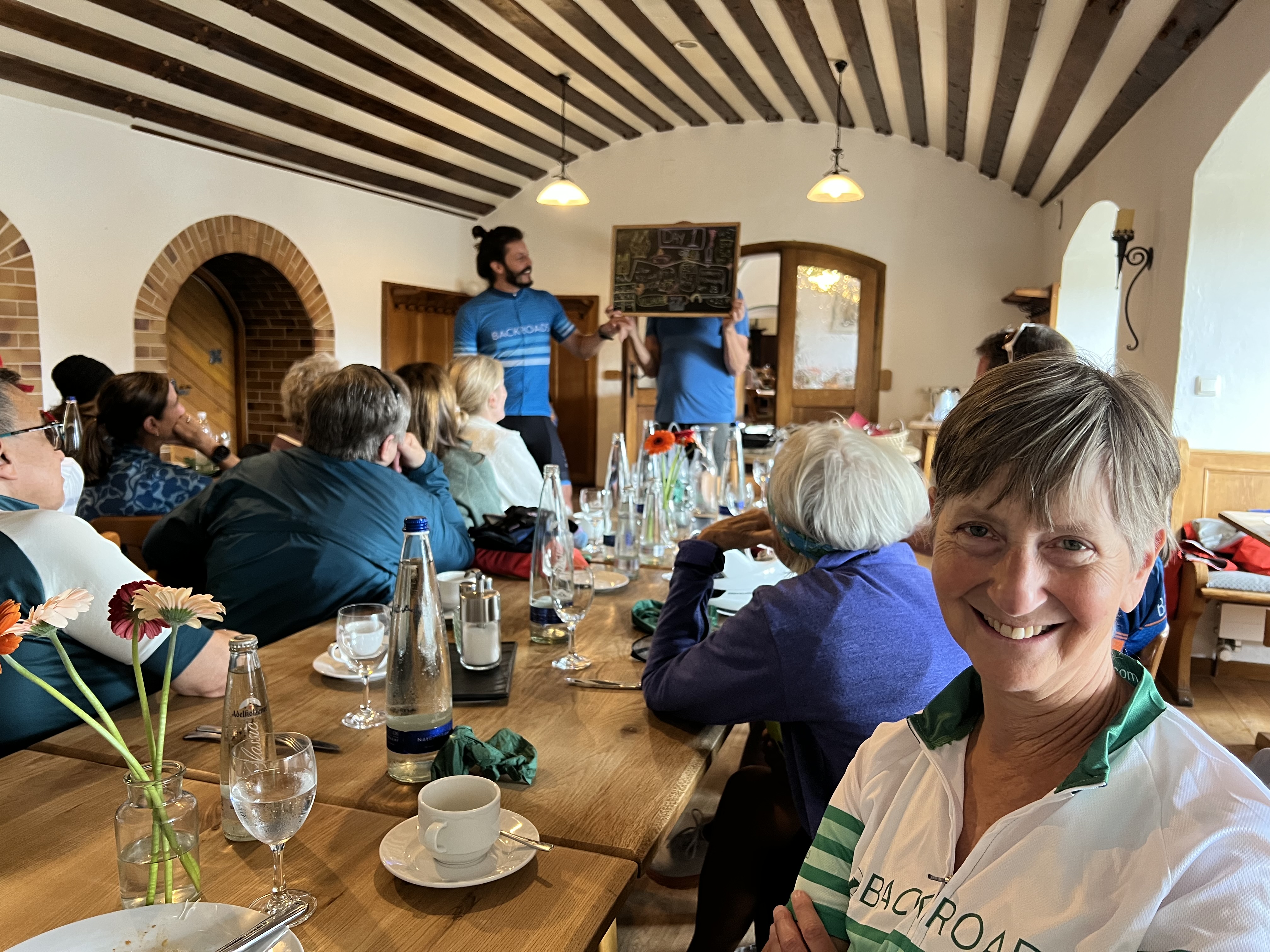
Of the first mind, here is an amazing vacation filled with everything one could desire, and for which I am grateful. We cycled and cruised the Danube from Prague to Budapest, enjoying river paths and forests, orchards and vineyards, castles and medieval forts, small villages and impressive cities. Jonathan and I enjoyed the fellowship of other cyclists, great food, and a Mozart concert.
And in the other chamber of my heart, there are the unstoppable thoughts. What is the Jewish history of this place?
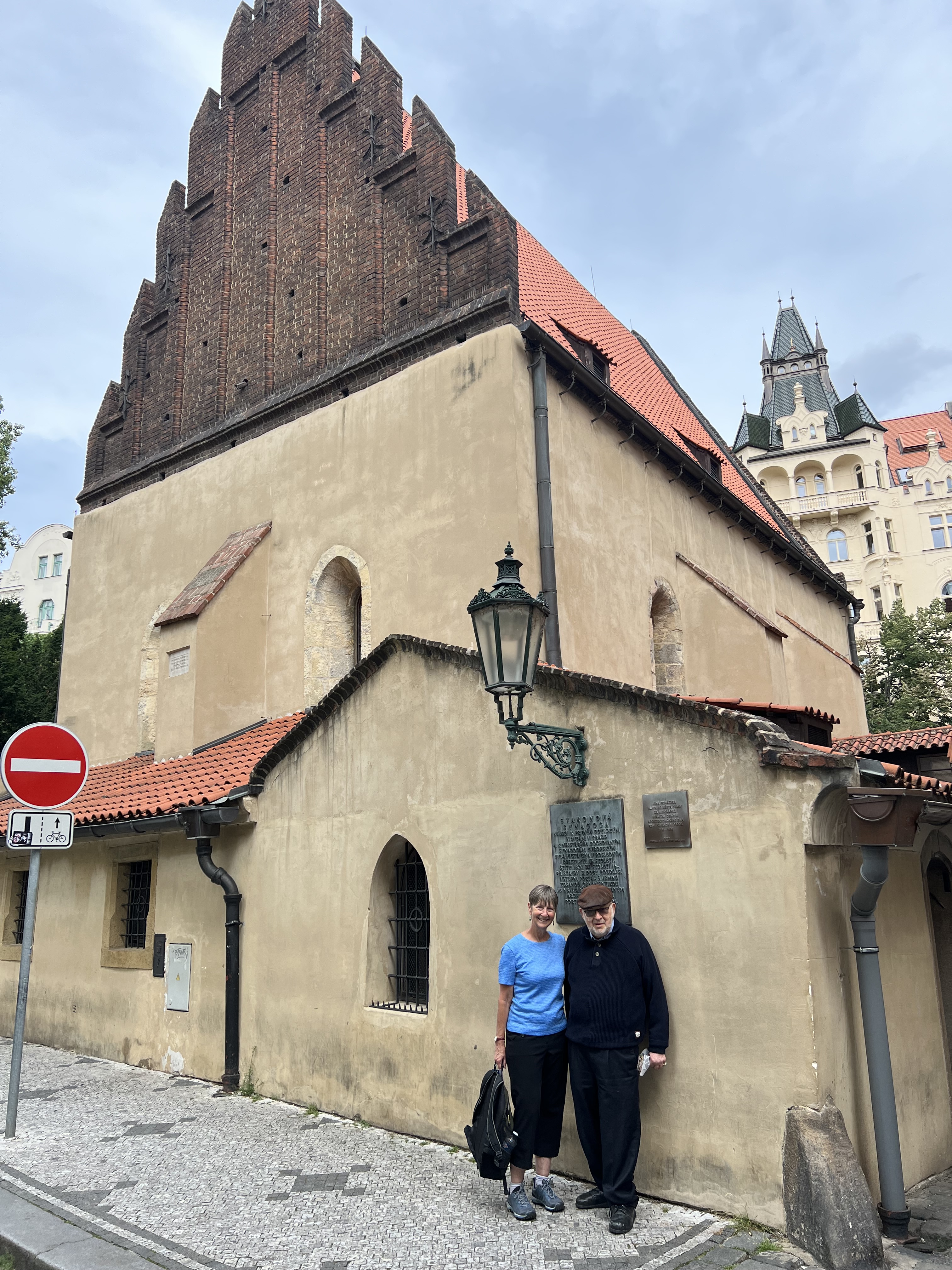
The answers were not completely absent from the week. We spent Shabbat in Prague with my friend and colleague, Rabbi Ron Hoffberg and the Masorti community there. Before Shabbat, Rabbi Hoffberg gave us a tour of the Jewish quarter. We saw four synagogues including the New Old Synagogue, the Jewish cemetery, and the stairs to the attic where the Golem is locked away. We viewed Prague from the perspective of the Jewish history there.

Once we joined our bike tour group, there was still acknowledgment of Jewish presence. In every historical explanation by a guide, there would be a mention: Franz Joseph was a strong protector of the Jews. All of these apartment buildings were inhabited by Jews who were welcomed into Linz for their merchant and banking skills. Sigmund Freud was a prized son of Vienna until “World War II forced him to leave.” See this statue of Princess Sisi and that of the great liberator of Vienna, Jan Sabieski – oh, and here is the representation of a Jew forced to clean the cobblestones with a tiny brush, very sad”. “Over here was a very large Jewish ghetto and around the corner is Bratislava’s Memorial to the Jews.”
The monologue in my mind offered quite a different tour:
Consider this quaint village. Did they round up their Jews or hide them?
Cycle in a windy, cold downpour through the Bavarian forests. How did Jewish refugees ever get warm when they were on the run?
Admire the large and prospering farm along the bike path. Did Jews hide in the barn or the haystacks?
The interior of this abbey is inspiring. Did the nuns here hide Jewish children or turn them in? View the sweeping interior of yet another Catholic Church. I wonder what the priests taught their parish about the Jews.
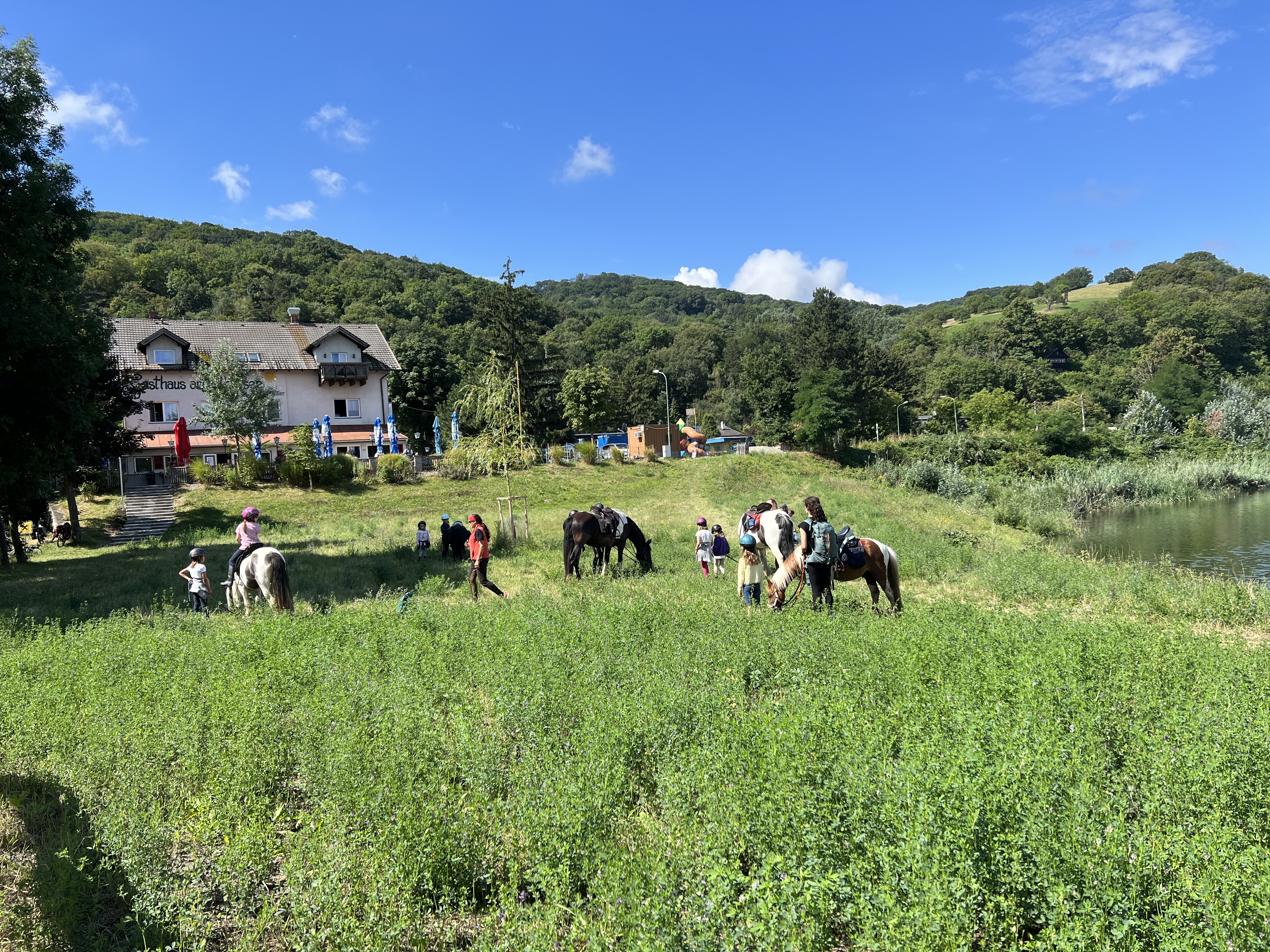


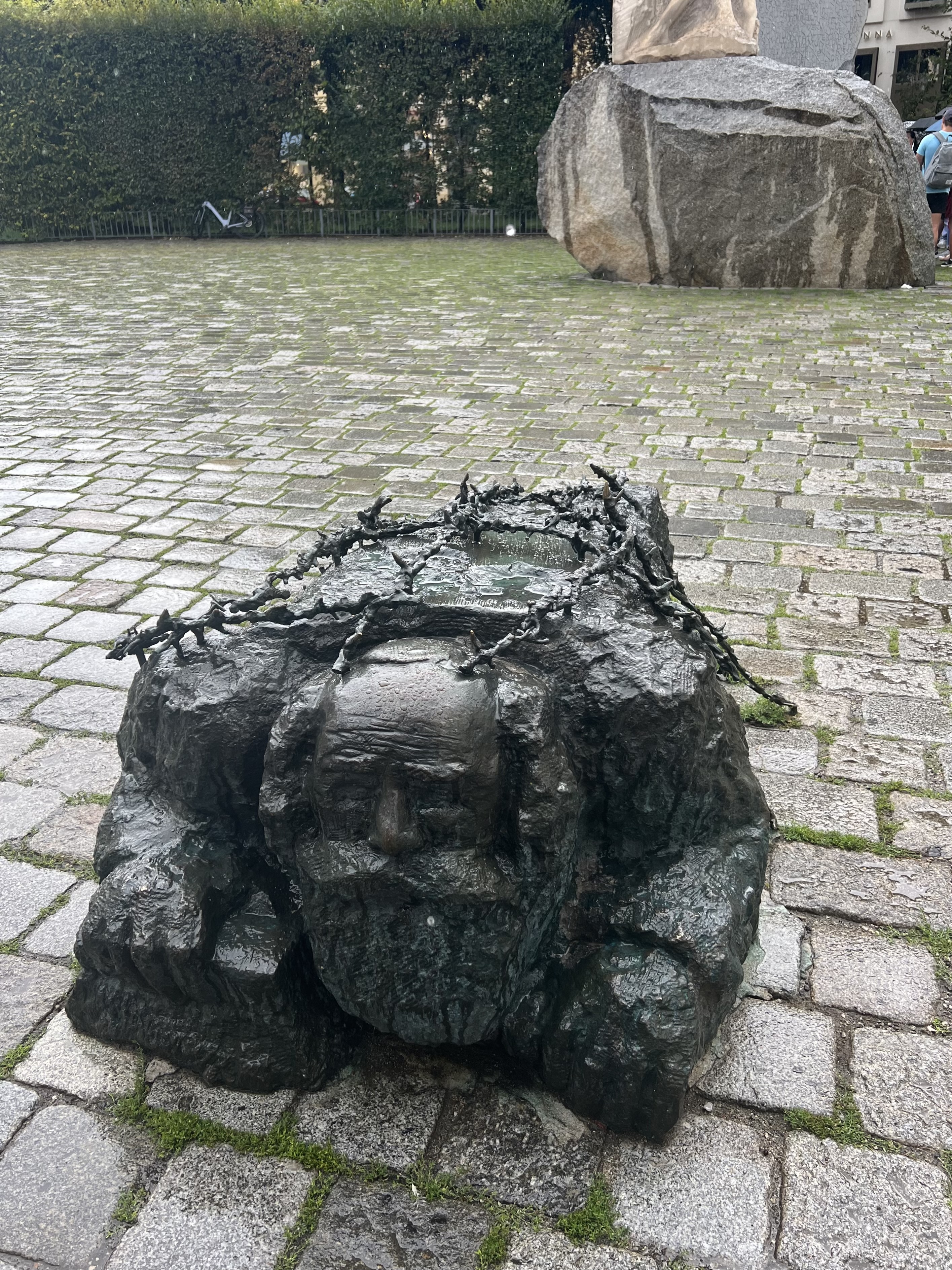
I thought that I was alone in these thoughts. But yesterday, our group had a walking tour of Budapest, and were guided to the haunting sculpture Shoes along the Danube. These bronze shoes are a memorial to the Budapest Jews who were rounded up at the very end of the War, and shot and killed at the edge of the Danube where the river turned red with their blood. Afterward, many members of our group came to just give me a hug or ask a question. I felt held and understood by very good human beings.

Last night, our guides asked everyone to share a highlight of the week. People spoke about cycling up a very hard mountain pass, or riding through the vineyards to a wine tasting. One of my fellow travelers began his memory by reflecting that we should all take seriously the sculpture of the shoes that we had seen earlier that day. He said that we are privileged to be able to travel the world, but we should be mindful that we are living in dark times. We should remember the fellowship of our travelers and live our lives to prove that kindness is stronger than hate.
In his few meaningful words, the two simultaneous travelers in my mind and heart united as one.
Wherever you are and whatever you are enjoying this summer, remember the superpower of kindness.
Rabbi Paula Mack Drill
Wise Aging
My father-in-law, Phil Drill, will turn 96 in August. He works every day at his third-generation construction company, bidding jobs and managing projects. No one is doing him a favor, no one is condescending to give “the old man” a desk and a chair. Project managers and developers consistently seek his opinions and expertise. On weekends, he and my mother-in-law commute to their place in New York City where he goes to a studio to sculpt and where they see movies and plays that most of us have not yet heard of. Twice a week, back in New Jersey, he does Pilates. Every morning before work, he walks his dog Murphy two miles, and many evenings, he cycles around his neighborhood on the bicycle that his kids got him as a present for his 90th birthday. It was his request.

Yes, Phil is 96 years old. He has gotten older but he has not become old.
You could say that he is blessed with relatively good health and excellent longevity genes. True. But Phil’s way of embracing every day is more about his attitude than anything else.
Getting older is a fact of nature. But getting old is a choice we all make.
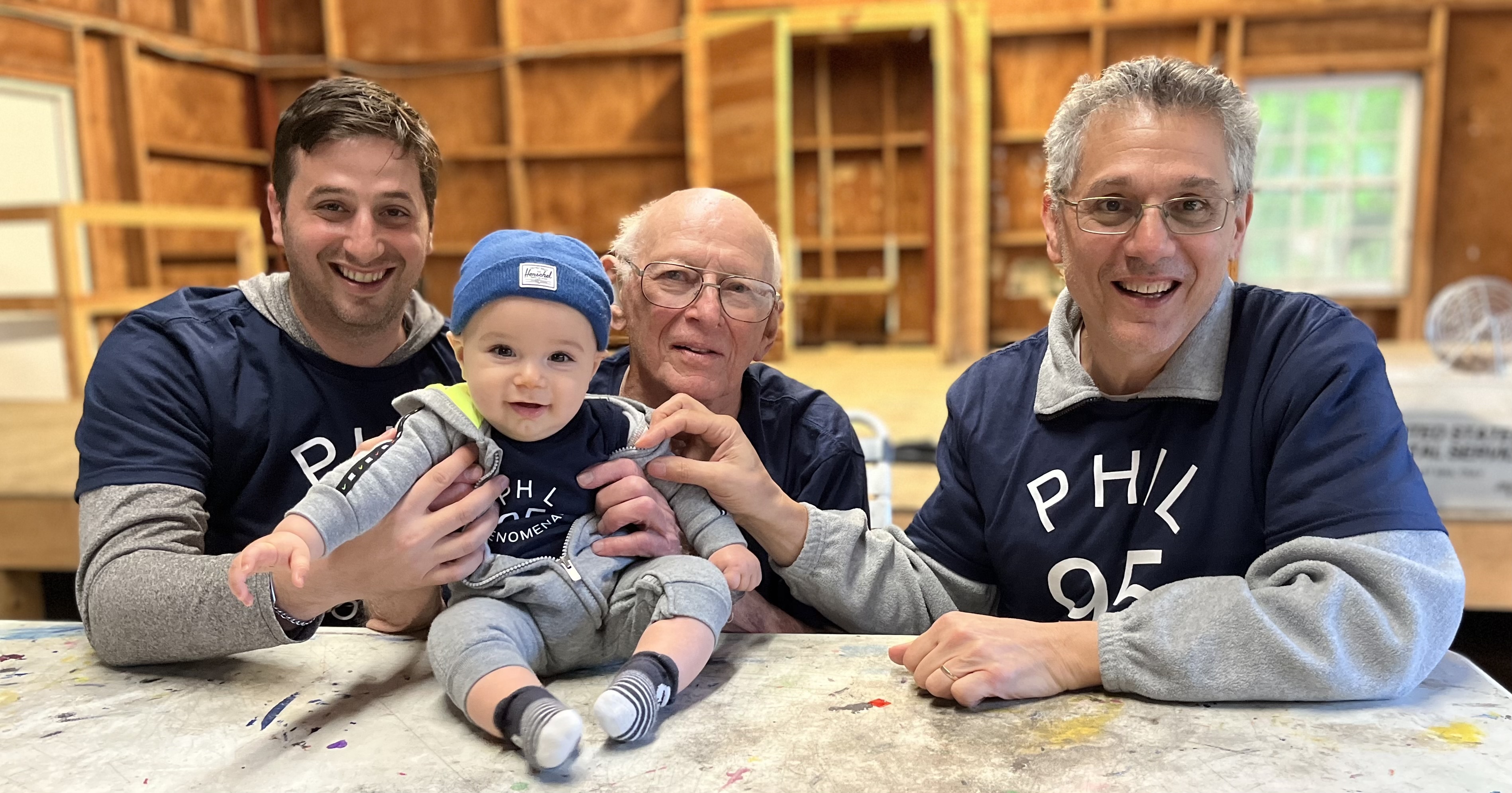

Phil is my inspiration for the class I am teaching at Orangetown Jewish Center this summer, “Wise Aging”. Having learned a great deal from the book by the same name authored by Rabbi Rachel Cowan, z”l and Dr. Linda Thal, I decided to delve into Jewish texts that teach us the secrets of growing older without taking on a declinist view of being old. Yes, we lose things as we age: people we love, full use of our bodies, memory, professional identity, purpose, independence, confidence. You can make this list as easily as I can.
If we adopt the amazing mantra of “the best is yet to be” and accept the inevitable losses as reality, we can take on a different view of aging, a spiritual view. We can see our tasks as shining up our souls and focusing on what is most valuable rather than grasping at what we are losing.
We never know how a class will land when we offer it. This class on wise aging clearly hit the mark. Close to forty participants from younger boomers to elders have been gathering on Monday mornings in a hybrid format. Interestingly, the in-person participants outnumber the virtual students for the first time since before Covid. The class seems to be so highly valued that I will be continuing it monthly in the fall. (Join us this Monday, July 10 at 11:00 am for the final summertime class.)
Poet Stanley Kunitz writes, “Years ago I came to the realization that the most poignant of all lyrical tensions stems from the awareness that we are living and dying at once.” This statement may seem jarring to you, yet I find it to be “very Jewish”. In Judaism, meaning is found in living, not in dying; yet awareness of mortality is essential. Our rabbis teach: “Live every day as if it were your last.” Do something of worth today. Make this day meaningful by a kind word, a phone call, a poem read or written. Jewish thought stubbornly insists that we are here for a purpose, that we are partners with God, that we are meant to be kind to others and to be reverent of life.
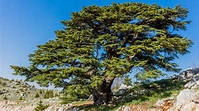
In Psalm 92 we read, “Tzadik katamar yifrach… The righteous flourish like the date palm, thrive like a cedar in Lebanon… In old age they remain fruitful, still fresh and bountiful, proclaiming: Adonai is upright, my rock in whom there is no flaw.” Rabbi Abraham Joshua Heschel wrote about this verse, “One who lives with a sense for the Presence knows that to get older does not mean to lose time but to gain time. And, also, that in all of one’s deeds, a person’s chief task is to sanctify time. All it takes to sanctify time is God, a soul, and a moment. And the three are always here.”
What is the secret to such resilience and graceful aging? How does one make such a choice? Join us to learn together monthly on Monday mornings as we strive to find meaningful answers.
To find out more about the class (in-person and on Zoom), contact me Rabbi.Drill@theojc.org.
Here’s to joy and resilience, Rabbi Paula Mack Drill
A Poem on Yom HaShoah
Last night, OJC experienced a particularly emotional Sonia and Israel Neiman Shoah Memorial Project as we learned with Dan Grunfeld, author of By the Grace of the Game. Dan presented the inspiring story of his family’s Holocaust legacy and the trajectory of his father, the great Ernie Grunfeld of NY Knicks fame. He shared the tragic lessons of the Shoah together with his anyu’s (grandmother’s) lesson for life: Have hope!
At the beginning of the program, Rabbi Scheff read a poem that I wrote for the day. I share it here now.
She Read the News Every Day
She read the news every day.
On Shabbes, it was all they talked about.
Still, on Sunday morning she took the baby early so her daughter-in-law could sleep late
They built towers of blocks and she showed him how to make a house with playing cards
At night she made a big dinner for all of them
And they ate merrily, laughing and loud, as always.
He listened to the radio each night as he enjoyed his cigar.
It was all they talked about in the cafés and restaurants where he met clients for lunch.
Still, every morning, he knotted his tie just so, matching his pocket square to the exact shade of blue
He carried the leather brief bag with his initials on the side and enjoyed the blossoming trees on his short walk to the office
Coming home to his family, and his wife’s cooking, where he presided at the head of the table.
Until they didn’t.
Some were able to buy their way out.
Some hid in unthinkable circumstances.
Some went out to work and never came home.
Some were awakened in the middle of the night and shoved onto the street.
And we, in our hubris, hold them responsible.
We would have left sooner, we are sure.
We would have understood the signs and saved our families.
I am not so sure anymore.
I read the news and talk in the cafés
And still I wake early with the baby to let my daughter-in-law sleep late.
I cook a large dinner, and we eat merrily.
Rabbi Paula Mack Drill
Crossing a Red Line
What is your red line? Mine has just been crossed.
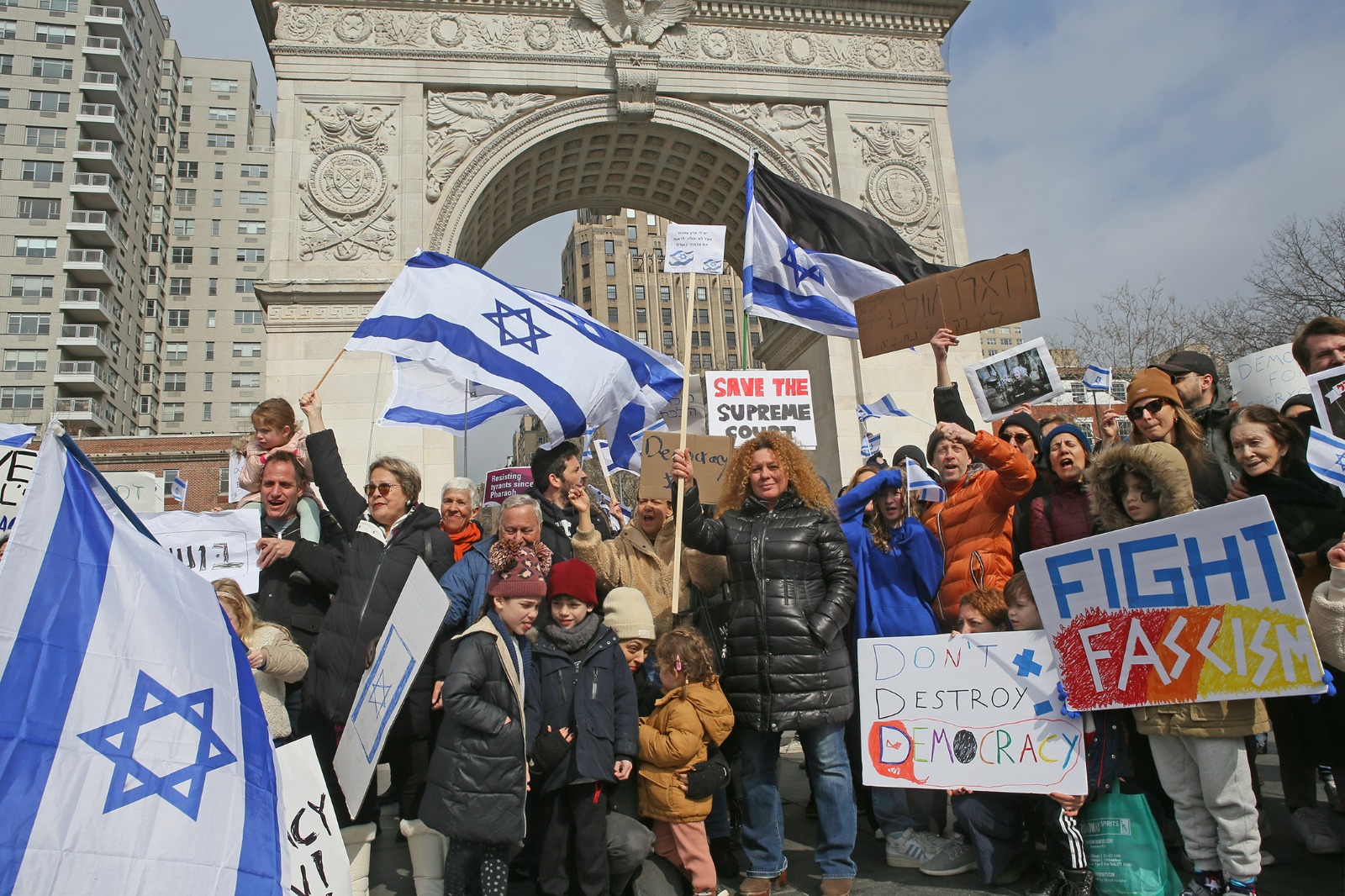
I have been filled with sorrow, outrage and concern over the past two months, regarding the intentions and actions of the new coalition government in the Israeli Knesset under the leadership of Bibi Netanyahu.
Your rabbis have attempted to educate according to values of Judaism and democracy through a sermon, a webinar with Yizhar Hess (CEO of WZO) and my son Josh, and an extensive letter filled with analysis and resources for you.

I have thought time and again over these past weeks of writing to you in this blog. Each time, I wondered what I could possibly say that would be either new or useful.
This morning, I woke to the news that last night, 400 Jewish settlers poured down a hill from Jewish West Bank settlements into the small Palestinian town of Huwara and neighboring villages, where they rampaged, setting fire to 40 buildings and hundreds of cars, causing injury to one hundred people, killing one Palestinian man, and destroying extensive amounts of property.
What is the context of these riots?
Yesterday, two young Jewish brothers in their twenties, Hillel and Yagev Yaniv, were tragically murdered in a terrorist attack. Even as security forces pursued the terrorist responsible for this heinous act, hundreds of Jews rioted in Huwara with the support of senior political figures. Answering violence with more violence, taking the law into their own hands, only six of these 400 settlers have been arrested.
While both Prime Minister Benyamin Netanyahu and President Isaac Herzog have officially condemned the Jewish violence, some elected officials in Israel justified the violence and burning of villages.
As your rabbi, a Zionist, a Jew, and a fellow human, I feel compelled to take action today. What can I do but use my words which Judaism has taught are more powerful than the sword? Yet what can I possibly do through these words that will be helpful?
Is it possible to convince you who love Israel to keep your faith in the Israeli people and in humanity?
I have a file in my hard drive that is called “Israel in Crisis.” Over the years, I have saved a tragic number of articles and emails regarding terrorist attacks against Israeli citizens, missile strikes against Israeli civilians in towns and cities, and all-out war. When this new government was elected in Israel, I did not create a new file. I simply started storing information in this same file called “Israel in Crisis.” This time, the crisis is from within.
In a powerful open letter to Israel’s friends in North America, published on February 2, 2023, Times of Israel article, Matti Friedman, Yossi Klein-Halevi, and Daniel Gordis warned us: “ the changes a foot will have dire consequences for the solidarity of Israel’s society, and for its economic miracle, as our leading economists are warning. It will also threaten Israeli-American relations, and it will do grave damage to our relations with you, our sisters and brothers in the Diaspora.”
It’s not just these famous columnists from across the political spectrum who are asking us to step up and let Israeli politicians know where we stand. Israeli family and friends are pleading with us to take action.
We lovers of Zion from outside of Israel have been given mixed messages through the years. Some of us internalized the message that we have no right to speak up regarding internal Israeli matters if we do not serve in the IDF or vote in the elections of the State.
This directive no longer feels tenable to me on this morning, after unspeakable violence against innocent Palestinians committed by Jewish hands in response to a terrorist act that took the lives of two innocent Jews.
I encourage you to continue studying and asking questions about the situation in Israel. To me, it seems clear that Israeli leaders need to hear where Zionists from outside of Israel stand. While Israel belongs first and foremost to the citizens of Israel, Israel matters to the entire peoplehood of Judaism. This government has gone far beyond my understanding of what a Jewish state and a democratic nation should be. I will continue writing and calling my representatives, asking them to make clear to the current government of Israel that the path they are currently on will lead to dire consequences. I invite you to consider doing the same.
May the memory of the murdered Yaniv brothers be for a blessing. May we all join together to work for peace between all of the citizens of Israel, and between Israelis and Palestinians in the occupied territories.
Rabbi Paula Mack Drill
Der mensch tracht un Gott lacht
My father and my brother both died at 61 of the heart condition that I also inherited. I am not going to die of that condition.
My mother died at 63 of cancer. I had cancer. I didn’t die.
Yesterday I turned 63 years and 3 months. I have outlived my family of origin.

Almost a year ago, I realized that this date had profound meaning for me. I overcame my worry that it was too morbid an idea and decided instead that it was time to celebrate the enormous blessings of my abundant life: a loving family, loyal friends, meaningful work and good health.
I planned to celebrate Hanukkah Shabbat with a family dinner with our kids and grandboys to mark the auspicious date. I planned the menu with my kids’ favorites and got the groceries. On Wednesday morning, I started my chicken soup.
That’s as far as I got.
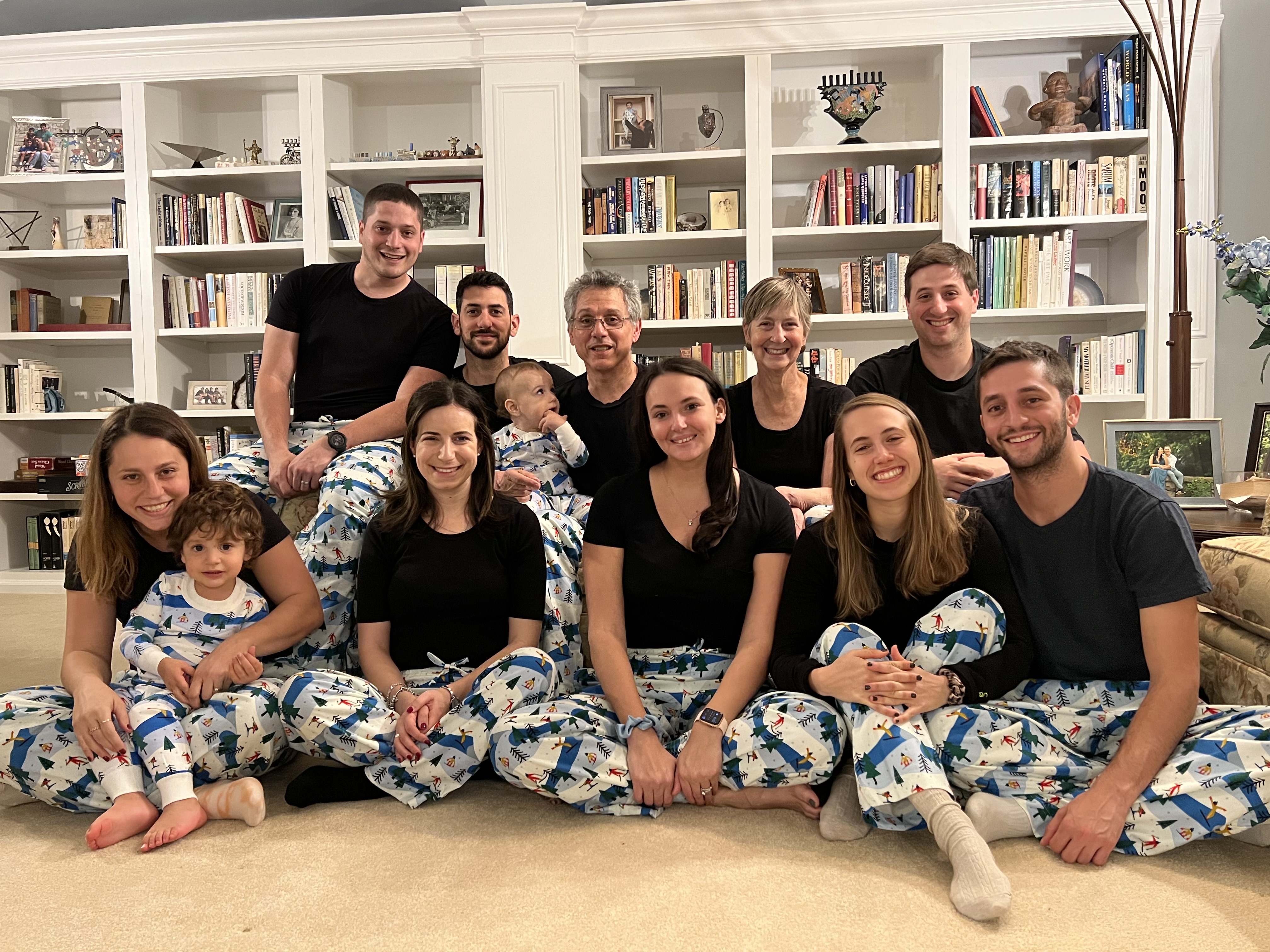
In Yiddish, the saying goes: Der mensch tracht un Gott lacht. Humans plan and God laughs.
That’s how it felt last night as I lay in flu-induced fever and exhaustion, listening to the chatter and laughter of Shabbat dinner downstairs. How ironic that I was celebrating good health and long life by spending every moment since Wednesday morning horizontal in my bed, except for a visit to the doctor and a stop for a Covid PCR (negative).
My daughter, Sarah, told me on Friday morning to stop worrying about it, that the kids would all make dinner. After my third text about how to set the table and which recipe of chicken to use, she sent me a gif of Frozen’s Elsa singing “Let it Go.” I let it go.
Sarah brought me up homemade vegetable soup just after candlelighting time that eased the tightness in my chest and soothed my soul better than any medicine. I hadn’t been able to light Chanukah candles or Shabbat candles with everyone. But I felt loved.
Still I spent the evening feeling quite sorry for myself. The good thing about the flu, however, is that I will heal speedily. As of this afternoon, I felt well enough to sit up in a chair and read. And tonight we lit Hanukkah candles for the seventh night together.
So the important date came and went. Maybe that is just as well. The bottom line holds true. I am grateful for this beautiful and precious life and I plan to enjoy it for another forty years at least.
Shavua tov and Chanukah sameach!

Rabbi Paula Mack Drill
 Three Rabbis Walk Into A Shul
Recent Comments