Twenty years later, I remember
The weather was eerily similar to the same date on the calendar twenty years before: A bright and sunny day, not a cloud in the sky, a soft breeze, and if you heard no news from the outside world, you might think you were experiencing a slice of heaven, a taste of the world to come. As the sun was setting on the day of September 11, Rabbi Drill and I stood at the podium, surrounded by public servants in uniform, and offered the 23rd Psalm to the hundreds gathered on the lawn of Orangetown’s Town Hall. The psalm, we explained, is offered for those mourning the loss and seeking the presence of their loved ones; for those who wish to feel God’s presence in dark times; and for those who turn to friends and community as a source of strength and comfort.
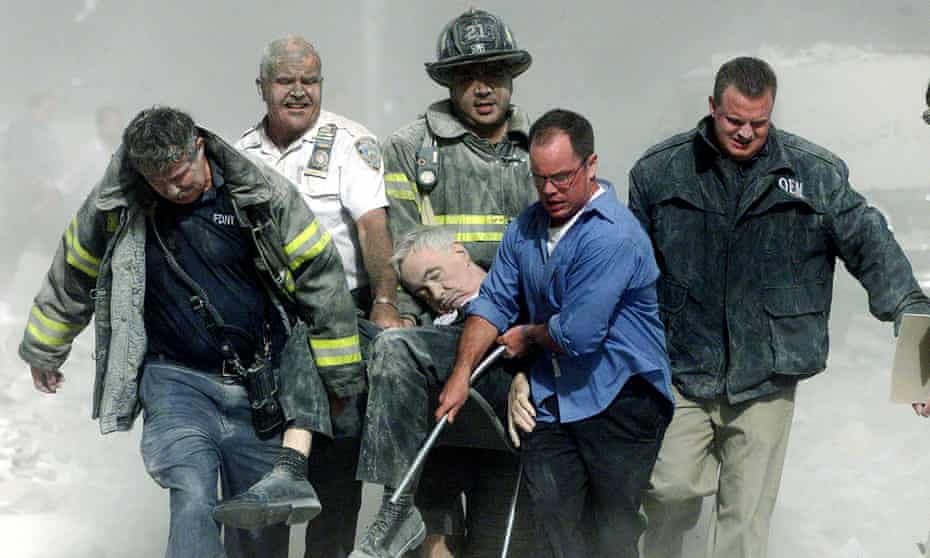
Looking out at the crowd before us, I was struck by the realization—especially as the names of the fallen from our community were read—that I was not certain whether any family members of the 9/11 victims were actually with us to commemorate the day. This feeling only served to reinforce my belief that, at some level, the magnitude of the 9/11 tragedy robbed individuals who suffered loss the opportunity to grieve and have their personal losses acknowledged by the community. The tragedy became one that belonged to our country, and in the processing of our collective trauma we lost sight, to some degree, of the individual stories of loss, grief and mourning. Stories of heroic first responders, of courageous acts of selfless sacrifice, and of how united our country stood in the days that followed continue to shape the way we remember. We focus far less on the stories of the families that were broken by the sudden loss of a spouse, child, parent and sibling.
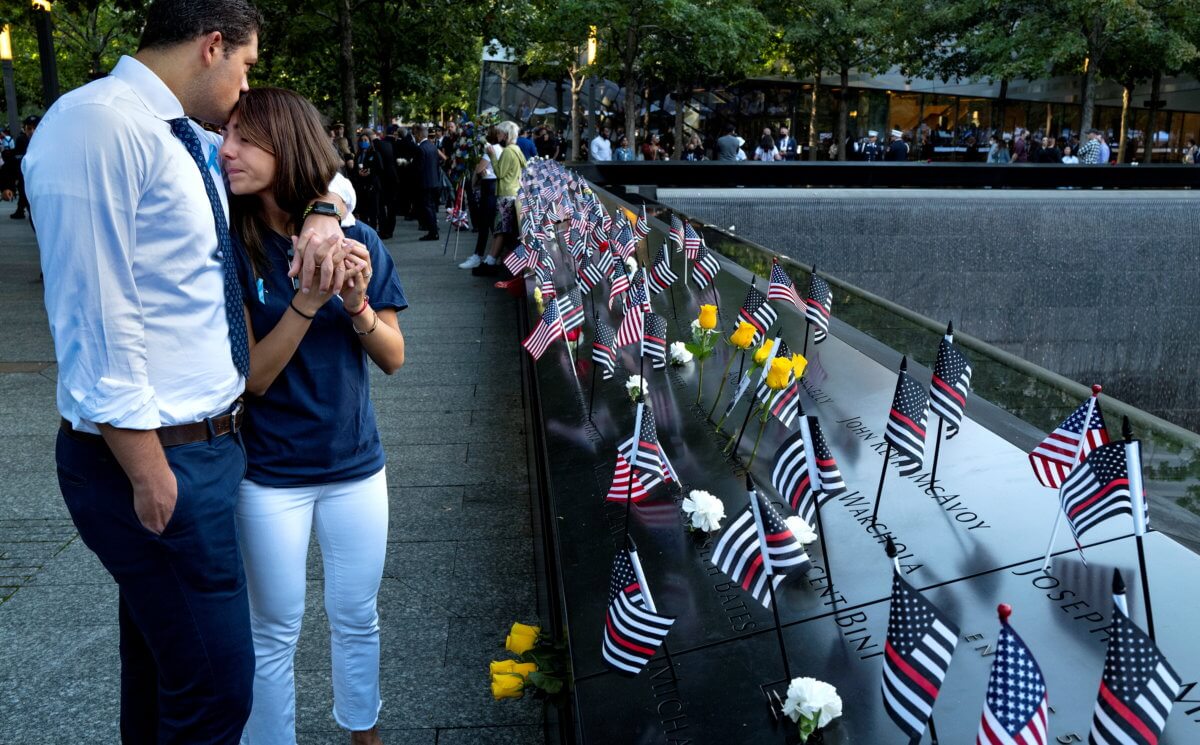
The circle of subsumed individual stories expands further. Two weeks before 9/11, a dear personal friend to me and many others, a beloved husband, father of two young children, son and brother, died very suddenly while on vacation with his family. Bruce Cowen was an integral community builder in our congregation. His death left his family traumatized and reeling. The shock left many members of our community devastated. But two weeks later, when the World Trade Center fell, everyone was stricken. The loss belonged to us all. And the processing of individual grief, and the communal support that was supposed to accompany that process, was somehow cut short. Some of us never fully processed Bruce’s death as a result, and some of us could never fully process the full scope of 9/11 because of our personal sense of loss.

In the Jewish tradition, comforting the mourner is a communal obligation. There are times, however, when (to paraphrase two of my favorite fictional characters) the needs of the many outweigh the needs of the few, or the one. When a death occurs during the intermediate days of the festival of Sukkot, for example, formal mourning for the deceased is postponed until after Simchat Torah. If the death occurrs before the festival and shiva begins, it is truncated with the onset of the holiday. Obviously, the bereaved is in an emotional state of mourning; the communal obligation to comfort the mourner, however, is outweighed by the communal obligation to celebrate the holiday to its fullest.
I understand the tension inherent in this rule, especially as a rabbi who is charged with leading the communal celebration of the holiday. That doesn’t mean I have to like it. Sometimes the needs of the one do indeed outweigh the needs of the many. Tragic loss, in my opinion, is one of those times.
That’s why, when remembering six million, it is so important to remember one story. That’s why, on every 9/11, I call a congregant who stood at Ground Zero and witnessed horror all around him. That’s why, on Bruce’s yahrzeit every year, I reach out to the ones most immediately and profoundly affected by his absence.

May we never forget, even as we are called upon to celebrate life. May we never forget the opportunity we are given, individually, to bring comfort, solace, and the blessing of memory to those who may only remember their pain.
Rabbi Craig Scheff
The resilient child within
The nine year-old Israeli boy with the large soulful eyes stands alone on the stage, his teacher-counselor-accompanist off to the side on a stool with guitar in hand. The youth looks totally relaxed, the microphone a therapeutic pet in his hands.
The strings begin to reverberate their introduction and the child opens his mouth to sing. Time stops and the tears begin to flow from the eyes of the 18 American guests and the 12 Israeli teachers, therapists and foster parents in the audience. The children gathered as a makeshift audience put their arms atop each others’ shoulders and begin to sway side to side. The boy’s sweet voice ascends and descends like an angel on a ladder, and with it our souls soar, almost out of control with the swing of our emotions.
Knowing that the boy’s biological parents are not present, that the child has suffered emotional abuse (at the very least), that at a tender age his life is broken in so many ways, and that but for the presence of the caregivers in the room he might be totally lost, it is no surprise that the group is overcome with emotion in hearing his sweet and powerful voice. But to understand his Hebrew words is to be filled with awe, appreciation, inspiration and hope:
“Be not afraid to fall in love,
That the heart may break,
Be not afraid to lose along the way.
To get up every morning
And to go out into the world
And to try everything before it ends
To search from whence we came
And in the end always return to the beginning
To find yet more beauty in everything
And to dance until overcome
By exhaustion or love.
(Before it ends, Idan Raichel)
Resilience has been defined as the power to be able to recover readily from adversity or challenge. And it is one of those human traits that I consider to be among God’s greatest gifts.
This past week, seventeen of our community members have been in Israel witnessing the power of resilience. We have seen resilience in the ability of an abused child to sing before a crowd of peers and strangers; in the work of Yoav Apelboim, the executive director of Kfar Ahava Youth Village who sees too much suffering, yet continues to make meaningful improvements in the lives of so many; in a society that resumes school and work a day after rockets rained down on its homes; in a kibbutz that has reinvented itself to stand as a beacon of religious pluralism and an advocate for societal change in the face of extremism.

We have seen resilience in ourselves: in our ability to make the sacrifices of time and resources to do the work that takes us out of our comfort zones year after year; in our willingness to suffer the emotional toll of being inside the suffering of children; in sharing the pains of loss, memory and empathy inside our own community family.
We have seen resilience from afar, as the natural elements have wreaked havoc across the ocean, from fires on the west coast to snow on the east coast, families have abandoned homes to survive and begin anew, and individual acts of kindness and sacrifice have eased the burden of others.
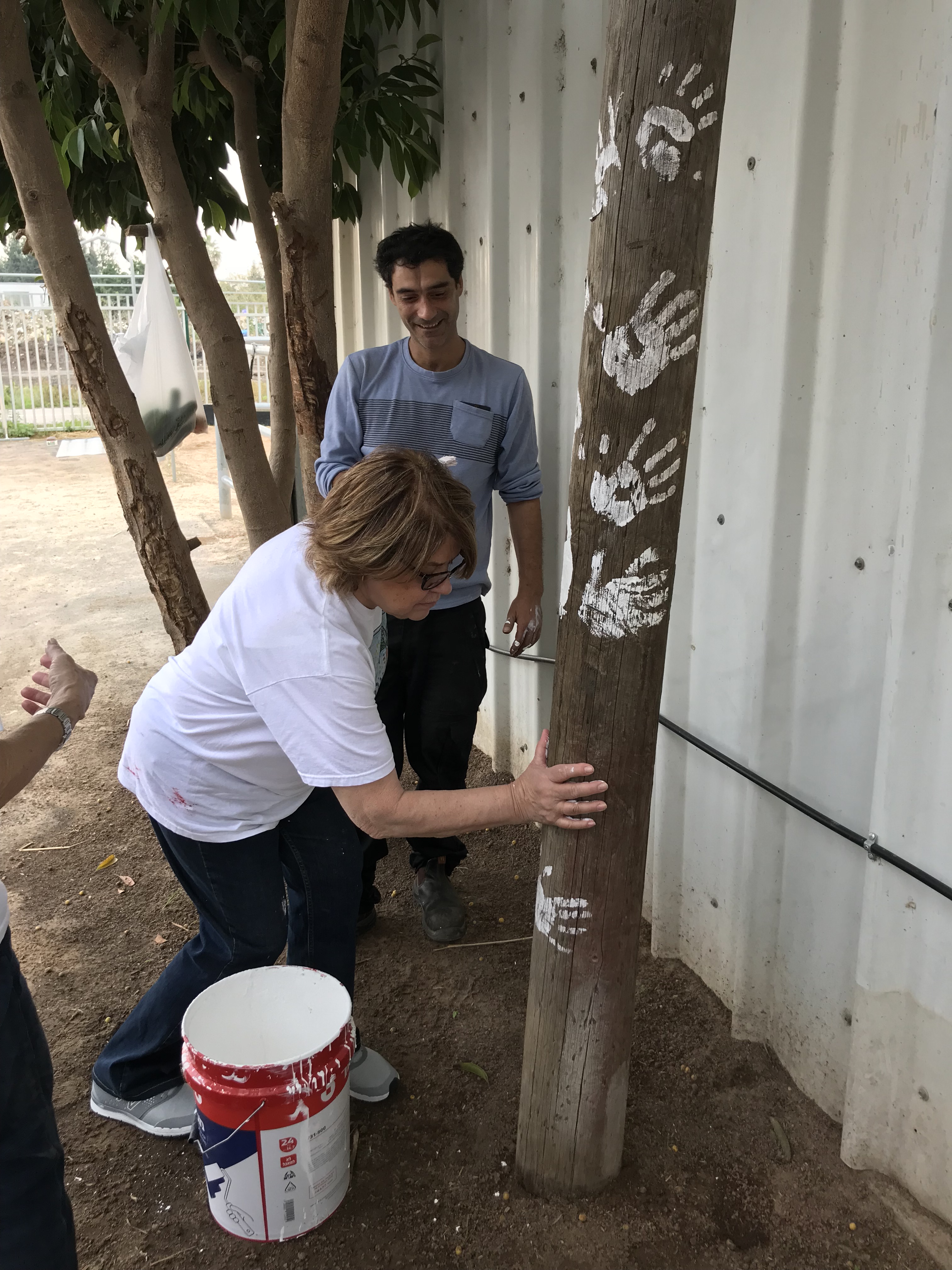
There is something within the human spirit that enables us to get up every morning, to go out into the world, and to try everything before it ends. Despite the disappointment, despite the pain, despite the knowledge that we may not complete our task and that our hearts may be broken yet again. To me, there is nothing more miraculous or more divine.
Join us on Monday night, November 19 at 7:30pm, as we explore “Community preparedness and resilience in the face of threats: Lessons from Israel” with Dr. Danny Brom, Director of the Israel Psychotrauma Center. Please register at OJCcares4U@gmail.com for an evening of learning, reflection and discovery. From the scientific to the spiritual, we’ll learn a little more about what keeps us going, and what we can do to bolster that ability “to dance until overcome by exhaustion or love.”
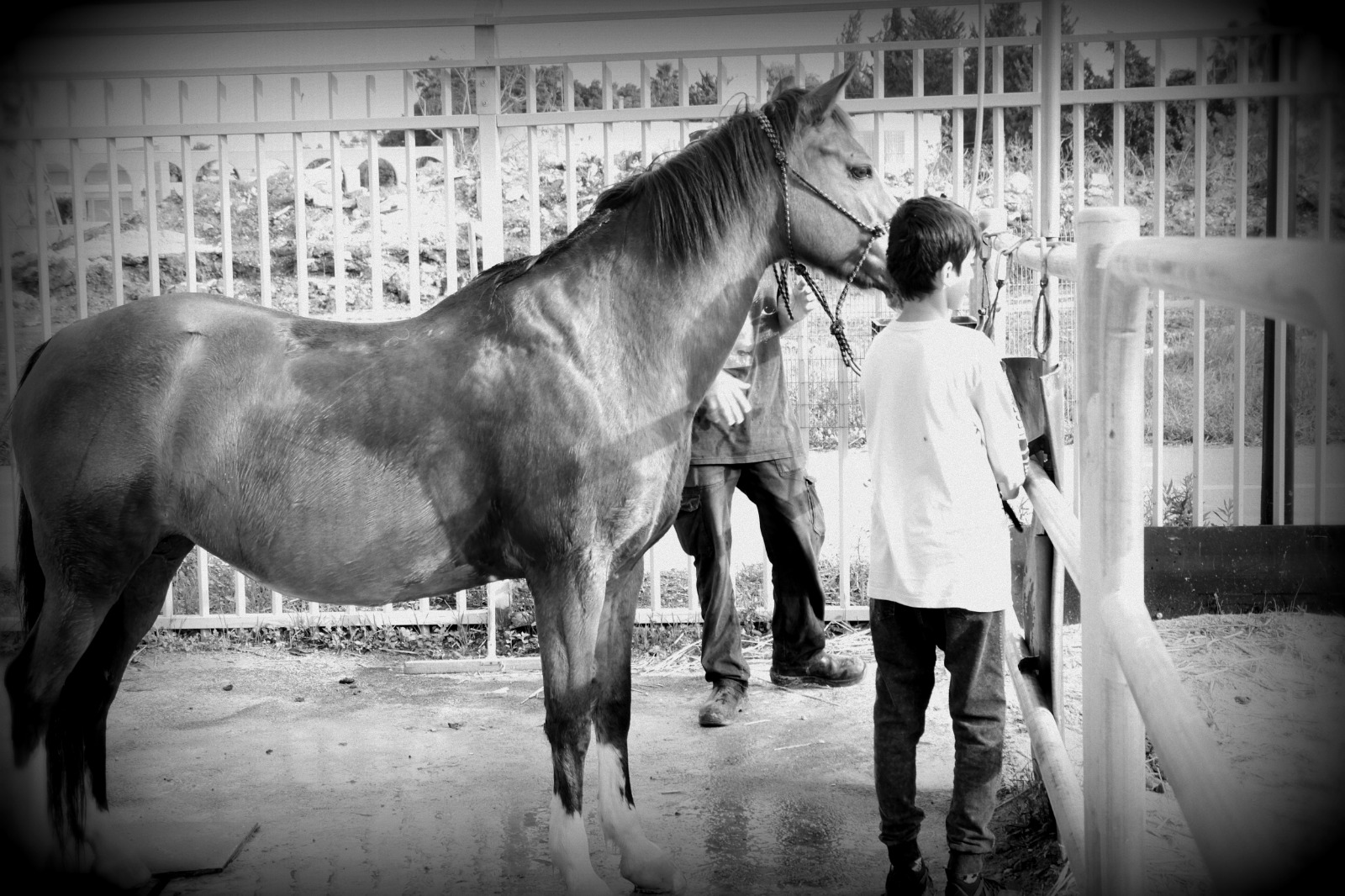
Oh, by the way, the little boy with the angelic voice? His name happens to be Or, meaning light. And as is his name, so is he. May he always know it, and may he always be.
Shabbat shalom from Israel, and hope to see you on Mitzvah Day Sunday!
Rabbi Craig Scheff
 Three Rabbis Walk Into A Shul
Recent Comments