The resilient child within
The nine year-old Israeli boy with the large soulful eyes stands alone on the stage, his teacher-counselor-accompanist off to the side on a stool with guitar in hand. The youth looks totally relaxed, the microphone a therapeutic pet in his hands.
The strings begin to reverberate their introduction and the child opens his mouth to sing. Time stops and the tears begin to flow from the eyes of the 18 American guests and the 12 Israeli teachers, therapists and foster parents in the audience. The children gathered as a makeshift audience put their arms atop each others’ shoulders and begin to sway side to side. The boy’s sweet voice ascends and descends like an angel on a ladder, and with it our souls soar, almost out of control with the swing of our emotions.
Knowing that the boy’s biological parents are not present, that the child has suffered emotional abuse (at the very least), that at a tender age his life is broken in so many ways, and that but for the presence of the caregivers in the room he might be totally lost, it is no surprise that the group is overcome with emotion in hearing his sweet and powerful voice. But to understand his Hebrew words is to be filled with awe, appreciation, inspiration and hope:
“Be not afraid to fall in love,
That the heart may break,
Be not afraid to lose along the way.
To get up every morning
And to go out into the world
And to try everything before it ends
To search from whence we came
And in the end always return to the beginning
To find yet more beauty in everything
And to dance until overcome
By exhaustion or love.
(Before it ends, Idan Raichel)
Resilience has been defined as the power to be able to recover readily from adversity or challenge. And it is one of those human traits that I consider to be among God’s greatest gifts.
This past week, seventeen of our community members have been in Israel witnessing the power of resilience. We have seen resilience in the ability of an abused child to sing before a crowd of peers and strangers; in the work of Yoav Apelboim, the executive director of Kfar Ahava Youth Village who sees too much suffering, yet continues to make meaningful improvements in the lives of so many; in a society that resumes school and work a day after rockets rained down on its homes; in a kibbutz that has reinvented itself to stand as a beacon of religious pluralism and an advocate for societal change in the face of extremism.

We have seen resilience in ourselves: in our ability to make the sacrifices of time and resources to do the work that takes us out of our comfort zones year after year; in our willingness to suffer the emotional toll of being inside the suffering of children; in sharing the pains of loss, memory and empathy inside our own community family.
We have seen resilience from afar, as the natural elements have wreaked havoc across the ocean, from fires on the west coast to snow on the east coast, families have abandoned homes to survive and begin anew, and individual acts of kindness and sacrifice have eased the burden of others.
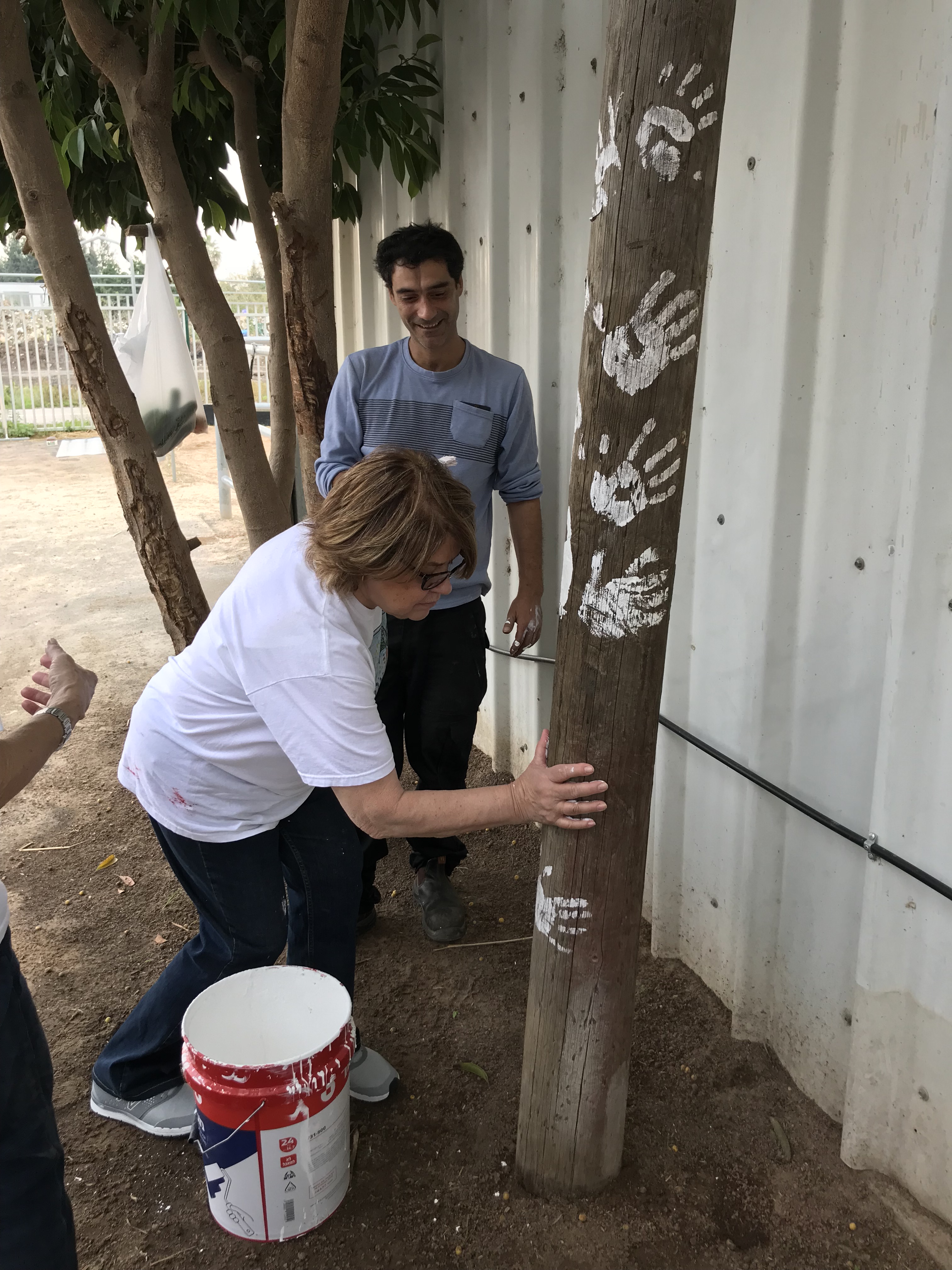
There is something within the human spirit that enables us to get up every morning, to go out into the world, and to try everything before it ends. Despite the disappointment, despite the pain, despite the knowledge that we may not complete our task and that our hearts may be broken yet again. To me, there is nothing more miraculous or more divine.
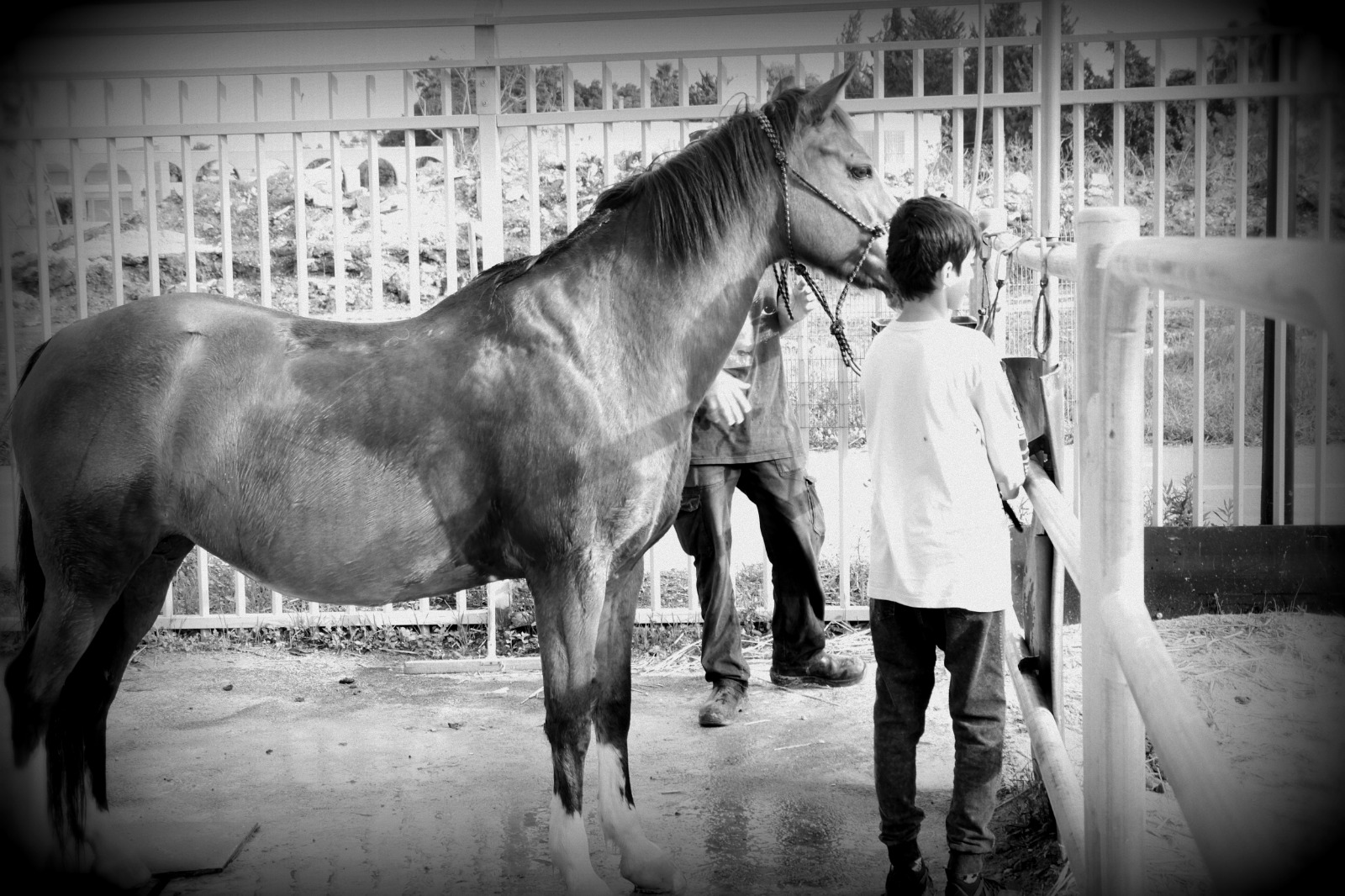
Join us on Monday night, November 19 at 7:30pm, as we explore “Community preparedness and resilience in the face of threats: Lessons from Israel” with Dr. Danny Brom, Director of the Israel Psychotrauma Center. Please register at OJCcares4U@gmail.com for an evening of learning, reflection and discovery. From the scientific to the spiritual, we’ll learn a little more about what keeps us going, and what we can do to bolster that ability “to dance until overcome by exhaustion or love.”
Oh, by the way, the little boy with the angelic voice? His name happens to be Or, meaning light. And as is his name, so is he. May he always know it, and may he always be.
Shabbat shalom from Israel, and hope to see you on Mitzvah Day Sunday!
Rabbi Craig Scheff
2017 Mitzvah Mission, Day 3 – Love
How does one summon love for the stranger?
At a place called Love (Ahava), the stranger offers love, creating a safe space for the vulnerable; the stranger receives love, and the reassurance that they will not always be rejected; and we are inspired to give enough love to effect a slight change for the better in our world.
My first visit to Kfar Ahava was in 2007. And even in my eleventh year I am so deeply moved and inspired by the experience. Perhaps more so because once again I got to see this remarkable and unique place through the eyes of the newcomers.
After our annual reintroduction to Ahava by Executive Director Yoav Apelboim, the group gathered in the memorial corner we created in memory of, and dedicated to, Danny Klein and Rob Katz. We remembered, cried, and blessed together. Today was Rob’s birthday, so the moment was particularly poignant. We dedicated today’s acts of love to their legacies.

Next, I gave our newcomers—Ellen, Sharon and Andre—a tour of the residential facility, the school and the emergency shelter. The bright skies, cool breezes, colorful mosaics, peaceful gardens and quiet grounds belied all the brokenness and pain that lay behind so many of the closed doors around us.

But what could not be hidden away was the love. The newcomers saw it in the way the 17-year veteran social worker talked about the children she received in the emergency shelter. Every child brought in through her doors, she explained, deserved to be love, especially considering the conditions they had suffered at home, the one place that was supposed to guarantee love.
At lunch, Amy Nelson and I witnessed an eight year-old boy trying to bond with us by insisting that his father was a professional soccer player who played in New York. He just wanted to be loved. A twelve year-old oppositional girl challenged him to stop lying, so clearly lashing out in the pain of her own brokenness. An eighteen year-old doing his year of national service at Ahava subtly shook his head in disapproval of her insensitivity, and her anger was quieted. The foster mother overseeing their care, in her first year of service, turned to us to offer that she was here to change the world for the better in some small way.

Tonight, first-timer Sharon, a stranger to Ahava, reflected to the group that the experience of Ahava stripped away her armor. With the permission to be vulnerable, she felt more authentic. And the more authentic we are, the more capable we are of giving and receiving love.

Thank you, Ahava, for inspiring us all to love even the stranger.
Rabbi Craig Scheff
 Three Rabbis Walk Into A Shul
Recent Comments