Time to reflect
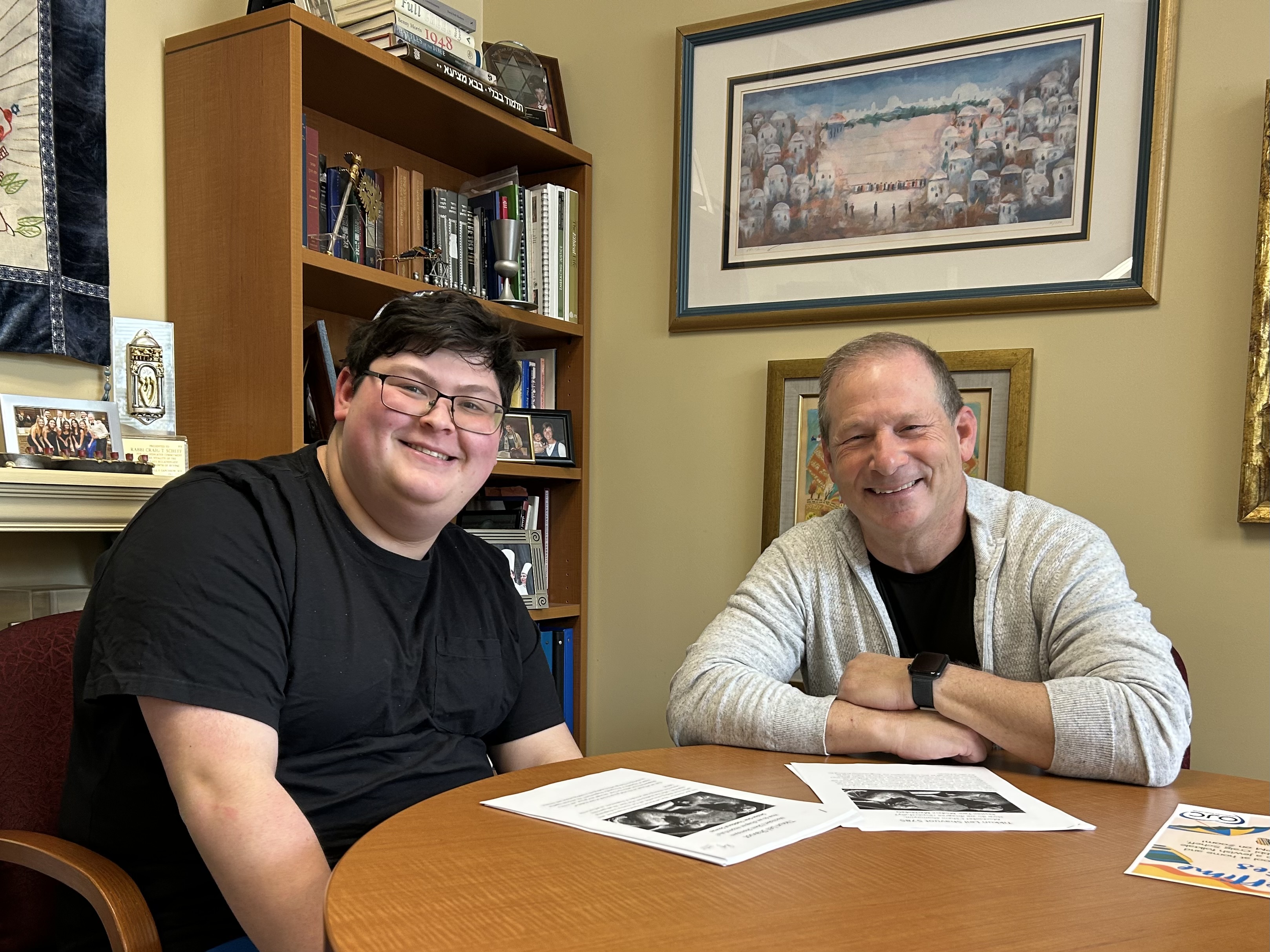
As we reach the end of another academic year, I wanted to share with you the words of Rafi Josselson, a high school senior at The Leffell School who spent the last nine weeks of his academic year interning with me here at the synagogue. As I have shared with his school administration, Rafi has surpassed all our expectations. His work ethic and product have matched that of so many of our previous rabbinic interns, many of whom were at least a decade older in years and in academic pursuit. We have learned from Rafi. His youth was no impediment to his wisdom, his charm and his contributions. I am happy to be re-starting this blog after a year’s hiatus with Rafi’s words, and I look forward to welcoming Rabbi Claire Shoyer as a contributor. Thank you, Rafi. We wish you the very best in all your pursuits!
Dear OJC,
Thank you all for allowing me to serve as your synagogue intern this spring. It’s been one of the best experiences of my life. I’ve grown professionally and personally throughout this experience. This wasn’t a difficult transition. Since this is my synagogue, I was already heavily involved. And so, unlike my peers who interned for six weeks, I have been interning for about nine weeks.
Like you, I am a congregant. But, for these nine weeks, I stepped “behind the curtain” to see the work that happens behind the scenes. Our hours are inconsistent. I have had nights when I am working until 9 or 10:30. There are days when I have gone into the city, to a funeral, or to someone’s house to sit shiva with them. My internship wasn’t just about doing stuff; most of my time was spent showing up.
I focused a tremendous amount of my time refining my leyning and oration skills. I have delivered four sermons to the congregation. I am proud of each one of them, but I have worked hard to get better at my delivery, pacing, and length. I hope you’ve noticed my growth in that area. I’ve also worked tirelessly on improving my leyning. I have read Torah or Haftarah almost every Shabbat, and I pushed myself to learn something new: Megillat Ruth.
I had the opportunity to interact with our youth through Kulanu. Being a day school student, my interaction with Kulanu in the past was limited. During this internship, I was very involved with our B’nai Yisrael (3rd-5th Grade) class. The work and energy that is expended for our children’s education is magical. It was a pleasure to work alongside Rabbi Kniaz in her final weeks with our Kulanu students. My experience was enhanced by our teachers, our Kulanu Assistant Ms. Maudeena Jones, and our students, all of whom are critical parts of the educational experience. I was so proud of our B’nai Yisrael students when, for their final project, they compiled a new book of the Tanakh to transmit to future generations. They joyously presented it to Rabbi Kniaz at their moving-up ceremony.
I’ve also noticed, as many of you have, that we as a synagogue are moving into a new stage. Even though she technically starts in July, I can assure you that Rabbi Shoyer and the rest of the OJC team are already busy planning engaging programming for next year. I also got to attend her JTS ordination. Rabbi Shoyer has worked so hard to get to this moment. She has spent five years in rabbinical school, including hundreds of hours in internships. But, as I have heard from so many rabbis before, you don’t learn how to be a rabbi until you are a rabbi. Therefore, as Rabbi Shoyer continues to grow and learn, I ask you: please give her time and space to grow into the rabbi she is meant to be.
Speaking of rabbis’ experiences, throughout the internship, I interviewed 14 rabbis to get a sense of their experiences, careers, and reflections on the title of “Rabbi”. I interviewed both Rabbi Scheff and Rabbi Drill for this project, and I interviewed two of our previous Rabbinic Interns, Rabbi Jesse Nagelberg and Rabbi Ben Varon. These people are the gold standard of what rabbis should be: caring, empathetic, dedicated, and involved. I am glad I had the chance to talk to them, and the OJC is lucky to have been led by them. You can read my takeaways from my interview project here.
To conclude, I want to share why I did this internship. First, I wanted to gain an understanding of the field of rabbinic work. But secondly, I wanted to give back to you, the OJC, which I believe is one of the most magical places on Earth. We aren’t perfect. And we have a lot more ahead of us. But I am confident that, together, we’ll keep OJC a welcoming, safe, and inclusive home for everybody.
Rafi
Now is not always the right time
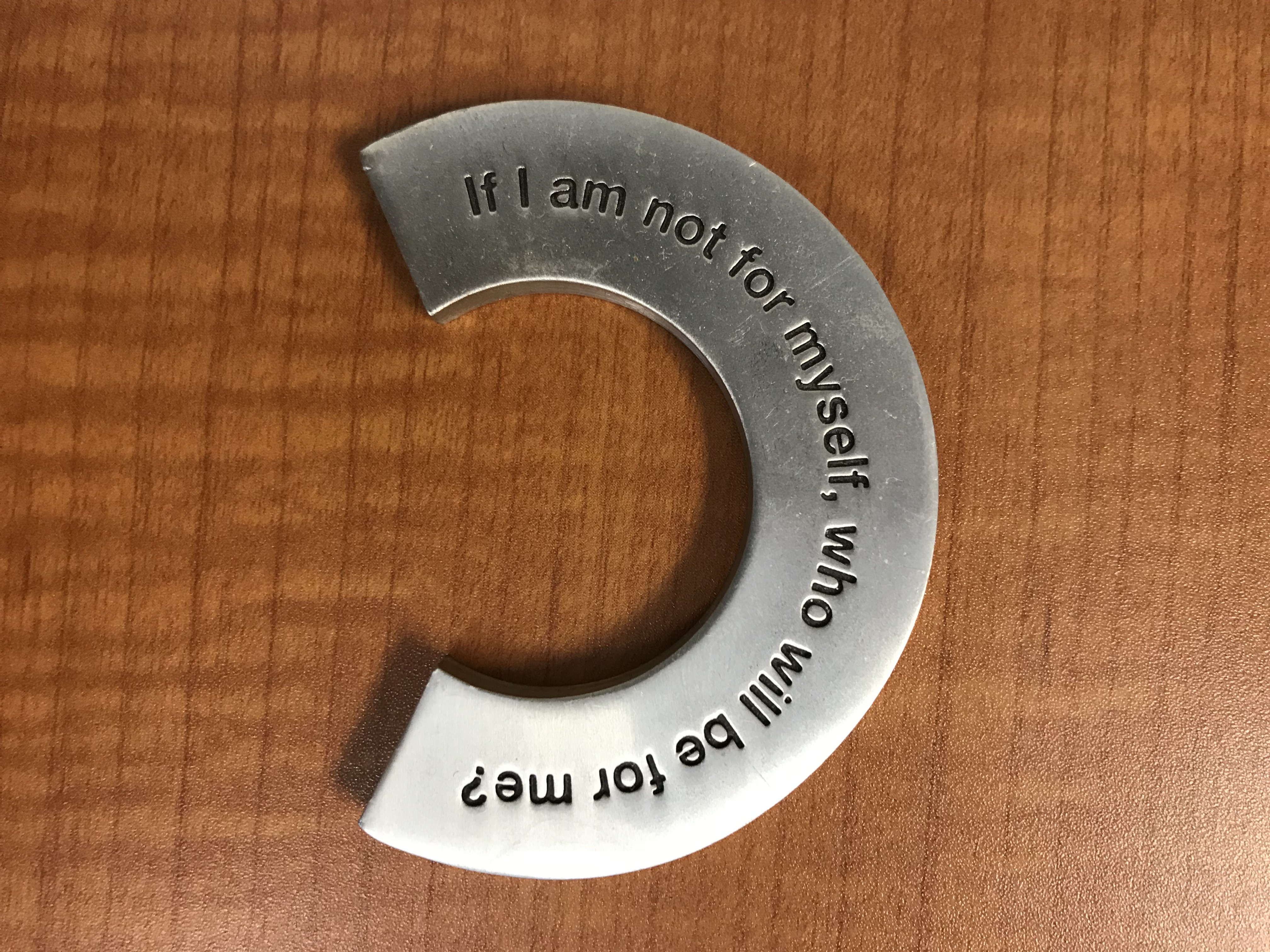
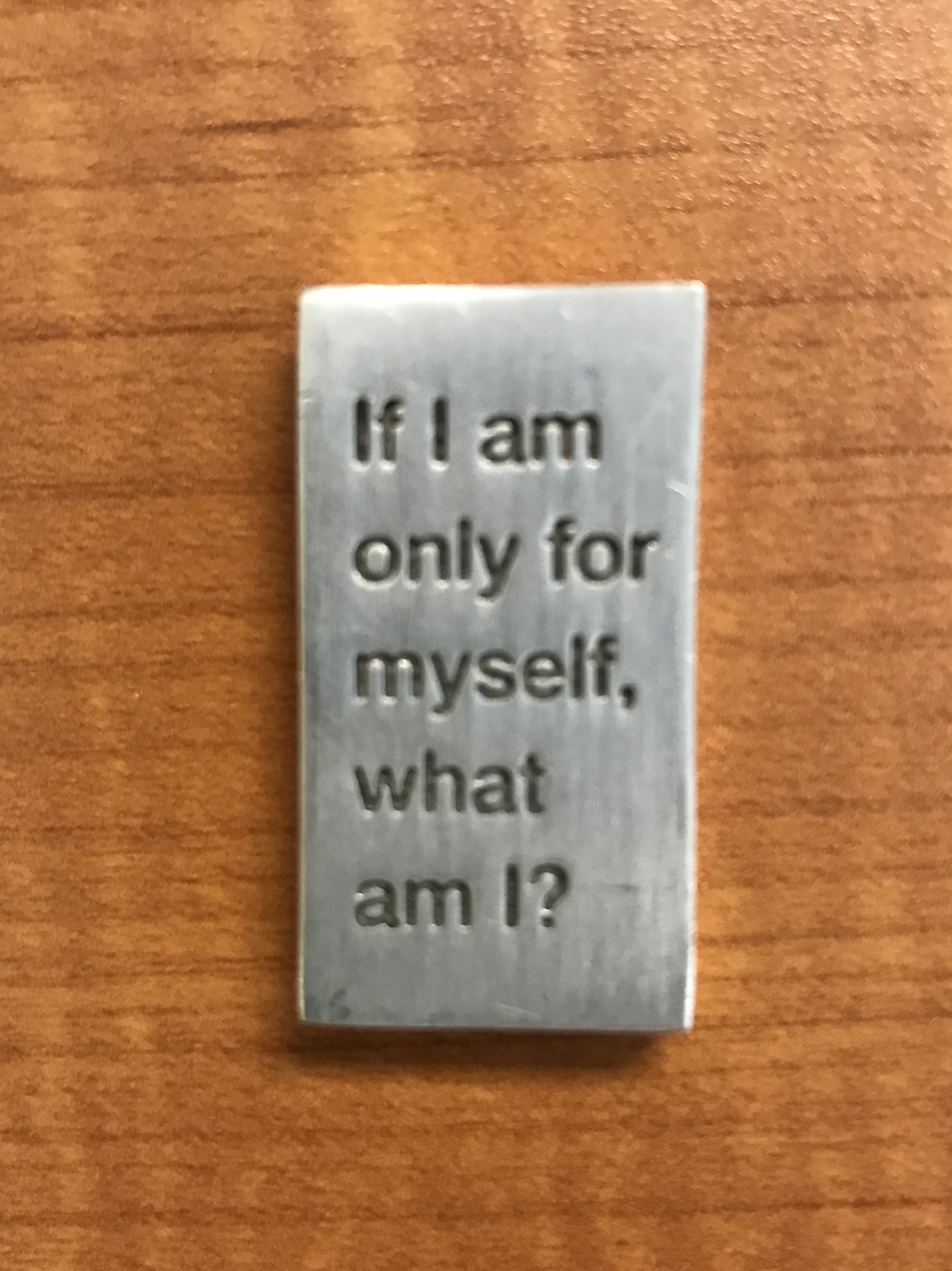
Ramah, the camping arm of Conservative Judaism, has occupied the headlines of the Jewish press over the last week. At issue is Ramah’s educational approach regarding Israel and Zionism. In particular, IfNotNow (INN), an organization whose stated goal is to end American support for Israel’s current policies with respect to the Palestinians, has begun training Jewish camp counselors to effect change in the Israel education of Jewish summer camps.Three months ago, a group of Ramah alumni involved with INN approached the Ramah national leadership seeking a commitment from Ramah to change its Israel education to include the Palestinian narrative. As news of INN’s camp counselor training program became public, the Ramah leadership issued a statement distancing itself from any partnership with INN and affirming its commitment to teaching Ahavat Yisrael, a love of Israel. Backlash came from both the right and the left. From one extreme, Ramah was being ordered to conduct a purge of any counselors who might express any sympathies to the Palestinian cause; from the other side, Ramah was being accused of betraying alumni who felt they had been labeled as anti-Zionist at best and anti-Semitic at worst.
Change, no matter how warranted, typically takes time in established institutions. Change requires education, building consensus, and the development of stakeholders who can model the proposed change as a natural and mission-driven extension of the institution itself. Change imposed from outside the institutional framework will, more often than not, fail, especially if it is expected to take effect immediately.
The Ramah camping movement, one of the great and long-lasting successes of Conservative Judaism and a breeding ground for ideas, leadership and best practices, is well aware of the changing landscape of the Jewish world, and in particular as it relates to Israel. Hundreds of young Israeli emissaries (shlchim) staff the Ramah camps each summer, bringing with them their many perspectives on Jewish identity, Zionism and Israel. The shlichim are not screened for their political leanings in advance of their placement. Each Ramah camp has its own board, its own professional leadership, its own unique demographic of staff, campers and families. Each camp has met the challenges of change in its own way, always sensitive to the Ramah mission, the camp’s constituent communities, and the reality that staff and campers come from a diversity of religious and educational backgrounds. To this day, the camp cultures differ in their religious and educational philosophies, even as they pursue the same mission.
The Ramah camps also face the challenge of educating students—campers and staff—who range in age from 6 to 60, many of whom live together in community. Learning takes place in formal, informal and experiential settings. The unintended curriculum is often more important than the intended curriculum, as so much of the learning occurs in the context of late-night one on one conversations. It is in the context of personal relationships that nuanced opinions are best expressed and best able to be heard. That is the true magic of Ramah.
Ramah directors across the camps, I believe, sympathize with those Ramah alumni who want to see staff and older campers engage in Israel discussions that reflect the complexity and nuance of the Israeli-Palestinian conflict. However, in light of INN’s demands for immediate and sweeping change, it should come as no surprise that the Ramah leadership felt the need to make a strong statement in response, officially distancing Ramah camps from any organizational or philosophical partnership, especially considering that INN’s platform specifically states that it does not take a position regarding the support of Israeli statehood. Critics may have cause to say that Ramah leadership’s latest statement was an attempt to appease the majority of its base and its financial supporters. Even if this were to be true, it doesn’t mean that Ramah has abandoned its dedication to pluralism and to permitting a diversity of opinions.

The world of Jewish education is still learning how to address the moral challenges of Israeli statehood and Jewish power. The Shalom Hartman Institute, as far as I am concerned, has done an excellent job of creating informative, nuanced and challenging educational materials for adults. (Check out the iEngage Israel curricula; our synagogue community has already implemented three of its courses to a positive reception.) Adapting these conversations for middle schoolers or high school students is going to take time and expertise, especially given the widely diverse ages and backgrounds of the intended students.
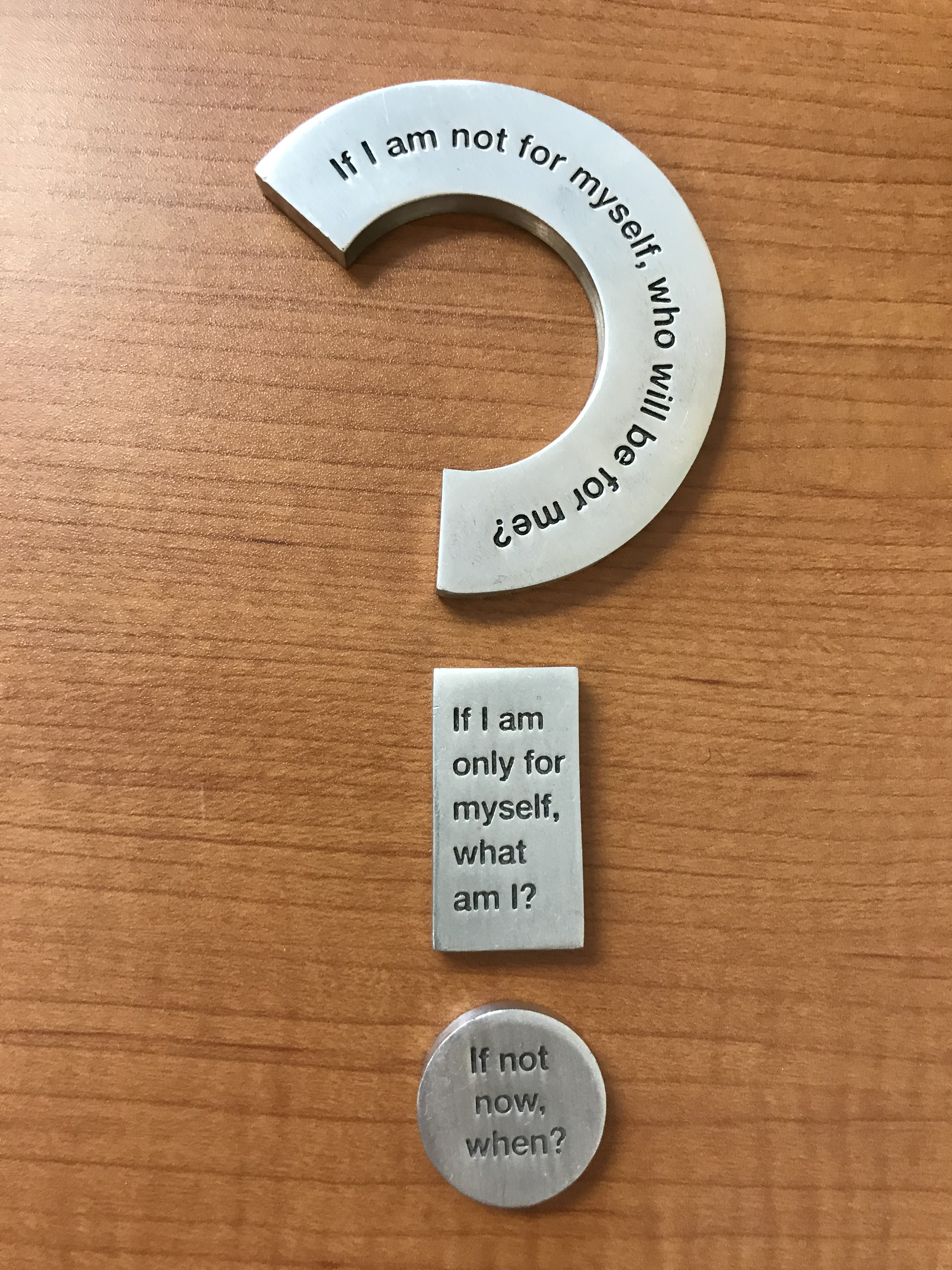
I firmly believe that now is the time to wrestle with the question of how to teach about Israel’s conflicts. But the answer to that question, especially when it comes to good Israel education, is certainly not one to be arrived at in a matter of months. Ramah camps are as good a place as any to advance this discussion—but not necessarily this summer or even next. Not if it is going to be done well, with the result producing the best informed Israel lovers and advocates for our future.
Rabbi Craig Scheff
 Three Rabbis Walk Into A Shul
Recent Comments