You had to be there
A tip of my Red Sox cap to Yankees’ pitcher Domingo German, who threw a perfect game last night (retiring 27 Oakland batters without issuing a walk or giving up a hit). Baseball is the one sport where on any given night something can happen that you as a fan may have never seen before. At the beginning of every major-league game, an average pitcher facing a lineup of average hitters has a .000983 percent chance of pitching a perfect game. This perfect game was only the 24th in the history of the sport!

The only way to truly appreciate such a feat is to be present to it in the moment. It’s simply not the same on replay. Whether you are a fan of the team or not, you hang on every pitch over the last 12 outs of the game to see something that few have ever achieved. A friend texted me earlier today to tell me that he and his son had turned the game off after the first inning last night to go to bed — something they never do — in preparation for an early morning flight. I understand the terrible disappointment they are feeling today.
A few weeks ago, something poignant happened during services that moved our president Matt Schiering to note in his announcements that we never know what we might miss if we are not in synagogue on any given day. There are so many Shabbat mornings when I walk out of the building after the service thinking the very same thing to myself. You simply never know what you are going to be a part of, and if you aren’t here, you never know what you’re going to miss.
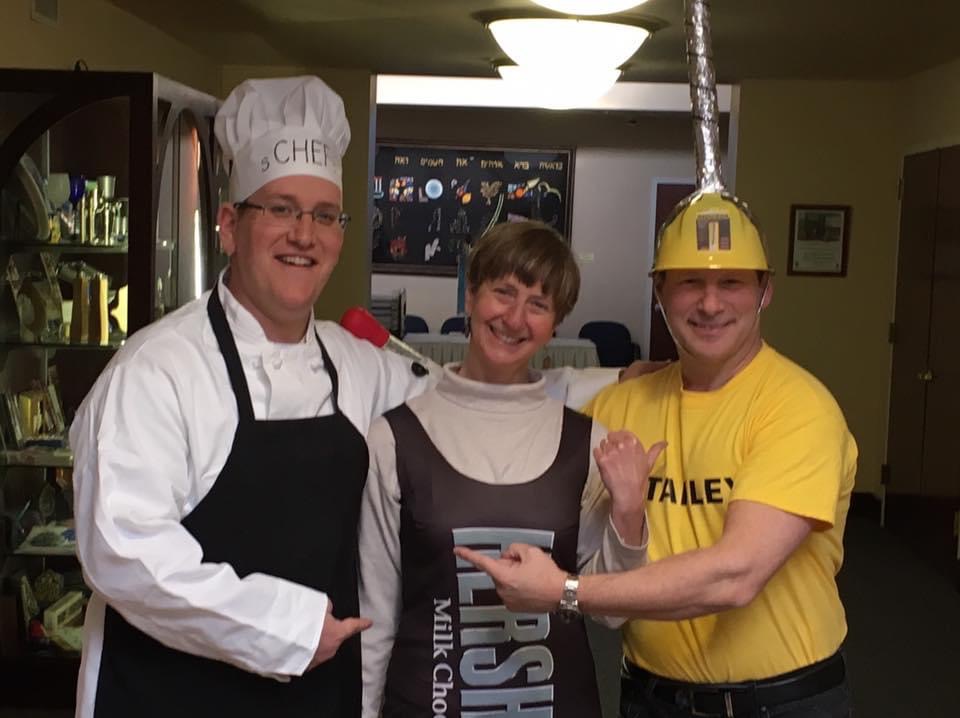
It might be as simple as a 6 year-old girl making her way across the aisle to sit with an unrelated 60 year-old woman. It may be a 95 year-old man standing in front of the Torah to give thanks for another birthday. It may be a person who is deaf reading from the Torah in front of the congregation for the very first time. It may be the naming of a baby belonging to a family you’ve never met, or a 50 year-old person returning to the synagogue where they grew up for the first time in 35 years.

The synagogue experience is not necessarily about prayer. Or mourning, or music, or meditation or memory. Or celebration, or causes or community. Or food or friendship. Or obligation. Or study. Or a heartfelt moment of vulnerability. The synagogue experience may be about any one of these things, about all of these things, or about something else entirely.
Only you can conclude what the synagogue experience is for you. To understand the meaning of it for yourself, you have to be there. If you sleep late, check out early, or pass entirely, know you might be missing something special, something you will probably never experience at a ballpark or anywhere other than the synagogue.
Shabbat shalom,
Rabbi Craig Scheff
You are invited to not pray!

That’s right, you read the title correctly. I am inviting you to not pray. Come to synagogue tomorrow morning, sit for an hour, or two, or three, and don’t pray. I am allowed to say that because, frankly, I have no idea what the English words “to pray” mean. The meaning of the words, I believe, will necessarily change depending on what is our definition of God. Implicit in the word “prayer” is some recognition that we are engaging in an effort to connect to something beyond ourselves, whether that something is above us, beyond us or within us. Are we asking for something, actually expecting a response? Are we seeking the granting of a wish? Are we hoping to gain a perspective that puts our lives into a context of something greater, thereby either maximizing or minimizing our significance, our achievements, or even our wrongdoings? Prayer is not necessarily an act of petition, supplication or thanksgiving. It may be all these things, it may be none of these things.
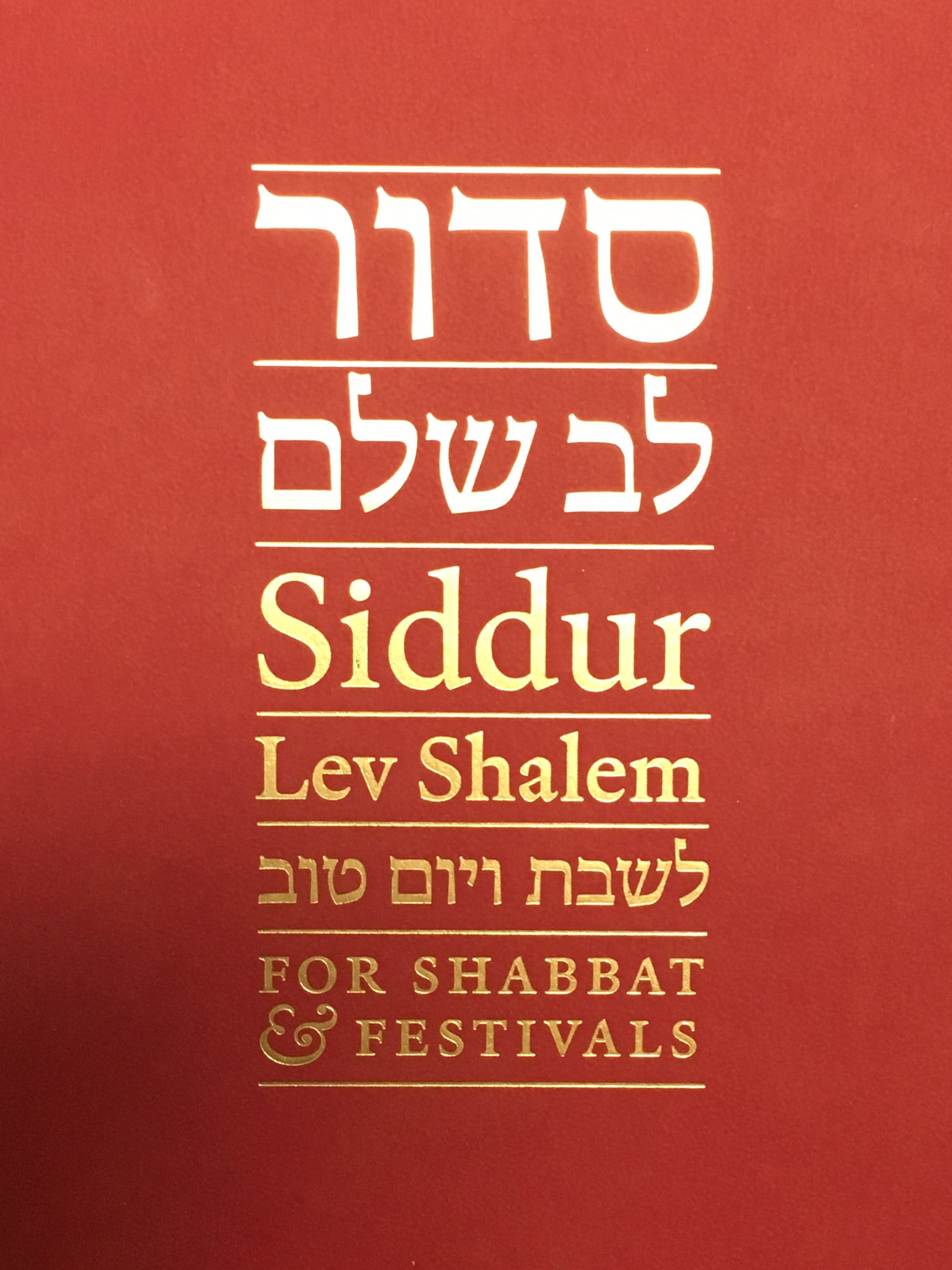
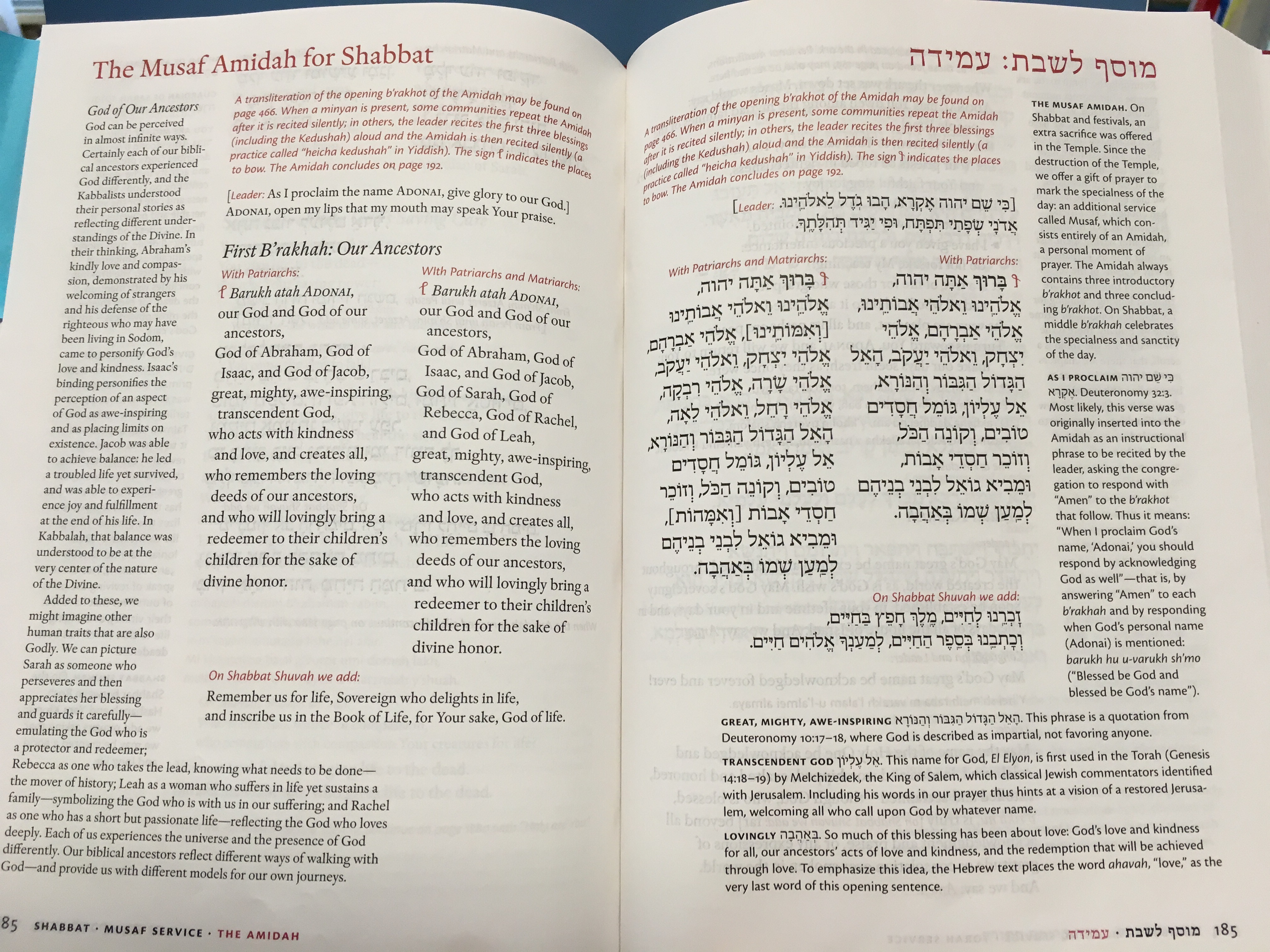
In our Siddur Lev Shalem, the new prayerbook published by the Rabbinical Assembly which we introduced to the congregation two weeks ago, the phrase Barukh Atah Adonai, commonly translated as “Praised are You, Lord,” is intentionally left untranslated. In the English text, the phrase appears simply as Barukh Atah Adonai. I love the affirmation of the idea that the words cannot be translated easily, if at all. How do we approach sacred purpose? How do we express shared values and shared search for meaning? How do we establish a space for safe vulnerability? How do we sing in gratitude for our freedom and in lament of those things that still enslave us? How do we find inspiration and comfort in the company of others who are as imperfect and broken as we are? That which we can’t translate into words is left to the service of the heart.
The beauty of our new siddur is found in its acknowledgment that there is no single way to pray. The book is an invitation to a dialogue with God, certainly, but it is also an invitation to meditation, to study, to quiet contemplation, to communal song. It is as modern, creative, and untraditional as we need our expression of faith to be. It is as ancient, as set and as traditional as we need our expression of faith to be. It is an invitation to explore our desire to connect emotionally, intellectually and socially to purpose, values, tradition, shared history and shared mission.
Jewish tefillah–self-examination–is time set aside from the mundane distractions in our lives. The siddur serves as the open doorway to that time–time for perspective, time for growth. Join us tomorrow morning for an hour or two or three. Join us for you. Join us to learn more about this new magnificent resource and our own personal searches for meaning. Join us to sing, learn, connect, and be. Join us, you know, to pray.
Shabbat shalom,
Rabbi Craig Scheff
 Three Rabbis Walk Into A Shul
Recent Comments